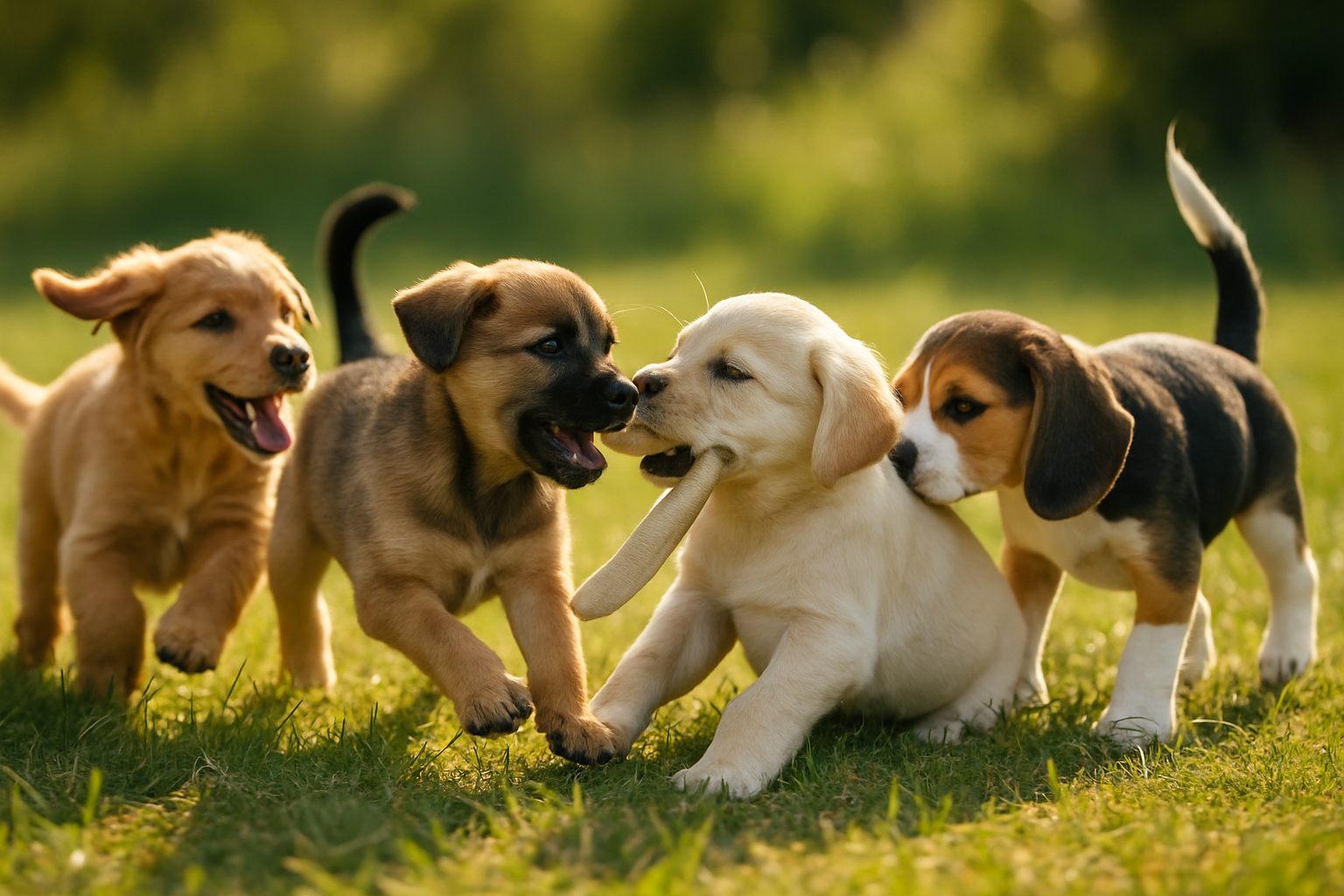
Why Puppy Playdates Matter More Than You Think
Your adorable new puppy is more than just a cute bundle of fur—they're a developing personality who needs proper socialization to become a well-adjusted adult dog. While many pet parents focus on basic training and obedience, they often overlook one of the most critical components of puppy development: early social interaction with other dogs. [3] Puppies who engage in regular, positive play experiences during their formative months develop better communication skills, increased confidence, and significantly lower anxiety levels as adults. Think of puppy playdates as a form of social education that shapes your dog's personality and behavior for years to come.
Beyond behavioral benefits, playdates provide essential physical exercise that helps burn off excess energy, promotes healthy weight management, and strengthens your puppy's cardiovascular system. A tired puppy is typically a well-behaved puppy—one that's less likely to engage in destructive behaviors like chewing furniture or excessive barking. [2] But perhaps most importantly, these early social interactions create a foundation of confidence that makes future vet visits, grooming appointments, and encounters with unfamiliar dogs far less stressful for everyone involved.
Pre-Playdate Preparation: Setting the Stage for Success
Health and Vaccination Requirements
Before your puppy can safely mingle with playmates, you'll need to ensure their immune system is adequately protected. [3] Veterinarians recommend that puppies receive a complete series of vaccinations during their early weeks and months. These vaccinations are crucial for protecting your pup from potentially life-threatening infections. Before scheduling any playdate, verify that your puppy's vaccination records are current and request the same documentation from the other dog's owner.
Beyond vaccinations, consider additional preventive measures based on your location and season. Flea and tick prevention should be applied before outdoor playdates, and heartworm protection is essential in many regions. [3] A quick conversation with your veterinarian can clarify exactly what preventive treatments your puppy needs before their first social outing. This isn't just about protecting your own pup—it's about being a responsible member of the pet community.
Understanding Your Puppy's Personality
Every puppy has a unique personality, and understanding yours before arranging a playdate is fundamental. Take time to observe your pup's natural tendencies: Are they naturally outgoing and energetic, or more reserved and cautious? Do they have any specific fears or triggers? Are they possessive of toys or food? [3] This self-awareness helps you select an appropriate playmate and environment that will set your puppy up for success rather than overwhelming them.
Consider keeping a simple notebook for a week or two, jotting down observations about your puppy's energy levels throughout the day, their play style, and their reactions to new situations. This data becomes invaluable when discussing playdate options with other dog owners. A highly energetic, boisterous puppy paired with a timid, sensitive pup will likely result in a negative experience for both animals. Conversely, matching compatible personalities creates the magic that makes playdates truly special.
Selecting the Right Playmate: Compatibility Is Everything
Not all puppies are created equal, and not all puppies make good playmates for each other. The key to a successful playdate lies in thoughtful matchmaking. [1] Consider these critical factors when evaluating potential playmates:
- Age Compatibility: Puppies of similar ages interact on more level playing fields. A 12-week-old puppy playing with a 6-week-old may accidentally overwhelm the younger pup simply through size and play intensity differences.
- Size Matching: While not absolutely critical, pairing similarly-sized puppies reduces the risk of accidental injury during roughhousing. A Great Dane puppy and Chihuahua puppy, while potentially adorable together, present obvious physical mismatches.
- Energy Level Alignment: A high-energy, play-focused puppy will become frustrated with a calm, laid-back playmate, while the calm pup may become stressed by constant activity. [2] Matching energy levels creates a more balanced, enjoyable experience for both animals.
- Temperament Compatibility: Does the other puppy have a gentle, playful demeanor, or do they show signs of aggression or extreme shyness? Your puppy's first experiences with other dogs significantly influence their future social behavior.
Start by connecting with other puppy owners through local dog parks, puppy training classes, or online pet communities. Have genuine conversations about your puppies' personalities and play styles. This groundwork prevents many potential problems before they occur.
Choosing the Perfect Location: Why Environment Matters
The location you select for your puppy playdate dramatically influences the experience. [4] For first-time meetings, neutral territory is essential. Dogs can display territorial behavior in their own homes, and introducing a new puppy to another dog's established space can trigger defensive reactions that have nothing to do with the dogs' actual compatibility. Instead, choose a neutral location such as:
- A quiet section of a local dog park during off-peak hours
- An open field or grassy area away from distractions
- A dog-friendly hiking trail or nature preserve
- A secure, fenced backyard belonging to someone without other dogs
The ideal location should offer enough space for puppies to move freely without feeling crowded, adequate shade and shelter, and access to fresh water. [2] Avoid busy, overstimulating environments like pet stores or crowded dog parks during peak hours. Your goal is to create a calm, controlled setting where your puppies can focus on each other rather than processing sensory overload.
Importantly, ensure your chosen location is completely secure and enclosed if you plan to allow off-leash play. The last thing you need is a puppy dashing into traffic or disappearing into the woods because they got overly excited during play.
Timing Your Playdate: When Your Puppy Is at Their Best
Timing matters more than many pet parents realize. [1] Schedule your playdate when both puppies are naturally at their most playful and receptive—typically mid-morning or late afternoon for most pups. Avoid scheduling playdates immediately after meals, as puppies with full bellies are less interested in activity and may experience digestive discomfort during vigorous play. Similarly, respect your puppies' natural nap times; a tired, cranky puppy is far more likely to have negative interactions.
Consider the weather as well. Extreme heat can make puppies uncomfortable and overly sluggish, while cold temperatures may cause them to want to huddle rather than play. A mild, pleasant day typically produces the best playdate experiences.
Aim for shorter first playdates—approximately 30 minutes or less. [4] This timeframe is ideal for young puppies who are still building confidence and learning social skills. A short, positive experience leaves both puppies eager for their next meeting, whereas a long, overwhelming session might create negative associations with socialization.
The Pre-Play Introduction: Starting Strong
Don't let your puppies immediately rush into play when they first meet. Instead, begin with a structured introduction that sets a calm, positive tone. [1] Start by taking both puppies on a short side-by-side walk on leash. This controlled introduction allows them to become accustomed to each other's presence without the pressure of direct interaction.
During this initial walk, observe their body language carefully. Are they showing interest through gentle sniffing and relaxed postures? Do they seem calm and curious? [4] These are excellent signs that the dogs are ready to progress. Gradually decrease the distance between them as they demonstrate comfort. If either puppy shows signs of stress—pinned ears, tucked tail, stiff body, or excessive pulling—increase the distance and slow the introduction process. There's no rush; patience during this phase prevents many problems later.
Once both puppies seem relaxed and you're in a secure, enclosed area, you can try removing their leashes to allow more natural interaction. Stay close and ready to intervene if play becomes too rough.
Reading Puppy Body Language: The Silent Conversation
Understanding what your puppies are communicating through their body language is absolutely critical for ensuring safe, positive interactions. [2] Learn to recognize these positive play signals:
- Wagging tails held at a natural height
- Soft, relaxed facial expressions with slightly open mouths
- Play bows (front legs extended, rear end elevated)
- Loose, bouncy movement
- Taking turns being chased
- Gentle, controlled sniffing
Conversely, watch for these warning signals that indicate stress or escalating aggression:
- Stiff body posture or raised hackles
- Intense, hard staring or prolonged eye contact
- Growling, snarling, or showing teeth
- Pinned ears or tucked tail
- Mounting or pinning behavior that doesn't alternate
- One puppy consistently avoiding the other or hiding
Remember that some rough play is completely normal and healthy. Puppies naturally engage in wrestling, chasing, and mock fighting as they learn social boundaries. [2] Your job isn't to eliminate all roughness but to ensure it remains playful and doesn't escalate into genuine aggression. Be prepared to intervene immediately if play turns aggressive or if one puppy is clearly overwhelmed.
Creating an Engaging Playdate Experience
Toy and Activity Selection
Introduce variety to keep your puppies engaged and entertained throughout the playdate. [1] Fetch, gentle tug-of-war, and simple chase games are excellent choices. Rotate activities every 10-15 minutes to maintain interest and prevent overstimulation. However, be strategic about toy introduction. Dogs can be possessive about toys, and resource guarding during a playdate can quickly turn a positive interaction negative. [3] Consider providing neutral toys that neither puppy has seen before, or simply skip toys altogether during first meetings and focus on chase games and natural play.
Incorporating Training Moments
Playdates offer perfect opportunities to reinforce training in a social, fun environment. [1] Periodically pause play and practice simple commands like 'sit,' 'stay,' or 'come' with both puppies. Use high-value treats as rewards for positive interactions and obedience. This approach accomplishes multiple goals simultaneously: it provides mental stimulation, reinforces good behavior, and gives puppies brief breaks from intense physical activity.
Hydration and Comfort
Active puppies are thirsty puppies. [3] Have multiple water bowls available throughout the playdate. Using unfamiliar bowls (rather than bowls the puppies own) can help prevent resource-guarding behavior. Ensure your chosen location has adequate shade where puppies can rest if they become overheated. Monitor for signs of fatigue or overexertion, particularly in very young puppies or brachycephalic breeds prone to breathing difficulties.
Your Role: Supervision and Intervention
While it's tempting to simply let puppies play while you chat with the other owner, active supervision is non-negotiable. [3] The pace and tone of puppy play can change within seconds, and even momentary inattention can result in injuries or negative experiences that damage future socialization. Keep your focus on the puppies throughout the playdate.
Know when to intervene. [3] If play becomes too rough, one puppy is consistently pinned down, or either dog shows clear signs of distress, calmly separate them and allow a break. This isn't failure—it's responsible management that teaches puppies appropriate boundaries. Sometimes the best playdates are interrupted playdates that end on a positive note before things escalate.
Use this time to observe and learn about your puppy's personality, preferences, and social style. How do they respond to different play styles? What activities engage them most? Which playmates bring out their best behavior? This accumulated knowledge helps you make better decisions about future playdates and provides insights that deepen your bond with your pup.
Ending on a High Note: The Cool-Down Phase
As the playdate winds down, resist the urge to abruptly end the session. [1] Instead, allow both puppies time to gradually settle and calm down. This prevents overstimulation and ensures they end the experience feeling content rather than frustrated. A short, calm walk together can serve as an excellent transition back to normal activity.
Before saying goodbye, reward both puppies with treats and praise for their positive interactions. [2] This reinforcement creates positive associations with socialization and sets the stage for enthusiastic participation in future playdates. End on a high note, and your puppies will be eager for their next adventure.
Building a Playdate Routine: From One-Time Event to Lasting Friendship
If the first playdate goes well, consider establishing a regular schedule with compatible playmates. [2] Consistent socialization with the same dogs helps puppies build genuine friendships and provides predictable, positive social experiences. Many puppies benefit from weekly or bi-weekly playdates during their critical socialization window (typically 3-16 weeks of age).
As your puppies grow more comfortable with each other, you can gradually introduce new environments, expand the playdate duration, and experiment with different activities. Each positive experience builds their confidence and social repertoire.
When to Call It Quits: Recognizing Incompatibility
Not every pairing works, and that's perfectly okay. [3] If your puppy and their potential playmate consistently show signs of stress, avoidance, or escalating tension, it's better to acknowledge the incompatibility and move on. Forcing incompatible puppies together can create lasting negative associations with socialization that are difficult to overcome.
Some signs that a particular playmate isn't working include: one puppy consistently hiding or avoiding the other, repeated growling or snapping, extreme fear responses, or one puppy consistently dominating or bullying the other. Don't view these situations as failures—they're simply valuable information that helps you find better matches for your puppy.
Key Takeaways for Playdate Success
- Ensure your puppy is fully vaccinated and protected against parasites before any playdate
- Match puppies carefully based on age, size, energy level, and temperament
- Choose neutral, secure locations for first meetings
- Start with a calm, structured introduction rather than immediate play
- Learn and monitor puppy body language throughout the playdate
- Keep first playdates short (30 minutes or less) and positive
- Maintain active supervision and be ready to intervene if needed
- End playdates on a positive note with gradual cool-down time
- Consider establishing regular playdates with compatible playmates
- Accept that not all pairings work, and that's completely normal
Setting up the perfect puppy playdate requires thoughtfulness, preparation, and attention to detail, but the investment pays enormous dividends in your puppy's social development and long-term well-being. By following these guidelines and remaining responsive to your individual puppy's needs, you're laying the groundwork for a confident, well-adjusted adult dog who enjoys positive relationships with other canines throughout their life. Your commitment to early socialization is one of the greatest gifts you can give your furry friend.
Sources & References
- https://www.pawsnklaws-petservices.co.uk/post/mastering-the-art-of-puppy-play-dates-a-step-by-step-guide
- https://pawhootz.com/plan-a-successful-dog-play-date-ultimate-guide/
- https://www.akc.org/expert-advice/lifestyle/how-to-host-a-puppy-playdate/
- https://joinfurfriends.com/2025/07/21/how-to-introduce-your-dogs-for-a-playdate/