Why Puppy Dental Care Matters More Than You Think
Most new puppy parents focus on training, nutrition, and vaccines—but they often overlook something equally critical: dental health. Here's the sobering reality: by age three, approximately 85% of dogs show signs of dental disease. [5] This isn't just about fresh breath or a sparkling smile. Your puppy's oral health is directly connected to their heart, kidneys, liver, and overall longevity.
The connection between dental disease and systemic health issues is well-established in veterinary medicine. When bacteria accumulate in your puppy's mouth and form plaque and tartar, these harmful microorganisms can enter the bloodstream and damage vital organs. [1] Research has identified a strong link between periodontal disease and heart disease in dogs, making dental care a cornerstone of preventive health. [2]
The good news? Starting a comprehensive dental care routine while your puppy is young creates lifelong protection. Puppies are naturally more receptive to new experiences, making this the ideal time to establish habits that will keep their teeth and gums healthy for years to come.
Understanding Plaque, Tartar, and Periodontal Disease
Before implementing a dental care strategy, it helps to understand what you're preventing. Your puppy's mouth contains a complex ecosystem of bacteria. In a healthy mouth, the immune system and regular hygiene keep these bacteria in balance. However, when oral hygiene is neglected, bacteria multiply rapidly. [5]
Within just six hours of eating, plaque begins forming on your puppy's teeth. [4] Plaque is a sticky, colorless film that adheres to tooth surfaces. If not removed regularly, plaque hardens into tartar—a rough, often brown or yellow substance that's extremely difficult to remove without professional equipment. [5]
Once tartar accumulates, it creates an ideal environment for more bacteria to thrive. This progression leads to gingivitis (gum inflammation) and eventually periodontal disease, characterized by gum erosion, tooth mobility, and potentially tooth loss. The pain associated with advanced dental disease can affect your puppy's eating habits, behavior, and quality of life.
The Daily Dental Care Foundation: Brushing Your Puppy's Teeth
Dental brushing is the single most effective defense against plaque and tartar accumulation. Just like humans, dogs benefit tremendously from regular brushing—ideally daily, though at minimum three times per week. [3] The earlier you introduce your puppy to tooth brushing, the more comfortable they'll become with the process.
Getting Your Puppy Started with Brushing
- Choose the right tools: For puppies and small breeds, a soft-bristled toddler toothbrush or finger brush works perfectly. Larger breed puppies can graduate to an adult-sized soft brush. [3] Your veterinarian can recommend appropriate options.
- Select dog-specific toothpaste: Never use human toothpaste on your puppy. Human formulas contain ingredients like xylitol (a sweetener toxic to dogs) and fluoride levels unsafe for swallowing. [4] [5] Dog toothpastes are formulated to be swallowed safely and come in appealing flavors like poultry, beef, and malt that puppies actually enjoy.
- Make it positive: Start by letting your puppy lick toothpaste from your finger. Gradually progress to touching their teeth and gums with the brush. Keep initial sessions brief—even 30 seconds counts as success. Praise enthusiastically and reward with treats (non-dental treats, after brushing).
- Establish a routine: Consistency matters more than duration. Pick a specific time each day—perhaps after breakfast or before bed—and make brushing part of your puppy's regular schedule.
- Use proper technique: Brush using gentle circular motions, similar to how you brush your own teeth. Focus on the gum line where plaque accumulates most. Most dog toothpastes don't require rinsing, making the process simple.
Overcoming Resistance
If your puppy resists brushing, don't give up. Many puppies initially resist but learn to tolerate and even enjoy the process with patience. Experiment with different toothpaste flavors until you find one your puppy loves. Some puppies respond better to enzymatic toothpastes that chemically break down plaque, reducing the brushing time needed. [4] Consider dental wipes as an alternative if your puppy absolutely refuses a brush. [5]
Supplementary Dental Care Tools and Strategies
While brushing is the gold standard, a multi-faceted approach maximizes your puppy's dental health. Think of these tools as supporting players in your comprehensive dental care strategy.
Dental Chews and Treats
Dental chews are specifically designed to reduce plaque and tartar buildup while your puppy chews. [1] These treats work by mechanically scraping surfaces and providing a natural polishing action. Look for products bearing the Veterinary Oral Health Council (VOHC) seal, which indicates the product has undergone rigorous scientific testing and proven efficacy. [3] [4]
Dental chews offer several advantages: they're more appealing to puppies than toothbrushes, they freshen breath, and they satisfy your puppy's natural chewing instinct. Available in numerous shapes, sizes, and flavors, you can find options appropriate for your puppy's age and size.
Chew Toys with Dental Benefits
Quality chew toys serve double duty: entertainment and oral hygiene. Toys made from rubber, nylon, or other durable materials provide gentle rubbing against gums, stimulating blood flow and supporting gum health. [1] Rotating between different toy types ensures various areas of your puppy's mouth receive attention, since different shapes and textures reach different tooth surfaces.
Water Additives and Oral Gels
Dental water additives reach areas a toothbrush cannot access. These solutions work by reducing bacterial growth without any unpleasant taste that might discourage your puppy from drinking. [3] Simply add the recommended amount to your puppy's water bowl daily for consistent oral health support. Dental gels offer another alternative for puppies resistant to brushing, providing chemical plaque-fighting benefits.
Nutritional Considerations
Diet influences dental health more than many puppy parents realize. Dry kibble is superior to wet food for dental health, as wet food tends to stick to teeth and promote bacterial growth. [5] Some premium puppy foods include prescription additives proven to reduce tartar accumulation as your puppy chews. Avoid high-sugar treats and foods high in carbohydrates, which fuel bacterial growth and plaque formation.
Professional Dental Care: Your Veterinary Partnership
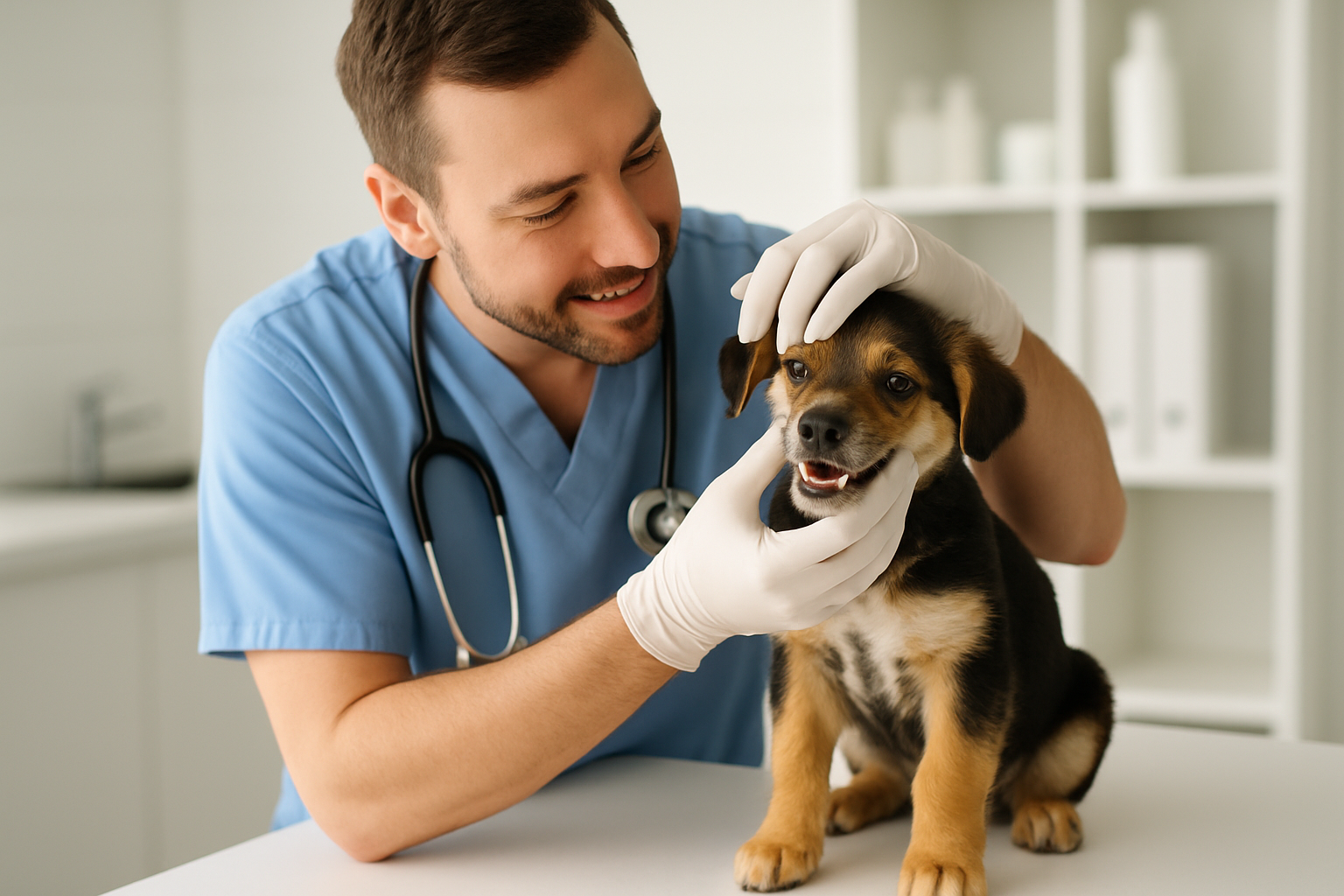
Home care forms the foundation, but professional dental cleanings are non-negotiable. Your veterinarian should examine your puppy's mouth during regular wellness visits, beginning at the first puppy appointment. Most veterinarians recommend scheduling a professional dental cleaning at least annually, though puppies with genetic predisposition to dental disease may need more frequent attention. [1] [2]
What to Expect During a Professional Cleaning
Professional dental cleanings are performed under general anesthesia, allowing your veterinarian complete access to examine and treat all tooth surfaces, including below the gum line where the most damaging tartar accumulates. [4] Before the procedure, your vet will conduct preanesthetic bloodwork to ensure your puppy's liver and kidneys can safely process anesthesia.
During the cleaning, your veterinarian performs a comprehensive tooth-by-tooth examination, charting any problems. They use ultrasonic and hand scalers to remove plaque and tartar above and below the gum line. [2] After scaling, teeth are polished to remove microscopic scratches that would otherwise accelerate future plaque buildup. Many veterinarians apply fluoride treatments and dental sealants to provide additional protection against decay. [2]
Recovery and Aftercare
Most puppies recover from anesthesia within a few hours, though complete recovery may take 24-48 hours. Your puppy may seem groggy and have reduced appetite immediately after the procedure—this is normal. [2] Your veterinarian will provide specific post-operative instructions, including dietary recommendations and activity restrictions.
Recognizing Signs of Dental Problems
Even with excellent preventive care, problems sometimes develop. Knowing the warning signs enables early intervention, preventing serious complications. Contact your veterinarian if your puppy exhibits:
- Reduced appetite or reluctance to eat
- Excessive drooling
- Bad breath (more than typical puppy breath)
- Swelling around the face or jaw
- Difficulty chewing or dropping food from their mouth
- Visible tartar buildup or discolored teeth
- Bleeding or inflamed gums
- Loose or missing teeth
- Behavioral changes like increased irritability or lethargy
Early diagnosis and treatment prevent progression to serious periodontal disease and protect your puppy's overall health. [1]
Creating Your Puppy's Personalized Dental Care Plan
Every puppy is unique, and some breeds are predisposed to specific dental challenges. Brachycephalic breeds (those with flat faces, like Pugs and Bulldogs) often have crowded teeth that require extra attention. [5] Discuss your puppy's individual risk factors with your veterinarian and develop a customized plan addressing their specific needs.
Your plan should include:
- A daily or weekly brushing schedule with specific tools and toothpaste
- Approved dental chews and treats appropriate for your puppy's age
- Recommended dietary choices supporting dental health
- Professional cleaning schedule (typically annually, starting around age 1-2)
- Signs to watch for that warrant immediate veterinary attention
The Long-Term Investment
Establishing dental care habits during puppyhood requires initial effort and consistency, but the payoff extends throughout your dog's life. Puppies who receive regular brushing, dental treats, and professional cleanings develop into adult dogs with healthier teeth, fresher breath, and significantly lower risk of painful dental disease and associated systemic complications.
Beyond the health benefits, good dental care saves money long-term. Preventive care costs far less than treating advanced periodontal disease, which may require multiple extractions and additional veterinary interventions. More importantly, you're giving your puppy the gift of comfort, health, and a higher quality of life.
Remember: your puppy cannot care for their own teeth. They depend entirely on you to establish and maintain the habits that protect their oral health. Start today, stay consistent, and partner with your veterinarian to ensure your puppy's smile remains healthy and bright for years to come.
Sources & References
- https://www.wahpr.com/site/blog/2023/05/18/clean-dog-teeth
- https://www.madisonparkvet.com/site/blog/2023/04/19/dog-dental-care
- https://veterinarydentalcare.com/basic-dog-dental-care-tips/
- https://vcahospitals.com/know-your-pet/dental-cleaning-in-dogs
- https://vetmed.vt.edu/news/2023/pet-dental-care.html