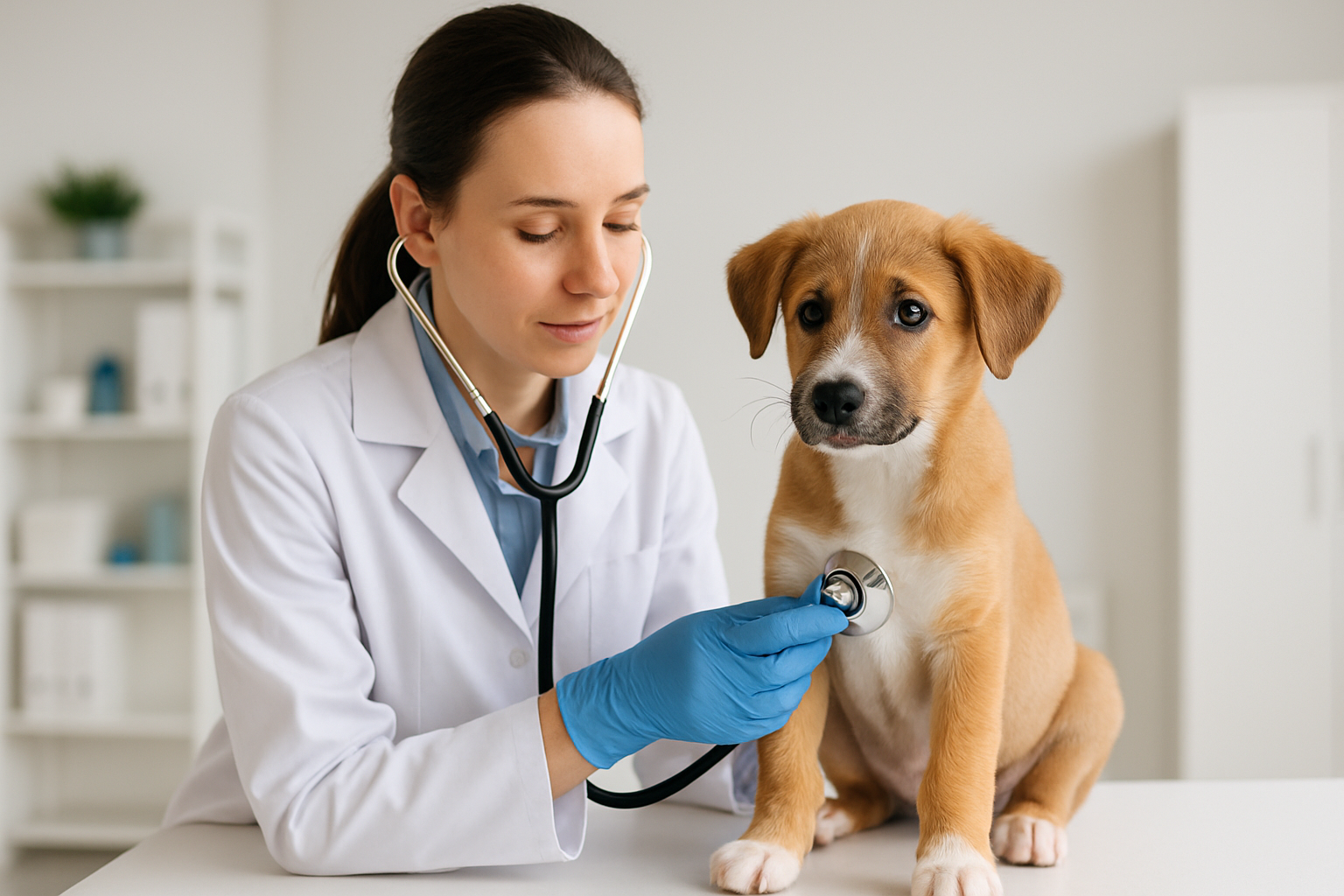
Understanding Puppy Health Vulnerabilities
Puppies are like tiny explorers—curious, energetic, and seemingly invincible. Yet their developing immune systems and inquisitive nature put them at risk for numerous health challenges. Unlike adult dogs, puppies lack fully developed immune defenses and often lack vaccination protection during their earliest weeks. This combination makes them particularly susceptible to infectious diseases, parasites, and gastrointestinal upset.
The good news? Many puppy health issues are preventable or highly treatable when caught early. By learning to recognize warning signs and maintaining regular veterinary care, you can help your puppy thrive during these critical developmental months. [2]
Respiratory Infections: More Than Just a Cough
Respiratory infections represent one of the most common concerns new puppy owners face. These conditions can range from mild annoyances to serious complications, depending on the underlying cause and how quickly treatment begins.
Kennel Cough: The Highly Contagious Culprit
Despite its misleading name, kennel cough doesn't require your puppy to have stayed in a kennel. This infectious respiratory disease spreads wherever puppies congregate—dog parks, training classes, grooming facilities, or even during walks in your neighborhood. The condition stems from exposure to specific viruses and bacteria that inflame the airways. [2]
Warning signs to watch for:
- Persistent dry cough (often described as honking or seal-like)
- Reduced appetite and lethargy
- Mild fever
- Cough that worsens with excitement or exercise
- Phlegm or gagging in advanced cases
Most viral cases resolve within two weeks with supportive care, though bacterial infections require antibiotics prescribed by your veterinarian. [2] Vaccination significantly reduces your puppy's risk of severe infection, making it an important part of their preventive health plan.
Canine Distemper: A Serious Threat
Canine distemper is far more serious than kennel cough and remains one of the most dangerous puppy viruses. This highly contagious disease frequently proves fatal and can cause lasting neurological damage in survivors. [3]
Distemper symptoms include:
- High fever
- Runny eyes and nose discharge
- Coughing and respiratory distress
- Vomiting and diarrhea
- Seizures and paralysis (in advanced cases)
- Brain damage and behavioral changes
Because distemper remains dormant in recovered puppies and can reactivate later in life, causing seizures and other complications, prevention through vaccination is absolutely critical. [2] Puppies showing any distemper symptoms require immediate veterinary hospitalization and intensive supportive care.
Gastrointestinal Issues: When Tummy Troubles Signal Something Serious
Vomiting and diarrhea are remarkably common in puppies. Their naturally inquisitive behavior means they'll eat, chew, and lick nearly anything—including things that upset their developing digestive systems. However, these symptoms can also indicate serious underlying conditions requiring immediate attention. [2]
Distinguishing Minor Upset from Medical Emergency
Not all vomiting and diarrhea requires emergency care, but knowing when to seek help is essential. As a general rule, contact your veterinarian if:
- Your puppy has been vomiting for more than 12 hours
- Diarrhea persists beyond 24 hours
- You notice blood in vomit or stool (seek immediate care)
- Your puppy shows signs of dehydration: sunken eyes, lethargy, or excessive panting
- Vomiting or diarrhea accompanies fever or other symptoms
[2] Dehydration poses the greatest risk during gastrointestinal upset, particularly in young puppies whose bodies contain less fluid reserves than adult dogs.
Parvovirus: A Life-Threatening Emergency
Parvovirus represents one of the most dangerous puppy diseases, particularly for puppies under 12 weeks old. This highly contagious virus is resistant to heat and chemicals, persisting in the environment for up to a year. [2]
Parvovirus progression typically follows this pattern:
- Day 1-2: High fever (often over 104°F)
- Day 3-4: Severe vomiting and bloody diarrhea
- Rapid onset: Dehydration and shock if untreated
Without prompt veterinary intervention, parvovirus quickly becomes life-threatening. Puppies with confirmed parvovirus typically require hospitalization in a quarantine ward, where they receive IV fluids to combat dehydration and antibiotics to prevent secondary bacterial infections like sepsis. [2] With aggressive treatment, most puppies recover within a week, but prevention through vaccination is far superior to treatment.
Other Gastrointestinal Concerns
Gastroenteritis (inflammation of the stomach and intestines) ranks among the most common puppy illnesses, with symptoms including vomiting, diarrhea, lethargy, appetite loss, and abdominal pain. [5] This condition requires veterinary evaluation to rule out serious underlying causes.
Parasitic infections like giardia and coccidia cause similar symptoms and spread through contaminated water, soil, or feces. Both can damage intestinal linings and impair nutrient absorption. [3]
Parasites: Internal and External Threats
Parasites represent a major health concern for puppies, and many can be transmitted from mother to offspring. Regular fecal testing and preventive treatment are essential components of puppy healthcare.
Internal Parasites
Roundworms, hookworms, tapeworms, and whipworms can infect puppies through contaminated soil, feces, or from their mother. [3] Some infected puppies show no symptoms, while others develop severe gastrointestinal problems. Routine fecal testing allows your veterinarian to detect and treat parasites before they cause significant damage. Prevention involves regular deworming protocols and careful fecal cleanup.
Fleas and Ticks: More Than Just Annoying
Fleas and ticks aren't merely uncomfortable—they transmit serious diseases and parasites. Flea allergy dermatitis alone affects approximately 1.8% of dogs, causing excessive scratching, hair loss, and skin infections. [5] Ticks transmit Lyme disease, Rocky Mountain spotted fever, and other tick-borne illnesses that can affect both your puppy and your family.
Preventing flea and tick infestations proves far easier than eliminating established infestations. Work with your veterinarian to select appropriate preventive medications for your puppy's age and weight.
Skin Conditions and Allergies
Puppies frequently develop skin problems, with allergies and dermatitis topping the list of concerns. Environmental allergy cases in dogs have increased 30.7% over the past decade, while flea allergy cases rose 12.5%. [5]
Types of Puppy Allergies
Environmental allergies develop when puppies react to dust, mold spores, grass, or pollen. These often appear seasonal but can cause year-round problems in sensitive puppies.
Food allergies trigger reactions to specific dietary ingredients, causing full-body itchiness, face swelling, chronic ear infections, vomiting, or diarrhea. Identifying the culprit requires an elimination diet and veterinary guidance.
Flea allergy dermatitis develops when a single flea bite causes disproportionate itching and skin inflammation in sensitive puppies. Even rigorous flea prevention becomes necessary.
Dermatitis: The Itchy Inflammation
Dermatitis—chronic inflammatory skin disease—commonly develops in puppies between three months and six years old. Excessive scratching, rubbing, and licking typically affect the ears, ankles, muzzle, groin, and areas between toes and eyes. [5] Severe cases require veterinary medication, while mild cases may respond to anti-itch shampoos and environmental modifications.
Urinary Tract Infections: Often Overlooked in Puppies
Urinary tract infections affect approximately 14% of dogs during their lifetime, and puppies are not exempt. [5] These bacterial infections can be tricky to identify in puppies still learning housetraining, but a previously housetrained puppy suddenly having accidents signals a potential problem.
UTI warning signs include:
- Frequent urination or straining to urinate
- Bloody or cloudy urine
- Excessive licking around the genital area
- Fever
- Accidents in the house despite previous housetraining
Ensuring your puppy drinks plenty of fresh water, maintaining good genital hygiene, and encouraging frequent potty breaks significantly reduce infection risk. [5]
General Warning Signs Your Puppy Needs Veterinary Care
Beyond specific diseases, certain behavioral and physical changes warrant veterinary attention. You know your puppy better than anyone—trust your instincts when something seems off.
Watch for these general warning signs:
- Unexplained changes in activity level or enthusiasm
- Behavioral changes or unusual temperament
- Changes in mobility, limping, or reluctance to move
- Excessive panting or difficulty breathing
- Pale or discolored gums
- Discharge from eyes, nose, or ears
- Excessive drooling or difficulty eating
- Swelling or lumps anywhere on the body
- Straining to defecate or urinate
- Sudden weight loss or gain
[4] Many symptoms of illness are subtle, and pets often mask discomfort until conditions become serious. Regular veterinary wellness visits coupled with age-appropriate diagnostic testing provide your best defense against disease.
When to Seek Immediate Emergency Care
Certain situations demand immediate veterinary attention, even outside regular business hours:
- Severe trauma: Hit by car, falls, or severe injuries
- Difficulty breathing: Choking, gasping, or respiratory distress
- Inability to stand or paralysis: Sudden loss of mobility
- Uncontrollable bleeding: Especially from nose, mouth, or rectum
- Seizures: Convulsions or loss of consciousness
- Severe dehydration: Sunken eyes, extreme lethargy, or unresponsiveness
- Abdominal distension: Bloated, hard, or painful abdomen
- Loss of consciousness or collapse
When in doubt, contact your veterinarian. They can help determine whether your puppy needs immediate care or can wait for a regular appointment. [4]
Building Your Puppy's Health Foundation
While understanding common health issues is important, prevention remains the most powerful tool in your puppy care arsenal. Follow these essential practices:
- Maintain vaccination schedule: Core vaccines protect against distemper, parvovirus, and rabies. Follow your veterinarian's recommended timeline.
- Provide preventive medications: Heartworm prevention, flea/tick prevention, and deworming protect against parasites.
- Offer quality nutrition: Puppy-specific food supports proper growth and immune development.
- Ensure regular exercise: Age-appropriate activity promotes physical and mental health.
- Schedule wellness visits: Regular veterinary check-ups catch problems early.
- Practice good hygiene: Regular cleaning of food bowls, bedding, and living areas reduces disease transmission.
- Limit exposure: Avoid high-risk areas until your puppy completes their vaccination series.
- Maintain records: Keep detailed notes of symptoms, medications, and veterinary visits.
Final Thoughts: Trust Your Instincts
Puppyhood flies by, and most puppies grow into healthy, happy adult dogs. However, the first year of life involves significant vulnerability to various health threats. By familiarizing yourself with common puppy health issues, recognizing warning signs, and maintaining a strong partnership with your veterinarian, you're giving your puppy the best chance at a long, healthy life.
Remember that subtle changes often indicate problems long before obvious symptoms appear. Your puppy can't tell you they're feeling unwell, so vigilant observation and prompt veterinary attention when something seems amiss are your most valuable tools. When you combine knowledge with proactive care, you create the ideal environment for your puppy to thrive.