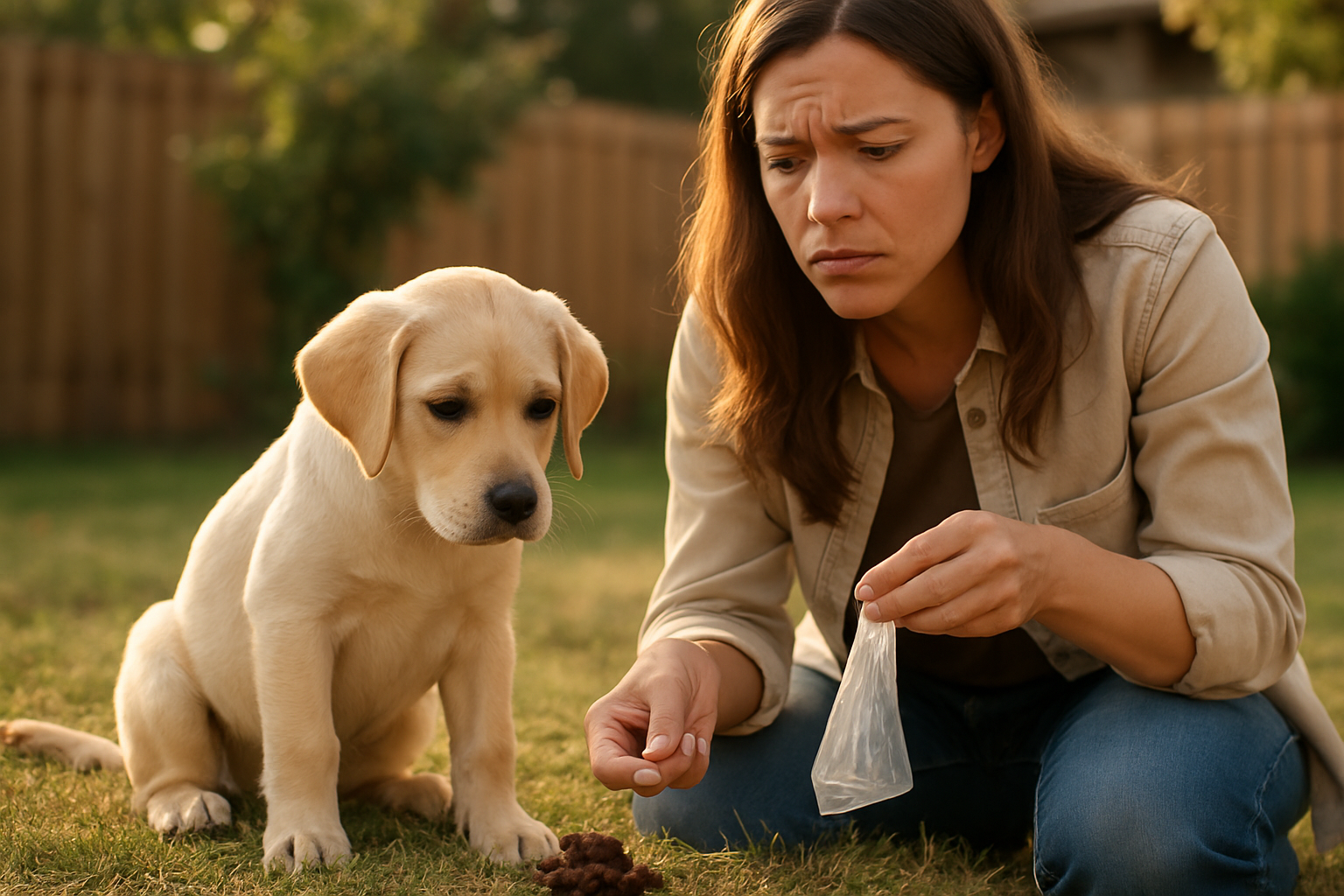
Puppy diarrhea and loose stools are among the most common issues new puppy parents encounter. While occasional soft stool can be normal as puppies adjust to their new environment and diet, persistent diarrhea requires your attention.[1] Diarrhea isn't a disease itself—it's your puppy's body signaling that something in their digestive system needs attention. When a puppy has diarrhea, their intestines aren't absorbing water properly, which means waste passes through too quickly.[2] This guide walks you through identifying the problem, understanding what's causing it, and implementing effective treatment strategies to restore your pup's digestive health.
Understanding Puppy Diarrhea: More Than Just an Unpleasant Surprise
Bringing a new puppy home is thrilling, but it also comes with unexpected challenges. One of the most common issues new puppy parents face is loose or watery stools. While occasional soft stool can be normal as puppies adjust to their new environment and diet, persistent diarrhea requires your attention and action. [1]
Here's the important thing to understand: diarrhea isn't a disease itself—it's your puppy's body signaling that something in their digestive system needs attention. When a puppy has diarrhea, their intestines aren't absorbing water properly, which means waste passes through too quickly. [2] This seemingly minor issue can escalate quickly in young puppies, making early recognition and intervention crucial.
Why Your Puppy Has Diarrhea: Common Culprits
Understanding what's causing your puppy's digestive upset is the first step toward resolution. Puppies have sensitive digestive systems, and several factors can trigger diarrhea:
- Dietary Changes: Switching food too quickly is one of the most common reasons puppies develop diarrhea. Their gut bacteria need time to adjust to new ingredients. [4]
- Dietary Indiscretion: Puppies are curious creatures that eat things they shouldn't—garbage, table scraps, excessive treats, or contaminated food. [2]
- Parasites: Intestinal parasites like roundworms and hookworms are extremely common in puppies and frequently cause loose stools. [4]
- Infections: Viral or bacterial infections can disrupt normal digestive function. [2]
- Stress and Anxiety: Moving to a new home, meeting new people, or other environmental changes can trigger stress-related diarrhea in sensitive puppies. [2]
- Food Allergies or Sensitivities: Some puppies have naturally sensitive digestive systems or allergies to specific ingredients. [1]
- Other Medical Conditions: Inflammatory bowel disease, pancreatitis, colitis, or toxin ingestion can cause diarrhea and require veterinary diagnosis. [2]
Reading the Signs: What Your Puppy's Stool Is Telling You
As unpleasant as it sounds, examining your puppy's stool provides valuable diagnostic information. The color, consistency, and presence of other materials can indicate what's happening inside their digestive system. [2]
Pay attention to these specific indicators:
- Consistency: Is it slightly soft, mushy, or completely liquid? Mild looseness differs from severe watery diarrhea.
- Color: Normal stool is brown. Yellow or tan stools might indicate a dietary issue, while gray or pale stools could suggest pancreatic problems.
- Blood: Bright red blood suggests lower intestinal bleeding, while black, tarry stool (called melena) indicates upper digestive tract bleeding and requires immediate veterinary attention. [4]
- Frequency: Is your puppy having more bowel movements than usual? Increased frequency often accompanies diarrhea.
- Urgency: Does your puppy struggle to control their bowels or seem uncomfortable during elimination?
Keep a mental note of these details—your veterinarian will want this information, and bringing a fresh stool sample to your appointment helps with diagnosis. [4]
When to Worry: Red Flags That Demand Veterinary Attention
Not all puppy diarrhea requires an emergency vet visit, but certain warning signs mean you shouldn't wait. Because puppies are smaller and have less physiological reserve than adult dogs, they can deteriorate quickly. [2]
Seek veterinary care immediately if your puppy shows:
- Diarrhea lasting longer than 48 hours [4]
- Black, tarry stools or large amounts of bright red blood [2]
- Vomiting in addition to diarrhea [4]
- Lethargy or unusual tiredness [4]
- Loss of appetite or refusal to eat [4]
- Abdominal pain (sensitivity when you touch their belly, hunched posture, or whining) [2]
- Signs of dehydration (dry gums, sunken eyes, skin that doesn't bounce back when gently pinched) [4]
- Fever or other signs of illness
The dehydration risk is particularly serious with puppies. Diarrhea causes water loss, and when combined with vomiting, dehydration accelerates rapidly. Severe dehydration leads to electrolyte imbalances, kidney strain, and potentially organ failure. [4]
Home Treatment: What You Can Do Right Now
If your puppy has mild diarrhea and shows no warning signs, you can implement home management strategies. Many cases of mild diarrhea resolve within two to four days with basic care. [2]
Step 1: The Brief Fast
Start by giving your puppy's digestive system a rest. Withhold all food for 12 to 24 hours while continuing to offer water. [4] This allows the intestinal lining to calm down and reduces the workload on their digestive system. However, never restrict water—hydration is critical.
Step 2: Introduce a Bland Diet
After the fasting period, introduce easily digestible foods that won't stress the intestines. Cornell's veterinary experts recommend: [4]
- Boiled chicken (skinless and boneless)
- Low-fat hamburger (cooked and drained)
- White rice
- Cooked pasta (plain, no sauce)
Feed small portions frequently (three to four times daily) rather than one large meal. Start with about 25% of their normal daily food amount and gradually increase over several days as stools firm up. These bland foods are gentle on the digestive system but aren't nutritionally complete, so they're only for short-term use. [4]
Step 3: Avoid Problem Foods
While your puppy recovers, eliminate treats, table scraps, and rich foods entirely. Even small amounts of high-fat foods can perpetuate diarrhea. [4] If you suspect a specific food caused the diarrhea, avoid it during recovery.
Step 4: Gradual Transition Back to Normal Food
Once stools have firmed up, don't immediately return to regular food. If you're transitioning to a new food, do it gradually over one to two weeks, increasing the new food percentage each day. [4] For example: 75% old food with 25% new on day one, 50/50 on day two, and so on. This slow transition gives your puppy's gut bacteria time to adjust.
Supplements and Supportive Care
Beyond dietary management, certain supplements can support recovery:
Probiotics: Restoring Gut Health
Probiotics are beneficial bacteria that help rebalance your puppy's intestinal flora. These living microorganisms come as powders, capsules, or chews available at pet stores. [2] They can help speed recovery by restoring the healthy bacteria that diarrhea disrupts. Ask your veterinarian which probiotic formulation is appropriate for your puppy's age and size.
Hydration Support
Ensure constant access to fresh water. If your puppy seems reluctant to drink, offer small amounts frequently. Some puppies respond better to water offered in a different bowl or location. If dehydration seems severe, your veterinarian may recommend electrolyte solutions or IV fluids.
When Your Vet Prescribes Treatment: What to Expect
If home management doesn't resolve diarrhea within 48 hours, or if your puppy shows warning signs, your veterinarian will conduct a thorough examination and may recommend diagnostic testing.
Diagnostic Steps
Your vet will likely examine a stool sample to check for parasites or abnormal bacteria. Blood work might be recommended if they suspect systemic illness. [4]
Prescription Treatment Options
Treatment depends on the underlying cause. Your veterinarian may prescribe:
- Prescription Gastrointestinal Diets: Specially formulated to be highly digestible and support intestinal healing. [4]
- Deworming Medications: If parasites are identified or suspected. [4]
- Veterinary Probiotics: Professional-grade formulations more potent than over-the-counter options. [4]
- Anti-nausea or Anti-diarrheal Medications: Used selectively and only when appropriate for the specific cause. [4]
- Gastroprotectants: Medications that protect the intestinal lining.
- Fluids: If dehydration is present, intravenous or subcutaneous fluids may be administered. [4]
Important Note About Over-the-Counter Medications
While medications like Imodium (loperamide) are available without prescription, never give them to your puppy without explicit veterinary approval. These medications aren't safe for all dogs and can interfere with your puppy's body's natural healing process. [2] Similarly, avoid human medications like Pepto Bismol unless your vet specifically directs you to use them. [4]
Interestingly, modern evidence-based guidelines suggest that antibiotics—historically used routinely for diarrhea—aren't necessary for most cases of acute diarrhea in puppies. Most puppies recover despite treatment rather than because of it. Antibiotics are reserved for severe cases with systemic infection. [5]
Prevention: Setting Your Puppy Up for Success
While you can't prevent every case of diarrhea, several proactive measures significantly reduce risk:
Nutrition Management
- Choose high-quality puppy food appropriate for your breed and size
- Maintain consistent feeding schedules
- Introduce any new foods gradually over 7-14 days
- Avoid table scraps and excessive treats
Parasite Prevention
- Follow your veterinarian's deworming schedule (typically every 2 weeks until 12 weeks old, then monthly until 6 months)
- Use monthly heartworm and intestinal parasite preventatives year-round
- Maintain a clean living environment, removing feces promptly
Vaccination and Health Monitoring
- Keep vaccination appointments on schedule [1]
- Schedule regular veterinary check-ups to catch health issues early [1]
- Monitor stool consistency regularly as an indicator of overall health [1]
Environmental Management
- Prevent access to garbage, contaminated food, or toxic substances
- Minimize stress through gradual exposure to new environments and people
- Maintain good hygiene practices, especially when introducing new puppies to established dogs
Special Considerations for Different Situations
Food Transition Diarrhea
If diarrhea started immediately after switching food, return to the previous diet until stools firm up, then restart the transition more gradually. [4] This is one of the easiest types of diarrhea to prevent.
Stress-Related Diarrhea
New puppies in new homes often experience stress-related loose stools. This typically resolves as they adjust. Maintain routine, provide a safe space, and avoid overwhelming situations while they acclimate. [2]
Chronic or Recurring Diarrhea
If your puppy experiences diarrhea on and off for weeks or months, underlying issues like food sensitivity, inflammatory bowel disease, or chronic parasites may be present. Work with your veterinarian to identify the cause through elimination diets or additional testing. [1]
Key Takeaways: Your Action Plan
Puppy diarrhea is common, but it's not something to ignore. Here's your quick reference guide:
- Mild cases: Implement home care (fasting, bland diet) and monitor closely
- Persistent or severe cases: Contact your veterinarian within 24-48 hours
- Emergency situations: Seek immediate veterinary care for bloody stools, vomiting, lethargy, or signs of dehydration
- Prevention: Gradual food transitions, parasite prevention, proper nutrition, and regular vet visits reduce diarrhea risk
- Remember: Every puppy is unique. When in doubt, consult your veterinarian for guidance tailored to your puppy's specific needs. [1]
By understanding what causes puppy diarrhea, recognizing warning signs, and implementing appropriate treatment, you're setting your new companion up for a healthy, happy life. Most cases resolve quickly with proper care, and you'll soon forget these early digestive challenges ever happened.
Sources & References
- https://faithfulfriendsvetclinic.com/puppy-has-diarrhea/
- https://www.kinship.com/dog-health/vet-advice-treating-your-dogs-diarrhea
- https://www.vet.cornell.edu/departments-centers-and-institutes/riney-canine-health-center/canine-health-information/diarrhea
- https://www.wormsandgermsblog.com/2025/02/articles/animals/dogs/canine-acute-diarrhea-treatment-infographic/