Why Puppy Vaccinations Matter More Than You Think
When your puppy first arrives home, they might seem invincible. But the truth is, they're at their most vulnerable. While your puppy received some protective antibodies from their mother during nursing, these maternal antibodies fade quickly—typically between 5 and 7 weeks of age. [2] This creates a critical window where your puppy needs vaccinations to build their own immune defense system. [1]
Think of vaccinations like training sessions for your puppy's immune system. Vaccines introduce disease-causing organisms in a safe, controlled form, allowing your pup's body to recognize and fight off these threats if they encounter them in real life. [2] Without this protection, your puppy faces exposure to serious, potentially fatal diseases that are entirely preventable.
The financial and emotional costs of treating vaccine-preventable diseases far exceed the cost of vaccination itself. Diseases like parvovirus and distemper can be devastating—and in many cases, fatal. Staying on schedule with vaccinations is genuinely one of the most cost-effective health decisions you can make for your puppy. [3]
Understanding Core vs. Non-Core Vaccines
Not all vaccines are created equal, and your veterinarian won't recommend the same vaccines for every puppy. The veterinary community divides puppy vaccines into two categories, each serving a different purpose in your pup's health plan.
Core Vaccines: The Non-Negotiables
Core vaccines are essential for every single puppy, regardless of lifestyle or location. These vaccines protect against the most serious, highly contagious diseases that pose significant health risks. [5] According to the American Animal Hospital Association (AAHA), core vaccines include:
- Distemper (Canine Distemper Virus): This highly contagious virus spreads through direct contact with infected dogs and is often fatal. Approximately 50% of infected dogs don't survive. [2] There is no cure, making prevention through vaccination absolutely critical. Your puppy will need a series of distemper vaccinations until around 16 weeks old, followed by a first-year booster and then boosters every three years. [2]
- Adenovirus (Hepatitis): The adenovirus vaccine protects against two strains: CAV-1, which causes infectious hepatitis, and CAV-2, which contributes to kennel cough. The hepatitis virus inflames the liver and spreads through bodily waste and discharge from infected animals. Early vaccination is crucial since maternal antibodies for CAV-1 begin fading between 5 and 7 weeks of age. [2]
- Parainfluenza: This virus causes serious respiratory infections in dogs and is a common contributor to kennel cough. While symptoms might start mild, parainfluenza becomes more severe when combined with other respiratory pathogens. [2]
- Parvovirus (Parvo): Parvovirus is a deadly, highly contagious disease that attacks a puppy's gastrointestinal system. This is one of the diseases most veterinarians emphasize protecting against early and consistently. [2]
- Rabies: Rabies is required by law in most states and is 100% fatal once clinical symptoms appear. This vaccine protects not only your puppy but also your family and community. [4]
Many veterinarians combine several core vaccines into one injection. You'll often hear terms like DHPP or DAP, which refer to combination vaccines protecting against Distemper, Hepatitis (Adenovirus), Parainfluenza, and Parvovirus. [1]
Non-Core Vaccines: Lifestyle-Based Protection
Non-core vaccines, sometimes called "lifestyle" vaccines, are optional but may be strongly recommended depending on your individual puppy's circumstances. [5] Your veterinarian will assess your puppy's risk factors based on:
- Geographic location and local disease prevalence
- Planned activities and social exposure
- Time spent around other dogs
- Age and overall health status
Common non-core vaccines include:
- Bordetella (Kennel Cough): If your puppy will attend daycare, boarding facilities, dog parks, or grooming appointments, your vet will likely recommend this vaccine. [4]
- Lyme Disease: Recommended in areas where deer ticks are prevalent. [4]
- Canine Influenza: Recommended for puppies with frequent exposure to other dogs in close quarters.
Your veterinarian is your best resource for determining which non-core vaccines make sense for your puppy's lifestyle and location. [3]
The Puppy Vaccination Timeline: Week by Week
Timing matters tremendously with puppy vaccinations. Starting too late leaves your puppy vulnerable, while understanding the schedule helps you plan your veterinary visits and budget accordingly.
Age 6-8 Weeks: The First Round
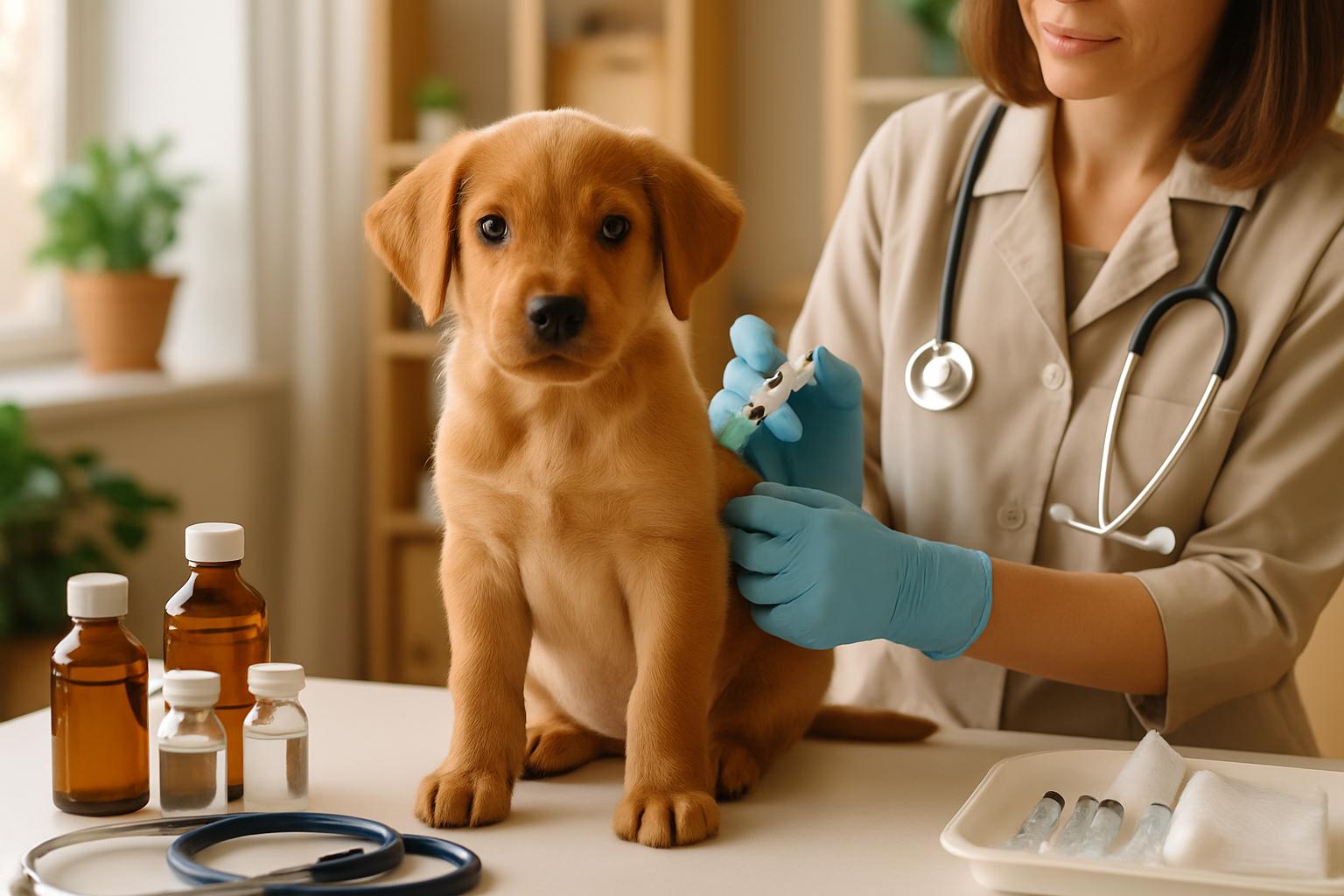
Your puppy's vaccination journey typically begins between 6 and 8 weeks of age. [2] If you're adopting from a reputable breeder or shelter, they may have already administered the first round. If not, this is your priority after bringing your puppy home.
At this appointment, your veterinarian will:
- Conduct a thorough health examination
- Administer the first DHPP or combination vaccine
- Possibly give the first rabies vaccine (depending on your vet's protocol)
- Discuss deworming and parasite prevention
- Answer questions about nutrition, socialization, and training
Age 10-12 Weeks: The Second Round
Approximately 3-4 weeks after the first vaccination, your puppy receives their second round. [2] This booster strengthens their immune response and ensures protection against all targeted diseases. Your vet may also administer additional vaccines based on your puppy's risk profile.
Age 14-16 Weeks: The Third Round
The final puppy vaccination series typically occurs between 14 and 16 weeks of age. [2] This completes the initial vaccination protocol and significantly boosts your puppy's immunity. If your puppy hasn't received their rabies vaccine yet, it's usually administered at this visit.
Age 1 Year: The Critical First Booster
One year after your puppy's initial vaccination series, they receive their first booster shots. This is not optional—it's essential for maintaining immunity. Your veterinarian will typically readminister the DHPP vaccine and rabies vaccine. [4]
Year 2 and Beyond: Ongoing Protection
After the first year booster, vaccination frequency depends on your veterinarian's recommendations and your region. Some vets recommend annual boosters, while others follow a three-year schedule for certain vaccines. [4] The rabies vaccine is often given every 1-3 years depending on your state's requirements and the vaccine formulation used. Your veterinarian will establish a personalized schedule that keeps your adult dog protected throughout their life.
Why Timing Is Critical: Understanding the Immunity Window
You might wonder why puppies need multiple vaccine appointments spaced weeks apart. The answer lies in maternal antibodies and immune system development.
Puppies inherit protective antibodies from their mother's milk, but these antibodies gradually decline. The problem is that this decline happens at different rates for different diseases, and we can't predict exactly when each puppy's maternal antibodies will disappear. [2] Meanwhile, your puppy's own immune system is still developing and learning to create its own antibodies.
This creates a vulnerable window—the space between when maternal antibodies fade and when the puppy's immune system is fully trained. By giving vaccines in a series spaced 3-4 weeks apart, we ensure that as soon as maternal antibodies drop below protective levels, the next vaccine is ready to step in and provide protection. [2] Skipping appointments or delaying vaccines can leave your puppy dangerously unprotected during this critical period.
Potential Vaccine Reactions and What to Expect
Most puppies tolerate vaccinations exceptionally well. Dog vaccines are considered very safe, and serious side effects are rare. [3] However, it's helpful to know what mild reactions might occur and when to contact your veterinarian.
Common, Mild Reactions
- Slight lethargy or tiredness for 24-48 hours
- Mild loss of appetite
- Slight swelling at the injection site
- Low-grade fever
These reactions typically resolve on their own within a day or two and don't require treatment.
When to Contact Your Veterinarian
Contact your vet immediately if your puppy experiences:
- Severe allergic reactions (facial swelling, difficulty breathing, collapse)
- Persistent vomiting or diarrhea
- Severe lethargy or inability to stand
- Signs of pain or distress
Certain breeds, including German Shepherds, Collies, and some sheepdogs, may be sensitive to specific vaccine ingredients. [3] If your puppy has a known sensitivity, inform your veterinarian so they can select appropriate vaccines or adjust your puppy's vaccination protocol.
Special Circumstances: When Schedules Change
While the standard vaccination schedule works for most puppies, some situations require modifications. Your veterinarian may adjust or skip certain vaccines if:
- Your puppy is too young to safely receive certain vaccines
- Your puppy has a compromised immune system
- Your puppy is a senior dog with health complications
- Your puppy has experienced previous vaccine reactions
- Your puppy is currently sick or showing symptoms of illness
This is why working closely with your veterinarian is essential. They understand your puppy's individual health status and can create a customized vaccination plan that provides optimal protection while considering any health concerns. [1]
Cost Considerations and Financial Planning
Understanding vaccination costs helps you budget for your puppy's first year of care. The national average cost of a single dog vaccine ranges from $27 to $96, depending on the vaccine type, clinic location, and brand used. [4] Costs vary by region and individual veterinary practices.
Your complete puppy vaccination series (typically three to four visits) might cost anywhere from $150 to $400 or more, depending on:
- Number of vaccines administered
- Whether non-core vaccines are included
- Veterinary examination fees
- Deworming and parasite prevention products
- Your geographic location
While this might seem like a significant expense, it's considerably less than treating vaccine-preventable diseases. A single case of parvovirus can cost thousands of dollars in emergency veterinary care, and many cases are fatal despite treatment. [3]
Creating Your Puppy's Vaccination Record
Keep detailed records of your puppy's vaccinations. You'll need this documentation for:
- Boarding facilities and doggie daycare
- Training classes and dog parks
- Travel and relocation
- Future veterinary care
- Legal requirements in some jurisdictions
Ask your veterinarian for a vaccination certificate at each appointment. Many vets now provide digital records accessible through patient portals, making it easy to access your puppy's vaccination history anytime.
Building Community Immunity Through Vaccination
Your decision to vaccinate your puppy extends beyond personal protection. When puppies and dogs in a community are vaccinated, it creates "herd immunity"—a protective effect that reduces disease transmission throughout the entire dog population. [2] This is particularly important in settings like kennels, daycare facilities, and dog parks where multiple dogs interact closely. By vaccinating your puppy, you're protecting not only your own dog but also vulnerable puppies and immunocompromised dogs in your community.
Your Action Plan: Next Steps
Ready to protect your puppy? Here's what to do immediately:
- Schedule a veterinary appointment: Contact your veterinarian this week to schedule your puppy's first wellness visit if you haven't already.
- Gather information: If your puppy came from a breeder or shelter, ask for records of any vaccines already administered.
- Discuss lifestyle factors: During your first appointment, discuss your puppy's planned activities and lifestyle with your vet to determine which non-core vaccines make sense.
- Mark your calendar: Schedule all recommended booster appointments in advance to ensure you don't miss critical vaccination windows.
- Keep records organized: Create a system for storing vaccination records, whether digital or physical.
- Plan your budget: Understand the total cost of your puppy's vaccination series so you can plan accordingly.
Final Thoughts: Investing in Your Puppy's Future
The vaccination appointments during your puppy's first year might feel like a lot of vet visits, but they're genuinely one of the most important investments you'll make in your puppy's health. By following the recommended vaccination schedule, you're providing your puppy with a solid foundation for a long, healthy, and happy life free from preventable diseases. [1]
Your veterinarian is your partner in this process. They'll guide you through the schedule, answer your questions, and adjust recommendations based on your individual puppy's needs. Trust the process, stay on schedule, and you'll give your puppy the best possible start.
Sources & References
- https://www.houstoncountyanimalclinic.com/site/blog/2023/09/15/puppy-shots-schedule
- https://www.pumpkin.care/post/puppy-vaccine-schedule
- https://www.wellesleynatickveterinaryhospital.com/site/blog/2023/12/15/puppy-shots-schedule
- https://www.carecredit.com/well-u/pet-care/vaccination-timeline-for-dogs-and-puppies/
- https://www.bowmanvet.com/blog/shots-schedule-a-complete-guide-to-puppy-and-kitten-vaccinations/