Understanding Puppy Sleep: Why So Much Rest?
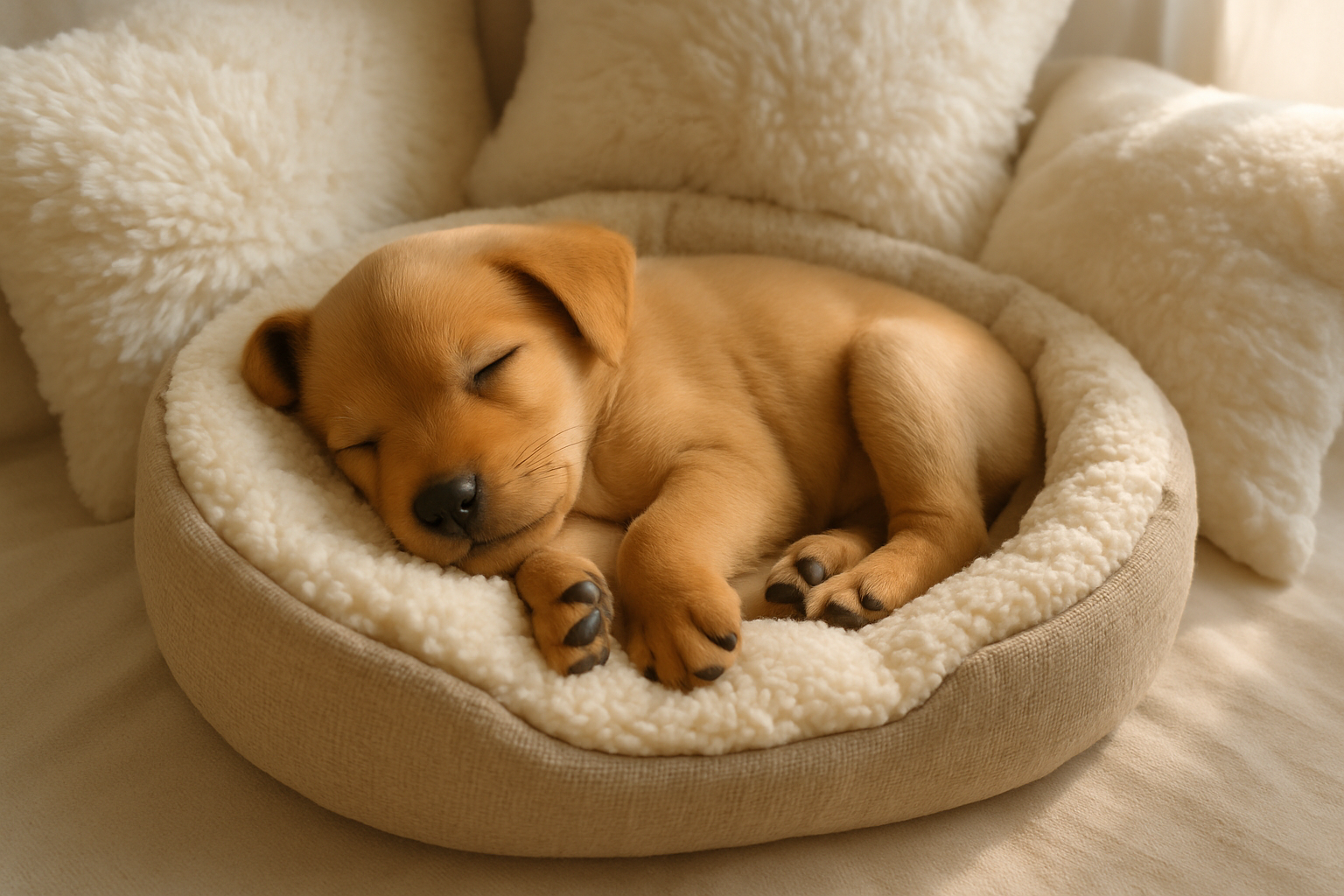
If you've recently brought home a puppy, you might be amazed—or perhaps relieved—by how much time your little furball spends snoozing. Unlike the boundless energy you might expect from a young dog, puppies actually spend the majority of their day sleeping. This isn't laziness; it's essential biology. [1]
Sleep isn't just downtime for puppies—it's when the real work of growing happens. During these rest periods, your puppy's body is building bones, strengthening muscles, developing their brain, and establishing their immune system. Think of sleep as your puppy's primary job during their first months of life. [2]
The amount of sleep your puppy needs directly correlates with their developmental stage. A newborn puppy requires vastly different amounts of rest compared to a four-month-old, and understanding these differences helps you provide appropriate care and recognize when something might be wrong.
How Much Sleep Do Puppies Need by Age?
Sleep requirements change dramatically as puppies mature. Here's what you can expect at different stages:
Newborn to 2 Weeks Old
Newborn puppies are essentially sleeping machines. They spend approximately 90% of their time—roughly 22 hours out of every 24—sleeping or nursing. [1] At this stage, puppies are entirely dependent on their mother and have minimal awareness of their surroundings. Their eyes and ears are closed, and their primary activities are eating and resting. Creating a warm, quiet, and secure environment is critical during this period, as newborns cannot regulate their own body temperature effectively. [5]
7-8 Weeks Old
By the time most puppies come home to their new families, they need approximately 18-20 hours of sleep per day. [1] At this age, puppies are beginning to explore their world, but they still require nearly constant rest to support their rapid growth and adaptation to new surroundings. This is when establishing a consistent sleep routine becomes especially important, as your puppy is adjusting to life away from their mother and littermates.
12 Weeks (3 Months) Old
Three-month-old puppies typically need around 18 hours of sleep daily. [3] At this stage, puppies are more engaged during their waking hours—learning commands, socializing with people and other animals, and exploring their environment. However, they still require substantial rest to process all this new information and continue their physical development.
4-5 Months Old
As puppies reach four months, their sleep needs begin to decrease slightly to around 11-12 hours per day. [1] However, this doesn't mean they're sleeping less overall—rather, they're becoming more efficient sleepers. Four-month-old puppies are significantly more active and engaged, but they still need frequent naps throughout the day to recharge.
5+ Months Old
By five months and beyond, puppies typically require 10-11 hours of sleep daily, approaching adult sleep patterns. [1] At this stage, puppies often develop more predictable sleep schedules, with longer nighttime sleep and shorter daytime naps, though individual variation remains significant based on breed, activity level, and temperament.
The Polyphasic Sleep Pattern: Understanding Puppy Nap Schedules
One key difference between puppies and adult dogs is their sleep pattern. Puppies are "polyphasic sleepers," meaning they sleep in multiple short bursts throughout the day and night rather than one long consolidated period. [3] A young puppy might nap every hour or so, sleeping anywhere from 30 minutes to two hours at a time. [2]
This fragmented sleep schedule isn't abnormal—it's developmentally appropriate. Puppies will naturally nap after playing, eating, or meeting new people and animals. These frequent naps serve an important purpose: they allow your puppy to process new experiences and information while conserving energy for growth.
As puppies mature into young adults, they gradually transition to a more "diurnal" sleep pattern, sleeping longer during nighttime hours with shorter naps during the day, similar to adult dogs. [3] This transition typically occurs gradually over several months.
Why Puppies Need More Sleep Than Adult Dogs
The dramatic difference between puppy and adult dog sleep requirements isn't arbitrary. Several critical developmental processes depend on adequate rest:
- Brain Development: Your puppy's brain processes and consolidates new information while sleeping. Puppies that receive sufficient sleep demonstrate better focus, improved learning capacity, and more stable emotions. [3]
- Physical Growth: Sleep is when growth hormones peak and your puppy's body builds the infrastructure for adulthood. Proper rest ensures healthy bone development, muscle growth, and proper maturation of body systems. [2]
- Immune System Maturation: Sleep strengthens your puppy's immune function, helping them fight off illness and recover from vaccines. Puppies with inadequate sleep are more susceptible to infections and illness. [3]
- Energy Conservation: Growing requires enormous amounts of energy. Sleep allows your puppy to conserve calories and direct them toward development rather than activity. [1]
Establishing a Healthy Puppy Sleep Routine
While puppies will naturally sleep when they need to, you can support healthy sleep habits by creating structure and consistency:
Create a Designated Sleep Space
Establish a specific area where your puppy sleeps—ideally a properly-sized crate or enclosed dog bed. [2] This designated space serves multiple purposes: it provides security and comfort, aids in house training, and helps your puppy understand that certain locations are for rest. During the first few weeks, place the sleep area in your bedroom so your puppy knows they're not alone in this new environment. [4]
Make the Sleep Area Comfortable
Line your puppy's crate or bed with soft, washable bedding. If possible, include something with your scent or a blanket that smells like their mother or littermates. [2] For very young puppies, a warm water bottle wrapped in a towel can mimic the comfort of snuggling with littermates and promote better sleep. [1] Avoid wool blankets that could be chewed into dangerous strings, and steer clear of choking hazards.
Establish a Consistent Bedtime Routine
Puppies thrive on predictability. Establish a calming pre-sleep routine: [4]
- Feed your puppy their last meal at least three hours before bedtime
- Take a final potty break about an hour before sleep
- Engage in gentle play rather than high-energy activities
- Dim the lights and reduce noise in the environment
- Use soothing music or white noise if desired [1]
Manage Daytime Naps Strategically
Don't prevent your puppy from napping during the day. Instead, encourage naps in a quiet, designated area when you notice signs of tiredness. [1] If your household is noisy or stimulating, your puppy may struggle to nap, so creating a calm space supports their sleep needs. Many puppies benefit from having someone nearby until they fall asleep initially. [4]
Balance Activity and Rest
Plan your puppy's day so that active periods are followed by quiet time for sleep. Puppies will typically be ready for a nap after playtime, meals, or social interaction. [2] However, avoid letting your puppy become overtired—excessive stimulation and exhaustion can lead to behavioral problems like excessive barking, biting, or hyperactivity. When you notice your puppy getting tired, guide them to their sleep space.
Nighttime Sleep and Potty Training Challenges
One of the most common challenges new puppy parents face is nighttime sleep disruption due to bathroom needs. Young puppies have limited bladder control and typically need to eliminate every two to four hours. [4] Most puppies can't reliably sleep through the night until around four to five months of age, when their bladder capacity has developed sufficiently. [1]
If your puppy cries during the night, first assess whether they need a potty break. If it's been several hours since their last bathroom trip, take them outside calmly and quietly—this isn't playtime. [4] Immediately return them to their crate for sleeping. This teaches your puppy that nighttime is for sleeping, not for fun activities.
If your puppy has recently gone to the bathroom but is still crying, comfort them gently with your voice without exciting them. Sitting quietly nearby until they fall asleep is often more effective than picking them up or letting them out of the crate, which can reinforce the crying behavior. [4]
Signs Your Puppy Might Not Be Getting Enough Sleep
While puppies naturally sleep when they need to, several factors can interfere with healthy sleep patterns. Watch for these warning signs: [3]
- Decreased appetite or refusal to eat normally
- Reduced activity levels during waking hours
- Excessive irritability or behavioral problems
- Difficulty focusing or learning new commands
- Increased susceptibility to illness
If you notice persistent sleep issues or signs of sleep deprivation, consult your veterinarian to rule out underlying health problems such as teething discomfort, parasites, or other medical conditions. [3]
Individual Variation: Every Puppy Is Different
While the guidelines provided give you a solid framework, remember that individual puppies have unique sleep needs. Factors affecting sleep requirements include: [1]
- Breed: Larger breed puppies often need more sleep than smaller breeds
- Activity Level: More active puppies may need additional rest to recover
- Diet Quality: Proper nutrition supports better sleep quality
- Temperament: Some puppies are naturally more energetic than others
- Environmental Factors: Stress, noise, and temperature affect sleep quality
The best approach is to observe your specific puppy and adjust expectations based on their individual patterns. Keeping a log of your puppy's sleeping cycles can help you identify their unique rhythm and optimize their routine accordingly. [3]
The Long-Term Benefits of Establishing Good Sleep Habits
The effort you invest in establishing healthy sleep routines during puppyhood pays dividends throughout your dog's life. Puppies that develop good sleep habits transition more smoothly into adulthood and are more likely to maintain healthy sleep patterns as they age. Additionally, a consistent sleep routine supports better house training, reduces behavioral problems, and strengthens the bond between you and your puppy. [2]
Key Takeaways: Puppy Sleep Essentials
- Puppies need 16-20 hours of sleep daily, depending on age, with newborns requiring nearly 22 hours
- Sleep is critical for brain development, immune system maturation, and physical growth
- Puppies follow a polyphasic sleep pattern with frequent short naps rather than consolidated sleep
- Establish a designated sleep space, consistent routine, and calm environment to support healthy sleep
- Nighttime waking is normal until 4-5 months of age due to bladder capacity limitations
- Individual puppies have varying sleep needs based on breed, activity level, and temperament
- Monitor for signs of sleep deprivation and consult your veterinarian if concerned
- The sleep habits you establish now set the foundation for a lifetime of healthy rest
Sources & References
- https://www.embracepetinsurance.com/waterbowl/article/how-much-do-puppies-sleep
- https://www.akc.org/expert-advice/health/how-much-do-puppies-sleep/
- https://www.pumpkin.care/post/how-much-do-puppies-sleep
- https://www.petmd.com/dog/general-health/puppy-sleep-schedule
- https://vcahospitals.com/know-your-pet/puppy-raising