Welcome to Puppy Parenthood: What to Expect
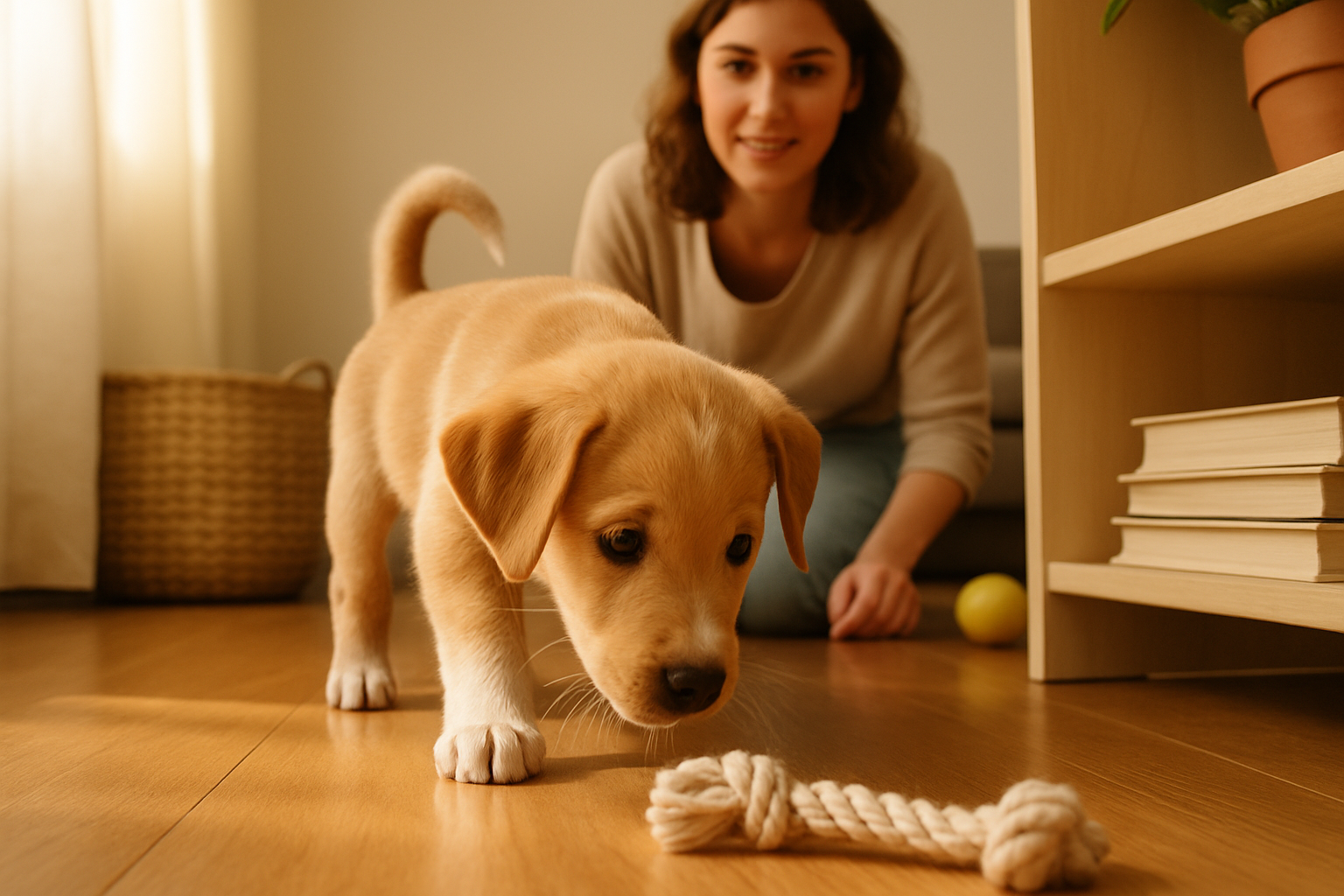
The moment your puppy crosses the threshold of your home, they're experiencing one of the most significant transitions of their young life. Unlike you, who chose this adventure, your puppy has just been separated from their mother, littermates, and the only environment they've ever known. Everything—the sounds, smells, textures, and people—is brand new and potentially overwhelming. Understanding this emotional landscape is the first step toward creating a supportive environment that helps your puppy thrive. [2]
The first week sets the tone for your entire relationship. During these crucial seven days, you're not just introducing your puppy to a new space; you're laying the foundation for training, bonding, and behavioral patterns that will echo throughout their life. The good news? With proper preparation and intentional planning, you can transform this potentially stressful period into an opportunity to build a strong, trusting partnership with your new companion.
Puppy-Proof Your Home Before Arrival
Your curious new puppy will rely on their extraordinary sense of smell to investigate every corner of your home. Before your pup arrives, conduct a thorough safety audit of your living space. Think like a puppy: get down on their level and identify potential hazards from their perspective. [4]
Critical items to secure or remove:
- Electrical cords and outlets: Puppies are attracted to dangling wires. Use cord covers or tape to secure any exposed cables away from curious teeth.
- Toxic substances: Store medications, cleaning chemicals, pesticides, and medications in locked cabinets. Don't assume your puppy can't reach something—they're remarkably resourceful.
- Poisonous foods: Keep chocolate, grapes, raisins, onions, garlic, and xylitol-containing products completely out of reach.
- Small objects: Anything smaller than a toilet paper tube can be a choking hazard. Secure loose change, buttons, small toys, and decorative items.
- Trash and waste: Use puppy-proof garbage cans or store them behind closed doors. Puppies find trash irresistible.
- Plants: Many common houseplants are toxic to dogs. Research your plants or temporarily relocate them.
- Other pets' items: If you have cats, secure their food bowls and litter boxes away from your puppy's access.
Even with meticulous preparation, you'll likely discover hazards you missed during your puppy's first explorations. Maintain active supervision during the first few days so you can intervene quickly and identify any overlooked dangers. [4]
Essential Supplies: Creating Your Puppy's Domain
Before your puppy arrives, gather these foundational items. Having everything ready eliminates stress during those first chaotic days and allows you to focus on bonding rather than scrambling to find supplies.
The Crate: Your Puppy's Safe Haven
A properly sized crate is perhaps the single most valuable tool in puppy training and management. Dogs are naturally denning animals—they actually find comfort and security in appropriately sized enclosed spaces. [3] This instinct is your greatest ally in housebreaking and creating a safe retreat for your puppy.
Crate sizing matters more than you might think: Your puppy should be able to stand up, turn in a complete circle, and lie down without their body touching the sides or top. If the crate is too large, your puppy may designate one corner as a bathroom and another as a sleeping area—undermining housebreaking efforts. If you're purchasing a crate for a puppy that will grow significantly, invest in one with a divider panel. This allows you to block off excess space as your puppy grows, maintaining the ideal snug environment throughout their development. [3]
Crate placement strategy: Position the crate in a quiet, low-traffic area of your home—think of it as a puppy nursery. Avoid high-energy rooms or areas where family members constantly pass by. A bedroom corner or quiet hallway works better than a living room. During the first week, resist the urge to fill the crate with blankets, plush beds, and toys. These items can become bathroom spots or choking hazards. Instead, keep the crate minimalist while your puppy adjusts to sleeping there. Once they're reliably settled, you can gradually introduce comfort items. [3]
Feeding Station
Establish a dedicated feeding area with two stainless steel or ceramic bowls—one for water and one for food. Avoid plastic bowls, which can harbor bacteria and may cause allergic reactions in some puppies. [2]
Consult with your breeder or veterinarian about your puppy's specific dietary needs. Most puppies require two to three meals daily, depending on age. If your puppy has allergies or special dietary requirements, get the appropriate food before bringing them home. Switching foods abruptly can cause digestive upset, so if you plan to transition to a different diet, do so gradually over 7-10 days by mixing increasing amounts of new food with their current food.
Leash, Collar, and ID
Purchase an appropriately sized collar and a 4-6 foot leash for walks and training. A lightweight collar that fits snugly (you should fit two fingers between the collar and neck) works best for puppies. Include an ID tag with your phone number and address from day one—puppies are escape artists. [2]
Toys and Enrichment
Select toys that match your puppy's size and supervision level. Hard rubber toys, rope toys, and flavored synthetic bones are excellent choices for unsupervised play because they're durable. Save soft-stuffed toys and tennis balls for supervised play sessions only, as determined puppies can tear into them and swallow pieces. [2]
Rotate toys every few days to maintain novelty and prevent boredom. This simple strategy keeps your puppy engaged without requiring you to purchase constantly.
Grooming Supplies
Stock grooming essentials including breed-appropriate brushes, dog shampoo, nail clippers, cotton balls for ear cleaning, and dog toothpaste. Starting grooming routines early helps your puppy become comfortable with handling and maintenance. [2]
Cleaning Supplies
This might seem unglamorous, but it's genuinely important: stock up on enzymatic cleaners, paper towels, and cleaning cloths. Puppies will have accidents—it's not a matter of if, but when. Using enzymatic cleaners is crucial because they break down the urine's chemical compounds, eliminating the scent that attracts puppies back to the same spot. Regular cleaners won't accomplish this, and your puppy may continue marking the same areas. [4]
Establish House Rules Before Day One
Before your puppy arrives, gather your household and establish consistent rules. Puppies thrive on predictability, and inconsistency creates confusion and behavioral problems. If your puppy is allowed on the couch one day and scolded for it the next, they won't understand what you want—they'll just learn that your reactions are unpredictable. [2]
Discuss and document these decisions:
- Will your puppy be allowed on furniture? (Decide now and stick with it.)
- Which areas of the house are off-limits?
- What's the protocol for nipping and mouthing?
- How will you handle jumping on people?
- Who's responsible for feeding, walking, potty breaks, and cleanup?
- What's your approach to crate time and alone time?
Create a written schedule for feedings, potty breaks, and walks. This document serves as both a commitment device and a helpful reference when everyone's sleep-deprived during the first week. Assign specific responsibilities to household members so nothing falls through the cracks and your puppy receives consistent care. [2]
The First Few Days: Introduction and Exploration
When your puppy arrives, resist the urge to immediately introduce them to every family member and friend. This overwhelming barrage of attention and stimulation can trigger anxiety. Instead, introduce family members one at a time in a calm environment. [2]
Your puppy's first-day orientation should include:
- A quiet introduction to their crate
- A tour of their designated potty area outside
- Location of food and water bowls
- Introduction to their toys
- A comfortable sleeping spot
Keep activities low-key and allow your puppy to set the pace. Some puppies are confident explorers; others need time to adjust. Both responses are completely normal.
Managing Nighttime: Expect Some Sleepless Nights
When puppies are separated from their littermates for the first time, their natural instinct is to vocalize—loudly. You can expect whining, howling, and whimpering, especially during nighttime when your puppy feels most vulnerable and alone. [4]
Make nighttime more manageable with these strategies:
- Create a cozy crate environment: Place a blanket or towel over the top and sides of the crate (leaving the back open for airflow) to create a den-like atmosphere. Dim the lights and consider playing soft white noise or calming music. [3]
- Add a comfort scent: Place a piece of your worn clothing near the crate (but not inside where it could become a bathroom spot). Your scent provides reassurance and strengthens bonding. [4]
- Position strategically: You can place the crate in your bedroom initially, which provides comfort for your puppy and allows you to monitor them. However, delay bed-sharing until they're reliably housetrained. [4]
- Don't reinforce whining: This is the hardest part: when your puppy whines, don't immediately let them out. Wait for a break in the whining, then calmly let them out for a potty break. If you respond to whining with attention, you're teaching them that noise gets results. [3]
The first few nights will be tough, but consistency pays off. By the end of the first week, many puppies begin settling more easily as they realize nighttime is for sleeping.
Begin Potty Training Immediately
Housebreaking starts the moment your puppy arrives home—not next week, not after they've settled in, but today. While most puppies won't be reliably housetrained until 12-16 weeks old, establishing the routine early accelerates the learning process. [4]
Potty training fundamentals:
- Establish a designated potty area: Take your puppy to the same spot each time. The familiar scent encourages them to eliminate there.
- Frequent outdoor breaks: Young puppies need to go out frequently—after waking, after eating, after playing, and before bedtime. Most puppies can hold their bladder for approximately one hour per month of age (a two-month-old puppy can hold it for about two hours).
- Reward immediately: The moment your puppy finishes eliminating outside, celebrate enthusiastically with treats and praise. Make this the most rewarding thing that happens all day.
- Supervise constantly: During the first week, keep your puppy in view at all times. If you can't watch them, they should be in their crate.
- Clean accidents thoroughly: Use enzymatic cleaners to completely eliminate scent markers that attract puppies back to the same spots.
Preventing and Managing Separation Anxiety
While you might want to stay home for weeks, your puppy will eventually need to learn that being alone is safe and manageable. Starting this process during the first week prevents separation anxiety from developing. [4]
Gradual desensitization approach:
- Place your puppy in their crate with a high-value treat or toy.
- Leave for five minutes. Your puppy will likely vocalize—this is normal.
- Return when there's a moment of silence (not while they're barking).
- Gradually extend the duration as your puppy becomes comfortable.
- Repeat this process regularly throughout the first week.
This teaches your puppy that you always return and that alone time isn't something to fear. [4]
Start Positive Reinforcement Training Immediately
The first week isn't too early to begin reinforcing good behavior. Use high-value treats and enthusiastic praise to reward desired behaviors like sitting, coming when called, and calm interactions. Gently redirect undesirable behaviors like nipping or jumping without punishment. [2]
Keep training sessions short (2-3 minutes) and fun. Your goal isn't to teach complex commands yet—it's to establish that good behavior earns rewards and that you're a source of positive things.
Schedule a Veterinary Checkup
Contact your veterinarian to schedule a checkup within the first few days of bringing your puppy home. Your vet will assess your puppy's health, discuss vaccination schedules, parasite prevention, and nutrition. Bring any medical records from your breeder or shelter so your vet has complete health history.
Key Takeaways for Success
Your puppy's first week home is intense, exhausting, and absolutely transformative. Remember these core principles as you navigate this critical period:
- Consistency is everything: Establish rules and routines, then stick to them religiously. Your puppy learns through predictability.
- Supervision prevents problems: You can't correct behavior you don't see. Keep your puppy in view or confined during the first week.
- Patience pays dividends: The effort you invest now prevents behavioral problems later. A few sleepless nights are worth years of peace.
- Your attitude matters: Puppies are remarkably perceptive. Stay calm, positive, and patient—your energy sets the tone for their experience.
- Bonding happens through routine: Feeding, walking, playing, and training together create the foundation for lifelong connection.
The first week is just the beginning of an incredible journey. You're not just bringing home a puppy; you're welcoming a new family member who will bring joy, laughter, and unconditional love into your life. With thoughtful preparation and intentional management, you're setting your puppy up for success—and yourself up for years of rewarding companionship.