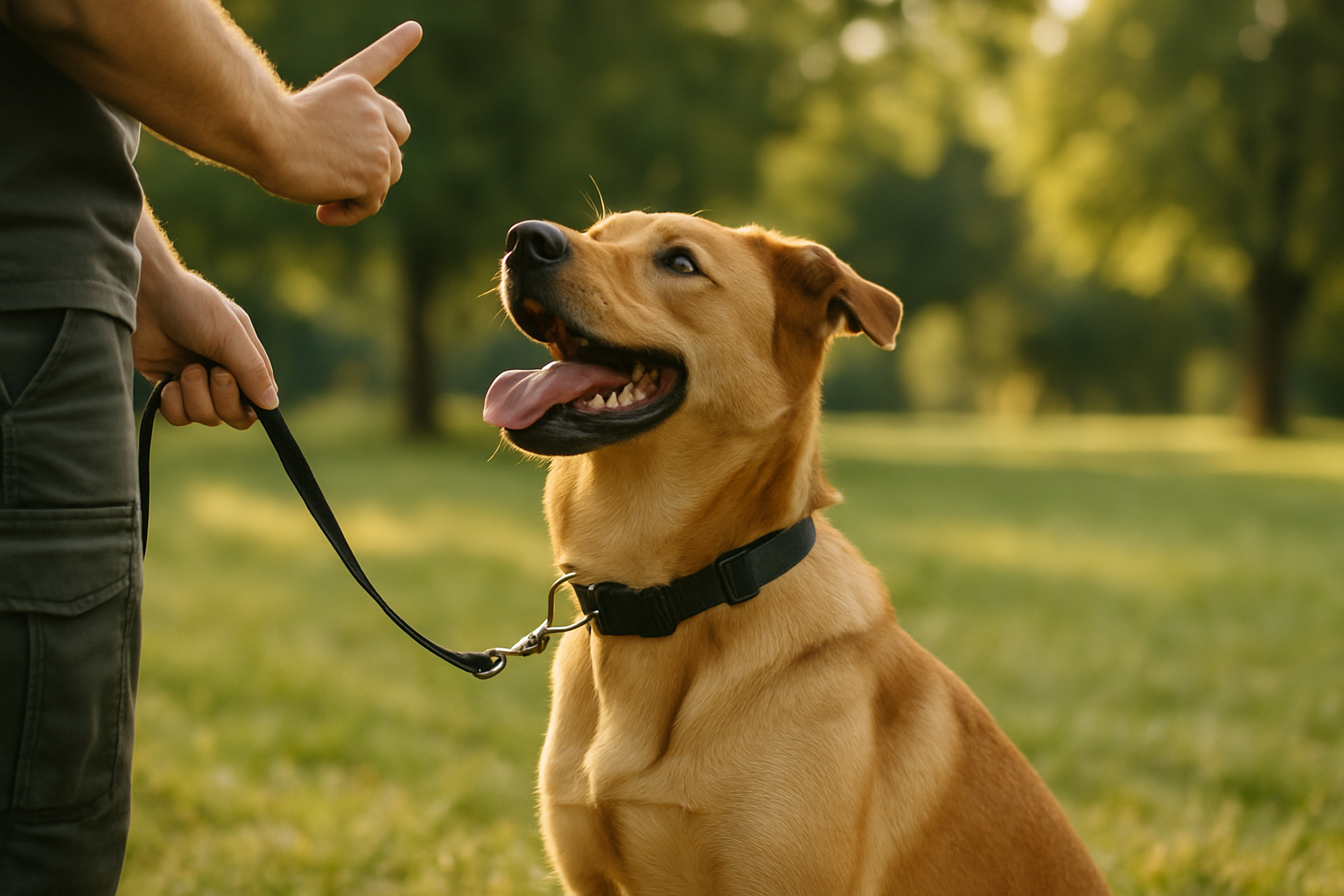
Why Your Puppy's Name Matters More Than You Think
You call your puppy's name and... nothing happens. They're too busy sniffing the carpet, chasing their tail, or investigating that mysterious dust bunny in the corner. It's frustrating, but here's the truth: your puppy isn't ignoring you out of stubbornness. They simply haven't learned that their name is worth paying attention to.
Teaching your puppy to respond to their name is one of the most important investments you'll make in their early development. It's not just about having them look your way when called—it's about creating a communication bridge between you and your pup. [1] A responsive puppy is safer, easier to manage in public, and more receptive to all future training. Whether you're preventing them from bolting toward a busy road or calling them away from a tempting distraction, name recognition can literally save their life.
Beyond safety, name recognition builds trust and focus. [4] When your puppy hears their name paired with positive experiences, they learn that checking in with you is always rewarding. This foundation opens the door to teaching sit, stay, come, and every other command that follows.
Step 1: Choose the Right Name (Yes, This Matters)
Before you begin training, make sure you've selected a name that sets your puppy up for success. Not all names are created equal when it comes to dog training.
- Keep it short and punchy: One or two syllables work best. Names like "Max," "Luna," or "Buddy" are easier for puppies to distinguish than longer names.
- Avoid names that sound like commands: Don't choose names that rhyme with or sound similar to common cues like "Sit," "Stay," or "Come." This creates confusion during training.
- Choose a name with hard consonant sounds: Names with clear, distinct sounds (like "Kai," "Duke," or "Sadie") are easier for puppies to hear and recognize than soft, mumbled names.
- Make it unique to your household: Avoid names that are frequently used as common words in your daily conversation, as this can dilute the name's power as a training cue.
[5] Once you've selected a name, commit to it completely. Using nicknames, variations, or casual alternatives during the early learning phase confuses your puppy and slows progress. Save the cute nicknames for later—first, establish rock-solid recognition of their primary name.
Step 2: Build the Association—Making Their Name Worth Hearing
Here's the secret that separates puppies who respond reliably from those who ignore you: your puppy's name must become synonymous with something wonderful. Every single time they hear their name, something good should follow.
The Basic Training Sequence:
- Say your puppy's name in a bright, enthusiastic tone
- The moment they look toward you or show any interest, mark the behavior with an excited "Yes!"
- Immediately deliver a high-value reward (treat, praise, or play)
- Repeat this cycle multiple times during short training sessions
[2] Timing is absolutely critical here. The reward must come within one to two seconds of the desired behavior. Your puppy needs to connect their name with the reward so clearly that they understand: "When I hear my name and look at my human, something amazing happens."
Choosing Your Rewards: Not all treats are created equal. Use high-value rewards during early training—small pieces of chicken, cheese, or special training treats your puppy doesn't get otherwise. As your puppy progresses, you can gradually mix in lower-value treats, praise, and play sessions.
Step 3: Master the Timing and Frequency
Many well-intentioned puppy owners sabotage their own training by practicing too long or too infrequently. Puppies have remarkably short attention spans, and marathon training sessions lead to frustration and burnout.
The Sweet Spot for Training:
- Keep individual sessions to 5 minutes maximum
- Practice 3-5 times daily, spread throughout the day
- Conduct sessions when your puppy is alert and motivated (not tired or hungry)
- Stop while your puppy is still engaged and wanting more
[5] This approach respects your puppy's developmental stage while building strong neural pathways. Multiple short sessions create more learning opportunities than one long session, and your puppy stays enthusiastic about training rather than viewing it as a chore.
Real-World Timing Example: Practice when your puppy first wakes up from a nap, before meals, during natural play breaks, and in the evening. Each session takes just minutes but compounds into rapid progress over weeks.
Step 4: Gradually Increase Distractions and Distance
Your puppy might respond perfectly to their name in the quiet living room, but the real test comes when there's a squirrel outside, another dog nearby, or children playing. This is where most training falls apart—and it's also where you need to be strategic.
The Progression Framework:
- Week 1-2: Practice in a quiet room with minimal distractions. Your puppy learns the basic association.
- Week 2-3: Move to different rooms in your home. Practice during low-distraction times.
- Week 3-4: Introduce mild distractions—a toy nearby, family members present, background noise.
- Week 4+: Practice outdoors in calm environments, then gradually add real-world distractions.
[1] The key is to progress at your puppy's pace. If your puppy struggles at any level, return to the previous stage and rebuild confidence before advancing. Rushing this process teaches your puppy that they can ignore their name when things get interesting—exactly what you're trying to prevent.
Distance Training: Once your puppy responds reliably from a few feet away, gradually increase distance. Call their name from across the room, then from another room entirely. Each successful response earns a reward.
Step 5: Involve the Whole Family and Beyond
Consistency across all family members is non-negotiable. If Mom uses the name one way, Dad uses it differently, and the kids use it randomly, your puppy receives conflicting signals.
[4] Gather your family and practice together. Have each person take turns calling your puppy's name from different locations, rewarding every correct response. This teaches your puppy that their name means the same thing regardless of who's calling.
Expanding Your Training Circle:
- Invite friends and family to practice during casual visits
- Practice at training classes or puppy socialization groups
- Ask different people to call your puppy's name in various settings
- Ensure everyone uses the same upbeat, positive tone
This variation actually strengthens your puppy's learning. They learn that their name is a universal cue that works everywhere and with everyone.
The Critical Mistakes That Derail Training
Even with the best intentions, certain habits can completely undermine your name recognition training. Understanding these pitfalls helps you avoid them.
Mistake #1: Using Their Name During Corrections
[5] If your puppy associates their name with scolding, they'll develop anxiety or avoidance when they hear it. Never use their name while correcting behavior or expressing frustration. If your puppy has an accident on the carpet, don't say "No, [Name]!" Instead, interrupt the behavior calmly and redirect. Keep their name exclusively positive.
Mistake #2: Calling Their Name Without Follow-Through
Repeatedly calling your puppy's name without a reward, command, or interaction teaches them to ignore it. [2] Every time you say their name, something must follow: a reward, a cue, or positive engagement. If you call their name and they respond but nothing happens, you're actively training them to stop listening.
Mistake #3: Inconsistent Name Use
Switching between their official name and nicknames during training creates confusion. "Is she Bella or Belle? Is she Bella or Sweetie?" Your puppy can't learn effectively when the cue keeps changing. [5] Lock in one primary name for training, then introduce nicknames only after they've mastered it completely.
Mistake #4: Ignoring Tone of Voice
[2] Dogs respond more to your tone than your actual words. A flat, monotone "Bella" won't grab attention like a bright, excited "Bella!" Practice sounding genuinely happy and enthusiastic when calling their name. Your energy is contagious—if you sound bored, your puppy will be too.
Make It Fun: Games That Reinforce Name Recognition
Training doesn't have to feel like work. Games naturally reinforce learning while keeping your puppy engaged and excited about their name.
The Name Game
This is the simplest and most effective game for building name recognition:
- Say your puppy's name in an excited voice
- The moment they look at you, celebrate enthusiastically and reward
- Repeat 5-10 times per session
- Play this game multiple times daily
Hide and Seek
[5] This game combines name recognition with recall training:
- Start with your puppy in a room with you
- Show them a toy or treat to build excitement
- Hide the toy or treat in an easy spot (under a cushion, behind a chair)
- Say their name excitedly and encourage them to find it
- Gradually increase difficulty as they improve
Name Ping-Pong (Multi-Person Game)
This game requires at least two people:
- Stand a few feet apart with your puppy between you
- Person A calls the puppy's name excitedly
- When the puppy responds and moves toward Person A, they reward immediately
- Person B then calls the puppy's name
- Continue alternating back and forth
- Gradually increase distance between players
This game teaches your puppy that their name is valuable currency—it's worth leaving whatever they're doing to check in.
Troubleshooting: When Progress Stalls
Most puppies progress smoothly with consistent training, but some hit plateaus or develop inconsistent responses. Here's how to diagnose and fix common issues:
Problem: Your puppy responds at home but not outside
This indicates insufficient distraction training. Return to quieter outdoor environments and gradually build back up to busier settings. The novelty of the outdoor environment is more interesting than your reward, so use higher-value treats and more enthusiastic praise outdoors.
Problem: Your puppy responds sometimes but not consistently
Inconsistency usually means either inconsistent rewards or unclear timing. Ensure you're rewarding every single correct response during this learning phase. Also verify that your timing is tight—the reward should come within one to two seconds of the behavior.
Problem: Your puppy starts ignoring their name
This typically means you've overused the name without rewards or follow-through. Return to the basics: say the name, wait for a response, reward immediately. Keep sessions short and make every instance of their name count.
Problem: Your puppy seems anxious or avoids their name
This suggests negative associations have developed, possibly through scolding or corrections. Rebuild trust by using their name exclusively in positive, rewarding contexts for several weeks. If anxiety persists, consult a certified trainer or veterinary behaviorist for guidance.
The Bigger Picture: Name Recognition as Foundation
Teaching your puppy to respond to their name isn't just a standalone skill—it's the foundation for everything else. [1] Once your puppy reliably focuses on you when they hear their name, you've created a communication channel. This makes teaching sit, stay, come, and all future commands dramatically easier because your puppy is already predisposed to listen.
Think of name recognition as the opening door to training. Without it, you're constantly trying to get your puppy's attention before you can even give a command. With it, you have their focus and can proceed to the next step.
[3] When your puppy hears their name, they should stop what they're doing, pay attention to you, and wait for the next instruction. This level of responsiveness takes weeks to months to develop fully, but the investment pays dividends throughout your puppy's life.
Your Training Timeline: What to Expect
Every puppy learns at their own pace, but here's a realistic timeline based on consistent daily practice:
- Week 1: Your puppy starts looking toward you when they hear their name in quiet environments
- Week 2-3: Reliable response in your home; beginning to respond with mild distractions
- Week 3-4: Consistent response across different rooms and with family members
- Month 2: Responds reliably in outdoor environments with moderate distractions
- Month 3+: Strong response even with significant distractions; name recognition fully established
Some puppies progress faster, others slower. Genetics, temperament, and consistency all play roles. The key is patience and persistence without pushing too hard.
Key Takeaways for Success
- Choose a short, distinctive name and use it consistently without variations during the learning phase
- Build positive associations by rewarding every correct response immediately and enthusiastically
- Keep training sessions brief—5 minutes, multiple times daily is more effective than long sessions
- Progress gradually from quiet environments to distracting ones at your puppy's pace
- Involve the whole family to ensure consistency across all interactions
- Never use their name for corrections—keep it exclusively positive
- Use an excited, upbeat tone that makes their name sound like the best news ever
- Be patient—solid name recognition typically takes weeks to months, but it's worth every moment invested
Teaching your puppy to respond to their name is one of the most rewarding skills you'll develop together. It strengthens your bond, improves safety, and sets the stage for a lifetime of communication and trust. Start today, stay consistent, and celebrate every small success along the way.
Sources & References
- https://www.bonnies.com.au/post/mastering-focus-the-art-of-getting-your-puppy-to-respond-to-their-name
- https://mywoof.com/blogs/articles/how-to-train-a-dog-to-respond-to-their-name
- https://www.royalkennelclub.com/your-dog/dog-training/get-started/dog-training-and-games/how-do-i-teach-my-dog-to-respond-to-their-name/
- https://dogsinc.org/blog/ask-the-trainer/teaching-a-puppy-its-name/
- https://pupford.com/blogs/all/teach-dog-name