Why Crate Training Matters More Than You Think
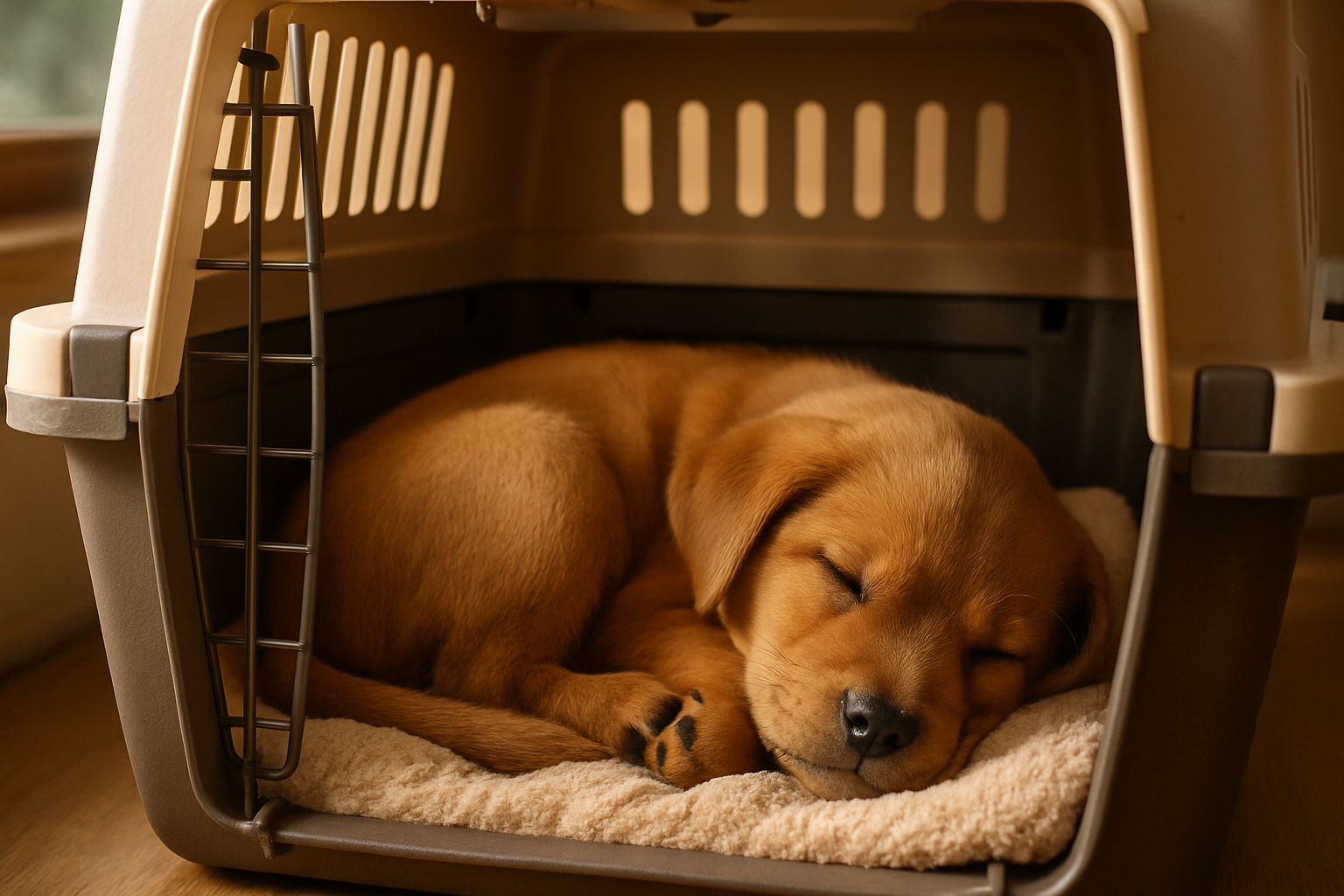
When you first bring home a new puppy, the idea of placing them in a crate might feel counterintuitive or even cruel. But here's the truth that experienced trainers have known for years: puppies are naturally den animals. Just like their wolf ancestors sought out small, enclosed spaces for safety and comfort, your puppy instinctively craves that same sense of security. [5] When done correctly, a crate becomes your puppy's personal retreat—a place where they feel protected rather than imprisoned.
Beyond emotional comfort, crate training unlocks several practical benefits that make puppy parenting significantly easier. Your puppy's natural instinct to keep their sleeping space clean makes housebreaking dramatically more effective. [1] Additionally, a properly crate-trained puppy stays safe from household hazards when you can't supervise them, preventing both destructive behavior and potential injuries. Perhaps most importantly, crate training provides a foundation for managing separation anxiety and giving your puppy a calm refuge during stressful situations like thunderstorms or loud gatherings. [2]
Selecting the Right Crate: Size and Style Matter
The first critical decision is choosing the appropriate crate for your puppy. Many new dog owners make the mistake of purchasing an oversized crate thinking it gives their puppy more comfort. This backfires spectacularly during housebreaking because your puppy can use one corner as a bathroom while staying dry in another. [1] The golden rule is straightforward: your crate should be just large enough for your puppy to stand up, turn around, and lie down comfortably—nothing more.
You have three main crate styles to consider, each with distinct advantages:
- Plastic airline-style crates: These enclosed options create a den-like atmosphere that many puppies find calming. They're durable, easy to clean, and ideal for puppies who prefer sleeping in darker environments. [5]
- Wire mesh crates: These collapsible options offer superior versatility with adjustable doors and dividers. They provide excellent airflow and allow your puppy to see their surroundings, which can reduce anxiety for some dogs. Wire crates are also easier to transport and store. [2]
- Fabric crates: Lightweight and portable, fabric crates work well for travel or temporary use. However, they're not recommended for puppies prone to chewing or scratching. [3]
For puppies, especially large or giant breed dogs, consider purchasing a crate sized for their adult weight and using an adjustable divider to grow the usable space as they develop. [1] This approach saves money and prevents the stress of multiple crate transitions. Some animal shelters even rent appropriately-sized crates, allowing you to upgrade as your puppy grows. [4]
Location is Everything: Where to Place Your Puppy's Crate
Where you position your puppy's crate significantly influences their comfort level and training success. The ideal location is somewhere your family spends considerable time—your living room, den, or family room rather than an isolated bedroom or basement. [4] When your puppy's crate is positioned in the hub of family activity, they don't interpret crate time as punishment or isolation. Instead, they learn that their crate is simply another part of family life.
During the initial training phase and especially at night, keep the crate near your bed or in your bedroom. [4] This proximity allows you to hear your puppy when they need to go outside for bathroom breaks, which is crucial for successful housebreaking. As your puppy matures and becomes comfortable with extended crate time, you can gradually relocate the crate to its permanent location.
Consider the crate's immediate environment carefully. Avoid placing it in drafty areas, direct sunlight, or spots near loud appliances. Think of it as you would a bedroom—would you sleep well there? If not, your puppy probably won't either. [2]
The Seven-Step Process to Crate Love
Successful crate training follows a progressive approach where each step builds on the previous one. The timeline varies depending on your individual puppy, but rushing through these stages creates anxiety and negative associations that can take months to overcome. [1] Plan on at least six months of consistent training, though many puppies show positive results within weeks. [5]
Step 1: Introduce the Crate as an Adventure
Begin by leaving the crate door completely open and allowing your puppy to explore at their own pace. This is pure discovery time—no pressure, no expectations. Toss high-value treats inside and celebrate enthusiastically when your puppy ventures in to investigate. [1] Keep your energy upbeat and positive. Your puppy will pick up on your emotional cues, so your calm, happy demeanor signals that the crate is a wonderful place.
During this phase, never force your puppy into the crate or close the door. The goal is for your puppy to develop curiosity and positive associations entirely on their own terms. Some puppies will naturally start napping in the open crate within days; others may take a week or more. Both timelines are perfectly normal. [4]
Step 2: Make Meals Happen Inside
Once your puppy is comfortably exploring the crate, begin feeding their regular meals inside it. If your puppy shows initial hesitation, place the food bowl near the crate entrance and gradually move it deeper inside over several days. [2] This approach creates a powerful positive association: the crate equals delicious food. Puppies begin to anticipate mealtime with excitement, which transfers to enthusiasm about the crate itself.
This is also an excellent time to introduce a command word like "crate" or "bed." Say the word just before placing the food bowl inside, creating a verbal association with entering the crate. [2]
Step 3: Close the Door During Meals
After several days of comfortable meal experiences, start closing the crate door while your puppy eats. Immediately open it when they finish—no delays yet. [2] This teaches your puppy that the door closing isn't scary; it simply means something good is happening. Repeat this for several days until your puppy shows no signs of anxiety.
Step 4: Add Brief Duration After Meals
Once your puppy is relaxed with the door closing during meals, keep the door closed for a few minutes after they finish eating while you remain visible nearby. [2] Gradually extend this duration by a few minutes each day until your puppy comfortably stays in the crate for 10-15 minutes post-meal. [4] This slow progression is essential—your puppy should never feel rushed or trapped.
Step 5: Practice Short Stays While You're Home
Begin asking your puppy to enter the crate during calm moments, not during exciting playtime. [5] Use your command word and reward entry with treats and praise. Initially, keep these sessions to about 10 minutes. [5] The key insight here is timing: puppies who enter the crate during calm periods associate it with relaxation rather than interrupted play. This creates a fundamentally different emotional response.
Make crate time engaging by providing long-lasting treats or puzzle toys. A frozen Kong toy filled with peanut butter is a trainer favorite—it keeps your puppy occupied while they adjust to being confined. [5] The activity should take longer than the crate duration, so your puppy associates the crate with something they're excited about.
Step 6: Leave the Room for Brief Periods
Once your puppy stays calm in the crate while you're present, begin stepping out of sight for very short intervals—just a few minutes initially. [2] Start this practice while your puppy is occupied with a treat or toy. Return before they become anxious, and keep your arrival low-key. [4] Avoid enthusiastic greetings that might increase their anxiety about your departure.
If your puppy whines during this phase, resist the urge to immediately let them out. This is critical: releasing a whining puppy teaches them that whining works, reinforcing the behavior. [2] Instead, wait for a moment of quiet, then open the door. If whining continues after several minutes and you're certain they don't need a bathroom break, continue ignoring it. Most puppies will stop after a short period. [4]
Step 7: Gradually Extend Alone Time
As your puppy demonstrates comfort with brief absences, slowly increase the duration. Go from five minutes to ten minutes to thirty minutes over several weeks. [4] The progression should feel easy for your puppy—if they're showing anxiety, you've moved too quickly and should return to shorter durations.
Once your puppy comfortably handles 30 minutes alone in the crate while you're home, you can begin leaving for short periods when you're actually away—starting with just a coffee run. [5] Use a pet camera to observe your puppy's behavior. Are they anxious and pacing, or calm and relaxed? This information helps you calibrate the appropriate duration for your specific puppy. [5]
Essential Supplies and Setup
Beyond the crate itself, a few items enhance your puppy's comfort and training success:
- Bedding: A soft blanket or dog bed can make the crate more inviting, but observe your puppy's behavior. Some puppies destroy bedding or use it as a bathroom. If this happens, remove it and let your puppy sleep on the hard crate mat—many dogs actually prefer this. [5]
- Toys and treats: Long-lasting chews, puzzle toys, and frozen treats keep your puppy engaged and create positive associations with crate time.
- Safety considerations: Remove your puppy's collar and tags before crating to prevent them from snagging on the crate door or walls, which could cause injury. [5]
Navigating Common Challenges
Whining and Crying: If your puppy whines at night, determine whether they need a bathroom break or are simply testing boundaries. If you've progressed gradually through training steps, your puppy hasn't learned that whining results in freedom. [4] Try using your "outside" command. If they respond excitedly, take them out. If not, ignore the whining until it stops, then reward the quiet behavior.
Separation Anxiety: Important distinction: a crate cannot fix separation anxiety. While it prevents destructive behavior, an anxious puppy may injure themselves trying to escape. [4] True separation anxiety requires professional help and counterconditioning work beyond crate training.
Regression: Dogs aren't linear learners. Your puppy may regress occasionally, especially during stressful periods or developmental changes. [5] Stay consistent with your methodology, remain calm, and the progress will return.
What NOT to Do: Critical Mistakes to Avoid
- Don't use the crate as punishment. Never send your puppy to the crate as a consequence for misbehavior. This creates a negative association that undoes all your positive training work.
- Don't rush the process. Pushing your puppy faster than they're ready causes stress and anxiety that can take months to overcome. [1]
- Don't leave your puppy crated too long. Puppies have limited bladder control. Extended crating forces them to soil their sleeping space, which contradicts their natural instincts and harms housebreaking progress.
- Don't make departures dramatic. Avoid big goodbyes or enthusiastic hellos. Keep arrivals and departures calm and matter-of-fact.
- Don't ignore signs of distress. If your puppy is panicking or showing severe anxiety, you've moved too fast. Return to shorter durations and progress more slowly.
The Long-Term Payoff
The investment you make in patient, positive crate training pays dividends for years. Your puppy learns that they have a safe space to retreat to when overwhelmed. They develop confidence in managing alone time. They housebreak more reliably. And they travel safely in vehicles.
Perhaps most importantly, you're teaching your puppy that you can be trusted to keep them safe, that good things happen in unexpected places, and that patience and consistency lead to positive outcomes. These lessons extend far beyond crate training into every aspect of your relationship with your dog.
Remember: crate training is a marathon, not a sprint. The time you invest now in making your puppy love their crate sets the foundation for a calm, well-adjusted companion who sees their crate not as a cage, but as their personal sanctuary—a place where they feel secure, comfortable, and genuinely happy to be.
Sources & References
- https://www.chewy.com/education/dog/new-dog/how-to-crate-train-a-puppy-a-step-by-step-guide-from-an-expert
- https://www.wisdompanel.com/en-us/blog/crate-training
- https://www.alphapaws.com/a-step-by-step-guide-to-crate-training-a-puppy/
- https://www.humaneworld.org/en/resources/crate-training-101
- https://www.akc.org/expert-advice/training/how-to-crate-train-your-dog-in-9-easy-steps/