Why Name Recognition Matters More Than You Think
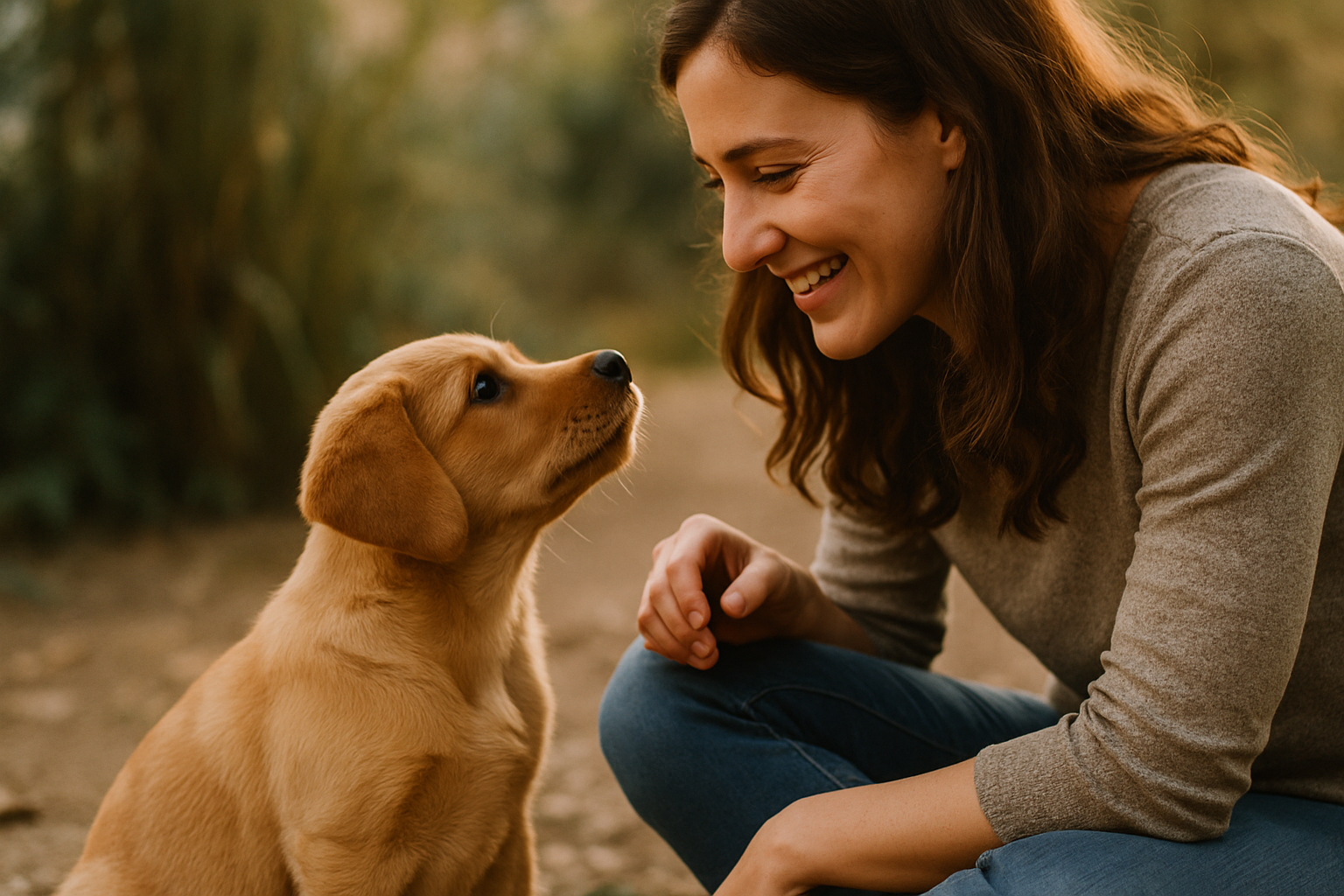
When you bring a new puppy home, one of the first things you'll want to teach them is their name. But here's what many new pet parents don't realize: name recognition isn't just a cute party trick. It's the cornerstone of every relationship you'll build with your dog and the gateway to all future training. [1]
Think of your puppy's name as their personal attention signal. When they respond to their name, they're essentially saying, "I'm listening to you." This focused attention prevents unwanted behaviors before they start—whether that's lunging at a passing bicycle, grabbing something dangerous off the sidewalk, or ignoring your recall command at the dog park. [1]
The beauty of teaching name recognition early is that puppies learn remarkably fast. Most puppies can pick up their name within just one to three days of consistent practice. [2] This rapid learning window makes those first few weeks with your puppy the perfect time to invest in this foundational skill.
Choosing the Right Name for Your Puppy
Before you begin training, let's talk about selecting the ideal name. While it might seem like a minor detail, the name you choose can actually impact how quickly your puppy learns and how easily you can use it during training. [1]
Here are the key criteria for puppy name selection:
- Keep it short: One to two syllables works best. Names like "Max," "Luna," "Bella," or "Charlie" are easier to say quickly during training moments than longer names. [1]
- Make it distinctive: Choose a name that sounds different from common commands you'll teach. For example, "Kit" might get confused with "sit," so avoid similar-sounding options.
- Ensure family consensus: Everyone in your household should use the exact same name. Mixing "Buddy," "Bud," and "Buddy Bear" will confuse your puppy and slow down learning. [1]
- Avoid nicknames initially: While cute nicknames are tempting, stick to the official name for the first few days of training to prevent confusion. [2]
- Consider changing a rescue's name: If you've adopted an older puppy or dog, there's nothing wrong with choosing a new name—especially if the previous name carries negative associations. Simply follow the same training techniques with the new name, and stop using the old one completely to avoid prolonging the transition. [1]
Pre-Training Preparation: Setting Your Puppy Up for Success
Before you say your puppy's name even once during training, prepare your environment and gather your tools. This groundwork determines whether your training sessions will be productive or frustrating.
Choose Your Training Location
Start in a quiet, enclosed space with minimal distractions—your living room, bedroom, or a small section of your home works perfectly. [5] This controlled environment allows your puppy to focus entirely on you and the training without competing stimuli. Once your puppy masters their name in this quiet space, you'll gradually introduce distractions and new locations. [2]
Select High-Value Rewards
Your choice of treats can make or break your training sessions. Small, soft treats that your puppy can quickly consume work best because they don't interrupt the training flow. [5] Look for treats your puppy genuinely loves—not just tolerates.
If your puppy seems unimpressed with standard training treats, experiment with higher-value options like freeze-dried raw treats, small pieces of cooked chicken, or turkey meatballs. The smellier and more enticing, the better. [1] You can also use their favorite toy or playtime as a reward if your puppy isn't particularly food-motivated. [2]
Gather Your Tools
While not absolutely necessary, a clicker or marker word makes training significantly more effective. A clicker is a small device that makes a consistent "clicking" sound, while a marker word is simply a word like "yes!" or "good!" Both serve the same purpose: they mark the exact moment your puppy does something right. [5]
Adopt the Right Mindset
Dogs are incredibly perceptive and pick up on your emotional state. Approach training sessions with genuine patience and enthusiasm. [3] Your puppy will sense your positive energy and respond more eagerly to your efforts.
The Step-by-Step Training Process
Step 1: Catch Them Off-Guard
Here's a counterintuitive training tip: wait until your puppy isn't already looking at you before you say their name. [5] Why? Because you want to reward them for turning their attention toward you in response to hearing their name, not for attention they're already giving.
Step 2: Say Their Name with Enthusiasm
When your puppy isn't looking at you, say their name in a bright, happy, engaging tone. Make it sound like the most exciting thing in the world is about to happen. Your tone matters tremendously—a flat, monotone delivery won't generate the same enthusiasm as an upbeat, animated voice. [5]
Step 3: Mark the Behavior Immediately
The moment your puppy turns to look at you, immediately click your clicker or say your marker word ("yes!" or "good!"). This instant feedback tells your puppy exactly which behavior earned the reward. [1] Timing is critical here—the mark must come within a fraction of a second of the desired behavior.
Step 4: Deliver the Reward
Right after marking, give your puppy their treat and praise them enthusiastically. The sequence is: name → puppy responds → mark → reward. This consistent pattern teaches your puppy that hearing their name leads to positive outcomes. [5]
Step 5: Repeat Frequently Throughout the Day
Practice multiple short sessions daily rather than one long session. Aim for 3-5 minute sessions, 2-3 times per day, or even more frequent mini-sessions scattered throughout your day. [2] Many trainers recommend using a portion of your puppy's regular meals for training, combining mental stimulation with their feeding routine. [2]
The key is consistency and frequency. Each repetition strengthens the neural pathway connecting the sound of their name with positive experiences.
Troubleshooting Common Training Challenges
My Puppy Stares at My Hand Instead of My Face
If your puppy focuses on your treat-holding hand rather than your face, gently guide their attention upward. Make a non-verbal noise like a whistle or kissy sound to entice them to look at your face, then slowly bring your closed fist toward your forehead to lure eye contact. [1] Once they make eye contact, immediately mark and reward.
My Puppy Isn't Responding to Training Treats
This usually means either your puppy isn't hungry or the treats aren't valuable enough. Try training before meals when your puppy is naturally hungrier, or upgrade to more enticing rewards. [1] You might also try a different time of day when your puppy is more alert and engaged.
My Puppy Gets Distracted Easily
If your puppy struggles to focus even in your quiet training space, you might be asking too much too soon. Move to an even smaller, more enclosed area with absolutely zero distractions. [2] Once your puppy responds consistently there, gradually reintroduce mild distractions.
My Puppy Won't Stop Repeating Their Name
Never say your puppy's name multiple times in a row ("Max, Max, Max!"). This teaches them they can ignore the first few repetitions and only respond when you've said it several times. [5] Say their name once, wait for the response, and reward. This builds the habit of immediate response to a single utterance.
Progressing Your Puppy's Name Recognition Training
Phase 1: Building Reliability in Quiet Environments
Spend the first week or two practicing exclusively in your quiet training space. Your goal is to achieve consistent, reliable responses every single time you say your puppy's name. [2] Practice until your puppy whips around immediately and makes eye contact whenever they hear their name.
Phase 2: Introducing Mild Distractions
Once your puppy responds perfectly in a quiet setting, gradually introduce low-level distractions. Practice in different rooms of your home, then move to your backyard on a calm day. [2] At this stage, you might need to use higher-value treats to keep your puppy's focus on you rather than their surroundings.
Phase 3: Adding Real-World Distractions
Progress to more challenging environments: busier outdoor spaces, parks, or situations with other people and dogs present. [1] When you introduce significantly new or distracting environments, expect your puppy's performance to dip temporarily. This is completely normal and doesn't mean they've forgotten their training. [2] Simply return to higher-value rewards and more frequent practice until they rebuild their focus in the new setting.
Phase 4: Fading Treats and Markers
As your puppy becomes more reliable, gradually reduce how often you mark and reward. Instead of marking every response, start marking intermittently while always providing verbal praise. [1] Eventually, your puppy will respond to their name for praise and affection alone, without needing food rewards.
Critical Mistakes to Avoid
Never Use Your Puppy's Name During Corrections
This is perhaps the most important rule in name training. Never combine your puppy's name with scolding, corrections, or negative experiences. [5] If your puppy hears "Max, no!" or "Max, get down!" repeatedly, they'll develop a negative association with their own name and become less responsive, not more.
Instead, use their name only in positive contexts. If you need to correct behavior, redirect without using their name, or use a different verbal marker like "uh-uh" or "oops." [3]
Don't Overuse Their Name Before Commands
While it might seem natural to say "Max, sit," this actually teaches your puppy that their name is part of the command rather than an attention-getter. Eventually, you want to say just "sit" without needing to say their name first. [5] Once name recognition is solid, practice commands without the name prefix.
Avoid Practicing in Overwhelming Situations Too Soon
Resist the urge to test your puppy's name recognition in high-distraction environments before they're ready. Off-leash in a large fenced yard or at a crowded dog park might seem like good practice spots, but they're actually setup for failure. [5] Always keep your puppy on leash during training in new environments, and only introduce real-world distractions after consistent indoor success.
Don't Repeat Their Name Excessively
Constantly saying your puppy's name throughout the day—even in positive contexts—can cause them to tune it out. [2] Use their name purposefully during training and important moments, but don't overuse it casually.
Integrating Name Recognition Into Daily Life
Once your puppy reliably responds to their name, keep reinforcing it naturally throughout your day. Call their name during playtime, at mealtime, during walks, and during everyday interactions. [5] This ongoing reinforcement prevents regression and keeps the behavior strong.
Use name recognition as a foundation for teaching other commands. When you want to teach "sit," first get your puppy's attention with their name, then give the sit command. [2] This ensures they're actually listening before you ask for something.
Practice the "name game" regularly as a fun bonding activity. Call your puppy's name and reward them with play, treats, or affection. This keeps name recognition feeling like a game rather than a chore, and your puppy will always be excited to hear their name. [1]
Timeline: What to Expect
Most puppies learn their name within one to three days of consistent practice. [2] However, reliable, automatic responses in various environments typically take two to four weeks of regular practice. [4] Don't expect your puppy to respond perfectly in distracting environments immediately—that skill develops gradually as you practice.
Remember that every puppy learns at their own pace. Some puppies might master name recognition in days, while others need a couple of weeks. Adjust your expectations based on your individual puppy's progress rather than comparing to other puppies. [3]
When to Consider Professional Help
If after several weeks of consistent practice your puppy still isn't responding to their name, consider consulting a professional dog trainer or veterinary behaviorist. There might be underlying issues like hearing problems, extreme anxiety, or learned negative associations with their name that require professional guidance. [4]
Additionally, if you're changing your puppy's name due to previous negative associations, a professional can help you transition to the new name while addressing any trauma or fear responses. [1]
Key Takeaways: Your Action Plan
Teaching your puppy their name is one of the most rewarding investments you can make in your relationship with them. This foundational skill opens the door to all future training and creates a powerful communication channel between you and your puppy.
Start today by selecting the perfect name, gathering your training tools, and committing to consistent daily practice. Within just days, you'll notice your puppy responding with enthusiasm every time they hear their name. Within weeks, you'll have a puppy who pays attention to you reliably, even in distracting environments.
Remember: patience, consistency, and positive reinforcement are your keys to success. Every training session is an opportunity to strengthen your bond and build the foundation for a well-trained, responsive companion. Your puppy is ready to learn—are you ready to teach?
Sources & References
- https://www.preventivevet.com/dogs/how-to-clicker-train-name-recognition
- https://www.thepuppyacademy.com/blog/2020/1/20/play-the-name-game-how-to-teach-your-puppy-their-name
- https://smartscoops.com/training-your-dog-to-respond-to-their-name-tips-and-tricks/
- https://knowledge.partnersdogs.com/name-recognition
- https://www.akc.org/expert-advice/training/how-to-teach-dog-name/