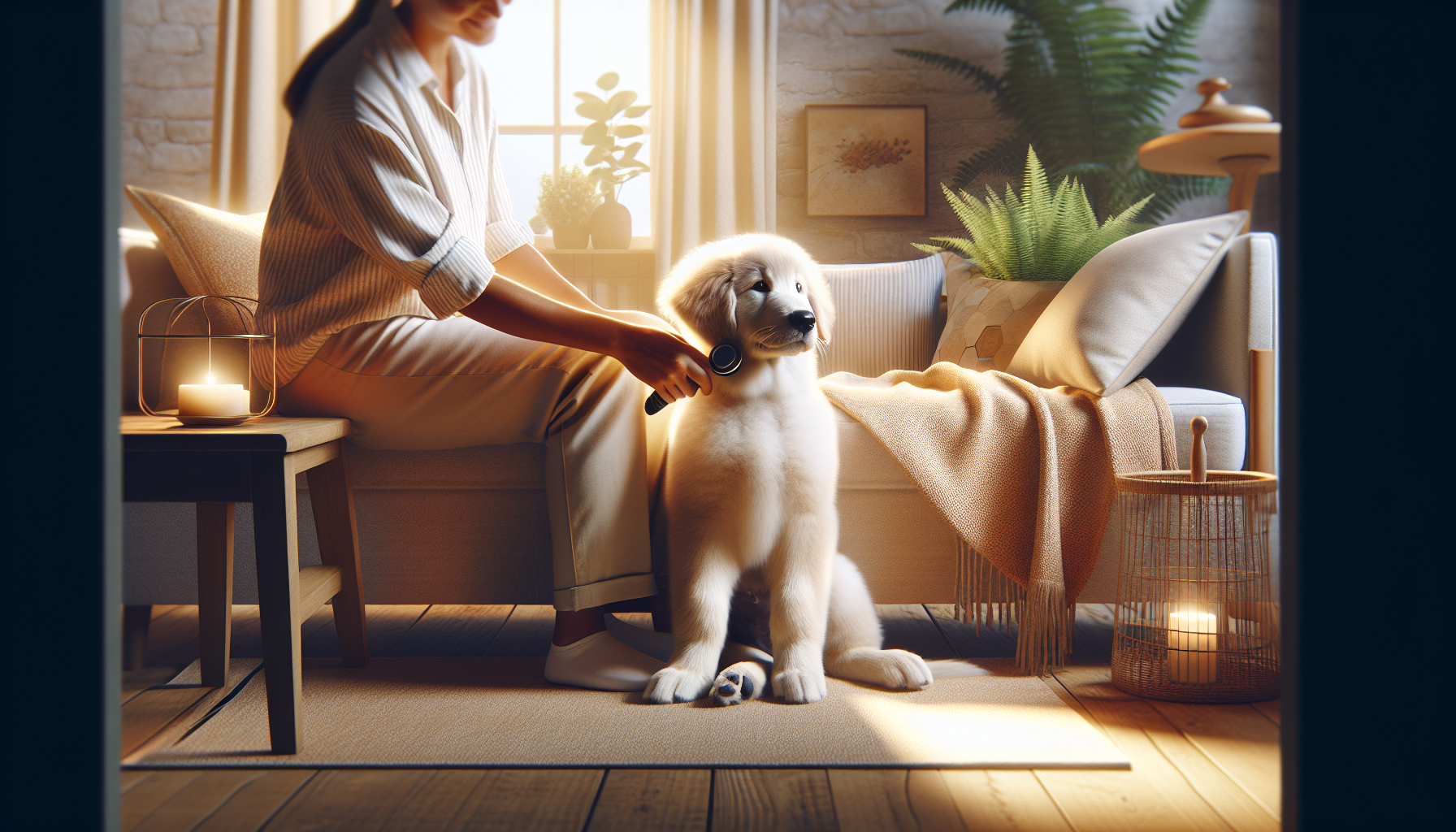
How to Teach Your Puppy to Calmly Accept Handling and Grooming Using Positive Reinforcement Techniques
If you've ever wrestled a squirming puppy into the bathtub or watched your furry friend flee at the sight of nail clippers, you're not alone. Many dog owners struggle with grooming anxiety in their puppies—but here's the good news: it doesn't have to be this way. The foundation for stress-free grooming isn't built during the appointment itself; it's built through patient, consistent training using positive reinforcement methods that make your puppy actually *want* to cooperate.
Starting early with the right approach can mean the difference between a dog that dreads grooming and one that views it as a relaxing spa day. In this comprehensive guide, we'll walk you through proven strategies to help your puppy develop a healthy, calm relationship with handling and grooming.
Understanding Why Early Grooming Training Matters
Puppies are like little sponges—they absorb experiences and form associations rapidly during their critical developmental period. When you introduce grooming in a positive way early on, you're essentially programming your puppy's brain to view handling and grooming as normal, safe activities rather than threatening experiences [5].
The stakes are real here. Dogs that develop grooming anxiety or resistance often carry those negative associations into adulthood. A puppy that has one frightening grooming experience may become defensive or anxious during future appointments, making the groomer's job harder and potentially creating safety concerns [1]. By contrast, puppies trained with positive reinforcement from the start develop confidence and trust that lasts their entire lives.
The window of opportunity is now. Starting your grooming training routine while your puppy is young establishes grooming as a normal part of life rather than something to fear [5].
Building Positive Associations Before the First Grooming Session
Before you even think about running a brush through your puppy's coat, you need to create positive associations with grooming tools and the concept of handling itself.
Introduce Grooming Tools Gradually
Your puppy's first encounter with a brush, clipper, or comb should be casual and reward-focused, not functional. Here's how:
- Day 1-2: Simply leave grooming tools on the floor during playtime. Let your puppy investigate them naturally. Don't force interaction—just allow curiosity to take its course.
- Day 3-4: Hold a grooming tool and immediately offer high-value treats (small pieces of chicken, cheese, or their favorite reward). Your puppy learns: "Tool appears, treats happen!"
- Day 5-7: Let your puppy sniff and mouth the tool while you continue treating. Praise enthusiastically: "Yes! Good exploring!"
- Week 2+: Gently touch the tool to your puppy's body without using it. Reward calm behavior immediately [3].
This graduated approach prevents the tool itself from becoming a trigger for anxiety. By the time you actually *use* the tool, your puppy already associates it with positive outcomes [2].
Create Positive Vet and Grooming Environment Associations
If possible, take your puppy on casual visits to the grooming salon or vet clinic without any procedures scheduled. The goal is familiarity without pressure:
- Visit the location just to pick up treats from staff
- Allow your puppy to explore the space calmly
- Have the groomer or vet tech offer treats and praise
- Keep these visits short and positive—5-10 minutes is perfect
These "getting to know you" visits transform an unfamiliar, potentially scary place into a friendly environment where good things happen [2].
Mastering Gentle Handling Exercises at Home
Puppies need to become comfortable with being touched all over their bodies—paws, ears, mouth, tail, and belly. This desensitization is crucial because grooming involves handling areas many dogs find sensitive.
The Systematic Handling Protocol
Practice these handling exercises daily for 5-10 minutes, always paired with rewards:
- Paw Handling: Gently hold each paw, massage between the toes, and simulate nail trimming by applying gentle pressure. Reward after each paw.
- Ear Inspection: Softly fold your puppy's ears back, look inside gently, and touch the outer ear. Many grooming appointments involve ear cleaning, so this is essential preparation.
- Mouth and Teeth: Lift your puppy's lips gently to look at their teeth. This prepares them for dental checks and mouth handling during grooming.
- Tail and Rear: Gently lift and examine the tail area. This is particularly important for dogs that need anal gland expression or rear-end grooming.
- Belly and Sensitive Areas: Slowly increase handling duration on sensitive spots like the belly and inner legs while providing continuous treats and praise.
The key principle: touch for 5 seconds, reward. Touch for 10 seconds, reward. Gradually extend the duration as your puppy relaxes [2]. If your puppy shows any tension, return to shorter intervals.
Involve Other Family Members
Have different people in your household practice gentle handling with your puppy. This teaches your puppy that being touched by various people is normal and safe, which is crucial since professional groomers will be strangers [2].
Introducing Grooming Procedures: The Incremental Approach
Once your puppy is comfortable with handling and tools, you can introduce actual grooming procedures—but still incrementally.
Brushing: The Foundation Skill
Brushing is the safest, most comfortable grooming activity to start with:
- Begin with just 30 seconds of gentle brushing on one area
- Immediately stop and reward with treats and praise
- Gradually increase duration by 15-30 second increments over weeks
- Use a soft brush initially—comfort is more important than effectiveness at this stage
- Practice in a calm, familiar environment where your puppy feels secure
Make brushing a daily ritual. Your puppy will begin to anticipate the positive rewards and actually look forward to the experience [3].
Bathing: Managing Water Sensitivity
Many puppies fear water and loud noises. Here's a gentle introduction:
- Week 1: Let your puppy play in an empty bathtub with treats scattered around
- Week 2: Add a tiny amount of lukewarm water (just an inch). Reward calm behavior.
- Week 3: Slowly pour water on their paws and legs while treating constantly
- Week 4+: Graduate to a full bath with warm water, moving slowly and maintaining constant praise
Never rush this process. A puppy that learns to trust water won't develop the water anxiety that plagues many adult dogs.
Nail Trimming: The Most Anxiety-Inducing Procedure
Nail trimming generates the most anxiety in dogs because it involves a tool they can't see and a sensation they don't understand. Counter-condition this carefully:
- Start by simply holding the clippers near your puppy's paw without cutting—reward
- Touch the clippers to a nail without squeezing—reward
- Trim just one nail per session initially, then reward generously
- Gradually increase to multiple nails as confidence builds
- Always have a high-value reward ready immediately after each trim
If your puppy shows fear or resistance, take a step back to the previous comfort level. There's no timeline—some puppies need weeks to become comfortable with nail trimming [5].
The Power of Positive Reinforcement: What Actually Works
Positive reinforcement isn't just a nice-to-have—it's the most effective training methodology based on behavioral psychology [4]. Here's why it works so well for grooming training:
Rewards That Actually Motivate
Not all rewards are created equal. Discover what drives *your* puppy:
- Food Rewards: High-value treats (small pieces of chicken, cheese, or freeze-dried meat) work best during grooming training. Save these for grooming sessions only to maintain their special status.
- Verbal Praise: An enthusiastic "Yes! Good job!" in a happy tone is incredibly powerful. Dogs respond to the emotion in your voice.
- Physical Affection: Some puppies prefer gentle petting and ear scratches over food. Pay attention to what your individual puppy loves.
- Play Rewards: A quick game with a favorite toy can be an excellent reward for cooperative behavior.
The best approach combines these—treats plus praise plus affection creates a multi-sensory positive experience your puppy will want to repeat.
Timing Is Everything
The reward must come within 1-2 seconds of the desired behavior. If your puppy holds still while you brush, reward *immediately*. This timing creates a clear mental connection: "When I stay calm, good things happen" [2].
Consistency Creates Confidence
Every family member involved in grooming training must use the same rewards and techniques. Inconsistency confuses puppies and slows progress dramatically. Have a family meeting to establish your grooming training protocol and stick to it religiously.
Creating the Ideal Training Environment
Your puppy's emotional state depends heavily on environmental factors. Optimize these:
Exercise Before Training
A tired puppy is a calm puppy. Before grooming practice sessions, engage your puppy in vigorous exercise—a long walk, fetch games, or playtime with other puppies. A puppy that's burned off excess energy will be relaxed and cooperative during training [5].
Maintain Your Own Calm Demeanor
Puppies are incredibly perceptive. If you're anxious about grooming, your puppy will sense that tension and mirror your stress. Before training sessions, take a few deep breaths and remind yourself that you're creating a positive experience. Speak in a gentle, soothing tone. Move slowly and deliberately. Your calm presence teaches your puppy there's nothing to fear [2].
Choose the Right Time and Place
Practice grooming training during calm times of day when your puppy is naturally relaxed. A quiet bathroom or bedroom is better than a busy living room. Minimize distractions so your puppy can focus on the positive experience.
Incorporate Calming Sensory Elements
Certain scents can naturally soothe anxious puppies. Lavender essential oil, applied to your fingertips and gently rubbed through your puppy's fur, creates a calming effect that supports your training efforts [5]. Additionally, soft background music or white noise can mask startling household sounds that might alarm your puppy.
Addressing Fear and Anxiety During Training
Despite your best efforts, some puppies develop anxiety around grooming. Here's how to troubleshoot:
Recognize the Signs
Anxiety in puppies appears as trembling, hiding, excessive barking, growling, or attempting to escape. If you see these signs, you've pushed too fast. This isn't misbehavior—it's genuine fear [3].
Use Counter-Conditioning
Counter-conditioning pairs the anxiety-inducing stimulus (like clippers) with something wonderful (high-value treats). For example, bring out the clippers and immediately shower your puppy with treats and praise. Never actually use the clippers. Repeat this 10-15 times over several days until your puppy gets excited when they see the clippers. Only then move to the next step [2].
Slow Down and Celebrate Small Wins
If your puppy tolerates 10 seconds of paw handling, that's a victory worth celebrating. Reward enthusiastically. Progress at *your puppy's* pace, not on some predetermined timeline. Some puppies need weeks or months to become fully comfortable with grooming—and that's perfectly fine.
When to Seek Professional Help
If your puppy shows extreme fear or aggression despite consistent positive reinforcement training, consult a certified professional dog trainer or veterinary behaviorist. They can create a customized desensitization plan and identify whether underlying anxiety issues require professional intervention [2].
Preparing for the First Professional Grooming Appointment
After weeks of home training, your puppy is ready for their first professional grooming experience. Here's how to set them up for success:
- Choose Your Groomer Carefully: Select a groomer with experience handling anxious or young dogs. Ask about their approach to fearful puppies and whether they use positive reinforcement methods.
- Communicate Your Puppy's History: Tell the groomer about your training efforts, what your puppy responds to, and any specific fears or sensitivities.
- Start with a Short Appointment: Request a quick, simple groom (bath and basic trim) rather than an extensive appointment. This prevents overwhelming your puppy on the first visit.
- Bring Comfort Items: Ask if your puppy can have their favorite toy or a blanket with a familiar scent during the appointment.
- Stay Calm at Drop-Off: Don't create drama when dropping off your puppy. A casual, cheerful goodbye tells your puppy this is routine and safe.
- Reward After Appointments: Pick up your puppy and immediately offer treats and praise. This reinforces that grooming appointments lead to good outcomes.
Maintaining Long-Term Grooming Comfort
Training doesn't end after the first appointment. Maintain your puppy's positive grooming associations with these ongoing practices:
- Continue daily brushing and handling exercises even after your puppy is grooming-comfortable
- Schedule regular grooming appointments (typically every 4-8 weeks depending on coat type) to keep grooming routine
- Occasionally practice handling exercises to reinforce that touch is always positive
- Maintain positive reinforcement during every grooming interaction
- Watch for signs that your puppy is regressing (increased anxiety) and address them immediately by returning to earlier training steps
Key Takeaways: Your Grooming Training Action Plan
Building a puppy that calmly accepts grooming is absolutely achievable with patience, consistency, and positive reinforcement. Here's your roadmap:
- Start Early: Begin grooming training while your puppy is young, before negative associations form.
- Introduce Tools Gradually: Let your puppy become comfortable with grooming tools before they're used functionally.
- Practice Gentle Handling: Systematically desensitize your puppy to touch on all body parts through daily practice sessions.
- Use Effective Rewards: Pair grooming activities with high-value rewards that your puppy genuinely loves.
- Create a Calm Environment: Exercise your puppy beforehand, maintain your own composure, and minimize distractions.
- Progress at Your Puppy's Pace: There's no timeline—celebrate small victories and never force your puppy into situations they're not ready for.
- Choose the Right Groomer: Partner with professionals who understand and support positive reinforcement methods.
- Maintain Long-Term Habits: Continue positive grooming interactions throughout your puppy's life to preserve their comfortable relationship with handling and grooming.
The investment you make in grooming training now will pay dividends for the next 10-15 years. A dog that cooperates calmly during grooming is easier for groomers to work with, experiences less stress, and maintains better overall health. More importantly, you'll have eliminated one of the most common sources of conflict between dogs and their owners. That's a win for everyone—especially your puppy.
Sources & References
- https://www.petdoctorsofamerica.com/site/blog/2023/08/15/grooming-tips-aggressive-dog
- https://citizencanine.ca/2023/05/27/training-your-dog-to-be-comfortable-with-grooming-and-vet-visits/
- https://petwow.com/dog-care/5-tips-for-preparing-your-dog-for-a-grooming-appointment/
- https://www.thedailygroomer.com/blog/Paws-and-Praise-Integrating-Positive-Reinforcement-in-Your-Dog-Grooming-Staff-Training
- https://www.meadowvistavet.com/site/blog/2023/02/15/grooming-anxiety-dogs