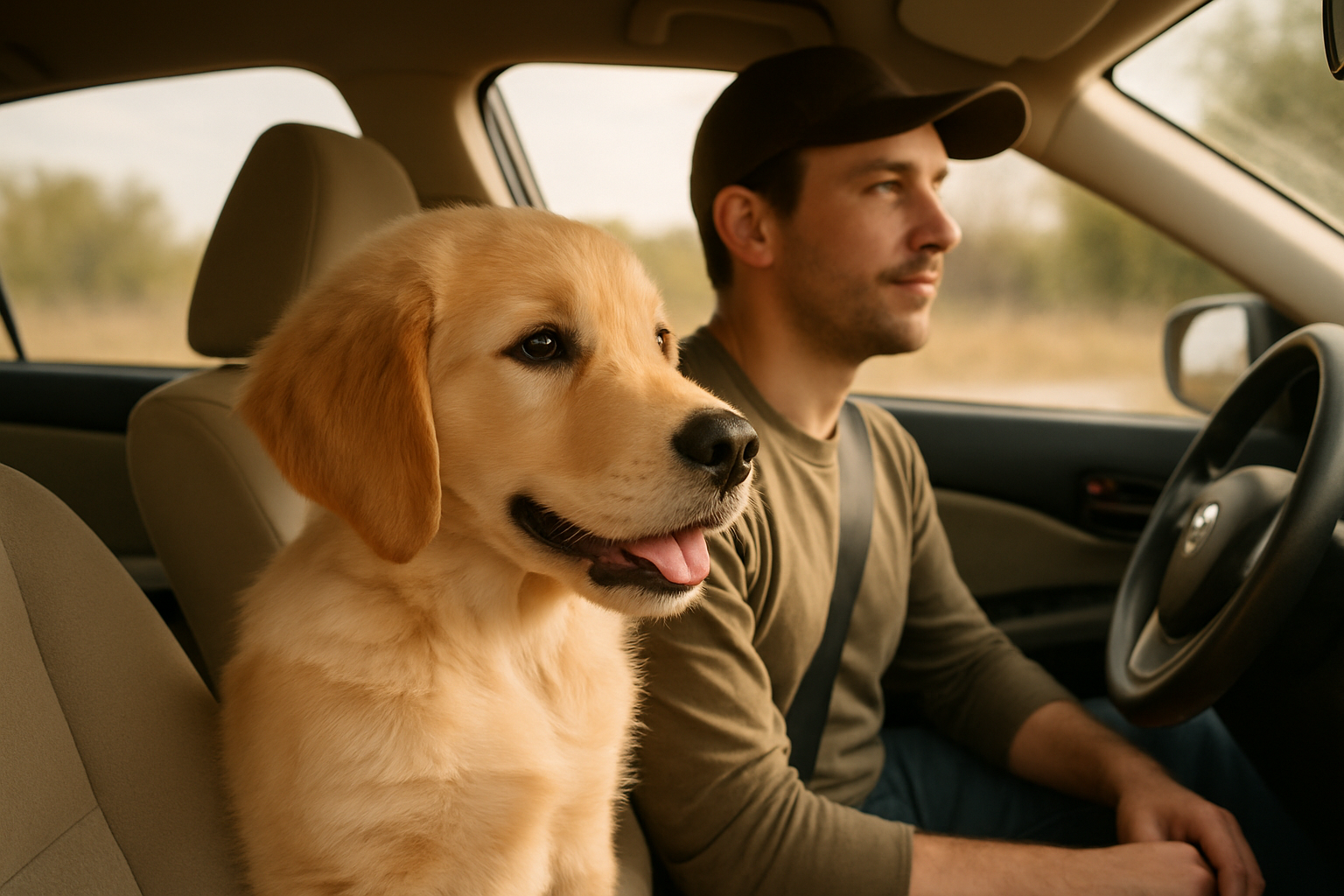
Why Most Puppies Fear the Car (And What You Can Do About It)
Imagine being transported in a metal box filled with unfamiliar sounds, vibrations, and motion for the first time in your life. That's essentially what your puppy experiences during their initial car rides. Unlike humans, puppies don't intuitively understand that car rides are safe or routine. For them, it's an overwhelming sensory experience that requires patient, thoughtful training to overcome.
The good news? Puppies are remarkably adaptable learners. With the right approach, most puppies can develop not just tolerance, but genuine enjoyment of car travel within weeks. The key lies in understanding that car anxiety isn't something to "push through"—it's a training opportunity that, when handled correctly, prevents years of stress for both you and your dog. [4]
Understanding the Root Causes of Car Anxiety in Puppies
Before diving into training techniques, it's crucial to understand what's actually triggering your puppy's distress. Car anxiety rarely stems from a single cause; instead, it's usually a combination of factors.
Sensory Overload
Your puppy's inner ear, which controls balance and spatial awareness, is still developing. The combination of motion, acceleration, deceleration, and momentum can feel genuinely disorienting to a young dog. Add in unfamiliar sounds (engine noise, traffic, wind), new smells, and visual stimuli streaming past windows, and you've created an environment that's fundamentally overwhelming for a developing nervous system. [4]
Motion Sickness
Motion sickness is surprisingly common in puppies and occurs more frequently in young dogs than adults, primarily because their vestibular system hasn't fully matured. If your puppy is vomiting or showing signs of nausea during car rides, this is a legitimate physical issue that requires veterinary attention before training can be truly effective. [4] However, even puppies prone to motion sickness can improve dramatically with proper desensitization training combined with your vet's recommendations.
Negative Past Experiences
Many puppies develop car anxiety because their first car ride was to an unpleasant destination (like a veterinary clinic) or occurred during a stressful situation. Your puppy's brain is incredibly efficient at making associations, even ones that seem illogical to us. A single negative experience can create a lasting impression that the car means something bad is coming. [3]
Lack of Early Exposure
Responsible breeders often introduce puppies to car rides before they leave their mother. If your puppy never experienced a car before arriving at your home, they're starting from zero with no positive associations to build upon. [4]
The Foundation: Safety First
Before beginning any training, establish safe car practices. A stressed puppy who's also unsecured is a dangerous combination for everyone in the vehicle.
- Secure Your Puppy Properly: Use a crash-tested crate, harness, or car seat in the back seat. Never allow your puppy to roam freely or sit in your lap while driving. This protects them during sudden stops or accidents and minimizes driver distraction. [1]
- Choose the Right Seating Location: Always place your puppy in the back seat. This is the safest location and also prevents them from becoming a distraction while you're driving. [1]
- Control Window Exposure: While many puppies love sticking their heads out windows, this poses serious risks including eye and ear injuries from debris and wind speed. Crack windows only a few inches for fresh air circulation, which can also help with motion sickness. [1]
- Address Medical Issues First: Before starting training, consult your veterinarian if your puppy shows signs of motion sickness. Your vet may recommend feeding adjustments, medication, or other interventions that will make training more effective. [3]
The Gradual Desensitization Protocol: Step-by-Step Training
Desensitization works by gradually introducing your puppy to car-related stimuli in a controlled, positive way. The goal is to build positive associations before anxiety has a chance to develop or escalate. This process typically takes 2-4 weeks, depending on your puppy's temperament and starting point.
Phase 1: Making Friends With the Parked Car (Days 1-3)
Objective: Create positive associations with the vehicle itself, with zero pressure.
Start by introducing your puppy to the car while it's completely stationary and the engine is off. This removes all the overwhelming sensory elements and lets your puppy focus on exploration.
- Open all car doors and let your puppy investigate at their own pace
- Bring high-value treats (small pieces of cheese, chicken, or special training treats) and their favorite toys
- Sit in the back seat and play games with your puppy inside the car
- Make it a fun, pressure-free experience—no forcing them in or out
- Keep sessions short (5-10 minutes) and end on a positive note
- Repeat this 2-3 times daily if possible
During this phase, your puppy learns that the car is a place where good things happen. They'll start forming positive neural pathways associated with the vehicle. [3]
Phase 2: Introducing Engine Sounds (Days 4-7)
Objective: Desensitize your puppy to engine noise without any motion.
Once your puppy is comfortable being in the parked car, gradually introduce new sensory elements.
- Bring your puppy into the car and settle them in their secure spot (crate or harness)
- Offer a long-lasting treat like a lick mat or chew toy to create positive associations
- Turn on the engine for just 30 seconds, then turn it off
- Immediately reward your puppy with treats and praise
- Gradually extend the duration: 30 seconds → 1 minute → 2 minutes → 5 minutes
- Play soft music or calming audio during these sessions
- Keep the car well-ventilated
The key here is pairing the engine noise (a potential trigger) with positive reinforcement. Your puppy begins to think, "Engine noise means treats and good things happen." [3]
Phase 3: Minimal Motion Practice (Days 8-14)
Objective: Introduce gentle movement in a controlled environment.
Now you're ready to add motion to the equation. For this phase, you'll benefit from having a helper—ideally someone your puppy knows and trusts.
- Have your helper sit in the back seat with your puppy, providing treats and comfort
- Start with very short movements: backing up and down your driveway
- Keep speeds extremely slow and movements gentle
- Your helper should maintain a calm, positive demeanor and continue offering rewards
- Gradually progress to driving around the block (still with your helper in back)
- Keep these sessions brief—5-10 minutes maximum
- Always end on a positive note before your puppy shows signs of stress
During this phase, your puppy's developing vestibular system begins adapting to motion in a low-stress environment. The presence of your helper provides emotional support and ensures continuous positive reinforcement. [3]
Phase 4: Building Duration and Distance (Weeks 3-4)
Objective: Extend car time and introduce varied driving conditions.
Once your puppy shows comfort during short rides, gradually increase complexity.
- Take longer routes, progressing from around-the-block to 10-15 minute drives
- Vary your routes to introduce different road conditions and traffic patterns
- Drive to dog-friendly destinations (parks, beaches, outdoor patios) rather than just the vet
- Maintain the positive reinforcement: treats, toys, and praise throughout
- Practice calm entry and exit behaviors (sitting before getting in, waiting before exiting)
- Gradually reduce the frequency of treats as your puppy becomes more comfortable
The critical element here is associating car rides with positive destinations, not just stressful ones. This creates lasting positive associations that extend beyond the car itself. [1]
Advanced Techniques for Confident Car Travel
Teaching Calm Entry and Exit Behaviors
Overly excited or anxious entries and exits can perpetuate car anxiety. Teach your puppy to wait calmly before entering or exiting the vehicle.
- Have your puppy sit in front of the open car door
- Wait for calm behavior, then give the "load up" command and reward entry
- Before exiting, have them sit again and wait for your release command
- This teaches impulse control and reduces the emotional intensity around car transitions
These threshold behaviors significantly reduce car-related anxiety because they give your puppy a predictable, calm routine. [1]
Leveraging Social Learning
If you know a confident, car-loving dog, occasional rides with this canine buddy can work wonders. Dogs learn from observing other dogs, and a calm, happy companion can demonstrate that car rides are safe and enjoyable. Make sure these rides end at fun destinations to reinforce the positive association. [3]
Environmental Modifications
Small adjustments to the car environment can significantly impact your puppy's comfort:
- Music and Sound: Soft, calming music or white noise can mask jarring traffic sounds and create a soothing atmosphere
- Familiar Scents: Include a blanket with familiar smells from home or littermates
- Temperature Control: Ensure the car is well-ventilated and at a comfortable temperature
- Positioning: Some puppies feel more secure when they can see out the window; others prefer a more enclosed crate setup
Managing Your Own Behavior
Puppies are remarkably perceptive. If you're stressed, frustrated, or anxious about the car ride, your puppy will pick up on these emotions and mirror them. Maintain a calm, positive demeanor throughout training. If you experience road rage or frustration while driving with your puppy, they may interpret your emotional state as a threat or sign that car rides are dangerous. [3]
Troubleshooting Common Challenges
Your Puppy Refuses to Enter the Car
If your puppy won't voluntarily enter the vehicle, back up several phases in your training. Return to having your puppy explore the parked car at their own pace. You might also try:
- Sitting inside the car yourself and inviting your puppy to join you
- Opening both back doors and having a helper on one side while you're on the other, encouraging your puppy to jump through
- Using an especially high-value treat that only appears during car training
Never force your puppy into the car, as this creates negative associations that set back your training significantly. [1]
Motion Sickness Continues Despite Training
If your puppy continues vomiting after 3-4 weeks of desensitization training, consult your veterinarian. They may recommend:
- Anti-nausea medication for car rides
- Feeding adjustments (smaller meals before travel)
- Prescription calming supplements
- Referral to a veterinary behaviorist
Remember that motion sickness in puppies often improves naturally as they mature (typically by 12 months), but training accelerates this improvement significantly. [4]
Your Puppy Shows Extreme Anxiety or Aggression
If your puppy displays severe anxiety symptoms (excessive panting, drooling, trembling, destructive behavior) or shows aggression during car rides, consider consulting a certified professional dog trainer or veterinary behaviorist. These responses may indicate underlying anxiety disorders that benefit from professional intervention alongside your desensitization training.
What to Avoid: Common Training Mistakes
- Moving Too Quickly: Rushing through phases because you're eager to take road trips is the most common mistake. Let your puppy set the pace.
- Only Driving to Unpleasant Destinations: If your puppy only experiences car rides ending at the vet clinic, they'll develop a strong negative association. Balance vet visits with fun destinations.
- Inconsistent Reinforcement: Positive reinforcement only works if it's consistent. Every successful car experience should be rewarded.
- Skipping Safety Measures: Never compromise on proper restraint to make your puppy "more comfortable." A loose puppy in a moving vehicle is a safety hazard.
- Punishing Fear Responses: Yelling at or punishing your puppy for anxiety only increases their fear. Stay patient and positive.
The Timeline: What to Expect
Every puppy is unique, but here's a realistic timeline for most puppies:
- Week 1: Your puppy becomes comfortable in a stationary car and with engine noise
- Week 2: Your puppy tolerates gentle motion and short drives without excessive stress
- Week 3-4: Your puppy shows genuine comfort and may even display excitement about car rides
- Month 2+: Your puppy becomes a confident car traveler and can enjoy longer journeys
Some puppies progress faster; others need more time. There's no prize for speed—the goal is building lasting, genuine comfort with car travel.
Your Action Plan: Starting Today
Ready to transform your puppy's relationship with the car? Here's what to do right now:
- Schedule a vet check: Rule out motion sickness or other medical issues
- Gather supplies: Collect high-value treats, a secure crate or harness, and your puppy's favorite toys
- Start Phase 1 today: Spend 5-10 minutes letting your puppy explore the parked car with treats and play
- Commit to consistency: Plan for 2-3 short training sessions daily for the next 2-4 weeks
- Track progress: Note which phases your puppy completes and any challenges you encounter
- Celebrate wins: Every small improvement is worth acknowledging and rewarding
Car anxiety in puppies is incredibly common, but it's also highly trainable. With patience, positive reinforcement, and gradual desensitization, your anxious puppy can become a confident, happy car traveler. The investment you make in this training now will pay dividends throughout your puppy's life, opening up a world of adventures you can share together.