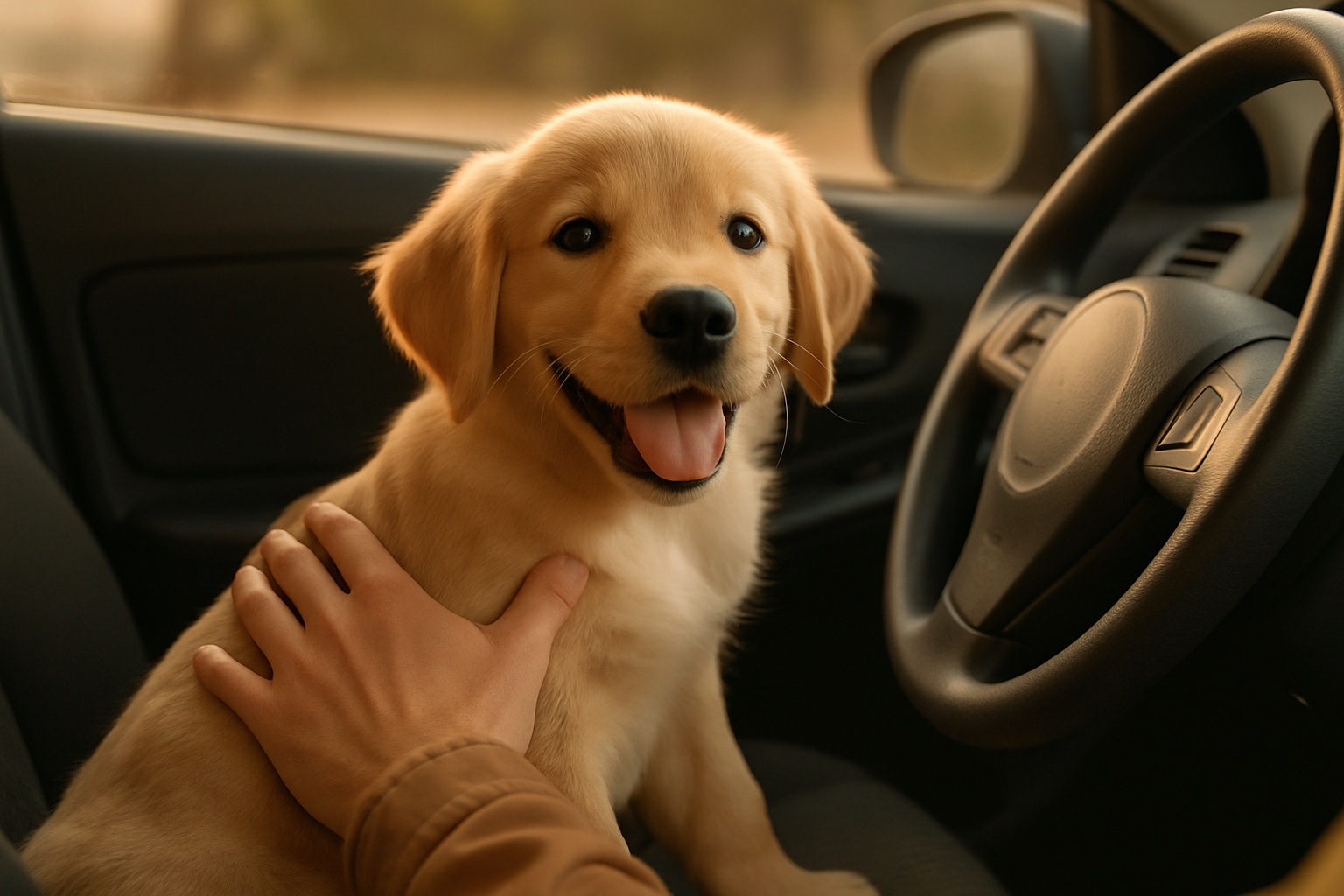
How to car train a dog begins with understanding that the first few months are a critical window for introducing your pup to vehicles. Unlike adult dogs that may already harbor fears, puppies have a remarkable ability to adapt to unfamiliar situations when introduced gradually and positively.[3] This developmental advantage means investing time in car training now prevents anxiety issues that could plague your dog for years to come. With patience, consistency, and the right approach, even nervous puppies can learn to view car rides as exciting adventures rather than terrifying ordeals.
Why Early Car Training Matters for Your Puppy
Bringing home a new puppy is thrilling, but many new pet parents don't realize that the first few months are a critical window for introducing your pup to new experiences—including car travel. Unlike adult dogs that may already harbor fears about vehicles, puppies have a remarkable ability to adapt to unfamiliar situations when introduced gradually and positively. [3] This developmental advantage means that investing time in car training now prevents anxiety issues that could plague your dog for years to come.
The statistics are sobering: approximately 65% of pet owners report their dogs showing anxiety during car rides. [2] However, this doesn't have to be your story. With patience, consistency, and the right approach, even the most nervous puppies can learn to view car rides as exciting adventures rather than terrifying ordeals.
Understanding Puppy Car Anxiety
Before we dive into training techniques, it's important to understand why puppies find cars intimidating. Your vehicle is a sensory overload for a young pup: unfamiliar engine sounds, vibrations, motion, and the confinement of an enclosed space can all trigger stress responses. Additionally, puppies moving to their new homes or visiting the vet for the first time often associate car rides with scary or uncomfortable experiences, which can cement negative associations. [4]
Recognizing anxiety signs early allows you to address concerns before they escalate into serious behavioral problems. Watch for restlessness, excessive barking, whining, heavy panting, drooling, shaking, or trembling during rides. [2] Some puppies may also pace constantly or shift their weight repeatedly. These physical and vocal cues tell you your puppy needs more time to acclimate at a slower pace.
Phase 1: The Stationary Car Introduction
The foundation of successful car training begins before the engine even starts. This phase is all about familiarization and building positive associations in a low-pressure environment.
- Step 1: Open Exploration - Start by simply letting your puppy explore the vehicle with the doors open and the engine off. Allow them to sniff around, investigate different areas, and get comfortable with the space at their own pace. This casual introduction removes the pressure and lets your pup's natural curiosity lead. [3]
- Step 2: Designated Comfort Zone - Create a specific area where your puppy will travel. This might be the back seat or cargo area. Make this spot inviting with a soft blanket or mat. Puppies feel more secure on solid, stable surfaces rather than soft car seats that shift beneath them, so placing your pup on the floor or in a crate provides better balance and confidence. [3]
- Step 3: Extended Stationary Time - Gradually increase the time your puppy spends in the parked car. Sit with them, offer treats, and make the experience rewarding. Repeat this several times over multiple days until your puppy shows no signs of anxiety when sitting in the vehicle.
- Step 4: Engine Introduction - Once your puppy is comfortable in the stationary car, turn on the engine while they're inside. Keep it running for just a few seconds at first, then turn it off. Reward calm behavior with praise and treats. Gradually extend the time the engine runs over several sessions until your puppy remains relaxed with the engine on. [3]
Phase 2: Short Practice Drives
After your puppy demonstrates comfort with the stationary car and engine sounds, it's time for actual movement—but start incredibly short.
- First Ride: The Block Loop - Take your puppy for a very brief ride, just to the end of the street and back. This might only last 2-3 minutes. The goal is exposure to motion without overwhelming your pup. Shower them with praise and treats when you return home. [3]
- Gradual Distance Increases - Over the next week or two, gradually extend your drives. Move from the block to a short neighborhood route, then to slightly longer distances. The key is consistency—take these practice drives multiple times per week so your puppy builds confidence through repetition. [2]
- Vary Your Destinations - Once your puppy is comfortable with motion, occasionally drive to positive destinations like a park or a friend's house (never just to the vet's office initially, as this creates negative associations). This teaches your puppy that car rides lead to fun experiences, not just medical appointments.
- Maintain Routine Consistency - Keep your departure routine similar each time. This predictability helps anxious puppies feel more secure. Use the same door, the same spot in the car, and the same pre-departure ritual. [2]
Essential Safety Equipment for Puppy Travel
Proper restraint isn't just about comfort—it's about safety for your puppy and everyone in the vehicle. Unrestrained puppies can become projectiles during sudden stops, and they're also prone to distraction and escape attempts.
- Crates - A properly-sized travel crate serves multiple purposes: it keeps your puppy safely confined, provides a stable surface for better balance, and creates a den-like space that many puppies find comforting. The crate should be large enough for your puppy to turn around and lie down, but not so large that they slide around during turns or stops. [3] Pro tip: crate train your puppy before putting them in a car crate. [3]
- Dog Harnesses and Seatbelts - Always pair a harness with a dog seatbelt, never attach a seatbelt to your puppy's collar. If your pup slips off the seat while you're driving, a collar attachment could choke them. [3] A properly fitted harness distributes restraint forces more safely across their body.
- Dog Barriers - Barriers that separate the cargo area from the passenger cabin are excellent for SUVs, keeping your puppy contained while allowing them to stand and shift weight naturally. [3]
- Comfort Items - Include a soft blanket or favorite toy to help your puppy settle. Familiar scents and textures provide reassurance during travel. [4]
Managing Motion Sickness in Puppies
Some puppies experience motion sickness during car rides, characterized by excessive drooling, vomiting, or nausea. The good news is that many puppies naturally outgrow this as their inner ear develops and they become acclimated to motion. [2]
To minimize motion sickness:
- Avoid feeding your puppy immediately before a car ride—wait at least 1-2 hours
- Keep the car well-ventilated and at a comfortable temperature
- Drive smoothly, avoiding rapid acceleration and hard braking
- Take frequent breaks on longer journeys to let your puppy stretch and potty
- Consult your veterinarian if motion sickness persists—they may recommend medication for longer trips [4]
Positive Reinforcement Strategies
The most effective training tool at your disposal is positive reinforcement. Every calm moment in the car should be rewarded, which teaches your puppy that good behavior in vehicles leads to good things.
- High-Value Treats - Use special treats your puppy only gets during car rides. These should be small, soft, and something your pup goes crazy for. Offer them frequently during practice drives to build positive associations. [2]
- Verbal Praise and Affection - Your enthusiastic voice and physical affection are powerful reinforcers. When your puppy remains calm, offer genuine praise: "Good car ride!" combined with gentle petting.
- Interactive Toys - Puzzle toys or stuffed Kongs can keep your puppy engaged during longer drives, redirecting any anxiety into productive activity. [4]
- Celebrate Small Wins - Every milestone deserves recognition. Did your puppy stay calm for 5 minutes? That's success. Build from there. [2]
Pre-Trip Preparation Checklist
Before embarking on any car journey with your puppy, ensure you're fully prepared:
- Current vaccination records and health certificate (required for interstate travel and flying) [3]
- Updated ID tag with your contact information securely attached to their collar [3]
- Microchip with current contact information registered [3]
- Portable water bowl and fresh water [4]
- Puppy pads, paper towels, and wet wipes for accidents [4]
- Appropriate restraint equipment (crate, harness, or barrier)
- Comfort items (blanket, familiar toys)
- Any necessary medications or preventative treatments [3]
- Two leashes (one primary, one backup) [3]
- Blankets for temperature regulation [4]
Common Mistakes to Avoid
Even well-intentioned owners sometimes make training missteps that can setback progress:
- Rushing the Process - Jumping to long drives before your puppy is ready creates negative associations that are hard to undo. Patience now pays dividends later. [4]
- Inconsistent Training - Skipping practice sessions or inconsistent routines confuses puppies and slows progress. Aim for regular, frequent short trips rather than sporadic long ones. [2]
- Punishing Anxiety Behaviors - Never scold or punish your puppy for showing fear or anxiety. This increases stress and damages your relationship. Instead, focus on rewarding calm behavior. [2]
- Allowing Loose Travel - Never let your puppy roam free in the car, even for short trips. This is dangerous for your puppy and distracting for you as the driver. [4]
- Ignoring Early Warning Signs - If your puppy shows signs of anxiety, address them immediately rather than hoping they'll disappear. Early intervention prevents escalation. [2]
Long-Term Benefits of Car Training
The investment you make in car training now extends far beyond just comfortable vet visits. Dogs accustomed to car travel show reduced anxiety in other situations and adapt more readily to change. [2] Additionally, a calm dog in the car means a safer driving experience for you, fewer distractions, and the freedom to include your puppy in your daily activities and adventures.
Perhaps most importantly, successful car training builds trust and strengthens your bond. Your puppy learns that you're guiding them through new experiences safely, creating a foundation of confidence that benefits your entire relationship. [2]
Key Takeaways
Introducing your puppy to car rides doesn't have to be stressful. By following these evidence-based steps, you're setting your puppy up for a lifetime of comfortable travel:
- Start early and take advantage of the puppy window for learning and adaptation
- Progress slowly through stationary car exploration before attempting movement
- Invest in proper safety equipment that provides both security and comfort
- Use consistent positive reinforcement to build positive associations
- Recognize and address anxiety signs early
- Maintain routine and consistency in your training approach
- Celebrate progress, no matter how small
Remember, every puppy progresses at their own pace. Some take a few weeks to become comfortable while others need more time—and that's perfectly normal. Your patience and commitment to making car rides positive will pay off with a confident, well-adjusted adult dog who's ready for any adventure.