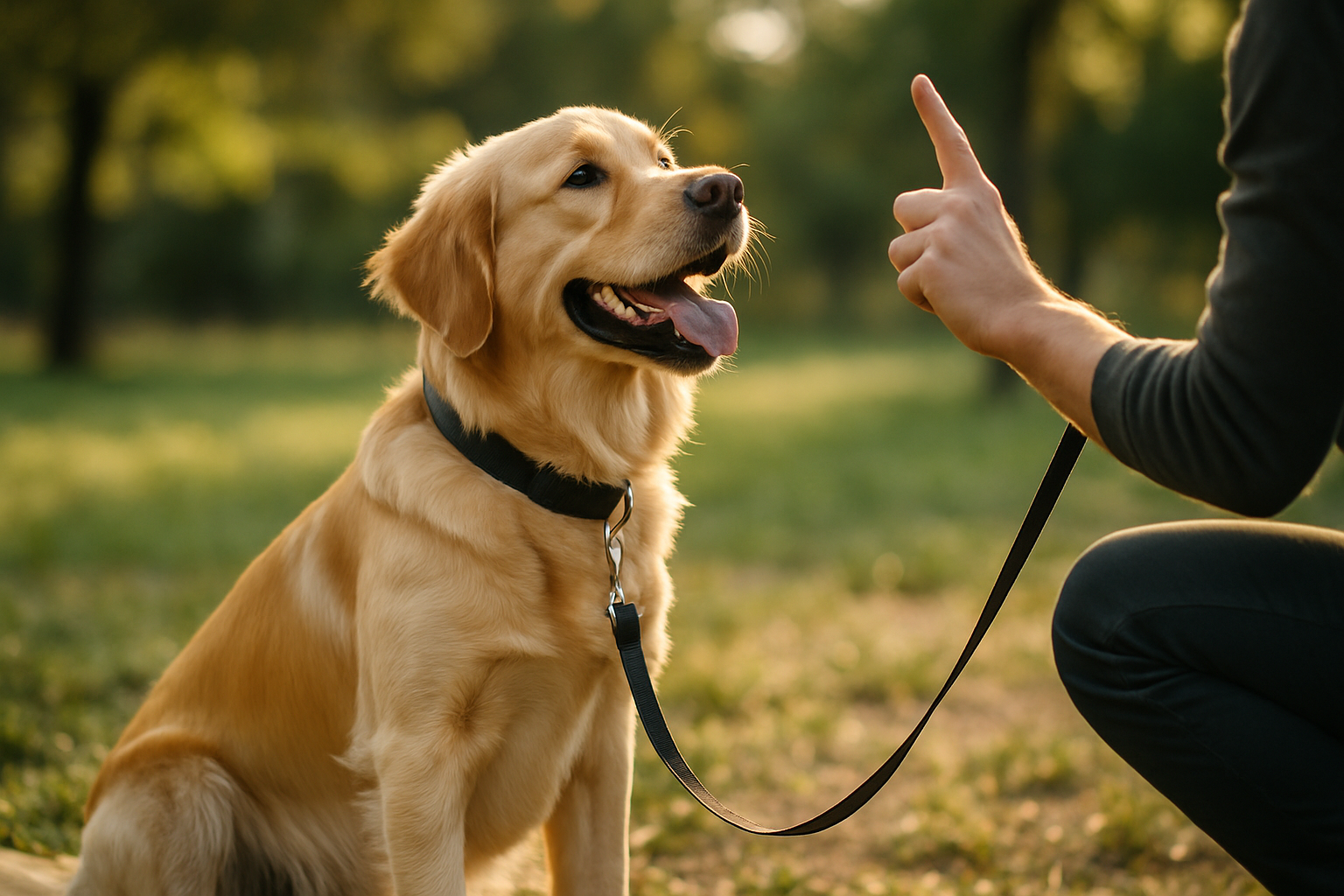
Why Puppy Training Matters More Than Ever
If you're a new puppy owner, you've probably felt the mix of excitement and uncertainty that comes with bringing home a furry friend. The good news? Training your puppy isn't just about teaching commands—it's about building confidence, supporting their mental health, and creating a safe, enjoyable life together. [1] Over 70% of households in the U.S. now own a dog, and as communities become more densely populated, well-trained puppies aren't just nice to have—they're essential. [1] A trained puppy is a safer puppy, and the effort you invest now pays dividends for years to come.
Understanding How Puppies Learn
Before diving into commands and tricks, it's crucial to understand that puppies don't learn the way humans do. Dogs are intelligent animals, but their learning process is fundamentally different from ours. [1] The most effective training method is positive reinforcement—rewarding your puppy for correct behavior so they're motivated to repeat it. [1]
Here's the core principle: when your puppy performs a desired behavior and receives an immediate reward, they begin to associate that behavior with something positive. This creates a clear mental connection that drives future behavior.
The foundation of effective puppy training rests on three pillars:
- Timing: Rewards must come immediately after the correct behavior. If you wait even a few minutes, your puppy won't understand which action earned the reward. [1]
- Repetition: Consistent practice across multiple short sessions builds lasting learning. [1]
- Consistency: Everyone in your household must use the same commands, cues, and reward systems. Inconsistency creates confusion and stalls progress. [1]
Setting Up Your Puppy Training Environment
Success starts before you teach the first command. Creating the right training environment removes distractions and helps your puppy focus on learning.
- Choose a quiet space: Find an area with minimal distractions where you and your puppy can concentrate. This might be a spare room, a quiet corner of your home, or a peaceful outdoor spot.
- Keep sessions short: Puppies have very short attention spans. Training sessions should last 5–15 minutes, ideally happening 2–3 times daily rather than one long session. [1] Multiple brief sessions are far more effective than occasional lengthy ones.
- Gather your tools: Have treats, toys, and a marker (clicker or a specific word like "yes!") ready before you start. [1]
- Know your puppy's motivators: Every puppy is different. Some are food-motivated, others prefer toys or verbal praise. Identify what your puppy wants most and use that as your primary reward. [1]
Essential Training Tools Explained
Modern puppy training uses specific tools that make communication clearer and learning faster:
- Markers: A marker is a word or sound (like a clicker) that signals to your puppy "that exact behavior earned you a reward." [1] Markers bridge the gap between the moment your puppy performs correctly and when they receive the reward, making the connection crystal clear.
- Lures: Lures are treats or toys used to guide your puppy into the desired position. [1] For example, holding a treat near your puppy's nose and moving it upward naturally encourages them to sit.
- Rewards: These are the consequences that make behavior worth repeating—food, toys, play, or praise. [1]
What to Avoid: Punishment-based training methods create fear and anxiety, which actually decreases your puppy's ability to learn through positive reinforcement. [1] Modern training science consistently shows that force-free, reward-based methods produce faster, more reliable results and stronger bonds between you and your puppy.
Teaching the Foundation Commands
These basic commands form the foundation for everything else your puppy will learn:
Sit
Sit is often the easiest first command because it's a natural behavior puppies already perform.
- Hold a treat close to your puppy's nose
- Slowly move the treat upward and back over their head
- As their rear naturally lowers toward the ground, say "sit" [1]
- The moment their bottom touches the ground, mark the behavior ("yes!" or click) and immediately reward [1]
- Repeat this 5–10 times during a training session
- Practice in multiple short sessions across several days until your puppy reliably sits when you give the cue
Stay
Stay teaches impulse control and patience—valuable skills for safety.
- Start with your puppy in a sitting position
- Hold your palm out toward them and say "stay" [1]
- Take a single step away and immediately reward them for staying put [1]
- Gradually increase both the distance you step away and the time they hold the stay, but start with just a few seconds and the smallest possible distance [1]
- If your puppy breaks the stay, simply reset and try again—no punishment needed
- Celebrate every success, no matter how small
Come (Recall)
A reliable recall keeps your puppy safe in open spaces and off-leash situations.
- Begin indoors where distractions are minimal
- Say your puppy's name followed by "come" and reward them enthusiastically as soon as they reach you [1]
- Gradually introduce small distractions, then move training outdoors [1]
- Critical tip: Never use recall as punishment. If you call your puppy to come and then scold them, they'll learn that coming to you leads to negative consequences, making recall unreliable. [1] Always make coming to you the best decision they can make.
Leave It
This command protects your puppy from harmful objects and behaviors.
- When your puppy approaches something they shouldn't touch, show them a treat you're holding [1]
- Say "leave it" while making a fist with your other hand [1]
- Reward them with the treat from your open hand, not the object they were approaching [1]
- With repetition, your puppy learns that ignoring tempting items results in rewards
The Power of Consistency and Repetition
You'll notice that consistency is mentioned repeatedly throughout this guide—because it's that important. Puppies thrive on predictability. When everyone in your household uses the same command words, the same reward timing, and the same expectations, your puppy's learning accelerates dramatically. [1]
Consider this scenario: if one family member rewards your puppy for jumping up while another discourages it, your puppy becomes confused about whether jumping is acceptable. This inconsistency slows learning and can create frustration for both you and your puppy.
Create a simple house rules sheet and share it with everyone who interacts with your puppy. Include the exact command words you're using, the rewards your puppy responds to best, and the behaviors you're working on. This simple step dramatically improves outcomes.
Common Training Mistakes to Avoid
- Delayed rewards: If you reward your puppy several minutes after they perform correctly, they won't connect the behavior to the reward. Timing is everything. [1]
- Inconsistent commands: Using "sit down," "sit," and "get down" interchangeably confuses your puppy. Pick one word and stick with it.
- Skipping the environment setup: Training in noisy, distracting environments makes learning much harder. Start simple and gradually add complexity.
- Punishment-based corrections: Yelling, physical punishment, or negative reinforcement creates fear and damages the trust between you and your puppy. [1] Positive methods work faster and build a stronger bond.
- Ignoring motivation: If your reward doesn't actually motivate your puppy, they won't be engaged. Experiment to find what your puppy loves most. [1]
- Training sessions that are too long: A 30-minute training session will exhaust your puppy's attention span and create frustration. Multiple 10-minute sessions are far more effective.
Building a Training Schedule That Works
Consistency requires a realistic plan. Here's how to structure training into your daily routine:
- Morning session (5–10 minutes): Before breakfast or first thing after waking, practice one command your puppy is currently learning
- Midday session (5–10 minutes): Practice a different command or reinforce yesterday's learning
- Evening session (5–10 minutes): End the day with a fun, confidence-building command your puppy already knows well
This approach keeps training fresh, prevents boredom, and ensures multiple learning opportunities daily. Even 15–30 minutes total per day produces remarkable results within 2–3 weeks. [5]
Resources to Deepen Your Understanding
While hands-on practice is essential, reading quality training books can dramatically accelerate your learning and confidence. [2] Books grounded in behavioral science help you understand not just what to do, but why it works. [5] This deeper understanding makes you a more effective trainer and helps you troubleshoot problems independently.
Recommended reading includes titles that explain positive reinforcement principles, learning theory, and practical step-by-step guidance. [2] Many of these resources are available as audiobooks, making them accessible during your commute or while doing household tasks. [2]
When selecting resources, prioritize those that emphasize force-free, science-based, welfare-focused training methods. [2] Avoid outdated punishment-based approaches that contradict modern behavioral science.
When to Seek Professional Help
While this guide covers foundational training, some situations benefit from professional support. Consider working with a certified trainer if:
- Your puppy shows signs of fear, anxiety, or aggression
- Training isn't progressing despite consistent effort
- Your puppy has severe reactivity around other dogs, people, or environments
- You're dealing with complex behavioral issues
A qualified trainer can observe your specific situation, personalize advice, and provide hands-on guidance that books and guides cannot replicate. [2]
Key Takeaways for Puppy Training Success
Training your puppy is one of the most rewarding investments you can make. Here's what matters most:
- Use positive reinforcement exclusively—reward the behaviors you want to see more of [1]
- Timing is critical; reward immediately after correct behavior [1]
- Keep sessions short (5–15 minutes) and frequent (2–3 times daily) [1]
- Maintain consistency across all family members and situations [1]
- Identify what truly motivates your individual puppy and use that as your reward [1]
- Avoid punishment-based methods that create fear and anxiety [1]
- Stay patient—learning is a process that takes time [4]
- Consider supplementing hands-on training with quality educational resources [2]
Your puppy is eager to learn and bond with you. By following these evidence-based principles, you're setting them up for confidence, good behavior, and a lifetime of positive interactions with the world around them. Start today, stay consistent, and celebrate every small success along the way.