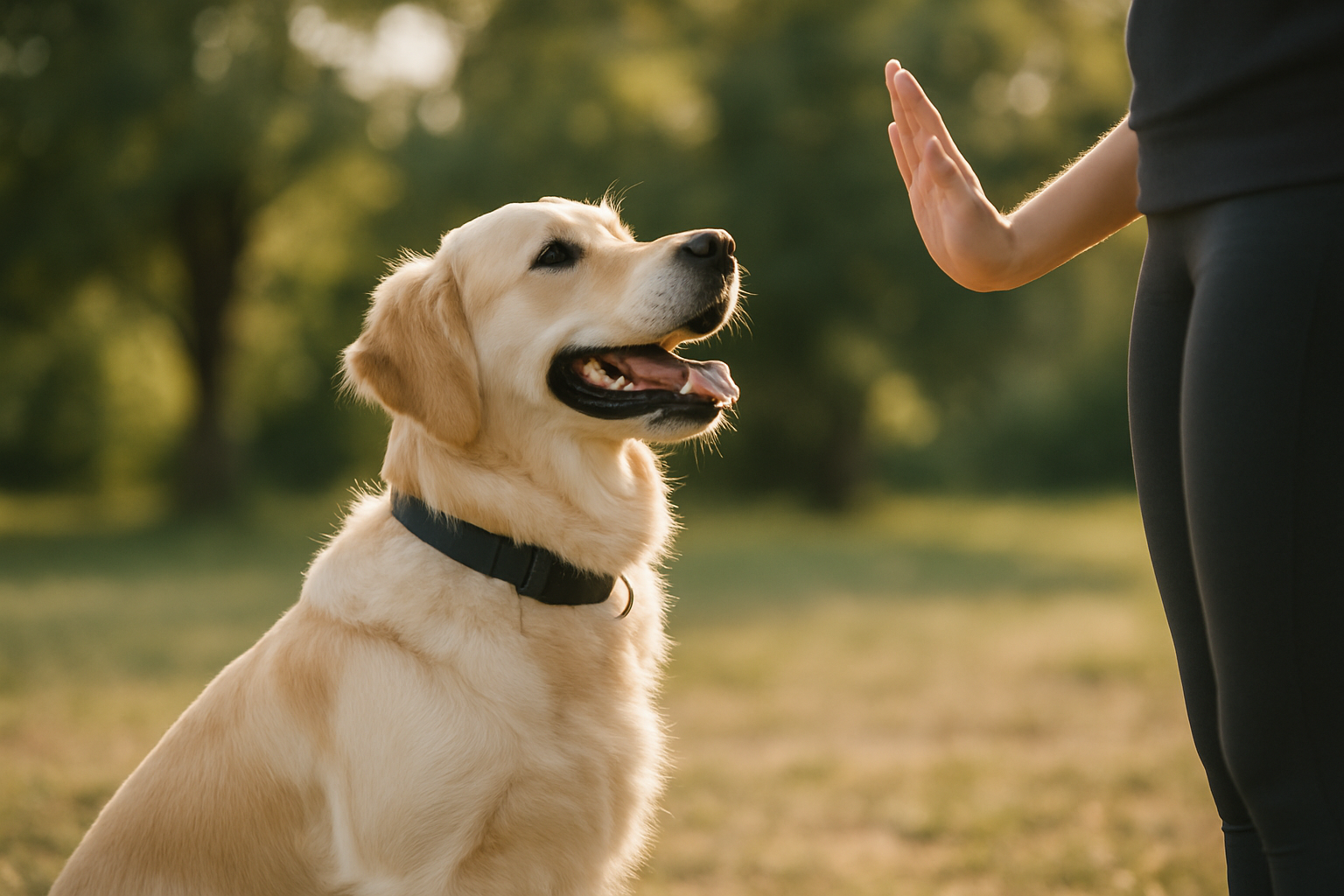
A puppy training guide should give you clarity on what matters most—and when. Bringing home a puppy is exciting and overwhelming, but puppyhood is a high-stakes developmental period that's also incredibly forgiving if you understand what to focus on. Your puppy's brain undergoes massive development during their first 16 weeks of life, when roughly 90% of a dog's permanent temperament is established[5]. The good news: you don't need to be a professional trainer to raise a well-behaved dog. You need a clear roadmap, consistency, and the right foundation. This guide walks you through everything you need to know about puppy training—from the moment your puppy arrives home through their first year and beyond.
Puppy Training: A Practical Guide for New Owners
Your new puppy is adorable, energetic, and—let's be honest—a lot of work. Those tiny teeth, the accidents on the carpet, the relentless chewing, the jumping on guests. It's exhausting when your puppy only listens in the kitchen and ignores every command the moment you step outside. You wonder if you're doing this right, or if you've already missed some critical window.
Here's the truth: puppyhood is a high-stakes developmental period, but it's also incredibly forgiving if you understand what to focus on and when. The good news is that you don't need to be a professional trainer to raise a well-behaved dog. You need a clear roadmap, consistency, and the right foundation.
This guide walks you through everything you need to know about puppy training—from the moment your puppy arrives home through their first year and beyond.
Why Puppy Training Matters (More Than You Think)
Before diving into specific commands and techniques, understand this: approximately 70% of dogs surrendered to shelters exhibit behavioral issues that could have been prevented through early training [5]. That's not a judgment on owners—it's a wake-up call about the importance of starting early.
Your puppy's brain undergoes massive development during their first 16 weeks of life. This 56-day window is when roughly 90% of a dog's permanent temperament is established [5]. The habits, confidence levels, and behavioral patterns your puppy develops now will echo throughout their entire life.
But here's what matters most: training isn't about achieving perfection or forcing your puppy into an unnatural mold. It's about building a relationship based on trust and clear communication [1]. A trained dog is a happy dog because they understand what's expected of them, feel secure in their environment, and can safely experience the world without fear.
The Foundation: Emotional Safety Comes First
Before you teach your puppy a single command, focus on emotional health. Your puppy needs to feel safe around you [2]. This means:
- Creating a calm, predictable environment where your puppy knows what to expect
- Using positive reinforcement consistently—no yelling, punishment, or dominance-based tactics
- Building trust through interaction that shows your puppy you're a reliable, kind presence
- Respecting your puppy's boundaries and never forcing them into scary situations
Why does this matter? A puppy who learns not to trust humans—perhaps because they've been yelled at, had food stolen to "establish dominance," or been forced into frightening situations—will have an uphill battle learning life skills later. Dogs who fear people are less likely to come when called. Dogs who think people might steal their toys won't reliably drop items on command [2].
The emotional foundation you build in these early weeks determines how receptive your puppy will be to training for the rest of their life.
The Critical Socialization Window: 8 to 16 Weeks
During the first 16 weeks of your puppy's life, they're naturally curious and primed to learn about their world [2]. This isn't the time to skip outings because you're worried about disease or because your puppy "isn't fully vaccinated yet." Of course, follow your veterinarian's guidance on health precautions—but do prioritize exposure.
During this window, your puppy should become familiar and comfortable with:
- Different floor textures: carpet, tile, wood, grass, gravel, concrete, and metal grates
- Environmental sounds: traffic, sirens, thunderstorms, vacuum cleaners, doorbell chimes, and heavy machinery
- Visual stimuli: umbrellas opening, suitcases rolling, bicycles, skateboards, and strollers
- People of all types: children, elderly individuals, people wearing hats or sunglasses, and people with different body types and movements
- Other animals: friendly, vaccinated dogs and cats in controlled settings
The goal isn't just exposure—it's teaching your puppy that the world is fun, not scary [2]. Each new experience should be positive, low-pressure, and rewarded. A puppy who has been intentionally exposed to at least 12 different floor textures and 15 distinct environmental sounds before 4 months of age develops significantly more confidence than one who hasn't [5].
This structured socialization prevents the fear-based reactivity that often leads to expensive behavior modification later in life.
Training Timeline: What to Teach and When
8 to 12 Weeks: Focus on Impulse Control and Basics
Training can begin the moment your puppy comes home at 8 weeks, provided you're using positive-reinforcement methods [2]. At this age, your puppy's attention span is short (think 5 to 10 minutes), so keep training sessions brief and frequent.
Priority skills at this stage:
- "Sit" command: This is your foundation. Teach your puppy to sit before meals, before playtime, and before getting anything they want. Think of it as teaching them to say "please" instead of "gimme." Start by luring them with a treat, marking the behavior with "yes!" or a clicker, and immediately rewarding.
- Potty training: Establish a consistent schedule. Take your puppy out first thing in the morning, after meals, after naps, before bedtime, and throughout the day. Reward heavily when they eliminate outside. Accidents will happen—this is normal and expected.
- Crate training: Introduce the crate as a safe, positive space—never as punishment. This teaches your puppy to be comfortable being left alone for short periods and aids in potty training.
- Bite inhibition: Teach your puppy that mouths are not for people. When they nip, redirect to an appropriate toy. If they bite during play, end the play session briefly. Your puppy is teething and will bite—your job is to channel this behavior appropriately.
12 to 16 Weeks: Building on Foundations
By this point, your puppy should be making steady progress with potty training. They should understand that certain objects are toys and others are off-limits. They should be learning that biting people stops the fun [2].
Add these skills:
- "Come" command: Start in a low-distraction environment. Make yourself irresistible—use high-value treats, excited praise, and play. Even if your puppy's recall isn't perfect, the important thing is that they love coming to you. This is the foundation for off-leash reliability later.
- "Down" command: Lure your puppy into a down position with a treat, mark the behavior, and reward. This teaches your puppy to settle, which is essential for a peaceful home.
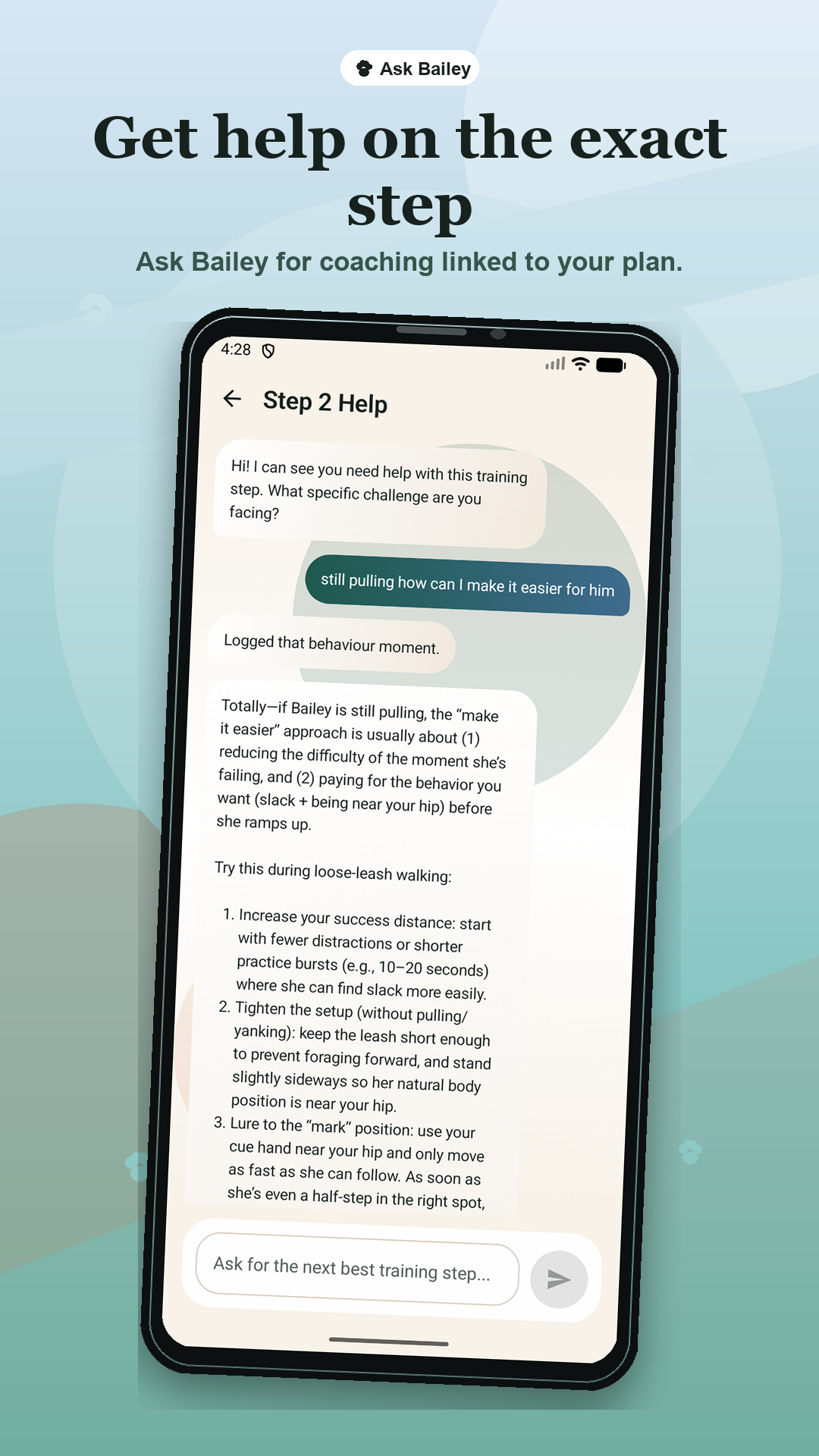
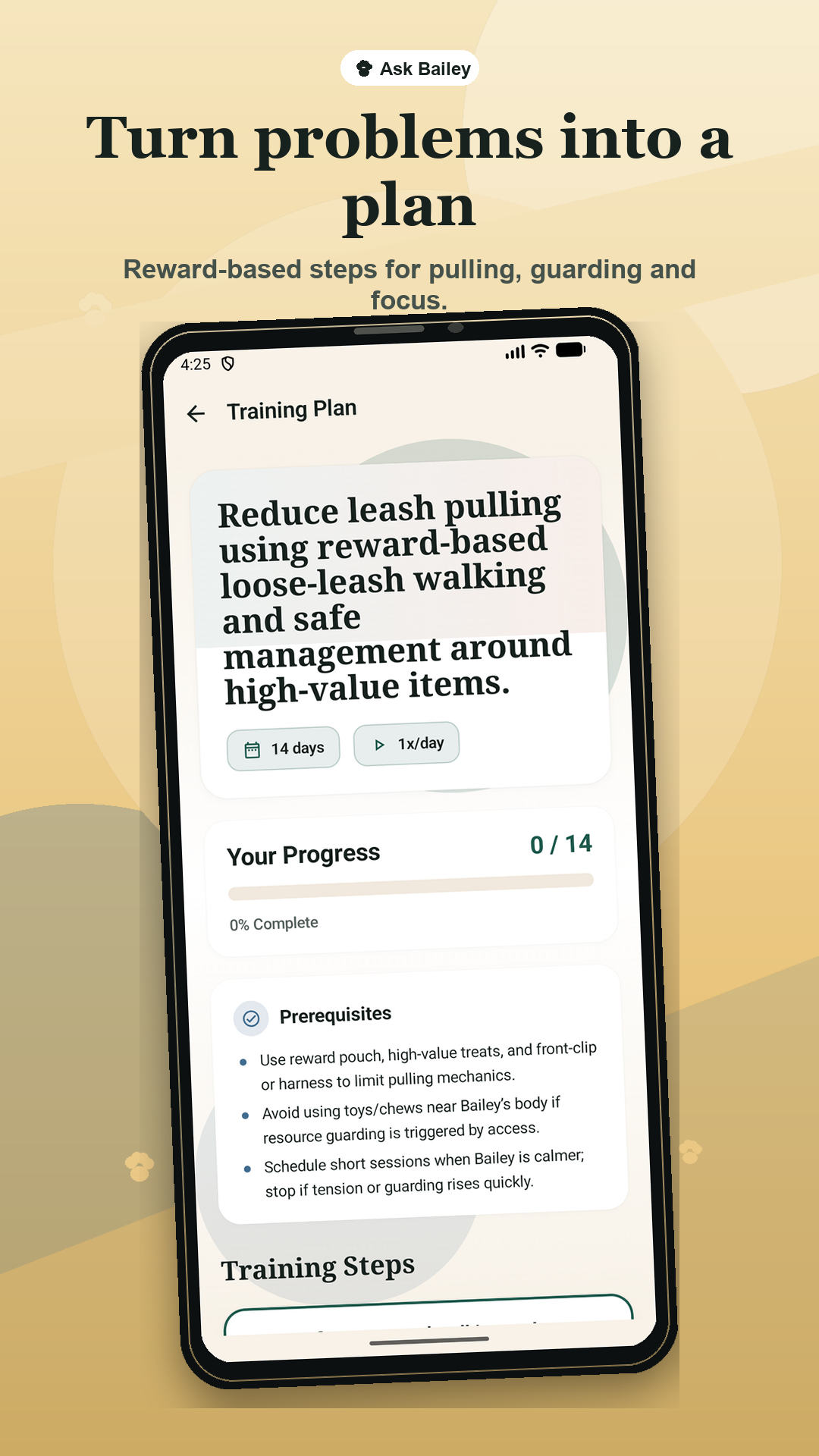
- Leash walking basics: Teach your puppy to walk beside you without pulling. Use a short leash, reward frequently for loose-leash walking, and stop moving when they pull (they learn that pulling doesn't get them anywhere).
- Polite greeting behavior: Teach your puppy to sit when greeting people instead of jumping. Have friends help you practice—they should only give attention when your puppy is sitting.
16 Weeks to 6 Months: Expanding Obedience
Your puppy is growing faster now, and their learning capacity is expanding. This is when you can introduce more complex commands and expectations [2].
- "Stay" command: Start with very short durations (2-3 seconds) and short distances. Gradually increase duration and distance as your puppy improves.
- "Leave it" and "Drop it": These are safety-critical commands. Teach them consistently so your puppy will release dangerous items.
- "Place" command: Teach your puppy to go to a designated bed or mat and stay there. This is the secret weapon for a peaceful home when guests arrive or you need your puppy out of the way.
- Loose-leash walking mastery: By now, leash walks should be pleasant. Your puppy should walk beside you without pulling, even with minor distractions.
6 Months to 1 Year: Solidifying Habits
By their first birthday, your puppy should be making solid progress on all the behaviors they'll need for life [2]. This doesn't mean perfection—it means consistent effort and noticeable improvement.
At one year, your dog should reliably:
- Sit, down, stay, and come on command
- Walk politely on a leash
- Use the bathroom in appropriate places
- Settle when asked (via the "place" command or similar)
- Respond to "leave it" and "drop it"
- Greet people politely without jumping or excessive excitement
- Understand that biting and excessive nipping are not acceptable
If your dog isn't solid on these behaviors by one year, it's not too late—but addressing them now is significantly easier than correcting a full-size dog later.
Training Methods That Actually Work
You've probably heard about different training philosophies. Here's what the evidence supports:
Positive Reinforcement is Non-Negotiable
All training should use force-free, positive-reinforcement methods [2]. This means rewarding behaviors you want to see more of and removing rewards for behaviors you don't want.
How this works in practice:
- Your puppy sits—you immediately say "yes!" and give a treat
- Your puppy jumps on a guest—you calmly remove attention (turn away, don't make eye contact, don't speak)
- Your puppy comes when called—you make it the best thing that ever happened with treats, praise, and play
Positive reinforcement isn't "soft" or "permissive." It's about creating a clear contract: "When you do X, good things happen. When you do Y, good things stop." Dogs understand this perfectly and respond reliably.
Move Beyond Treat-Only Training
Early on, luring with treats is essential. But by the third week of consistent training, your puppy should begin transitioning from following a treat to understanding the expectation itself [5]. This is the shift from "I'll do this because there's food" to "I'll do this because you asked and that's our agreement."
To make this transition:
- Gradually reduce the visibility of treats (hold them less obviously)
- Vary when treats appear (sometimes immediately, sometimes after a few seconds)
- Use other rewards: play, praise, access to the yard, a favorite toy
- Create a "binding contract" where your puppy knows that "sit" means sit every single time, regardless of whether a squirrel runs by or a car honks
Consistency is Everything
Your puppy learns through repetition and consistency. If "sit" means sit when you have a treat but is optional when you don't, your puppy will be confused. Every family member must use the same commands, the same rewards, and the same expectations.
Just 5 to 10 minutes a day of intentional, consistent training can transform your puppy's manners at home, improve leash walks, and deepen your connection [1].
Common Puppy Behaviors and How to Address Them
Jumping on People
Why it happens: Your puppy is excited and seeking attention. How to fix it: Teach "sit" as the alternative greeting. When your puppy jumps, turn away and ignore. When they sit, give attention. Guests should follow the same rule—no attention until your puppy is sitting. Timeline: This should improve significantly by 4-5 months with consistency.
Nipping and Mouthing
Why it happens: Teething, play, and exploration. This is completely normal. How to fix it: Redirect to appropriate toys. When your puppy nips during play, end the play session briefly. Teach "drop it" so your puppy learns to release items. Provide appropriate chewing outlets (rubber toys, bully sticks under supervision). Timeline: Significant improvement by 4-6 months; most puppies grow out of this by 6-8 months.
Pulling on Leash
Why it happens: Your puppy is stronger than you expected and excited about the world. How to fix it: Stop moving when your puppy pulls. Only move forward when the leash is loose. Reward frequently for walking beside you. Use a front-clip harness if needed (it naturally discourages pulling). Timeline: Noticeable improvement within 2-3 weeks of consistent practice.
Not Listening Outside
Why it happens: Outside is more exciting than your treats or praise. Your puppy has learned that commands are "optional" in high-distraction environments. How to fix it: Practice commands in increasingly distracting environments. Use higher-value rewards outside (special treats they only get outdoors). Build a strong foundation indoors first. Consider professional training if your puppy shows selective hearing. Timeline: This requires consistent practice over months, not weeks.
When to Seek Professional Help
Not every puppy needs a professional trainer, but many benefit from one. Consider professional training if:
- Your puppy shows signs of fear or aggression toward people or other dogs
- You're struggling with basic obedience despite consistent effort
- Your puppy has had a negative experience (like being attacked by another dog) that's affecting their confidence
- You want to ensure you're using the right techniques from the start
- Your puppy is a breed with specific training needs (working breeds, high-energy dogs, etc.)
- You'd like professional guidance on socialization during the critical window
Professional puppy training classes serve as a critical investment in your dog's future safety and your peace of mind [5]. A good program focuses on three pillars: focus, manners, and rock-solid obedience [5]. Look for trainers who use positive-reinforcement methods and can provide references from satisfied clients.
Avoiding Common Training Mistakes
- Starting too late: The first 16 weeks are critical. Starting training at 6 months is possible but significantly harder than starting at 8 weeks.
- Inconsistency: If some family members enforce rules and others don't, your puppy will be confused. Everyone must be on the same page.
- Punishment-based methods: Yelling, hitting, or using dominance-based techniques damages trust and often backfire, creating fear or aggression.
- Expecting perfection: Your puppy will have accidents, will forget commands, will make mistakes. This is normal. Patience and consistency are your tools.
- Skipping socialization: A well-socialized puppy becomes a confident adult dog. Skipping this step often leads to fear-based reactivity later.
- DIY training without guidance: Video tutorials and online advice can help, but they often result in "selective hearing" where your puppy only listens when they feel like it [5]. Professional guidance creates clarity and consistency.
Making Training Fun: Tricks and Mental Enrichment
Training doesn't have to feel like work. Tricks are a fantastic way to build listening skills, improve focus, and keep your puppy mentally sharp while having fun together [1].
Easy tricks to teach your puppy:
- Shake or high-five
- Spin or twirl
- Play bow
- Crawl
- Roll over
- Back up
Tricks build confidence and give you one more joyful way to connect with your dog. They also strengthen the neural pathways that make your puppy more responsive to all training. A puppy who knows tricks is usually a puppy who's more engaged overall.
Your Puppy Training Action Plan
Here's what to do starting today:
- Assess your current situation: How old is your puppy? What behaviors are working well? What needs improvement?
- Establish consistency: Get everyone in your household on the same page about rules, commands, and expectations.
- Create a training schedule: Commit to 5-10 minutes of intentional training daily. Split this into 2-3 sessions if needed.
- Start with "sit": If your puppy doesn't know this command, make it your first priority. Use it before every meal, every playtime, every reward.
- Prioritize socialization: If your puppy is under 16 weeks, make exposure to new environments, sounds, people, and safe dogs a weekly priority.
- Evaluate your training methods: Are you using positive reinforcement? Is training fun? If not, adjust your approach.
- Consider professional help: If you're struggling, unsure about techniques, or want to ensure you're on the right track, reach out to a certified trainer [1].
The Long-Term Payoff
The effort you invest in puppy training now pays dividends for the next 10-15 years. A well-trained puppy becomes a confident, obedient adult dog who can safely join you on adventures, who responds reliably in any situation, and who brings joy rather than chaos to your home.
Training strengthens the bond between you and your puppy. It's not about dominance or control—it's about clear communication and mutual trust. When your puppy understands what you expect and knows that good behavior leads to rewards, they're happier. When you understand how to communicate effectively with your puppy, you're happier.
The goal isn't perfection. It's raising a dog who is confident, safe, and ready to be part of your life in every way. That's absolutely achievable with the right foundation, consistent effort, and a little patience.
Sources & References
- https://www.playfulpupsretreat.com/blog/puppy-training-resolutions-for-2026-basic-skills-every-dog-should-know/
- https://www.akc.org/expert-advice/training/puppy-training-timeline-teaching-good-behavior-before-its-too-late/
- https://sitmeanssit.com/puppy-training-classes-the-ultimate-guide-to-real-world-results-in-2026/