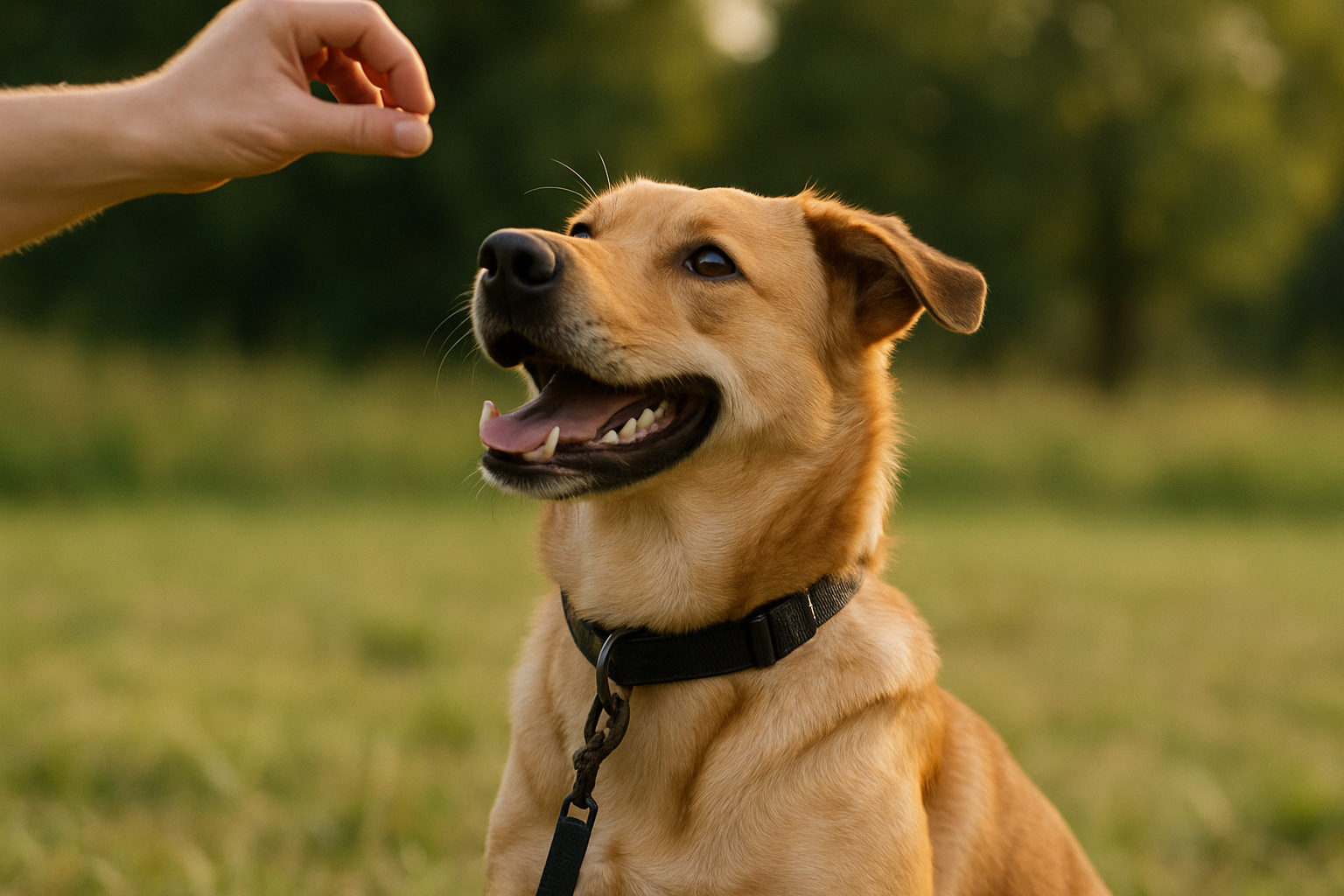
Why Puppy Training Matters More Than Ever
Your puppy isn't just learning to sit or stay. During their first 16 weeks, their brain is absorbing every interaction, forming the foundation for how they'll behave for the next decade. [5] Without clear structure, puppies develop anxiety, destructive habits, and unpredictable behavior that becomes harder to address later.
Modern puppies face more distractions than ever before—busy streets, multiple family members, other pets, travel, and long periods alone. [3] Training provides the predictability dogs need to feel secure. When your puppy understands what's expected, they're calmer, safer, and happier. And frankly, so are you.
The good news? Puppy training in 2026 is more accessible and science-backed than it's ever been. You have options ranging from structured apps to professional courses, all using positive reinforcement methods that build trust rather than fear.
Understanding Modern Puppy Training Methods
The foundation of effective puppy training rests on three core principles:
- Positive reinforcement – Reward desired behaviors with treats, praise, or play rather than correcting mistakes. This builds trust and keeps puppies engaged in learning. [2]
- Consistency – Use the same cues, routines, and rewards every time. Inconsistent rules confuse puppies and slow progress. [3]
- Repetition – Dogs learn through repetition. The more you practice a behavior in different settings, the more reliable it becomes. [3]
These methods aren't new, but they're now the standard across reputable trainers and apps. Avoid any training approach that relies on punishment, intimidation, or force. [2]
Essential Puppy Training Skills to Start Now
You don't need to teach every trick in the book. Focus on foundation skills that improve daily life and safety:
Housebreaking
Housebreaking is often the first priority for new puppy owners. [3] The process relies on establishing a predictable schedule and rewarding success:
- Take your puppy outside first thing in the morning, after meals, after naps, and before bedtime
- Choose a designated outdoor spot and use a consistent phrase like "go potty"
- Reward immediately when they go outside with treats and enthusiastic praise
- Supervise indoors at all times; use a crate or pen when you can't watch them
- Expect accidents—they're normal. Clean thoroughly with enzymatic cleaner to remove scent markers
- Consider training pads as temporary support during transitions, especially in apartment settings. [3]
Sit and Stay
These foundational commands build impulse control and make advanced training easier. [3]
Teaching "Sit":
- Start with your puppy standing
- Hold a treat close to their nose
- Slowly move it upward and back over their head
- As their head follows the treat, their bottom naturally lowers
- The moment they sit, reward immediately with the treat and praise
- Repeat 5-10 times per session, several times daily
Teaching "Stay":
- Ask your puppy to sit first
- Hold your hand up, say "stay," and take one small step back
- If they remain seated, reward immediately
- Gradually increase distance and duration as they improve
- Practice in different locations to build reliability
Leash Walking
A puppy that walks calmly on a leash is safer and more enjoyable to be around. [3] Start by making the leash a positive experience:
- Let your puppy wear a properly fitted collar and leash indoors for short periods
- Reward calm behavior on the leash with treats
- Practice walking in a quiet space before tackling busy streets
- Reward walking beside you; gently redirect if they pull
- Use a comfortable, durable leash designed for daily use
Crate Training
A properly introduced crate becomes a safe, familiar space that supports housebreaking, travel, and rest. [3] Never force your puppy into a crate:
- Leave the crate door open and place treats inside
- Let them explore at their own pace
- Feed meals near or inside the crate
- Reward calm time inside with praise
- Gradually close the door for short periods while you're nearby
- Only use the crate as a safe space, never as punishment
Choosing the Right Training Tools for Your Puppy
The right tools support training but don't replace it. [3] Here's what actually matters:
- Treat pouch – Allows you to reward behavior immediately, which helps puppies clearly understand what they're being praised for. Timing matters, especially during early learning. [3]
- Properly fitted collar and leash – Comfort and durability are essential for daily use and consistent outdoor training. [3]
- Appropriately sized crate – Your puppy should be able to stand, turn around, and lie down comfortably. Too large and they'll potty in one corner and sleep in another. [3]
- Enrichment toys – Chewing, barking, and restlessness often signal boredom or excess energy. Appropriate outlets for mental and physical stimulation are essential. [3]
- Training pads – Offer additional support during transitions or for puppies needing extra assistance with housebreaking. [3]
Using Puppy Training Apps in 2026
Training apps have evolved significantly. Modern options do more than teach commands—they help owners work through real behavior challenges using positive reinforcement, often with expert support. [1] However, choosing the right app matters.
What to Look For in a Puppy Training App
When evaluating apps, consider these criteria:
- Training methodology – Does it use positive reinforcement consistent with current behavioral science? Avoid apps promoting punishment-based methods. [1]
- Personalization – Does the plan adapt to your specific puppy's age, breed, and progress, or does every user follow the same path? [1]
- Trainer credentials – Are trainers clearly named with internationally recognized qualifications like CPDT-KA, KPA-CTP, or IAABC? [2]
- Puppy-specific content – Does it cover essentials like bite inhibition, socialization, fear periods, and confidence-building? [2]
- Usability – Can you navigate it quickly during real training moments? Most owners use apps mid-walk or mid-session, not at a desk. [1]
- Expert access – Is live support from certified trainers available when you need help? [1]
- Pricing transparency – Are trial terms and renewal expectations clear before you commit? [1]
Top-Rated Options for Puppies
Zigzag – Best for step-by-step puppy development. Built on modern behavioral science with a research-backed 12-week plan designed specifically for puppyhood. Trainers include certified behaviorists, and the app covers socialization, fear periods, and confidence-building. [1] [2]
PawChamp – Best for comprehensive, personalized support. Covers training, behavior, health, and daily care in one adaptive plan. Works for puppies, adult dogs, and rescues. Adjusts based on your dog's behavior and progress rather than following a fixed sequence. [1]
Pupford – Best for self-guided learners. Offers a large library of trainer-led videos with a genuinely useful free tier. Strong content depth, though you'll need to organize and apply lessons independently. [1]
Woofz – Best for new owners wanting structure. Provides guided programs with daily reminders, though the format feels more fixed once selected. Read trial-to-paid terms carefully before starting. [1]
When to Skip Apps Entirely
Training apps are tools for foundation skills and routine behavior. Skip an app and see a certified veterinary behaviorist first if your puppy shows signs of bite history, severe aggression, or extreme anxiety. [1] Apps cannot replace professional assessment for serious behavioral issues.
Building a Training Routine That Sticks
Consistency beats intensity. Short, frequent training sessions work better than occasional marathon sessions.
- Session length – Aim for 5-10 minute sessions, multiple times daily. Puppies have short attention spans. [2]
- Timing – Train when your puppy is alert and motivated, not tired or overstimulated.
- Location variety – Practice in different rooms and outdoor settings. A command learned only in your kitchen won't transfer to the park.
- Reward timing – Reward within one second of the desired behavior. Delayed rewards confuse puppies about what they did right.
- Patience with plateaus – Progress isn't always linear. Some days your puppy will regress. This is normal and temporary.
The Critical Socialization Window
The primary socialization period for puppies ends by 16 weeks. This 8-to-16-week window is your only chance to shape how your dog perceives the world. [5] However, socialization doesn't mean chaotic puppy playdates at dog parks.
Structured puppy socialization prioritizes calm, controlled exposure to different people, environments, and other dogs. [5] Random park encounters often lead to fear-based reactions because interactions are uncontrolled. Instead:
- Arrange calm, supervised meetings with other puppies and friendly adult dogs
- Expose your puppy to different surfaces, sounds, and environments in a controlled way
- Teach your puppy to remain calm and focused in the presence of distractions
- Avoid forcing interactions; let your puppy approach at their own pace
- Reward calm behavior during exposure to new stimuli
Building Attention and Reliability
In 2026, the most valuable skill your puppy can develop is the ability to focus on you despite distractions. [5] This foundation enables off-leash freedom and prevents dangerous situations.
Many owners rely on treat-based training that works in the kitchen but fails when a squirrel appears. Professional training teaches your puppy that paying attention to you is the most rewarding choice they can make, regardless of what's happening around them. [5]
Build this through:
- Frequent, brief "look at me" practice sessions
- Rewarding focus with high-value treats in increasingly distracting environments
- Using clear markers (like "yes" or a clicker) to communicate success
- Practicing in parks, on walks, and around other dogs
- Gradually reducing treat dependency while maintaining attention
When to Seek Professional Help
While apps and self-guided training work well for foundation skills, some situations require professional assessment:
- Fear-based aggression or bite incidents
- Extreme anxiety or panic responses
- Persistent destructive behavior despite training
- Sudden behavior changes that might indicate pain or illness
- Difficulty with recall or impulse control that affects safety
A certified professional trainer or veterinary behaviorist can assess your puppy's specific needs and create a tailored plan. [1]
Practical Takeaways for Your Puppy's Success
Puppy training in 2026 is about building calm routines, clear communication, and habits that reduce stress for both of you. [3] The goal isn't perfect obedience—it's a reliable, confident companion.
- Start with foundation skills: housebreaking, sit, stay, and leash walking
- Use positive reinforcement consistently across all training
- Keep sessions short (5-10 minutes) and frequent
- Leverage apps for structure and daily reminders, but verify trainer credentials and methodology
- Prioritize socialization during the critical 8-to-16-week window
- Build attention and focus as your primary training goal
- Be patient—progress isn't always linear, and every puppy learns at their own pace
- Seek professional help for serious behavioral concerns or safety issues
The investment you make in training now pays dividends for the next 10-15 years. Your puppy has the capacity to become a reliable, confident, and happy companion. With consistency, patience, and the right approach, you'll get there.
Sources & References
- https://paw-champ.com/journal/best-dog-training-apps-2026/
- https://zigzag.dog/en-us/blog/puppy-training/best-dog-training-apps-for-puppies/
- https://www.petmate.com/blogs/petmate-academy/how-to-train-your-dog-in-2026-a-practical-step-by-step-guide
- https://sitmeanssit.com/puppy-courses-that-deliver-real-world-results-your-guide-to-a-reliable-dog-in-2026/