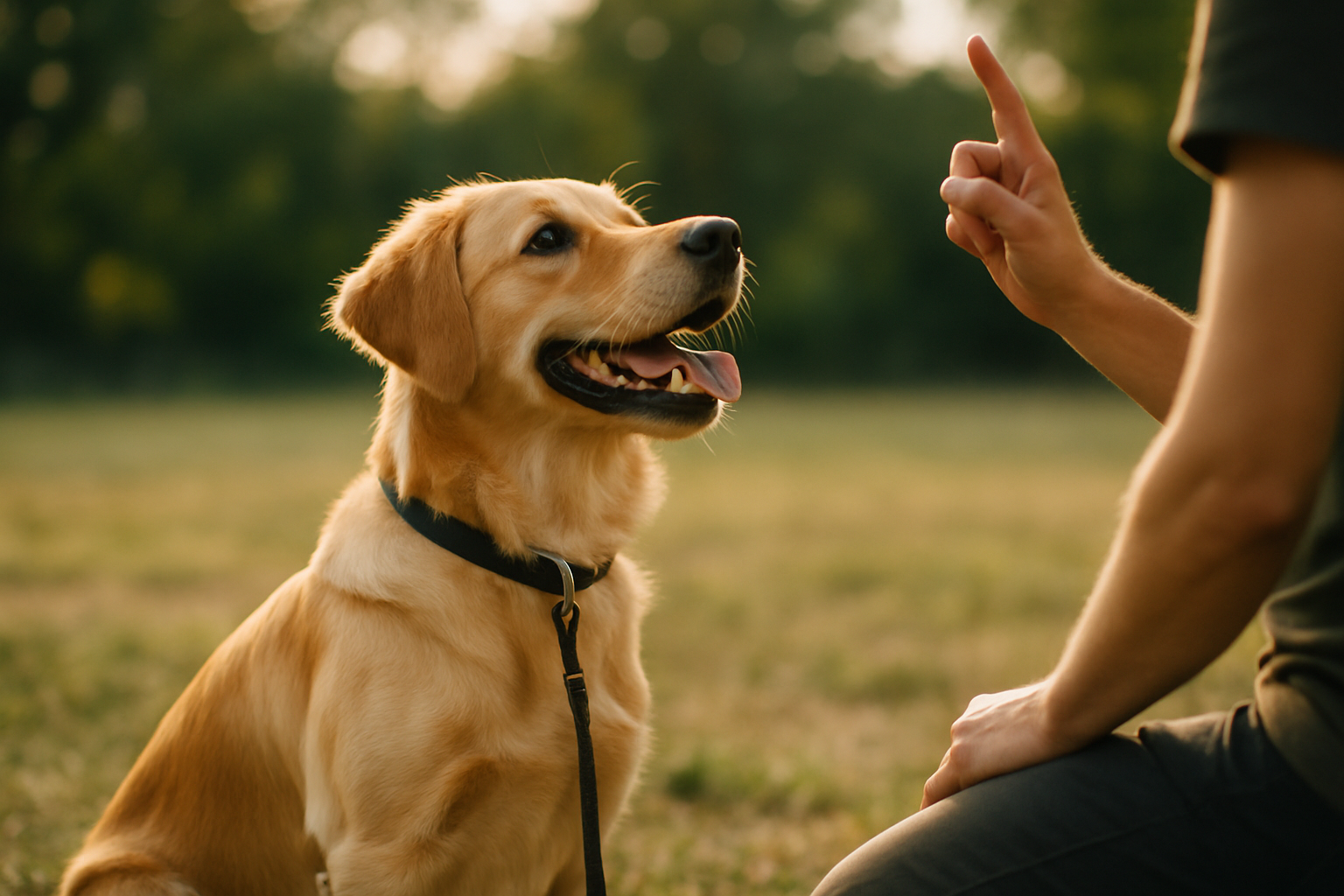
How to Stop Puppy Nipping During Play: A Gentle Redirect Plan
You're sitting on the couch enjoying a quiet moment when your adorable puppy suddenly launches at your hands, teeth flashing, with what feels like boundless enthusiasm. Within seconds, your arms are covered in tiny scratches, your favorite sweater has a hole, and you're wondering if this behavior will ever stop.
If this scenario sounds familiar, you're not alone. Puppy nipping during play is one of the most common challenges new dog owners face. The good news? It's completely normal puppy behavior—and it's absolutely manageable with the right approach.
Why Do Puppies Nip During Play?
Before we talk about solutions, it's important to understand why puppies nip in the first place. When you understand the root cause, you can address the behavior more effectively.
Natural Exploration and Learning: Puppies explore their world through their mouths, much like human babies do. They use nipping to investigate new people, objects, and environments. [1] This is a developmentally normal behavior that doesn't indicate aggression or bad temperament.
Littermate Play Mimicry: Before joining your family, puppies spent weeks playing with their littermates by biting and chewing on each other. This is how they learned to interact socially. [3] When they arrive at your home, they naturally apply these same techniques with you, not realizing their puppy teeth can actually hurt.
Teething Discomfort: Like human babies, puppies experience sore, tender gums during teething. Chewing and nipping provides relief from this discomfort. [1] If your puppy is particularly mouthy, teething could be a significant factor.
Excitement and Overstimulation: When puppies get excited during play, their impulse control vanishes. They might nip more intensely when they're wound up or overtired. Interestingly, overtired puppies often nip more aggressively—similar to how a tired toddler becomes fussy. [1]
Attention-Seeking and Communication: Puppies learn that nipping gets a reaction from you. Whether you yell, laugh, or jump around, you're providing attention. To your puppy, any attention—even negative attention—can be rewarding. [1]
Other Underlying Needs: Sometimes nipping indicates hunger, the need for a bathroom break, discomfort, or even a health issue. [2] Before implementing training, consider whether your puppy's basic needs are being met. If you notice sudden changes in biting behavior or suspect pain, consult your veterinarian to rule out health concerns.
Why Traditional "No" Doesn't Work (And What Works Better)
Many dog owners instinctively respond to nipping with yelling, hand shaking, or sharp "No!" commands. While these methods feel natural, they often backfire. [4]
Here's why punishment-based approaches fail:
- They can trigger prey drive: Yelling, squealing, or sudden movements can actually excite your puppy more, making nipping worse rather than better. [1]
- They damage your relationship: Punishment can frighten your puppy and create anxiety around your hands, which is particularly problematic during grooming, tooth brushing, or vet visits. [3]
- They don't teach the right behavior: Punishment tells your puppy what not to do, but it doesn't teach them what they should do instead.
- They're inconsistent: Puppies don't understand that nipping is "bad"—they only learn that sometimes it gets a big reaction and sometimes it doesn't.
The better approach? Redirection. Instead of punishing unwanted behavior, you teach your puppy what they should do instead, using positive reinforcement to make the right choice more rewarding than the wrong one. [1]
Understanding the Redirection Method
Redirection is the cornerstone of modern, science-based puppy training. The principle is straightforward: when your puppy initiates an unwanted behavior like nipping, you immediately offer an alternative behavior that's both acceptable and rewarding. [1]
The beauty of redirection is that it works with your puppy's natural instincts rather than against them. You're not suppressing their desire to bite or chew—you're channeling it toward appropriate outlets.
Here's what happens in your puppy's mind when you use redirection consistently:
- Puppy attempts to nip your hand
- You immediately offer a toy or treat instead
- Puppy engages with the toy/treat and receives praise
- Puppy learns: "Interacting with toys/treats gets me good stuff"
- Over time, puppy naturally gravitates toward appropriate behaviors
After repeating this cycle hundreds of times, your puppy essentially "forgets" about nipping because they've discovered that engaging with you appropriately is far more rewarding. [3]
Your Step-by-Step Gentle Redirect Plan
Step 1: Prepare Your Environment Before Play Begins
Success starts before your puppy even has the chance to nip. Set yourself up for success by having tools ready.
- Gather high-value treats: Identify treats your puppy absolutely loves—these should be special and reserved for training moments. Freeze-dried meat treats, small cheese pieces, or training-specific treats work well. [4]
- Keep treats accessible: Store treats in your pocket, a small pouch, or nearby table so you can grab them instantly when needed. [3]
- Have toys ready: Position chew toys, tug toys, and puzzle toys within arm's reach during play sessions. Don't wait until nipping starts to look for a toy.
- Don't telegraph your preparation: Put on your treat pouch or gather toys before your puppy sees you doing it. If your puppy learns that preparing treats means training is coming, they'll only pay attention at those moments. [3]
Step 2: Recognize Early Signs of Nipping
The best time to redirect is before nipping escalates. Learn to read your puppy's body language and intervene early. [2]
Signs your puppy is about to nip:
- Intense focus on your hands or clothing
- Wiggly, loose body posture with quick movements
- Playful pouncing stance
- Increased energy or excitement
- Stalking behavior toward your feet or hands
Signs your puppy is overtired (and nipping will likely get worse):
- Stiff body posture
- Rapid-fire nipping without play breaks
- Difficulty focusing on redirects
- Frantic energy
- Unresponsiveness to normal cues
If you notice your puppy is overtired, a time-out is more appropriate than training. [1] Sometimes your puppy simply needs a nap more than they need a lesson.
Step 3: Implement the Redirect—Four Proven Techniques
Technique 1: The Toy Redirect
This is the most straightforward redirection method. [1]
- The moment your puppy begins to nip, immediately present a toy—preferably something they can engage with using their mouth.
- Make the toy interesting by shaking it, squeaking it, or moving it in an enticing way.
- When your puppy takes the toy, enthusiastically praise them: "Yes! Good choice!"
- Engage with them using the toy for several seconds before releasing them back to free play.
Example scenario: Your puppy lunges at your hand. You immediately grab a rope toy and dangle it in front of their face. They redirect their attention to the toy. You play tug-of-war for 30 seconds, praising throughout. Your puppy learns that toys are more fun than hands.
Technique 2: The Treat Redirect
High-value treats are incredibly powerful redirects, especially for puppies who are highly food-motivated. [3]
- When nipping begins, produce a treat and hold it close to your puppy's nose.
- Let them follow the treat away from your hands.
- Once they're focused on the treat, give it to them and praise enthusiastically.
- Consider "jackpotting" occasionally—giving multiple treats in rapid succession—to make the redirect extra rewarding. [3]
Example scenario: Your puppy starts nipping at your shoelaces. You pull out a special freeze-dried treat and lure them away. Once they're focused on the treat, you give it to them and say, "Yes! That's what I like!" Occasionally, you'll give them 3-4 treats in a row to really emphasize how rewarding it is to stop nipping.
Technique 3: The Enrichment Redirect
Puzzle toys and long-lasting chews provide mental stimulation while satisfying your puppy's need to chew. This is especially useful during your puppy's "witching hour" or peak energy times. [4]
- Identify times when your puppy is most likely to nip (often late afternoon or early evening).
- Proactively offer puzzle toys or chew items at these times, before nipping starts.
- Fill puzzle toys with high-value treats to increase engagement.
- Supervise to ensure safety.
Example scenario: You know your puppy gets nippy around 5 PM. At 4:45 PM, you set up a puzzle toy filled with freeze-dried treats. Your puppy engages with the puzzle instead of your hands. You've prevented the nipping before it starts.
Technique 4: The Engagement Redirect
Before nipping happens, reinforce calm behaviors that are incompatible with nipping. [2]
- Reward your puppy for standing calmly in front of you.
- Reward them for sitting quietly.
- Reward them for making eye contact.
- The more you reward these calm behaviors, the more likely they'll occur naturally instead of nipping.
Example scenario: Your puppy walks up to you calmly. Before they have a chance to nip, you say, "Yes!" and give them a treat for simply standing there. Over time, your puppy learns that calm proximity to you is rewarding, so they repeat it instead of nipping.
Step 4: Manage Your Own Behavior
Your response to nipping matters tremendously. [4]
What to avoid:
- Don't yell or screech: This can trigger prey drive and make nipping worse.
- Don't run or make sudden movements: You become the world's most enticing toy.
- Don't physically correct: Punishment damages your relationship and doesn't teach the right behavior.
- Don't engage in rough hand-play: This teaches your puppy that hands are playthings.
What to do instead:
- Stay calm and matter-of-fact when redirecting.
- Move slowly and deliberately.
- Redirect to toys rather than hand-based play.
- Use a flirt pole or similar tool that keeps your hands at a distance. [4]
Step 5: Consistency Is Everything
The most critical element of successful redirection is consistency. [1] Every family member must redirect every single nip, every single time. If you redirect sometimes but not others, your puppy receives a confusing mixed message.
- Create a household agreement: everyone redirects the same way.
- Post a simple chart showing your redirect method.
- Practice with visitors so they understand the approach.
- Be patient—behavioral change takes hundreds of repetitions.
Addressing the Root Causes
Redirection is powerful, but addressing underlying causes makes it even more effective.
Manage Teething Discomfort
If your puppy is in the thick of teething, provide appropriate outlets: [1]
- Offer teething rings and chew toys specifically designed for sore gums.
- Freeze wet washcloths for your puppy to chew on (supervise to prevent choking).
- Rotate toys to maintain novelty and interest.
- Consider appropriate cold chew toys that soothe inflamed gums.
Provide Adequate Socialization
Proper socialization during the critical window (up to 16 weeks) reduces overstimulation and improves impulse control. [1]
- Expose your puppy to various safe environments, people, and experiences.
- Enroll in puppy kindergarten classes where they learn from other dogs in a structured setting.
- Teach impulse control exercises like "place" and extended sit/down positions.
Prevent Overstimulation
Many nipping problems stem from an overexcited, overtired puppy. [1]
- Establish a consistent schedule for play, training, meals, and rest.
- Provide structured play rather than chaotic roughhousing.
- Ensure your puppy gets adequate sleep (puppies need 15-20 hours daily).
- Watch for signs of fatigue and offer a break before nipping escalates.
Meet Basic Needs First
Before training, ensure your puppy's fundamental needs are met: [2]
- Has your puppy eaten recently?
- Do they need a bathroom break?
- Are they experiencing any pain or discomfort?
- Could there be an underlying health issue?
If you suspect a health concern, consult your veterinarian before adding training.
Avoiding Common Redirection Mistakes
Even with the best intentions, owners sometimes make mistakes that undermine their redirection efforts.
Mistake 1: Offering the redirect too late. If you wait until nipping is intense and your puppy is highly aroused, redirection becomes much harder. Redirect at the first sign of nipping.
Mistake 2: Using treats that aren't high-value enough. If your puppy can get the treat anywhere, it won't be motivating enough to redirect from the exciting sensation of nipping. Save special treats for training.
Mistake 3: Redirecting inconsistently. If some family members redirect and others don't, your puppy becomes confused. Everyone must be on the same page.
Mistake 4: Redirecting to hand-based play. If you redirect nipping to a game where your hands are involved (like wrestling), you're teaching that hands are toys. Redirect to toys instead.
Mistake 5: Giving up too soon. Behavioral change takes time. You might need to redirect hundreds of times before you see significant improvement. Patience is essential.
When to Seek Professional Help
While most puppy nipping responds well to redirection, some situations warrant professional guidance:
- Your puppy's nipping is intensifying despite consistent redirection
- You're concerned about aggression or bite inhibition
- Nipping is accompanied by other behavioral concerns
- You're struggling to stay consistent or calm during redirects
- Your puppy shows signs of pain, illness, or sudden behavioral changes
A certified professional dog trainer or veterinary behaviorist can provide personalized guidance tailored to your specific situation. [1]
The Long-Term Payoff
Implementing a consistent redirection plan requires patience and effort, but the payoff is substantial. Within weeks, you'll likely notice your puppy nipping less frequently. Within months, the behavior often becomes a non-issue entirely.
More importantly, you're building a foundation based on positive communication and trust. Your puppy learns that good things happen when they make good choices, and your relationship deepens as a result.
The gentle redirect plan transforms those painful, frustrating moments into opportunities for teaching and bonding. Your puppy learns appropriate play behavior, you learn to communicate clearly, and everyone enjoys a more peaceful home.
Key Takeaways
- Puppy nipping is normal developmental behavior, not a sign of aggression or bad temperament.
- Redirection—offering an appropriate alternative to nipping—is far more effective than punishment.
- Consistency across all family members is absolutely critical for success.
- Have high-value treats and appropriate toys ready before play sessions begin.
- Redirect early, before nipping escalates, and praise enthusiastically when your puppy makes the right choice.
- Address underlying causes like teething discomfort, overstimulation, and unmet basic needs.
- Avoid yelling, running, or hand-based rough play, as these can worsen nipping.
- Be patient—behavioral change takes hundreds of repetitions over weeks and months.
- Seek professional help if nipping persists, intensifies, or is accompanied by other concerns.
Sources & References
- https://www.einsteindogtraining.com/blog-fenton-howell-lansing/2024/12/30/is-your-puppy-biting-too-much-how-to-teach-a-puppy-not-to-bite-effective-redirection-techniques-for-a-well-behaved-pup
- https://clickertraining.com/puppy-nipping/
- https://leerburg.com/redirecting-a-puppy.php
- https://outwardhound.com/furtropolis/dogs/tips-to-prevent-puppy-nipping