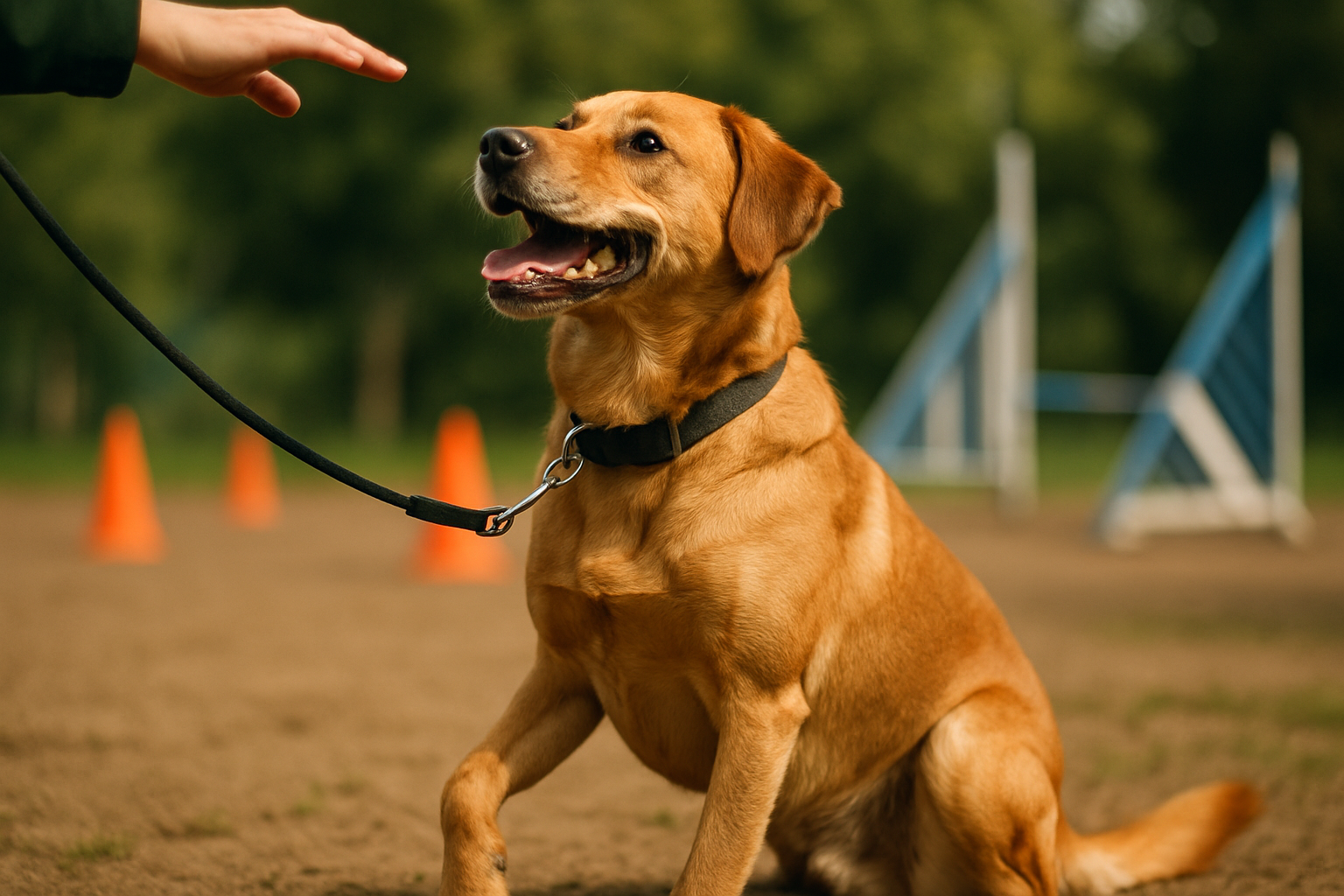
How to Stop Puppy Nipping During Play: Redirect and Set Boundaries
Your new puppy bounds toward you with unbridled enthusiasm, and within seconds, those needle-sharp teeth are latching onto your hands, ankles, or clothing. While it might seem endearing at first, constant nipping can quickly escalate from cute to concerning—leaving your skin marked and your patience tested.
Here's the good news: puppy nipping is completely normal developmental behavior, and it's entirely manageable with the right approach. Understanding why puppies nip, combined with consistent training techniques, can transform this challenging phase into an opportunity to build a well-mannered companion.
Why Do Puppies Nip? Understanding the Root Causes
Before you can effectively address nipping, it's important to understand what's driving the behavior. Puppies don't nip out of aggression or spite—they're simply exploring their world and learning how to interact with it.
Exploration and Sensory Learning
Puppies lack opposable thumbs, so their mouths become their primary tool for investigation. When your puppy nips at your hands, clothing, or household objects, they're gathering sensory information about texture, taste, and how objects respond to pressure. [1] This mouthing behavior is how puppies learn about their environment and develop crucial social skills.
Teething Discomfort
Between 3 and 7 months of age, your puppy experiences significant discomfort as adult teeth push through tender gums. [1] The pressure from chewing and mouthing actually provides relief, which is why you'll notice increased nipping during this period. Puppy biting typically peaks around 12 to 16 weeks of age, coinciding with when adult teeth begin to emerge. [2]
Play Initiation
Puppies naturally use their mouths to invite play with littermates and other dogs. When your puppy nips at you during interaction, they're often trying to engage you in what they perceive as normal play behavior. [2] Without proper guidance, they don't yet understand that human skin is more fragile than their littermates' fur and hide.
Energy and Boredom
An understimulated or overtired puppy is far more likely to engage in excessive nipping. When puppies have excess physical or mental energy with nowhere to direct it, they'll often target your hands and feet. [2] Conversely, an exhausted puppy may become overstimulated and nip frantically before crashing.
Breed-Specific Tendencies
Certain breeds, particularly herding breeds like Border Collies and Australian Shepherds, have a genetic predisposition toward nipping and mouthing behavior. [1] These breeds may require extra mental stimulation and targeted redirection strategies to manage their natural instincts.
The Foundation: Understanding Bite Inhibition
Before diving into specific techniques, it's crucial to understand bite inhibition—the ability to control the pressure and force of a bite. This skill is foundational to all bite training and should be the cornerstone of your puppy's early education. [1]
In nature, puppies learn bite inhibition through interaction with littermates and their mother. When one puppy bites too hard during play, the other puppy yelps loudly and stops playing. Through repeated interactions, puppies learn to soften their bite to keep the play session going. [Source 2, Source 3]
Puppies removed early from their litter or born as singletons may miss this critical learning window and require more intentional training to develop proper bite inhibition. [1] This is why your role as an owner is so important—you're essentially teaching the lesson that littermates would naturally convey.
Immediate Strategies to Stop Nipping
The Yelp Method (With Caution)
When your puppy's teeth make contact with your skin, emit a sharp, high-pitched "ow!" sound that mimics the feedback puppies receive from littermates. [1] The goal is to startle them enough that they pause and release.
Important caveat: This method works well for some puppies but can actually excite others and increase biting behavior. [3] If your puppy becomes more energized or aggressive after you yelp, discontinue this method immediately and use alternative strategies instead.
Immediate Attention Withdrawal
The moment your puppy nips, cease all interaction instantly. [1] Here's exactly how to execute this:
- Fold your arms across your chest
- Turn your body away from the puppy
- Avoid making eye contact
- Remain silent—no talking, scolding, or engagement
This teaches your puppy that nipping ends the fun immediately. After 10-15 seconds of calm behavior, you can resume interaction. The key is consistency: every single nip should result in the same response. [1]
An alternative recommended by professional trainers is to tuck your hands into your armpits while turning away. [3] This posture signals calmness and removes the "toy" (your hands) that the puppy was targeting.
Strategic Toy Redirection
Keep a chew toy or tug toy within arm's reach at all times. The moment your puppy targets your hands or clothing, immediately offer the toy as an alternative. [1] Once your puppy engages with the toy, enthusiastically praise them and reward with treats.
This accomplishes two things simultaneously: it interrupts the undesired behavior and reinforces what you want them to do instead. Over time, your puppy will learn that toys are more rewarding than your hands.
Calm Time-Out
If nipping persists despite redirection, place your puppy in a quiet space—such as a crate or pen—for 2-3 minutes. [1] The goal isn't punishment; it's giving your puppy a chance to reset their nervous system and calm down.
Critical point: Return your puppy to interaction only after they've exhibited calm behavior. If you let them out while they're still biting or whining, you're inadvertently rewarding the behavior. [3] Keep the removal neutral and unemotional—no drama, no scolding.
Building Long-Term Bite Inhibition
The "Gentle" Command Training
This exercise directly teaches bite inhibition through positive reinforcement and is one of the most effective long-term strategies. [1]
Here's how to practice it:
- Hold a high-value treat in your closed fist
- Present your closed fist to your puppy
- Wait for them to lick or mouth softly at your hand
- The moment they use a soft mouth, open your hand and reward immediately
- Pair this with the verbal cue "gentle" or "easy"
Practice this 5-10 times per day in short sessions. Your puppy will begin to understand that soft contact results in reward, while hard contact results in nothing. [1] Over weeks, this builds genuine impulse control around their bite force.
Rewarding Gentle Behavior
Don't just punish hard biting—actively reinforce soft mouthing and licking. When your puppy gently licks your hand or softly mouths a toy, immediately reward with treats and verbal praise. [1] This positive reinforcement accelerates learning and makes the desired behavior feel rewarding.
Teach an Alternative Behavior
If your puppy has already learned to sit on cue, use this as a redirection tool. When nipping begins, ask for a sit and reward with a toy or treat. [3] This gives your puppy a clear, alternative behavior that earns rewards—and it's impossible to nip while sitting.
Environmental Management and Prevention
Address Exercise and Mental Stimulation
One of the most overlooked factors in excessive nipping is inadequate exercise and mental stimulation. [2] Puppies with pent-up energy are far more likely to engage in destructive mouthing behaviors.
Create a balanced daily routine that includes:
- Age-appropriate physical exercise (short, frequent sessions for young puppies)
- Mental stimulation through puzzle toys, sniff games, and training sessions
- Adequate rest periods—puppies need 15-20 hours of sleep daily
- Scheduled potty breaks and feeding times
If your puppy is nipping excessively, try a 20-minute play session followed by quiet time in a crate. You may find the nipping dramatically decreases once their energy is appropriately channeled. [2]
Provide Appropriate Chewing Outlets
Stock your home with a variety of puppy-appropriate chew toys. [2] For teething puppies, consider toys specifically designed to soothe sore gums, such as:
- Soft rubber teething rings
- Textured chew toys made for baby teeth
- Frozen washcloths (safe and soothing)
- Rubber toys designed for puppies
Remove or secure household items that shouldn't be chewed, and supervise your puppy during play to prevent them from ingesting small pieces. [2]
Avoid Encouraging the Behavior
Never entice your puppy to chase your hands, wiggle your fingers, or snap at your toes as "play." [2] What seems harmless when your puppy weighs 10 pounds becomes genuinely painful and problematic when they're a 60-pound adult with much stronger jaws and sharper teeth.
Similarly, avoid roughhousing that encourages your puppy to lose control and bite. [3] Calm, controlled play sessions set a better tone for appropriate interaction.
What NOT to Do
Understanding what doesn't work is just as important as knowing what does:
- Don't use physical punishment: Hitting, flicking the nose, or other physical corrections don't teach your puppy what to do—they only teach suppression of behavior or create fear and anxiety. [2]
- Don't yell or scold: Yelling can actually function as a reward by providing attention and excitement, inadvertently reinforcing the nipping. [3]
- Don't assume aggression: Play biting does not indicate that your puppy is vicious or aggressive. [3] It's a normal developmental phase that responds well to consistent training.
- Don't skip consistency: The longer a behavior persists without correction, the more resistant it becomes to change. [1] Inconsistent responses from different family members will confuse your puppy and slow progress.
When to Seek Professional Help
While most puppies respond well to the strategies outlined above, some situations warrant professional guidance. Consider consulting a certified behavior consultant, applied animal behaviorist, or veterinary behaviorist if:
- Your puppy's biting hasn't improved by 6 months of age despite consistent training [3]
- The nipping is accompanied by signs of aggression, such as stiff body posture, growling, or intense fixation
- Your puppy seems to nip out of fear or pain rather than play
- You're feeling frustrated or unsafe—professional support can provide personalized strategies and confidence
Key Takeaways for Success
Stopping puppy nipping requires patience, consistency, and a clear understanding of what your puppy is learning. Here's what matters most:
- Start immediately: Begin bite inhibition training the day you bring your puppy home. [1] Early intervention prevents behaviors from becoming entrenched.
- Be consistent: Every family member must respond the same way to nipping every single time. Inconsistency confuses your puppy and delays progress.
- Redirect, don't just restrict: Always offer an appropriate alternative (toy, chew, or behavior) rather than only punishing the unwanted behavior.
- Use positive reinforcement: Reward soft mouthing, gentle play, and calm behavior enthusiastically. Your puppy will repeat what earns rewards.
- Manage the environment: Ensure adequate exercise, mental stimulation, and rest. Many nipping problems resolve once a puppy's needs are properly met.
- Stay patient: This phase is temporary. With consistent effort, most puppies develop reliable bite inhibition and outgrow excessive nipping by 4-6 months of age.
Remember: those sharp puppy teeth are temporary, but the bite inhibition and manners you teach now will last a lifetime. Every interaction during this critical developmental period is an opportunity to shape the adult dog your puppy will become.