Dog Training: A Practical 2026 Guide
If you've ever felt frustrated by a dog that pulls on the leash, barks at every sound, or refuses to settle, you're not alone. But here's the good news: effective dog training isn't complicated, and it doesn't require military-style discipline or outdated punishment tactics.
In 2026, dog training has evolved. Pet owners now prioritize practical skills that reduce stress for both dogs and their families—calm walks, reliable recalls, and predictable routines that make daily life easier. [3] The goal has shifted from achieving perfect obedience to building trust, clear communication, and habits that help dogs thrive in modern environments.
Whether you're training a new puppy or teaching an adult dog fresh skills, this guide will walk you through evidence-based methods, essential commands, the right tools, and resources that actually work.
Why Dog Training Matters More Than You Think
Training isn't just about teaching tricks or preventing jumping. It's a foundational investment in your dog's safety, wellbeing, and your relationship with them.
Dogs today navigate complex environments: traveling in cars, spending time alone during work hours, meeting unfamiliar people and pets, and adapting to busy households. Without clear structure and communication, this can trigger anxiety, destructive behavior, and confusion. [3]
When a dog understands what's expected, they feel more secure. Training provides predictability. A dog that knows how to sit calmly at the door, walk without pulling, respond to recall, and settle on command feels more confident and less stressed. This reduces problem behaviors like excessive chewing, barking, or reactivity.
Training also directly improves safety. Dogs that respond to basic commands are easier to manage during vet visits, travel, and encounters with other dogs or people. They're less likely to bolt, jump on guests, or get into dangerous situations.
The Foundation: How Dogs Actually Learn
Before you teach your first command, understanding how dogs learn will transform your training results.
Dogs learn through repetition and clear cause-and-effect relationships. Using the same cues, routines, and rewards helps them connect their actions with outcomes. Inconsistent rules slow progress and create frustration for both dog and owner. [3]
The most effective modern approach is reward-based positive reinforcement training. Rather than correcting mistakes through punishment, you reward the behaviors you want to see more of. This builds trust, keeps your dog engaged, and creates lasting learning. [2]
Rewards aren't always treats. They can include:
- High-value treats (small, soft, quick to eat)
- Verbal praise and enthusiasm
- Play or access to a favorite toy
- Freedom to sniff or explore
The key is timing. Reward your dog immediately—within a second or two—so they clearly understand which behavior earned the reward. [3]
It's also worth noting that puppies and adult dogs both learn effectively. Puppies may learn faster, but adult dogs often bring better focus and impulse control. The training approach remains the same regardless of age. [3]
Essential Commands Every Dog Should Know
You don't need to teach your dog dozens of commands. A few foundational skills open the door to better communication and safety. These commands also build impulse control and make advanced training easier. [3]
Sit
Sit is often the easiest command to teach and provides a foundation for other skills.
- Start with your dog standing in front of you
- Hold a treat close to their nose
- Slowly move the treat upward and slightly back over their head
- As their head follows the treat, their bottom naturally lowers to the ground
- The moment their rear touches the floor, say "sit," reward immediately, and praise enthusiastically
- Repeat 5-10 times per session, several times daily
Once your dog sits reliably, you can add the verbal cue before luring, so they learn to respond to the word alone. [3]
Stay
Stay teaches impulse control and helps in real-life situations like waiting at doors or remaining calm around guests.
- Ask your dog to sit first
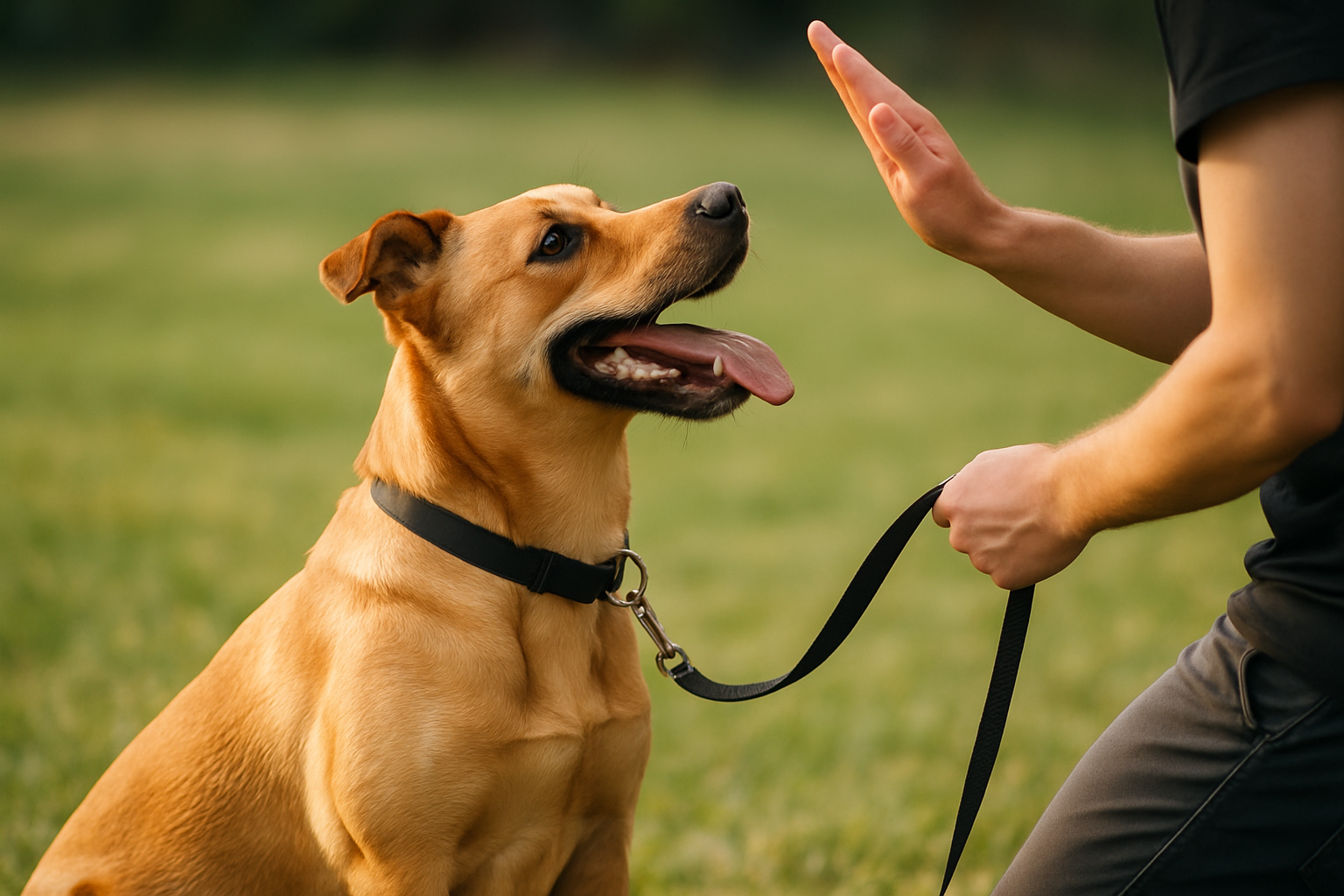
- Hold your hand up in a "stop" gesture and say "stay"
- Take one small step backward
- If they remain in place, immediately reward and praise
- Gradually increase the distance and duration as your dog improves
- Start with just a few seconds, then build to longer periods
The biggest mistake owners make is asking for too much too soon. Build duration and distance slowly over weeks. [3]
Recall (Come)
A reliable recall keeps your dog safe and gives you freedom during walks and off-leash time.
- Start in a low-distraction environment (your home or quiet yard)
- Get down to your dog's level and show them a high-value treat
- Say "come" in an excited, happy tone
- Reward enthusiastically the moment they reach you
- Practice multiple times daily with varying distances
- Gradually introduce mild distractions as they improve
Never call your dog to come for something they dislike (like nail trimming or a bath). This teaches them to ignore the cue. [3]
Addressing Common Training Challenges
Most training issues fall into a few predictable categories that directly affect daily life.
Housebreaking
Housebreaking remains one of the most common concerns for new dog owners. Success depends on consistency and patience.
- Establish a schedule: Take your dog outside first thing in the morning, after meals, after play, and before bedtime
- Choose a designated spot: Use the same outdoor area so your dog associates it with toileting
- Reward success immediately: Praise and treat the moment they go in the right place
- Supervise indoors: Watch for sniffing, circling, or other pre-elimination signs
- Use confinement wisely: A properly-sized crate helps prevent accidents when you can't supervise
- Clean accidents thoroughly: Use enzymatic cleaners to remove odors that might attract repeat incidents
Training pads can provide additional support during early stages or in apartment settings, though they may extend the housebreaking timeline slightly. [3]
Leash Walking
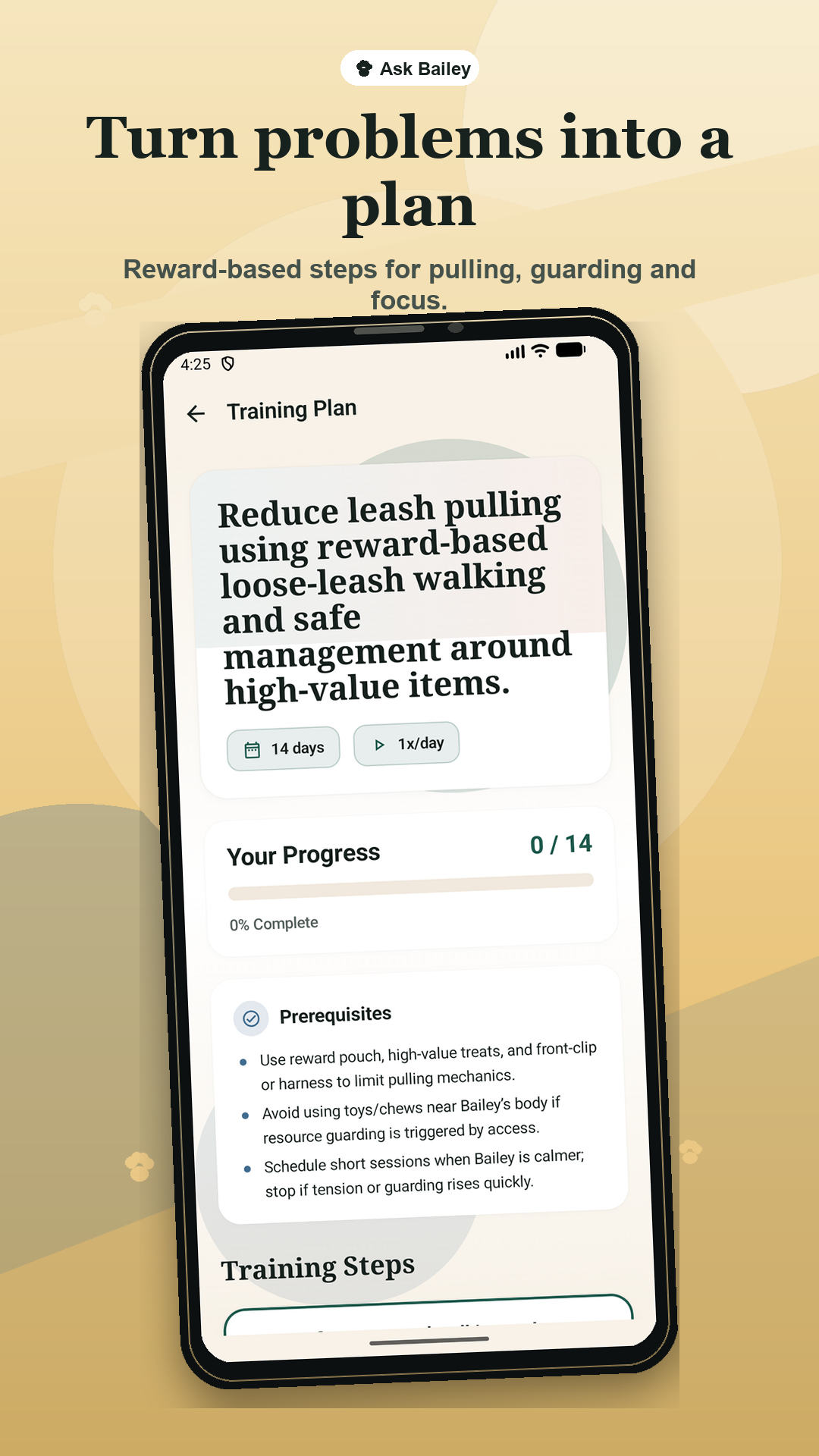
Dogs that pull on the leash make walks stressful and unsafe. Calm leash walking is entirely trainable.
- Use a properly fitted collar or harness (harnesses often reduce pulling better than neck collars)
- Start in a quiet environment with minimal distractions
- Reward your dog for walking calmly beside you with treats or praise
- When they pull, stop moving. Don't move forward until the leash is slack
- Reward the moment tension releases
- Keep walks short and positive initially, gradually extending duration as behavior improves
Consistency is critical. If you allow pulling sometimes, your dog learns that persistence pays off. [3]
Crate Training
When introduced properly, a crate becomes a safe, familiar space rather than a place of punishment. This supports housebreaking, travel, and rest.
- Choose a crate large enough for your dog to stand, turn around, and lie down comfortably
- Leave the door open initially and place treats inside to create positive associations
- Feed meals in the crate to build positive feelings
- Close the door briefly while your dog eats, gradually extending duration
- Practice short absences before leaving for longer periods
- Never use the crate as punishment
A well-trained dog that views their crate as a sanctuary will naturally seek it out for rest and security. [3]
Managing Chewing, Barking, and Restlessness
These behaviors often signal boredom or excess energy rather than disobedience. Training must include appropriate outlets for mental and physical stimulation. [3]
- Provide daily exercise matched to your dog's age and breed
- Offer puzzle toys and chew toys that engage their mind
- Teach an alternative behavior (like settling on a mat) that competes with the unwanted behavior
- Ensure your dog has a consistent daily routine
Training Tools That Actually Help
The right tools don't replace training—they make it easier to reinforce good habits consistently.
Treat Pouch
A treat pouch keeps rewards accessible so you can reward behavior immediately. Timing matters, especially during early learning stages. [3] Look for pouches that close securely and allow quick, one-handed access.
Quality Leash and Collar
A properly fitted collar or harness supports consistent outdoor training. Choose equipment built for durability and daily use. A 4-6 foot standard leash (not a retractable leash) gives you better control during training. [3]
Dog Crate
A well-sized crate provides structure and predictability, supporting housebreaking, safe travel, and rest. [3] Choose one appropriate for your dog's adult size.
Training Pads
Training pads offer additional support during transitions or for dogs that need extra assistance with housebreaking, particularly in apartment settings. [3]
Toys and Enrichment
Interactive toys, puzzle feeders, and appropriate chew toys channel energy productively and prevent destructive behaviors. [3]
Modern Training Resources: Apps and Books
You don't have to figure this out alone. Quality training resources—both digital and traditional—provide guidance and accountability.
Dog Training Apps
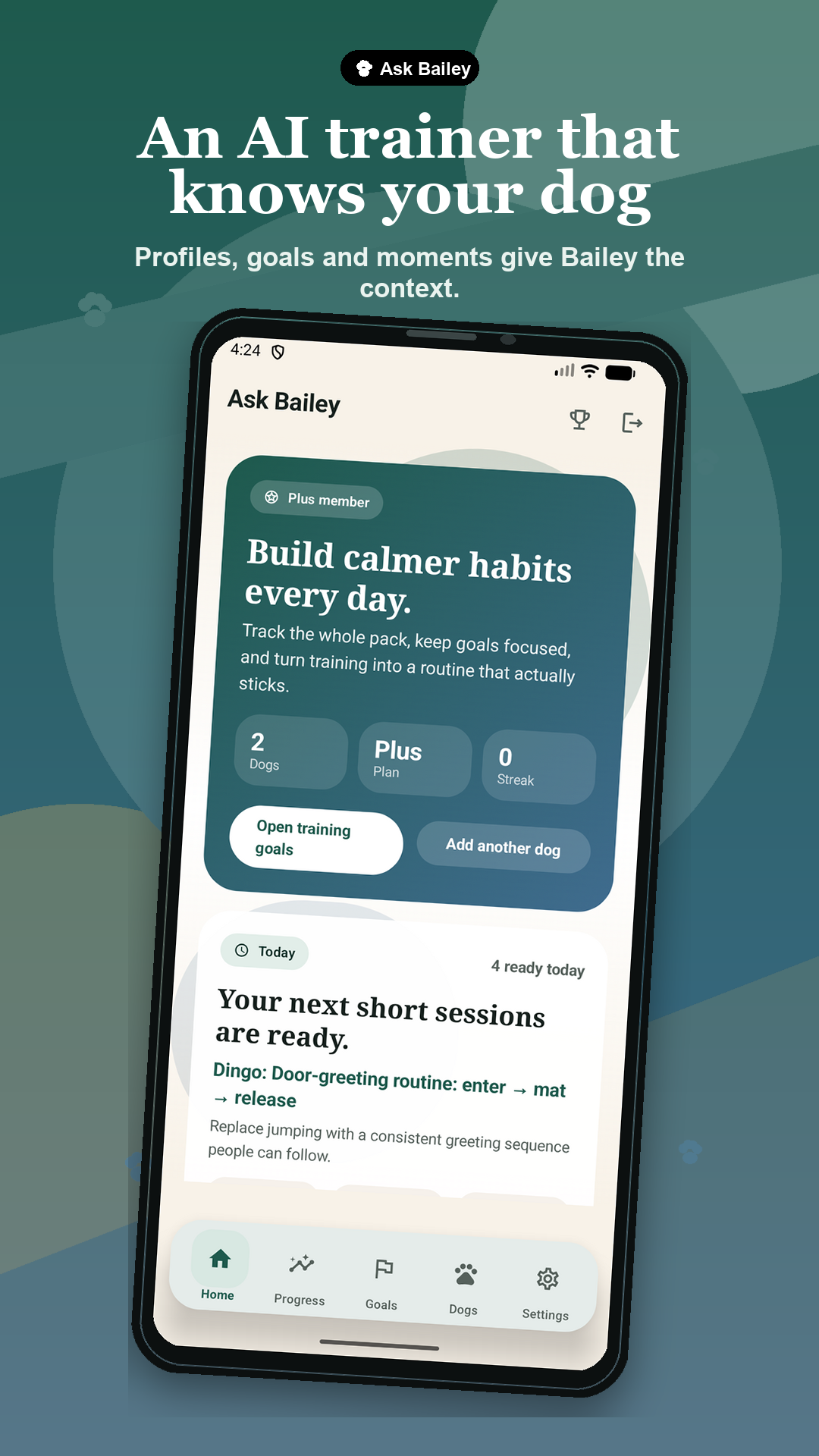
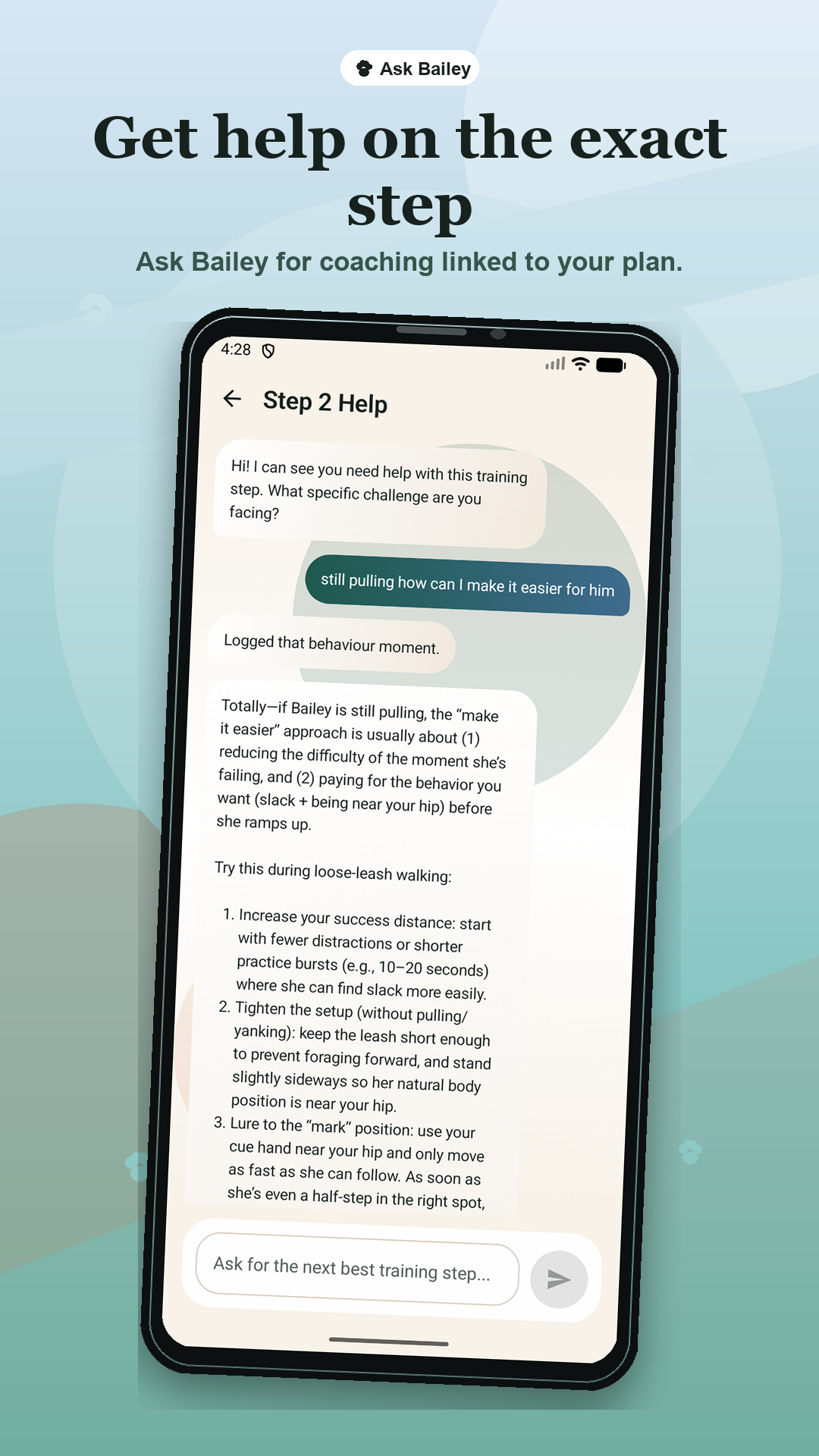
Dog training apps can guide you through foundation skills like sit, recall, housebreaking, and calm behavior, especially when they use reward-based methods and provide clear step-by-step guidance. [2] When choosing an app, look for:
- Reward-based methodology: Avoid apps that recommend punishment or intimidation
- Trainer credentials: Apps developed by certified trainers (look for credentials like CPDT-KA, KPA-CTP, or IAABC) tend to provide higher-quality content
- Lesson structure: Skills should be broken into small steps with clear instructions and videos
- Personalization: The best apps adjust based on your dog's age, breed, or specific goals
- Puppy development support: For puppies, apps should cover bite inhibition, socialization, fear periods, and confidence-building, not just basic commands
- User support: Access to expert help, live coaching, or community support adds significant value
Popular options in 2026 include Zigzag (best for personalized daily lessons and behavior foundations), Puppr (excellent for trick training), and Dogo (strong for habit-building with daily reminders). [2] However, no app can replace professional support for complex behavior problems. If your dog shows signs of aggression, severe anxiety, or other serious issues, consult a qualified veterinary behaviorist or certified trainer.
Foundational Training Books
Books offer deeper understanding of how dogs learn and why certain approaches work better than others. [5] Several classics remain invaluable:
- "Don't Shoot the Dog" by Karen Pryor — Explores positive reinforcement through work with marine mammals and animals, explaining why this approach is more effective and humane than punishment
- "Mine! A Practical Guide to Resource Guarding" by Jean Donaldson — Helps you understand dog behavior from the dog's perspective and argues for training approaches rooted in meeting their needs
- "The Other End of the Leash" by Patricia McConnell — Examines the human side of the dog-human relationship and breaks down common myths like the dominance hierarchy
- "Cooperative Pups" by Niki Sdao — Advances the positive reinforcement conversation beyond outdated "Nothing in Life is Free" philosophy toward genuine cooperation
- "Relaxation Protocol" by Mat Baugh — Provides practical tools for reactive dogs and teaches mat training to help dogs relax in stressful environments
These resources share a common thread: they're written by recognized experts in animal behavior and training science, and they all emphasize understanding your dog's perspective rather than forcing compliance. [5]
Finding the Right Trainer (If You Need One)
While many owners successfully train their dogs independently, professional guidance can accelerate progress and address complex issues.
Here's the reality: dog training is an unregulated industry. Anyone can call themselves a professional trainer without formal credentials. [5] If you hire a trainer, vet their qualifications carefully:
- Ask for credentials from recognized organizations (CPDT-KA, KPA-CTP, IAABC, etc.)
- Request references from past clients
- Observe a training session to ensure they use reward-based methods
- Ask how they handle mistakes and what their philosophy is on punishment
- Ensure they're transparent about their methods and limitations
A good trainer should help you understand your dog and build your own training skills—not create dependency on their services.
Building Your Training Plan: Practical Steps
Ready to start? Here's how to build a realistic training plan:
- Identify your top 2-3 priorities: What behaviors matter most for your daily life? (e.g., housebreaking, leash walking, recall)
- Choose one behavior to focus on first: Success builds momentum and motivation
- Break it into small steps: Train individual components before combining them
- Practice consistently: Multiple short sessions daily (5-10 minutes) beat occasional long sessions
- Use the same cues and rewards: Consistency teaches your dog faster
- Track progress: Note improvements, even small ones, to stay motivated
- Adjust as needed: If progress stalls, try different rewards, shorter sessions, or fewer distractions
- Celebrate wins: Acknowledge improvements and enjoy the process
Key Takeaways
Effective dog training in 2026 is about building predictable routines, clear communication, and trust—not achieving robotic obedience.
- Use reward-based positive reinforcement. It works faster, builds stronger bonds, and avoids the fallout of punishment.
- Start with foundational commands (sit, stay, recall) that support safety and daily life.
- Address common challenges (housebreaking, leash pulling, crate training) with consistency and patience.
- Choose tools that support your training goals—treat pouches, quality leashes, appropriately-sized crates.
- Leverage modern resources: training apps with qualified trainers and foundational books that deepen your understanding.
- If you hire a trainer, verify their credentials and ensure they use evidence-based, humane methods.
- Remember: your dog isn't trying to dominate or test you. They're trying to understand your world and get their needs met. Training is how you help them do that successfully.
Training your dog is one of the most important investments you can make in their long-term health, safety, and happiness. Start today, stay consistent, and enjoy the journey.