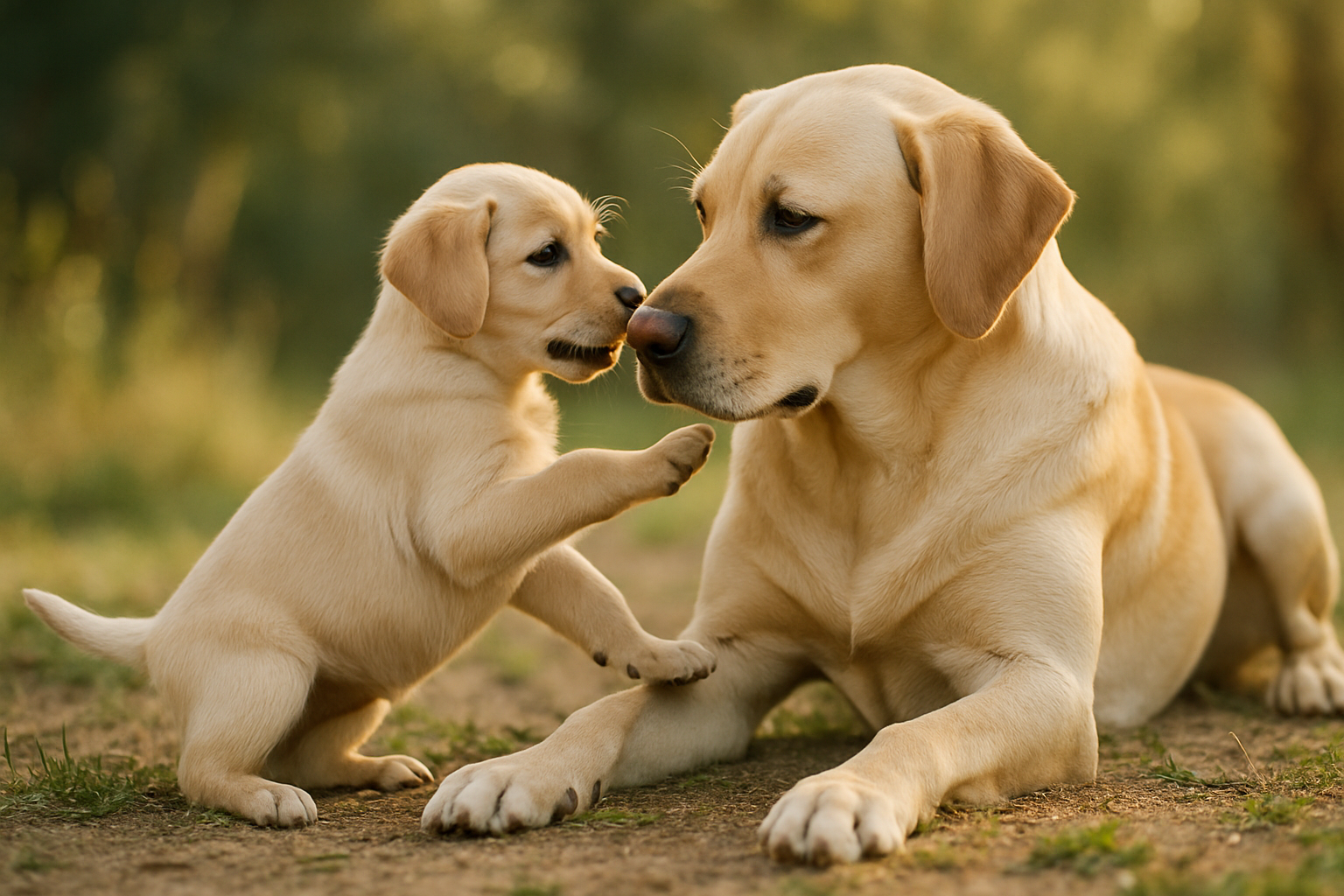
Why Puppy Socialization with Other Dogs Matters
If you've recently brought home a puppy, you might be wondering when it's safe to let them play with other dogs. The answer is simpler than you think, but the timing and approach are critical. Early socialization with other dogs isn't just about playtime—it's about building the foundation for a confident, well-adjusted adult dog who can navigate the world without fear or aggression. [1]
Think of socialization as a mental health vaccine for your puppy. During the first few months of life, puppies are naturally curious and remarkably open to new experiences. This window of opportunity won't stay open forever. Puppies who miss out on proper socialization during this critical period often develop behavioral problems that can last a lifetime, including anxiety, fear-based aggression, and difficulty adapting to new situations. [4]
Here's what makes this especially important: research shows that behavioral problems are one of the leading reasons dogs end up in shelters. Yet many of these problems are entirely preventable through early, positive socialization experiences. [4] When you invest time in socializing your puppy now, you're not just teaching them to play nicely—you're giving them the tools they need for a happy, confident life.
Understanding the Critical Socialization Window
Timing is everything when it comes to puppy socialization. There's a specific window during which puppies' brains are most receptive to new experiences, and understanding this timeline helps you make the most of this opportunity.
The primary socialization period runs from approximately 3 weeks old through 14-16 weeks of age. [1] [2] During this time, puppies are like sponges—their brains are actively absorbing information about the world, forming impressions that will influence their behavior for years to come.
Breaking this down further:
- 3-8 weeks old: Puppies should ideally remain with their littermates and mother during this phase. If separation is necessary, orphaned puppies require a 14-day quarantine before introduction to other puppies. [2]
- 8-14 weeks old: After their second parvo/distemper vaccination, puppies can begin meeting other vaccinated puppies and socially appropriate adult dogs in controlled settings. [2]
- After 14 weeks: While socialization continues throughout puppyhood and beyond, the window of easiest learning begins to close. Puppies become more cautious, and introducing new experiences takes longer and requires more patience. [4]
Here's a critical insight many new puppy owners miss: waiting until your puppy has completed all vaccinations before any outdoor exposure often does more harm than good. The behavioral problems that develop from insufficient socialization pose a greater long-term risk than the disease risks from controlled, careful exposure. [4] The key is finding the balance between safety and socialization.
Pre-Socialization Health and Safety Checklist
Before your puppy meets their first canine friend, there are several health and safety considerations to address:
- Veterinary clearance: Schedule a vet appointment to confirm your puppy is healthy and ready for social interactions. Your vet can discuss vaccination timing and identify any underlying health conditions that might affect socialization. [3]
- Vaccination status: Ensure your puppy has received at least their second set of parvo and distemper vaccinations before meeting other dogs. [2]
- Vaccination verification: When arranging puppy playdates, always verify that other dogs are current on their vaccinations. Ask for proof and don't hesitate to reschedule if you're uncertain. [3]
- Basic training foundation: Teach your puppy to sit, stay calm, and respond to their name before introducing them to other dogs. These skills help you maintain control during interactions and prevent chaotic situations. [3]
- Parasite prevention: Confirm your puppy is on appropriate parasite prevention recommended by your veterinarian.
Choosing the Right Canine Companions for Your Puppy
Not every dog is an appropriate playmate for your puppy. Making thoughtful choices about who your puppy meets sets the stage for positive experiences and successful socialization.
Match size and energy levels: Pair your puppy with dogs of similar size and energy level. A 10-pound puppy playing with a 70-pound adult dog creates an inherent power imbalance that can be frightening, even if the larger dog means well. [3] Similarly, a high-energy puppy might overwhelm a calm, senior dog.
Prioritize social skills: Choose dogs that genuinely enjoy interacting with other dogs. Avoid introducing your puppy to dogs with a history of aggression or those who are uncomfortable around puppies. One negative experience can create lasting fear. [2]
Seek out socially appropriate adults: Adult dogs who are well-socialized and patient with puppies are invaluable. These dogs naturally teach puppies appropriate play behavior and social boundaries. When puppies learn from experienced dogs, they develop better social skills than if they only played with other puppies. [2]
Consider puppy classes and groups: Structured puppy socialization classes offer a controlled environment with trained professionals who can ensure positive interactions. These classes are like kindergarten for puppies—they provide systematic exposure to other puppies of similar age and vaccination status. [1]
Creating the Perfect First Meeting
The first few meetings between your puppy and other dogs set the tone for all future interactions. Here's how to orchestrate success:
Choose neutral territory: Avoid meeting at your home or another dog's home, as territorial behaviors might emerge. Instead, choose a neutral location like a park, a friend's backyard, or a designated socialization area. [3]
Keep initial meetings brief: Start with short interactions—even 10-15 minutes is sufficient. Brief, positive experiences are more valuable than long sessions that might overwhelm your puppy. [5]
Use loose leashes: Keep your puppy on a slack leash that provides safety without tension. A tight leash communicates anxiety and can trigger defensive behavior. If your puppy tries to move away or shows signs of stress, don't force the interaction. [3]
Watch body language carefully: Learn to read your puppy's signals. Signs of comfort include relaxed posture, play bows, and loose, wiggly movements. Signs of stress include tucked tail, pinned ears, whale eye (showing whites of eyes), and attempting to escape. [2]
Reward calm behavior: Use high-value treats and enthusiastic praise to reward your puppy for calm, curious, or appropriately playful behavior. This creates positive associations with other dogs. [5]
Supervising Play and Interrupting Rough Interactions
Active supervision during puppy playtime isn't optional—it's essential. Your role is part referee, part coach, and part safety monitor.
Recognize play vs. problems: Normal puppy play includes mouthing, chasing, play bows, and role-reversing (taking turns being the chaser). Problems emerge when play becomes one-sided, when one puppy is constantly pinned down, or when play escalates in intensity without breaks. [2]
Interrupt escalating play: If play is becoming too rough, redirect attention by calling your puppy to you, offering a toy, or suggesting a brief break. This teaches your puppy that appropriate play is rewarded with continued fun, while rough play ends the game. [3]
Allow appropriate feedback: Don't over-intervene. When puppies play together, they naturally teach each other boundaries. If one puppy bites too hard, the other will yelp and pull away. This natural feedback helps puppies learn bite inhibition—a crucial skill for all dogs. [2] However, if a puppy consistently ignores these signals, intervention is needed.
Know when to end the session: If one puppy appears stressed, consistently moves away, or shows signs of fear, end the interaction. Forcing continued interaction creates negative associations and can damage your puppy's confidence. [3]
Managing Common Socialization Challenges
Your puppy seems fearful or shy: Some puppies are naturally more cautious than others. This isn't a failure—it's their temperament. Move at your puppy's pace, gradually increasing exposure in controlled settings. Pair new experiences with treats and praise. Never force interactions or punish fearful behavior, as this reinforces the fear. [3] Building confidence takes time, but patient, positive exposure works.
Your puppy is overly enthusiastic or plays too roughly: While enthusiasm is wonderful, teaching boundaries is important. When your puppy engages in rough play or excessive jumping, interrupt the behavior and redirect to appropriate toys or calmer activities. Consistency is key—everyone interacting with your puppy should enforce the same rules. [3]
Your puppy shows signs of resource guarding: If your puppy guards toys or food from other dogs, create positive associations by trading items rather than taking them away. Practice trading frequently during non-social times too. This teaches your puppy that your approach means good things happen. [2]
Your puppy doesn't want to play with specific dogs: Remember that just like humans, not every dog will be compatible with every other dog. This is normal and healthy. Socialization doesn't mean your puppy must play with every dog they meet—it means they should be comfortable and confident in their presence. [3]
Beyond Dog-to-Dog Socialization
While socializing with other dogs is important, it's just one piece of the socialization puzzle. A well-rounded socialization plan includes exposure to different environments, sounds, surfaces, people, and experiences. [1]
During the early weeks, you can still provide valuable socialization even before your puppy is ready for other dogs:
- Take your puppy on car rides to experience motion and new environments
- Carry your puppy through public spaces so they hear different sounds and see different sights while minimizing disease exposure
- Introduce them to various surfaces like grass, tile, gravel, and sand
- Expose them to household sounds like vacuum cleaners, doorbell sounds, and kitchen noises
- Invite vaccinated, healthy people to your home for puppy handling practice
- Arrange meetings with other species like cats, rabbits, or birds if relevant to your puppy's future life
Socialization Doesn't End at 14 Weeks
While the critical window closes around 14 weeks, socialization is a lifelong process. Continue introducing your puppy to new experiences, people, and dogs throughout their juvenile and young adult stages. [4] The experiences they have between 4-6 months old still significantly impact their confidence and behavior.
As your puppy grows, consider enrolling in obedience classes, agility training, or other dog sports. These activities provide ongoing socialization in structured environments while building confidence and communication between you and your dog. [4]
Key Takeaways for Safe Puppy Socialization
Socializing your puppy with other dogs safely comes down to a few core principles:
- Start early—between 3-14 weeks is the critical window, but sooner is always better than later
- Prioritize health and safety by verifying vaccinations and getting veterinary clearance
- Choose appropriate playmates matched in size, energy, and social skills
- Create positive first experiences in neutral territory with brief, rewarding interactions
- Supervise actively, recognizing the difference between normal play and problematic behavior
- Respect your puppy's individual temperament and pace
- Continue socialization throughout puppyhood and beyond
- Combine dog-to-dog socialization with exposure to environments, sounds, and people
Every moment you invest in socializing your puppy now pays dividends throughout their life. You're not just teaching them to play nicely—you're building a confident, well-adjusted companion who can face the world with curiosity instead of fear. That's the real power of proper puppy socialization.
Sources & References
- https://www.darwinspet.com/blogs/pet-behavior/puppy-socialization-guide-people-dogs-environments
- https://bestfriends.org/pet-care-resources/puppy-socialization-how-socialize-puppy-people-dogs
- https://www.upstatecanine.com/blog/top-6-tips-for-socializing-your-puppy-with-other-dogs/
- https://indevets.com/blog/puppy-socialization-how-to-ensure-your-new-canine-companion-is-well-adjusted-and-confident/
- https://www.petpalaceresort.com/a-complete-guide-to-puppy-socialization/