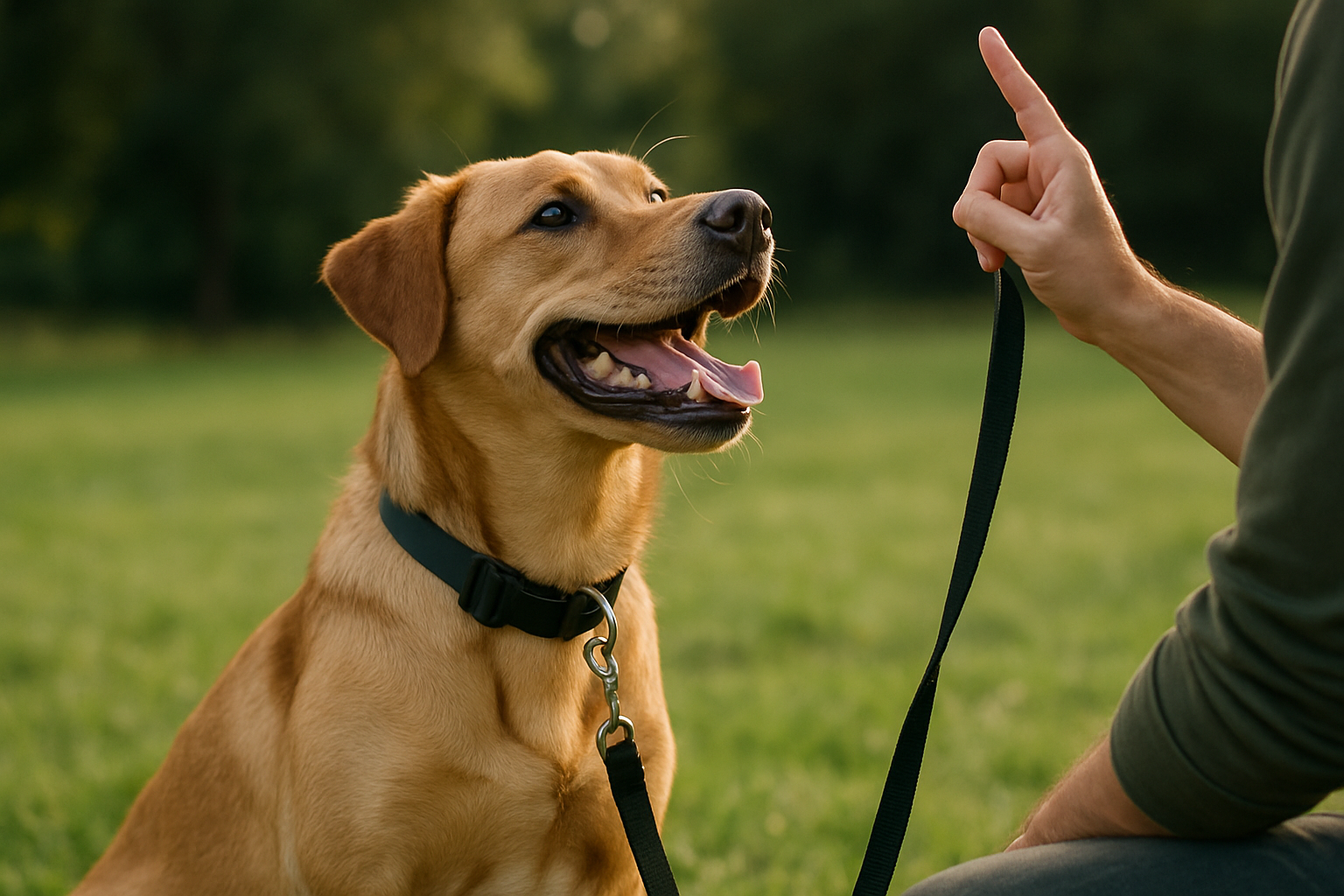
Why Your Puppy Needs a Daily Schedule
Bringing home a new puppy is exciting, but without structure, those first weeks can quickly become chaotic. Your puppy doesn't understand house rules, bathroom etiquette, or when playtime ends and rest begins. A well-designed daily schedule solves this problem by creating predictability that benefits both your puppy and your family. [1]
Think of a schedule as a communication tool. When your puppy knows that 8 a.m. means breakfast, 8:30 a.m. means a bathroom break, and 9 a.m. means playtime, they stop guessing and start learning. This predictability builds confidence and reduces anxiety, which accelerates training success across all areas of development. [5]
The good news? You don't need a military-style plan. A flexible framework that covers the essential activities—feeding, bathroom breaks, exercise, training, and sleep—is all you need to get started.
Understanding Your Puppy's Biological Needs
Before you create a schedule, it helps to understand what your puppy actually needs at their current age. Puppies are not small dogs; they have different nutritional, physical, and developmental requirements that change monthly.
Feeding Frequency and Timing
Most puppies require three meals per day until around six months of age, after which you can transition to twice-daily feeding. [1] This frequent feeding schedule isn't just about nutrition—it's also the foundation of successful potty training, since feeding directly triggers bathroom needs.
Here's a practical approach: align your puppy's mealtimes with your own. If you eat breakfast at 7 a.m., lunch at 12 p.m., and dinner at 6 p.m., feed your puppy at similar times. This makes the schedule easier to remember and follow consistently.
Bathroom Control and Frequency
Young puppies have limited bladder control. A useful guideline is that puppies can typically hold their bladder for approximately the same number of hours as their age in months, up to about nine months to one year of age. [2] A three-month-old puppy might hold it for three hours; a six-month-old for about six hours.
This means bathroom breaks should happen:
- First thing in the morning
- After each meal (within 15-30 minutes)
- After playtime or exercise
- After naps
- Before bedtime
- Every two to four hours during the day
- Once during the night for young puppies
For an eight-week-old puppy, this could mean 8-12 bathroom trips daily. [2] If your schedule makes frequent breaks difficult, consider arranging help from a trusted friend, family member, or dog walker to maintain consistency.
Sleep Requirements
Young puppies sleep 18-20 hours per day, which might surprise you until you realize they're growing rapidly and burning enormous amounts of energy when awake. [3] This sleep is not optional—it's essential for their nervous system, brain, immune system, and muscle development.
Rather than fighting this need, build your schedule around it. Plan quiet nap times several times throughout the day, and establish a designated sleep space where your puppy feels secure and undisturbed.
Building Your Puppy's Daily Schedule: A Practical Framework
Now that you understand your puppy's needs, let's create an actual schedule. This example is for a typical eight-week-old puppy and can be adjusted based on your lifestyle and your puppy's individual needs.
Early Morning (6:00-7:00 a.m.)
- Bathroom break: Take your puppy outside immediately upon waking
- Breakfast: Offer puppy food and fresh water
- Brief play: 10-15 minutes of gentle interaction
- Bathroom break: Return outside 15-30 minutes after eating
Mid-Morning (8:00-11:00 a.m.)
- Training time: 5-10 minute session while your puppy is alert (this is when learning happens best)
- Quiet play: Supervised play with toys
- Nap time: Guide your puppy to their crate or bed; this is non-negotiable rest time
Midday (12:00-1:00 p.m.)
- Bathroom break: Upon waking from nap
- Lunch: Second meal of the day
- Bathroom break: 15-30 minutes after eating
- Exercise: A short walk or play session (keep it gentle—no sustained running yet)
Afternoon (2:00-4:00 p.m.)
- Socialization and exploration: Introduce new experiences, people, or environments in a controlled way
- Training practice: Another short 5-10 minute session, incorporating training into playtime
- Nap time: Another rest period
Late Afternoon (4:00-5:00 p.m.)
- Bathroom break: Upon waking
- Dinner: Third meal of the day
- Bathroom break: 15-30 minutes after eating
Evening (5:00-7:00 p.m.)
- Family time: Interactive play, bonding, and socialization
- Training: Short sessions during this naturally social time
- Exercise: A walk or supervised outdoor play
- Nap time: Wind down as evening approaches
Bedtime (8:00-10:00 p.m.)
- Final bathroom break: Take your puppy outside to eliminate before bed
- Bedtime routine: Calm, quiet interaction; restrict food and water
- Settling in: Place your puppy in their crate with a soft blanket and comfort item
- Night sleep: Expect one bathroom break during the night for young puppies (this is normal)
Key Principles for Schedule Success
Consistency Over Perfection
The most important principle is consistency, not perfection. A predictable 5-minute training session every day at the same time teaches faster than a perfect 30-minute session twice a month. [5] Your puppy learns through patterns, not intensity. If life happens and you miss a scheduled activity, simply return to your routine the next day without guilt.
Flexibility Within Structure
Your schedule should be a framework, not a prison. If your puppy is clearly tired, let them rest. If they're energized and learning well, extend a training session by a few minutes. The goal is to honor the general structure while remaining responsive to your individual puppy's needs.
The 3-3-3 Rule for Expectations
Many trainers recommend the 3-3-3 adjustment timeline as a helpful framework. During the first three days, your puppy is decompressing from the stress of moving homes—don't push training or expect perfect behavior. Over the first three weeks, your puppy begins learning your routine and showing their true personality. By three months, most puppies feel fully at home and training begins taking real root. [5] This isn't a strict timeline, but a realistic expectation-setter.
Managing Specific Schedule Challenges
Working Full-Time
If you work outside the home, you have options. Some owners arrange for a dog walker to visit midday, breaking up the time alone and providing a bathroom break. Others use puppy pads or indoor potty systems as a temporary solution during the day, gradually transitioning to outdoor-only elimination as the puppy matures. [2] The key is finding a solution that maintains consistency, even if that solution looks different from a stay-at-home schedule.
Managing Multiple Family Members
When multiple people live in your home, they must follow the same schedule and use the same commands. Confusion about rules—such as one person allowing jumping while another discourages it—slows learning and creates frustration. Post your schedule somewhere visible and ensure everyone understands their role in maintaining it. [1]
Handling Sleep Resistance
If your puppy resists nap time, resist the urge to entertain them. Puppies sometimes don't recognize tiredness signals and need your help to wind down. Guide them to their designated sleep space, offer a comfort item that smells like their mother (if available), and create a calm environment. [3] Some whining or brief protest is normal; stay consistent and your puppy will learn.
Tools That Support Your Schedule
- A crate: Provides a den-like space where your puppy feels secure and helps with house training
- A designated potty area: Whether outdoors or puppy pads indoors, consistency matters
- A training treat pouch: Keeps high-value rewards easily accessible during training moments
- A clicker: Marks the exact moment your puppy does something right, making training clearer
- A written schedule: Post it in a visible place so all family members stay aligned
- A calendar or app: Track bathroom breaks, meals, and training sessions to identify patterns
Training Within Your Schedule
Your daily schedule isn't just about logistics—it's the foundation for all training. Short, consistent training sessions (5-10 minutes) work better than longer, infrequent ones. [4] Weave tiny training moments into everyday activities: ask for a sit before meals, practice name recognition during playtime, and reward calm behavior whenever you see it.
Focus first on foundational skills: responding to their name, basic sit, recall, and house training. These build focus and communication before you move to advanced behaviors. [4]
The Long-Term Payoff
Creating and maintaining a puppy schedule requires effort in the short term, but the payoff is enormous. A well-structured routine prevents undesirable habits from forming, accelerates learning, builds your puppy's confidence, and creates a stronger bond between you and your dog. [1] The time you invest now in establishing good habits and predictability sets the foundation for a happy, well-adjusted adult dog.
Remember: your schedule will evolve. As your puppy grows and gains bladder control, meal frequency decreases. As their learning progresses, training becomes more sophisticated. As their energy increases, exercise needs grow. Your job is to adjust the schedule to match your puppy's changing needs while maintaining the consistency that makes learning possible.
Start today, stay consistent, and trust the process. Your future adult dog will thank you.
Sources & References
- https://www.akc.org/expert-advice/training/setting-schedules-and-developing-a-routine-for-your-new-puppy/
- https://www.akc.org/expert-advice/training/how-to-potty-train-a-puppy/
- https://www.akc.org/expert-advice/health/how-much-do-puppies-sleep/
- https://www.petsafe.com/blog/how-to-train-a-puppy/
- https://www.webvet.com/dog-training-schedule/