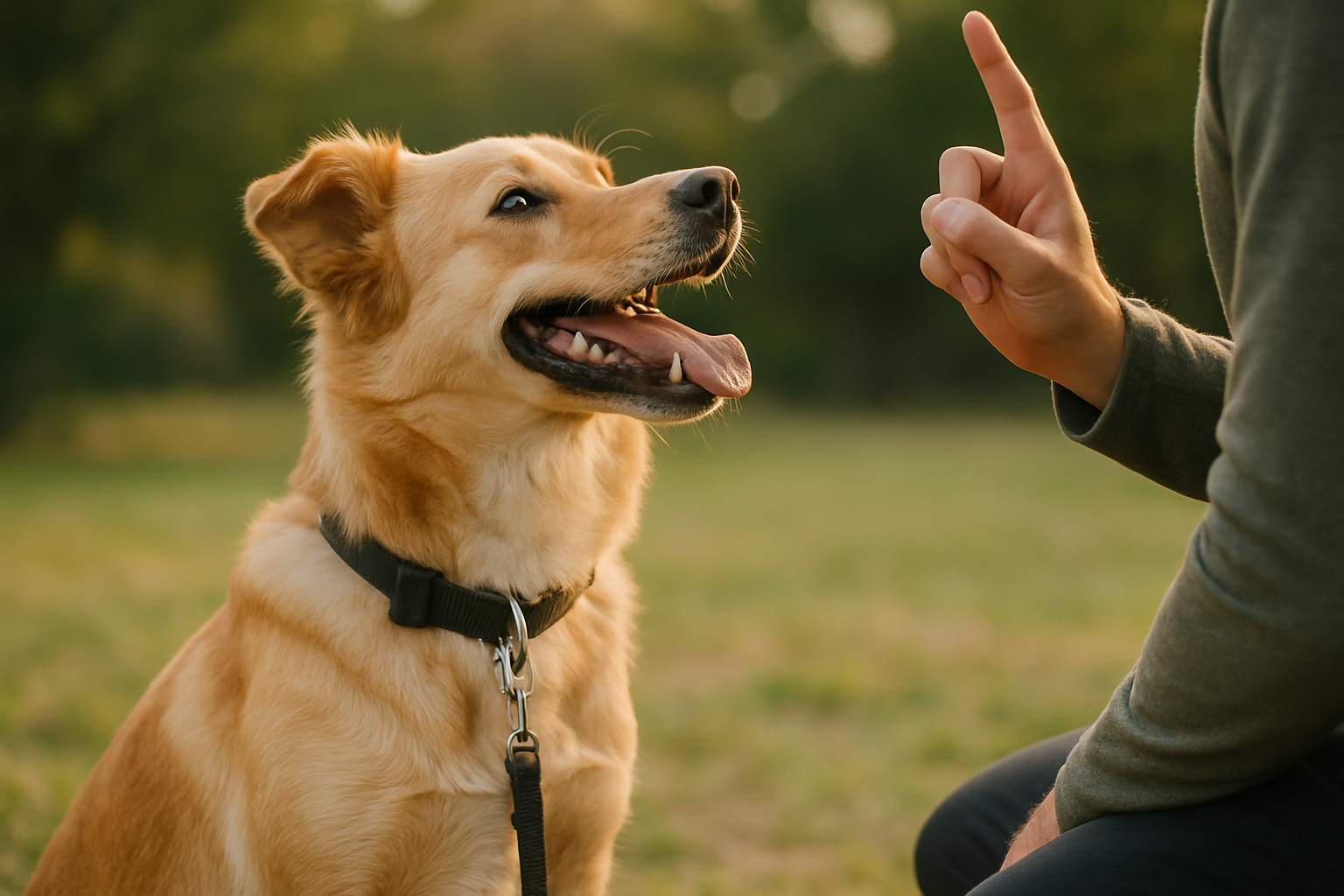
Why Your Dog Training Schedule Matters More Than You Think
If you've ever felt frustrated watching your dog zone out halfway through a training session, you're experiencing a common misconception about dog learning. Many owners assume that longer, more intense training sessions produce faster results. In reality, the opposite is true. Dogs don't learn like humans cramming for exams—they thrive on short, focused, frequent practice sessions that respect their natural attention span and cognitive development. [1]
A structured training schedule isn't just about teaching commands. It's about building confidence, strengthening your bond, reducing household stress, and creating predictable patterns your dog can rely on. When dogs understand what's expected of them and when to expect training, they learn faster, make fewer mistakes, and develop genuine enthusiasm for learning. [5]
The Science Behind Session Length: How Long Should Training Actually Last?
Professional trainers and animal behaviorists agree on one fundamental principle: shorter sessions beat longer ones nearly every time. Most dogs respond best to training sessions lasting between 5 and 10 minutes. This isn't arbitrary—it's rooted in canine cognition research. [1]
During these brief windows, your dog can maintain peak concentration and absorb new information effectively. When sessions extend beyond your dog's natural attention span, performance deteriorates, frustration builds, and both you and your pet may lose motivation. Think of it like trying to focus on a difficult task for hours without a break—your brain gets tired, and learning stalls.
Session Length by Dog Age and Experience Level
- Young puppies (8-16 weeks): Stick to 3-5 minute micro-sessions. Their developing brains tire quickly, and shorter bursts prevent mental fatigue while building positive associations with training. [1]
- Adolescent dogs (4-12 months): Gradually increase to 5-8 minute sessions. At this stage, dogs are developing better focus capacity, but still need frequent breaks for cognitive processing. [1]
- Adult dogs (1-7 years): Most thrive with 5-10 minute sessions. Well-conditioned, high-drive breeds like Border Collies may handle 10-20 minutes, while calmer dogs typically prefer 5-8 minute blocks. [1]
- Senior dogs (7+ years): Return to shorter sessions (5-8 minutes) to account for reduced stamina and potential joint discomfort during standing or active training.
Total Daily Training Time Guidelines
Your dog should receive no more than 30-60 minutes of total training per day, and this time should be distributed across multiple short sessions rather than concentrated into one marathon block. [1] Here's why this matters:
- Distributed practice improves information retention and long-term memory formation
- Multiple sessions prevent mental fatigue and maintain enthusiasm
- Spacing allows your dog's brain to consolidate and process new behaviors between sessions
- Frequent, brief sessions fit more naturally into your daily routine
For example, three 10-minute sessions spread throughout the day will produce better results than one 30-minute session, even though the total time is the same. [1]
Building Your Dog Training Schedule: A Practical Framework
Creating a schedule that actually works requires balancing consistency with flexibility. The goal isn't perfection—it's predictability. Dogs learn from patterns, not intensity. A trainer who conducts a focused 5-minute session every day at 7 PM teaches faster than one who runs a perfect 30-minute session twice a month. [5]
Step 1: Choose Your Training Times
Identify 3-4 times during your day when you can reliably conduct short training sessions. The best times typically include:
- Early morning: Before work or school, when your dog has mental energy and fewer distractions
- Mid-afternoon: A brief session after a walk or play break, when your dog is moderately tired
- Early evening: Before dinner or after a potty break, when your dog is naturally responsive
- Before bedtime: A calm, low-energy session that transitions your dog toward sleep
Avoid training immediately after meals (digestive discomfort) or when your dog is overly excited or tired. Consistency matters more than the specific time—pick times you can realistically maintain every single day. [5]
Step 2: Prepare Your Training Environment
Your training space has a massive impact on your dog's ability to focus and learn. Comfortable dogs are focused dogs. [5]
- Location: Start in a familiar, quiet space inside your home—a hallway, small room, or corner of your living area works well
- Distractions: Remove toys, other pets, and noise sources during early training. Once basics are solid, gradually introduce mild distractions to build real-world skills
- Safety: Clear the area of hazards, sharp objects, and tripping risks
- Comfort: Ensure adequate light, ventilation, and a comfortable temperature for both you and your dog
- Equipment: Keep treats, a leash, and any training tools within arm's reach so you're not fumbling during sessions
Step 3: Select Your Training Focus
Don't try to teach multiple complex behaviors in one session. Instead, focus on one primary behavior per session block. For example:
- Morning session: Name recognition and attention
- Afternoon session: Sit and down commands
- Evening session: Loose leash walking or calm settling behavior
This approach prevents cognitive overload and allows your dog to consolidate learning between sessions.
Positive Reinforcement: The Engine of Your Training Schedule
Your training schedule will only succeed if you use reinforcement methods that genuinely motivate your dog. Most dogs respond best to positive reinforcement—rewarding behaviors you want to see more of. [2]
Timing Is Everything
The reward must follow the desired behavior immediately—within 1-2 seconds. Waiting until after you've come inside or moved to another room breaks the connection between the behavior and the reward. Your dog won't understand what earned the treat. [2]
Keep training treats in your pocket during every session so you can reward instantly when your dog performs correctly.
Use Rewards Your Dog Actually Loves
Don't assume your dog is motivated by praise alone, especially early in your relationship. Most dogs respond reliably to small, delicious food rewards. [2] You might use:
- Small pieces of chicken, cheese, or hot dog
- Commercial training treats (pea-sized pieces)
- Portions of your dog's daily kibble allotment
- A favorite toy or access to play
Experiment to discover what makes your individual dog's eyes light up. That's your most powerful training tool.
Reinforcement Schedules: From Continuous to Variable
In the early stages of training, reward your dog every single time they perform the desired behavior correctly. This continuous reinforcement builds strong, reliable responses. [2]
Once your dog is performing consistently (at least several times daily with 80%+ accuracy), gradually reduce your reward schedule:
- Weeks 1-2: Reward every correct behavior (100%)
- Weeks 3-4: Reward approximately 80% of correct behaviors
- Weeks 5-6: Reward approximately 60% of correct behaviors
- Ongoing: Continue reducing until you're rewarding intermittently, but always provide some positive consequence (praise, petting, play) for correct responses
If you reduce reinforcement too quickly, the behavior will decrease and problem behaviors may reappear. Move gradually. [2]
Special Considerations: Puppies, Newly Adopted Dogs, and Breed-Specific Needs
Training Your New Puppy
Puppies have the shortest attention spans and the most developing brains. Stick religiously to 3-5 minute sessions with maximum 15-30 minutes of total daily training. [1] Focus on foundational skills like name recognition, basic potty training, and socialization rather than complex commands.
The 3-3-3 Rule for Newly Adopted Dogs
If you've recently adopted an adult dog, understand that formal training should follow a timeline. [5]
- First 3 days (Decompression): No structured training. Provide a quiet space, predictable meals, and let your dog decompress from the stress of transition. Many newly adopted dogs sleep heavily, refuse food, or seem "shut down"—this is normal.
- First 3 weeks (Settling): Begin gentle, low-pressure training around week 2. Establish house rules and daily routines. Your dog will start showing true personality and testing boundaries.
- First 3 months (Bonding): Training takes root as trust deepens. By 3 months, most dogs feel at home, though some (especially those with difficult backgrounds) need 6-12 months for full confidence.
Breed-Specific Training Considerations
Different breeds have different energy levels, focus capacities, and training needs. [1]
- High-drive working breeds (Border Collies, Australian Shepherds, German Shepherds): Can handle 10-20 minute sessions once conditioned, and often thrive with more frequent training
- Calm, lower-energy breeds (Bulldogs, Basset Hounds, Shih Tzus): Prefer shorter 5-8 minute sessions and may fatigue quickly in heat or during physical activity
- Toy breeds: Respond well to frequent, very short (3-5 minute) sessions with high-value rewards
- Scent hounds (Beagles, Bloodhounds): May need extra motivation and distraction management due to strong prey drive
Teaching Name Recognition: Your Foundation Skill
Before tackling complex commands, teach your dog to respond reliably to their name. This is the foundation for all future training and communication. [4]
The Name Recognition Training Process
- Say the name clearly and upbeat: Use a happy, high-pitched tone that captures attention
- Reward the glance: The moment your dog looks toward you (even briefly), say "Yes!" and immediately give a treat
- Practice frequently: Run 5-10 mini-sessions throughout the day in different rooms
- Increase difficulty gradually: Once your dog reliably responds indoors (9 out of 10 times), practice outside in a fenced area or on leash, then in more distracting environments
- Add the next command: Once name recognition is solid, pair it with "Come" (e.g., "Bailey, Come!")
- Reduce treats slowly: Continue praising every response, but reduce treats from 100% to 80%, then 60%, then 40% as reliability increases
Critical warning: Never use your dog's name when reprimanding or saying "No." If you call their name and then scold them, you're actually punishing them for looking at you—the exact opposite of what you want. [4] Your dog's name should mean, "Something wonderful is about to happen."
Practical Sample Training Schedules
Sample Schedule: Busy Working Adult with One Adult Dog
- 7:00 AM (5 min): Name recognition and attention work during breakfast prep
- 12:00 PM (5 min): Quick sit/down practice during lunch break (or hire a dog walker to do this)
- 6:00 PM (10 min): Leash walking and loose-leash training during evening walk
- 8:00 PM (5 min): Calm settling behavior before bedtime
- Total: 25 minutes daily, distributed across four sessions
Sample Schedule: Stay-at-Home Parent with Puppy
- 8:00 AM (3 min): Potty training and name recognition
- 10:00 AM (3 min): Sit and down commands
- 1:00 PM (3 min): Name recognition in different room
- 3:00 PM (3 min): Loose leash walking practice
- 5:00 PM (3 min): Calm behavior and settling
- 7:00 PM (3 min): Play-based training with toys
- Total: 18 minutes daily, distributed across six micro-sessions
Creating Consistency: The Real Secret to Success
Consistency beats perfection every time. A sloppy 5-minute session at the same time every day teaches faster than a perfect 30-minute session once a month. [5] Your dog learns from patterns and predictability, not from intensity or perfection.
- Set phone reminders for your training times until they become automatic
- Anchor training to existing routines (after breakfast, during lunch break, before dinner)
- Involve all family members so training happens even if you're busy
- Start small with a schedule you can realistically maintain for 30+ days
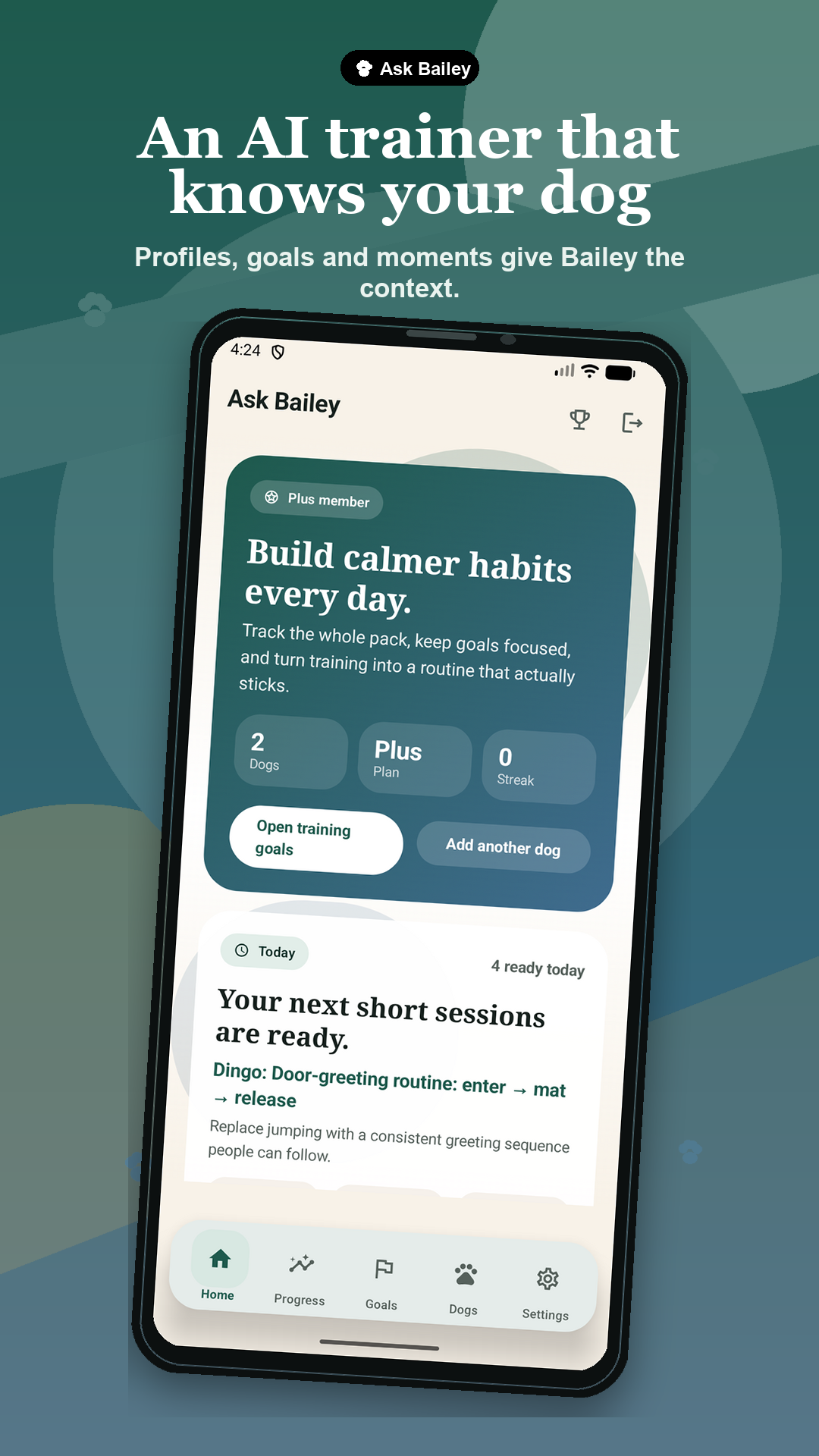
- Track progress with a simple calendar or app to stay motivated
Ending Sessions on a High Note
Always quit while you're ahead. End each training session when your dog has just succeeded at something, feels confident, and is still eager for more. This leaves them with a positive association and builds enthusiasm for tomorrow's session. [5]
If your dog makes a mistake near the end of a session, back up to an easier behavior they can succeed at, reward generously, and then end on that success.
Key Takeaways for Your 2026 Training Schedule
- Keep individual sessions short: 5-10 minutes for most adult dogs, 3-5 minutes for puppies
- Distribute training throughout the day rather than concentrating it into one session
- Consistency matters more than duration—daily short sessions beat occasional long ones
- Use positive reinforcement with immediate, high-value rewards your dog loves
- Create a comfortable, distraction-free training environment
- Anchor training to existing daily routines for sustainability
- Start with name recognition as your foundation skill
- Respect your dog's age, breed, and temperament when setting session length
- End sessions on success to build enthusiasm and confidence
- Be patient—training is a marathon, not a sprint
When to Seek Professional Help
If your dog shows signs of aggression, severe fear, or sudden behavioral changes, or if you're struggling with housebreaking or behavioral challenges after consistent training, consult a certified applied animal behaviorist, veterinary behaviorist, or certified professional dog trainer. These experts can assess your individual dog's needs and customize a training plan that works for your situation.