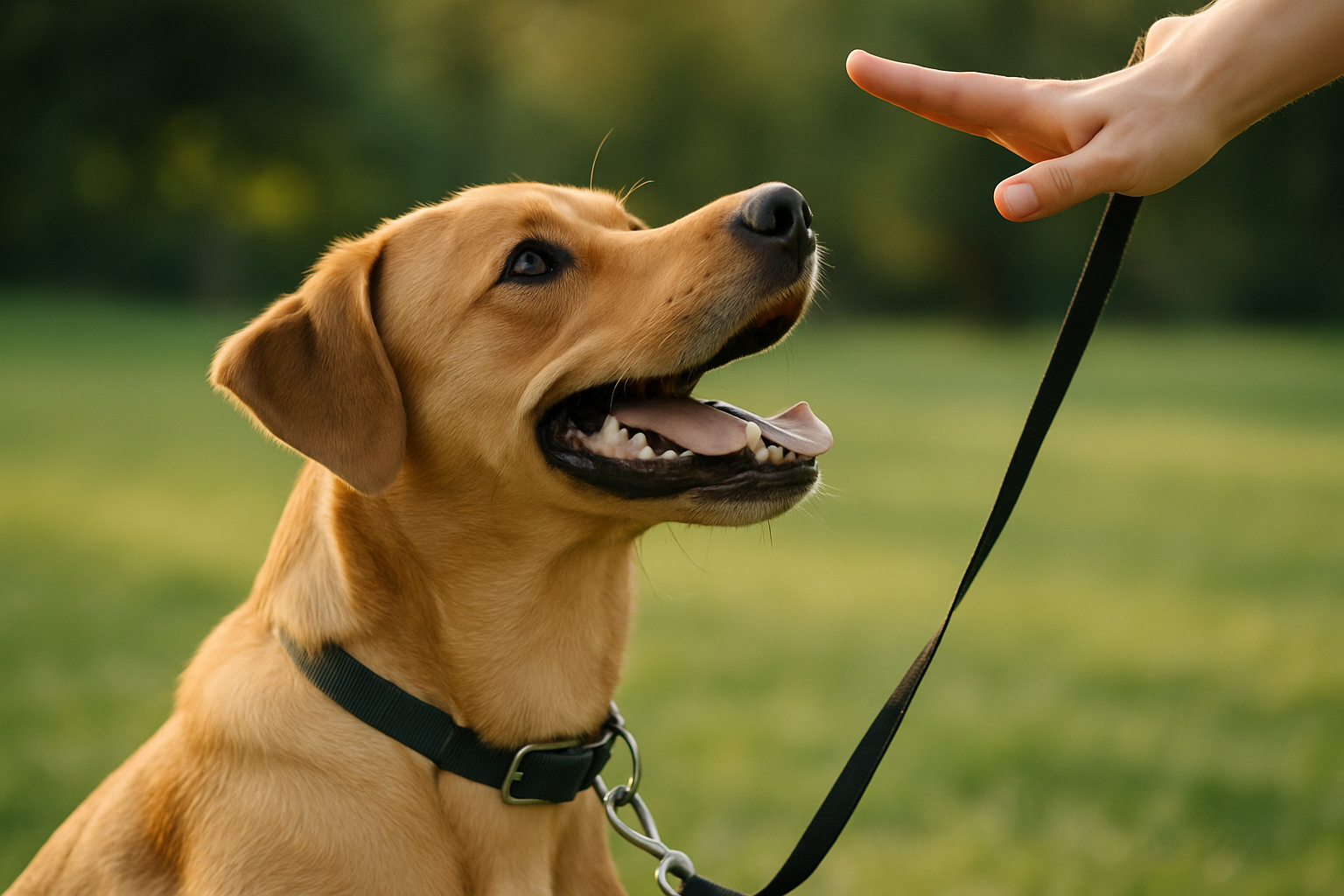
Dog Training Calendar: A Month-by-Month Practical Guide
If you're bringing home a new puppy or starting fresh with an adult dog, you've probably felt that moment of uncertainty: "Where do I even begin?" The truth is, most dog owners underestimate how much work training involves, and nearly one-fourth admit they were surprised by the commitment required [1]. But here's the good news: with a structured calendar and realistic expectations, training becomes manageable, even enjoyable.
This guide maps out a practical training timeline that works with your dog's natural development stages, helping you prioritize what matters most and celebrate progress along the way.
Why a Training Calendar Matters
Dogs thrive on predictability. When they understand what's expected, they feel more secure and confident [2]. A structured training calendar does more than teach commands—it creates the framework your dog needs to feel safe while building clear communication between you and your pup.
Research shows that fewer than 10% of people achieve their life goals, largely because they don't write them down [1]. The same principle applies to dog training. When you map out monthly milestones, you're far more likely to stay consistent and see measurable progress. This approach also prevents the common mistake of trying to teach too much too quickly, which overwhelms both dog and owner.
Before You Start: Building the Foundation
Before diving into specific commands or timelines, understand what makes training actually work. Dogs learn through repetition, and consistency is non-negotiable. Using the same verbal cues, hand signals, and reward systems helps your dog connect their actions with outcomes [1].
Equally important is emotional safety. Your puppy or adult dog needs to feel secure around you first. This foundation of trust makes everything else easier to teach [5]. Positive reinforcement—rewarding desired behaviors rather than punishing mistakes—builds this trust naturally.
Key principles to remember:
- Keep training sessions short (5-15 minutes depending on age) [3]
- Train 2-3 times daily rather than one long session
- Use your dog's regular food as training rewards when possible [3]
- Stay patient—dogs learn at different speeds [3]
- Never rush progression; let your dog master one skill before moving forward
Months 1-2: Arrival and Adjustment (8-16 Weeks Old)
The first weeks home are critical. Your puppy is learning about their new environment, and your job is to make the world feel safe, not scary [5].
Focus Areas:
- Environmental exposure: Help your puppy become comfortable with household sounds, textures, people, and routines. This isn't formal training yet—it's life education [5].
- Establishing daily routine: Create a consistent schedule for feeding, potty breaks, playtime, and naps. This structure helps your puppy feel secure and promotes good behavior [3].
- Learning their name: Use it consistently and positively, pairing it with treats and praise.
- Introduction to basic handling: Get them comfortable with collar, leash, and gentle grooming touches.
First Command: "Sit"
Around week 2-3, introduce your first formal command. "Sit" is ideal because it teaches impulse control—the foundation for all future learning [5]. Here's how:
- Hold a treat close to your puppy's nose
- Slowly move it upward and backward over their head
- As their head follows, their bottom naturally lowers
- The moment they sit, say "Sit," reward immediately, and praise enthusiastically
- Repeat 3-5 times per session, 2-3 sessions daily
Housebreaking Begins: Establish a consistent potty schedule—typically after meals, naps, playtime, and before bedtime. Reward outdoor success immediately [2].
Months 3-4: Building Confidence (16-24 Weeks Old)
Your puppy is now familiar with home routines and ready for expanded learning. This is still within the critical socialization window, so exposure to new experiences remains important [5].
Focus Areas:
- Expanding socialization: Once vaccinated, practice training routines in different outdoor locations—parks, quiet streets, friend's homes. This solidifies commands and builds confidence [3].
- Polite play and bite inhibition: Teach what's appropriate to chew and what isn't. Your puppy should understand "no biting" and learn to "drop it" [5].
- Crate training: Introduce the crate as a safe space, not a punishment. This supports housebreaking and provides security during travel or busy times [2].
New Commands:
- "Stay": Start with short distances and durations. Ask your puppy to sit, hold up your hand, say "Stay," take one small step back, then reward. Gradually increase distance and time [2].
- "Come": Begin in confined spaces. Use an excited tone, reward enthusiastically, and never call your puppy to come for something they perceive as negative (like nail trimming) [5].
- "Leave it": Place a treat on the ground, cover it with your foot, and reward when your puppy looks away.
Leash Training: Practice walking on a properly fitted collar and leash. Reward calm walking; stop moving when pulling occurs. Consistency teaches that pulling doesn't work [2].
Months 5-6: Refining Basics (24-32 Weeks Old)
Your puppy is becoming more capable and should show steady progress with established commands. This is the time to strengthen reliability and introduce slight variations.
Focus Areas:
- Polite greeting behaviors: Teach "sit" before greeting guests or other dogs. This prevents jumping and creates calm interactions [5].
- Duration training: Extend "stay" duration from seconds to minutes. Practice in different environments.
- Recall reliability: Even if your puppy's recall isn't perfect yet, they should genuinely love coming to you [5].
- Housebreaking reinforcement: Most puppies show steady progress, though accidents may continue. Never punish accidents; simply clean thoroughly and maintain schedule consistency [2].
Advanced Impulse Control: Your puppy should now sit before meals, playtime, and walks without being asked in every instance. This teaches that polite behavior opens doors to good things [5].
Months 7-12: Adolescence and Solidification (6-12 Months Old)
By six months, your puppy enters adolescence—a phase where they test boundaries. Consistency becomes even more critical [1]. Stay the course; this phase is temporary.
Focus Areas:
- Reinforcing all previous commands: Practice in varied settings—different rooms, outdoors, with distractions.
- Introducing distance and duration: Can your puppy "stay" while you're in another room? Can they "sit" from across the yard?
- Building reliability around distractions: Train near other dogs, in busy areas, during exciting moments.
- Loose-leash walking mastery: Your adolescent should walk calmly without pulling, ready for real-world outings [2].
Intermediate Commands (Optional): If basics are solid, introduce "down," "heel," or "wait at the door." These build on impulse control skills already established.
Problem-Solving: Address any unwanted behaviors (excessive barking, chewing, jumping) by redirecting to appropriate outlets. Provide adequate physical and mental stimulation [2].
Year 2+: Maintenance and Refinement
By their first birthday, well-trained dogs should demonstrate the core behaviors needed for a harmonious life: responding to commands, walking calmly, greeting politely, and understanding household rules [5].
Going Forward:
- Continue regular training sessions (now 2-3 times weekly rather than daily)
- Maintain consistency—dogs never stop needing reinforcement
- Introduce new environments and challenges to prevent boredom
- Consider advanced classes or specialized training based on your dog's needs
- Remember: adult dogs are fully capable of learning new behaviors [2]
Creating Your Personal Training Calendar
Generic timelines provide structure, but your dog is unique. Here's how to personalize your calendar:
Set Specific, Written Goals
Don't just think "teach sit." Write: "By [date], puppy will sit on command 8 out of 10 times in the kitchen." Specific, measurable goals dramatically increase success rates [1].
Focus on 2-3 Goals at a Time
Trying to teach everything simultaneously overwhelms both you and your dog. Master basics before advancing. Divide sessions by skill level [1].
Track Progress Weekly
Keep written records of what your dog has mastered and what still needs work [1]. A simple template might look like:
- Week of [date]
- Goal: Teach "sit" in kitchen
- Progress: Sits 5/10 times, needs more repetition
- Next week: Add treats from new location, practice 3x daily
Adjust Based on Your Dog's Pace
Some dogs master basics in weeks; others need months. This isn't failure—it's normal variation. Never rush progression [3].
Tools That Support Your Calendar
The right equipment makes training easier and safer [2]:
- Treat pouch: Keep rewards accessible for immediate reinforcement [3]
- Properly fitted collar and leash: Essential for safe, consistent outdoor training
- Crate or kennel: Supports housebreaking and creates a secure space
- Training pads: Helpful during housebreaking transitions or for apartment living
- Durable toys: Provide appropriate outlets for chewing and play
- Written tracking template: Print or download a progress sheet to stay accountable
Common Timeline Mistakes to Avoid
Understanding what doesn't work helps you stay on track:
- Starting too late: The longer you wait to begin training, the harder it becomes. Start the day your dog comes home [1].
- Inconsistent cues: Using different words for the same command ("sit," "have a seat," "get down") confuses your dog. Pick one cue and stick with it [1].
- Skipping written goals: Unwritten intentions rarely become reality. Document your training plan [1].
- Too-long sessions: Your dog's attention span is limited. Five to fifteen minutes is ideal [3].
- Expecting perfection too quickly: Nearly 20% of dog owners say training a puppy is harder than raising a baby [1]. Give yourself grace.
When to Seek Professional Help
A calendar provides structure, but professional guidance helps in specific situations:
- Severe behavioral issues (aggression, excessive fear, destructive behavior)
- If your dog shows signs of anxiety or stress during training
- When progress plateaus despite consistent effort
- For specialized training (service work, sport training, rehabilitation)
Consider group or individual classes with a certified trainer, especially for puppies [1]. Many veterinary practices also provide training resources and recommendations.
Key Takeaways for Your Training Calendar
A successful training calendar isn't about perfection—it's about consistency, patience, and realistic expectations. Here's what matters most:
- Write down your training goals and track progress weekly [1]
- Start early; it's easier to prevent bad habits than break them [1]
- Keep sessions short and fun—5-15 minutes is ideal [3]
- Use positive reinforcement; reward what you want to see more of [2]
- Prioritize emotional safety and trust before formal obedience [5]
- Adjust your calendar based on your dog's individual pace [3]
- Consistency and patience are non-negotiable [1]
- Adult dogs can learn new behaviors just as well as puppies [2]
Training your dog is one of the most important investments you can make in their long-term health, safety, and happiness [2]. With a thoughtful calendar, clear goals, and realistic expectations, you're setting your pup—and yourself—up for success. The perfect, well-behaved companion you envision isn't out of reach. It just takes a plan and commitment to follow through, one month at a time.
Sources & References
- https://www.getweave.com/dog-training-plan/
- https://www.petmate.com/blogs/petmate-academy/how-to-train-your-dog-in-2026-a-practical-step-by-step-guide
- https://www.thepuppyacademy.com/blog/2020/8/24/complete-puppy-training-schedule-by-age
- https://www.akc.org/expert-advice/training/puppy-training-timeline-teaching-good-behavior-before-its-too-late/