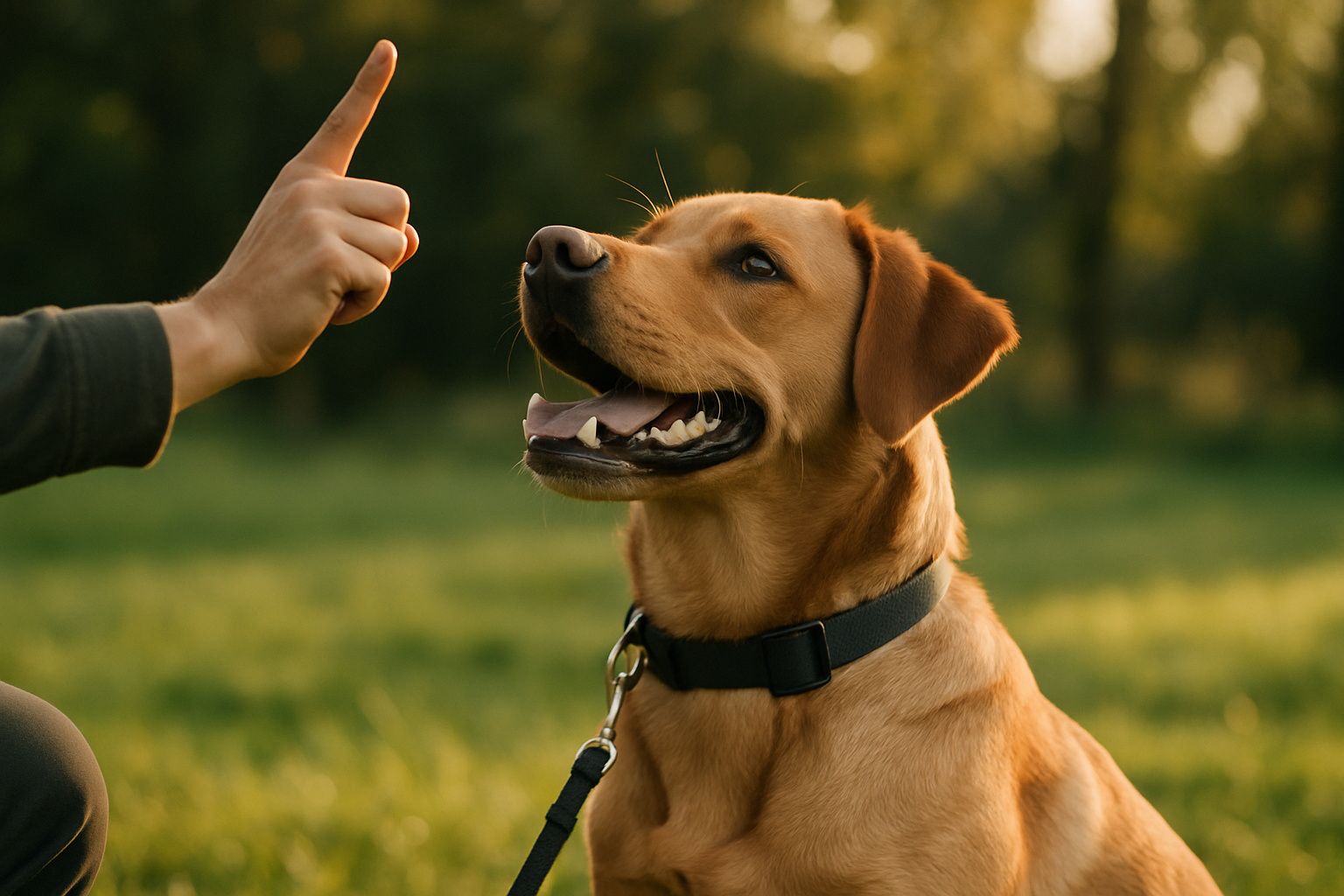
How long does it take to train a dog? The answer depends on your dog's age, the behavior you're teaching, and how consistently you practice—but understanding realistic timelines removes frustration and keeps you motivated. Dog training doesn't follow a one-size-fits-all schedule, yet many owners expect puppies to master commands in weeks or adult dogs to transform overnight. In 2026, successful trainers prioritize functional behavior over perfection, recognizing that consistency and clear communication matter far more than speed.[2] This guide breaks down realistic training timelines based on developmental windows, specific behaviors, and what science actually tells us about how dogs learn.
Realistic Dog Training Timelines: What Actually Works in 2026
You brought your puppy home three weeks ago, and they're still ignoring every command you've taught them. Your adult rescue dog pulls on the leash like a freight train. You're wondering: how long should this actually take?
The truth is, dog training doesn't follow a one-size-fits-all timeline. But understanding realistic expectations—and the developmental windows where learning happens fastest—removes the guesswork and keeps you motivated when progress feels slow.
In 2026, more dog owners are prioritizing functional behavior over perfection, understanding that consistency matters far more than speed. This guide breaks down realistic training timelines based on your dog's age, the specific behaviors you're working on, and what science actually tells us about how dogs learn. [2]
Why Timeline Expectations Matter
Setting unrealistic training timelines is one of the biggest reasons dog owners feel frustrated and quit training altogether. You might expect a 10-week-old puppy to have rock-solid recall by month two, or assume an adult dog should understand "stay" after a few practice sessions.
The reality is different. Dogs learn through repetition, environmental consistency, and clear communication. When you understand realistic timelines, you can celebrate genuine progress instead of feeling defeated by imaginary benchmarks. [4]
Here's what matters most: training is about building habits and trust, not checking boxes. A dog that reliably sits before meals might take four weeks to learn. A dog that responds to recall in a distraction-filled park might take months or years to master completely. Both timelines are normal and healthy.
The Critical First 16 Weeks: Why Early Training Matters
If you have a puppy, the first 16 weeks of life represent the most important window for learning. During this period, approximately 90% of your dog's permanent temperament is being formed. This isn't about teaching fancy tricks—it's about building emotional safety and foundational confidence. [3]
This critical window breaks down into distinct phases:
Weeks 8-12: Foundation & Safety First
When your puppy arrives home (typically around 8 weeks), your first priority isn't obedience—it's emotional security. Before diving into sit, stay, or come, focus on creating an environment where your puppy feels safe around you and their new surroundings. [5]
During these first four weeks, your timeline should include:
- Environmental exposure: Introduce your puppy to at least 12 different floor textures (tile, carpet, wood, grass, gravel) and 15 distinct environmental sounds (traffic, vacuum, doorbell, rain). This builds confidence and prevents fear-based reactivity later. [3]
- Basic impulse control: Start with "sit" before meals and playtime. This teaches the concept that polite behavior earns rewards. Expect 2-3 weeks of repetition before your puppy reliably understands the pattern. [5]
- Housebreaking foundation: Establish a consistent potty schedule. Progress will be gradual—expect accidents to continue for several months. [5]
- Crate introduction: Make the crate a safe, positive space through gradual exposure. This supports housebreaking and gives your puppy a secure rest area. [2]
Realistic timeline for this phase: 2-4 weeks to establish basic routines and emotional safety. Your puppy may show understanding of "sit" by week 3-4, but consistency will still be spotty.
Weeks 12-16: Building Manners & Recall
By week 12, your puppy's brain has developed enough to handle more structured learning. This is when you can expect faster progress on specific behaviors. [3]
Focus on:
- Polite play boundaries: Teach what's off-limits (your hands, clothing, furniture) versus appropriate toys. Your puppy should understand "no biting" and respond to "drop it" with increasing reliability. Expect this to take 4-8 weeks of consistent reinforcement. [5]
- Early recall foundation: Start building a positive association with coming to you. Even if your puppy's recall isn't reliable, the goal is to make approaching you feel rewarding. This foundation takes weeks to build but prevents future recall problems. [5]
- Sitting for everything: Expand the "sit" command to before all valued things—meals, playtime, going outside. By 16 weeks, your puppy should reliably sit for these routine situations. [5]
Realistic timeline for this phase: 4-8 weeks to see noticeable improvement in manners and basic obedience. By 16 weeks, your puppy should have a foundation of trust and basic understanding of several commands.
The 4-6 Month Window: Transition to Consistency
From 4-6 months, your puppy is no longer a newborn but not yet an adolescent. This is when many owners notice their puppy "forgets" what they learned. This isn't regression—it's normal development. Your puppy is testing boundaries and becoming more independent. [5]
During this phase, expect:
- Selective hearing: Your puppy may reliably sit in the kitchen but ignore the command at the park. This is completely normal and doesn't mean training failed. Environmental distractions are genuinely harder for young dogs to overcome. [3]
- Increased independence: Your puppy is developing their own personality and may be less food-motivated. Adjust your rewards to match what actually motivates your individual dog. [2]
- Teething challenges: Chewing and nipping often increase during this phase. Provide appropriate outlets and remain patient—this is biological, not behavioral defiance. [5]
Realistic timeline for this phase: 6-12 weeks of consistent, patient reinforcement. Don't expect reliability in distracting environments yet.
The 6-12 Month Mark: Building Real-World Reliability
By six months, your puppy is developing the focus and impulse control needed for more advanced training. However, this is also the phase where many dogs develop the behavioral issues that lead to shelter surrender if not addressed. [3]
This is the time to invest in structured training if you haven't already. Professional puppy training classes during this window can prevent problems from becoming permanent habits. [3]
Training goals for this phase should include:
- Reliable basic commands: "Sit," "stay," and "come" should work in familiar environments with few distractions. Expect 3-6 months of practice to achieve this level. [5]
- Leash manners: Walking calmly on leash is a skill that takes 8-12 weeks of consistent practice. Use a properly fitted collar and leash, and reward calm walking behavior frequently. [2]
- Crate comfort: Your puppy should be comfortable spending time alone in their crate. This prevents separation anxiety and supports travel, vet visits, and safe management. [2]
- Polite greetings: Teach sitting for attention instead of jumping. This requires consistent reinforcement from all family members and guests—expect 4-8 weeks of practice. [4]
Realistic timeline for this phase: 8-16 weeks to see solid progress on multiple behaviors. By 12 months, your dog should have a foundation of reliable obedience in familiar settings.
The One-Year Mark: What Your Dog Should Know
By their first birthday, well-trained puppies should have mastered several foundational behaviors. However, this doesn't mean they're "finished" training. Dogs continue learning throughout their lives. [5]
Your one-year-old should reliably:
- Sit and stay on command in familiar environments
- Walk calmly on leash without excessive pulling
- Come when called (at least in familiar settings)
- Understand basic household rules and boundaries
- Be housebroken with rare accidents
- Play politely without excessive nipping or jumping
- Settle and rest calmly for extended periods
If your one-year-old is struggling with multiple behaviors from this list, professional training can help. But remember: this is still a young dog with a developing brain. Full impulse control and distraction-proof obedience won't fully develop until 2-3 years of age. [5]
Training Adult Dogs: Different Timeline, Same Principles
If you're working with an adult dog, the timeline is different—but not necessarily longer. Adult dogs often bring better focus and impulse control than puppies, which can actually accelerate learning in some areas. [2]
What changes with adult dogs:
- Habit breaking takes longer: If your adult dog has spent years pulling on leash or jumping on guests, expect 8-12 weeks of consistent training to change these habits. Established behaviors are harder to override than teaching puppies new skills. [4]
- Trust building is essential: Adult dogs (especially rescues) may need time to develop trust before training becomes effective. Invest in emotional safety first, obedience second. [5]
- Individual motivation matters more: Adult dogs have clear preferences for rewards. Some love food, others prefer play or praise. Spend the first 1-2 weeks identifying what actually motivates your dog. [2]
- Health considerations: Ensure your adult dog has a clean bill of health before starting intensive training. Pain or illness can make dogs seem stubborn when they're actually struggling physically.
Realistic timeline for adult dogs: 4-8 weeks to see noticeable improvement in major behavioral issues. 3-6 months for solid, reliable behavior change. [4]
The Role of Professional Training in Your Timeline
Many owners wonder whether professional training can speed up timelines. The answer is nuanced. Professional trainers can't make training happen faster, but they can prevent you from wasting time on ineffective methods. [3]
Professional training is most valuable when:
- You're struggling with consistency or technique
- Your dog is showing behavioral issues that DIY training hasn't resolved
- You have a puppy in the critical 8-16 week window and want to maximize that developmental period [3]
- Your dog needs to work reliably around distractions (off-leash control, recall in parks)
- You're dealing with fear, anxiety, or aggression that requires professional assessment
If you choose professional training, expect realistic timelines:
- Group classes: 6-8 weeks of weekly sessions to build foundational skills. Progress continues after class ends through your home practice. [3]
- Board-and-train programs: 2-4 weeks of intensive training. The dog may show dramatic improvement, but your role is to maintain and reinforce what they've learned. [3]
- One-on-one sessions: 4-12 weeks depending on goals and starting point. These are most effective when combined with your consistent home practice.
Building Momentum: How to Stay Consistent
The biggest factor in realistic training timelines isn't the method you choose—it's consistency. Dogs learn through repetition, and repetition requires daily practice. [2]
To maintain consistency:
- Integrate training into daily life: Practice commands during walks, meals, and playtime rather than in separate "training sessions." Short, frequent practice beats long, infrequent sessions. [4]
- Use the right tools: A treat pouch, properly fitted leash and collar, and appropriate toys support consistent practice. Good tools don't replace training, but they make reinforcement easier and faster. [2]
- Track progress without judgment: Weekly check-ins help you notice patterns and improvements. Progress is rarely linear—some weeks feel easier than others, and that's normal. [4]
- Adjust expectations seasonally: Training progress may slow during stressful periods (moving, new family members, seasonal changes). This is temporary, not permanent regression. [4]
What Realistic Timelines Actually Mean
Understanding realistic training timelines means accepting that training is a long-term relationship, not a short-term project. Your dog won't be "finished" training after a few months. They'll continue learning, adapting, and developing impulse control throughout their life. [2]
Here's what realistic actually means:
- Puppies: 12-24 months to develop solid foundational behaviors in familiar environments. 2-3 years for full impulse control and distraction-proof obedience.
- Adult dogs with behavior issues: 8-12 weeks for noticeable improvement. 3-6 months for reliable behavior change.
- Specific advanced skills (off-leash recall, advanced commands): 6-12 months of consistent practice.
The good news? Most behavioral improvements happen faster than you think once you commit to consistency. Many owners see meaningful changes within 4-6 weeks of dedicated practice. [4]
Red Flags That Indicate Professional Help Is Needed
While most training timelines are predictable, some situations require professional assessment. If your dog shows any of these signs, consult a certified trainer or veterinary behaviorist:
- Aggression toward people or other animals
- Severe fear or anxiety that prevents normal functioning
- Sudden behavioral changes (regression or new aggression)
- Destructive behavior that seems compulsive rather than boredom-based
- Inability to housetrain despite consistent effort
- Bite incidents, even minor ones
These situations require professional evaluation to rule out medical issues, assess severity, and develop appropriate treatment plans. They're not training failures—they're situations where professional expertise genuinely makes a difference in safety and outcomes.
Your 2026 Training Timeline: Getting Started
As you think about training goals for 2026, use these realistic timelines to set expectations that keep you motivated rather than frustrated. [4]
Start by identifying where your dog is right now:
- Is this a new puppy in their critical developmental window?
- Is this an adult dog with established habits?
- Are you addressing specific behavioral problems or building general obedience?
- How much time can you realistically dedicate to consistent practice?
Once you understand your starting point, set specific, measurable goals that match realistic timelines. Instead of "my dog will have perfect obedience by March," try "my dog will walk calmly on leash for 10 minutes by February." Specific goals are easier to track and more motivating when you achieve them. [4]
Remember: the goal isn't perfection. It's building a dog who feels secure, understands clear communication, and can navigate daily life with confidence. That's what realistic training timelines actually deliver.
Sources & References
- https://www.petmate.com/blogs/petmate-academy/how-to-train-your-dog-in-2026-a-practical-step-by-step-guide
- https://sitmeanssit.com/puppy-training-classes-the-ultimate-guide-to-real-world-results-in-2026/
- https://doggoneitk9.com/new-year-better-behaviors-dog-training-goals-2026/
- https://www.akc.org/expert-advice/training/puppy-training-timeline-teaching-good-behavior-before-its-too-late/