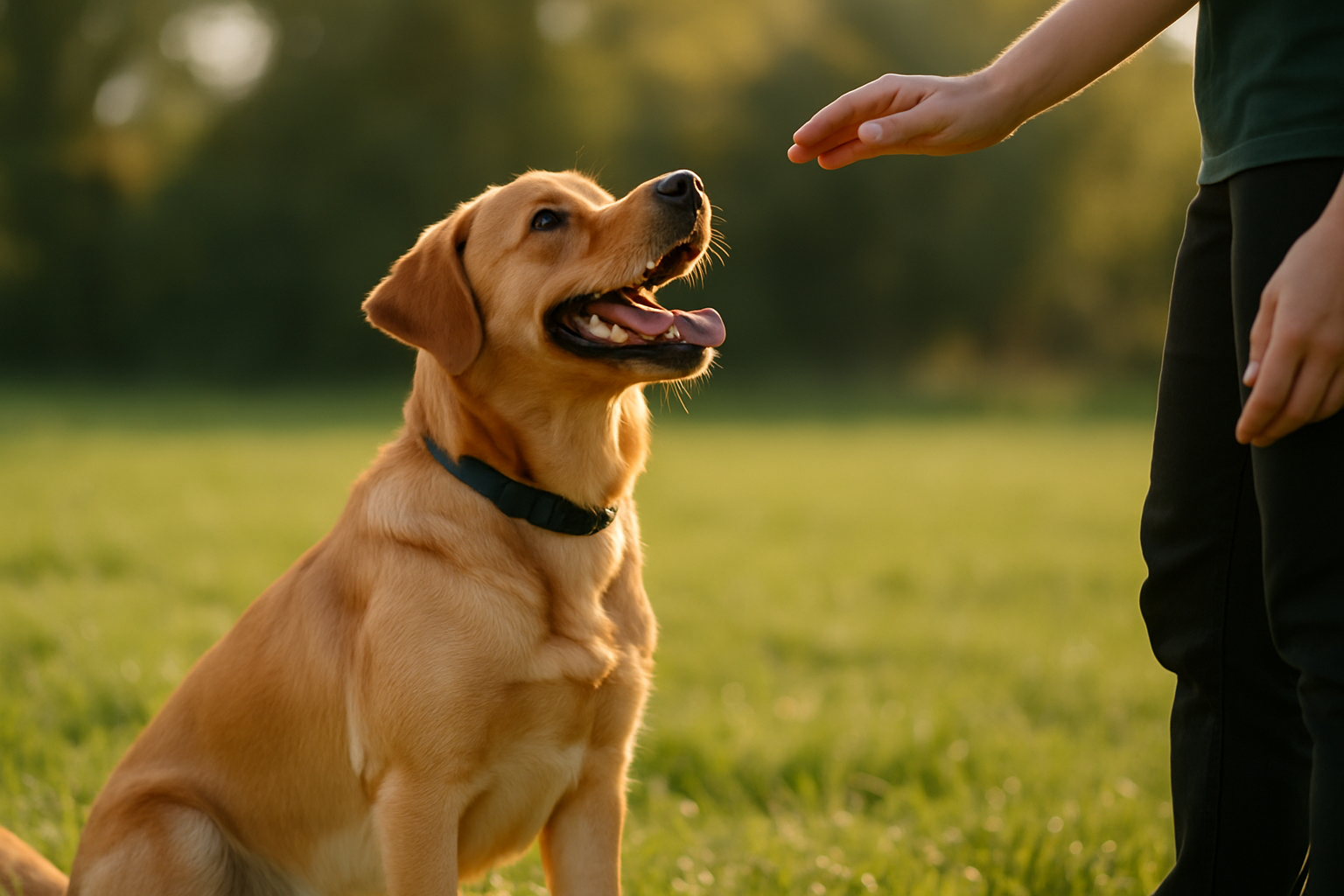
Why Daily Dog Training Matters More Than You Think
Many dog owners believe training is something you "finish" and move on from. In reality, training is best understood as a daily practice that builds confidence, prevents behavioral problems, and strengthens your relationship with your dog. [1] When dogs understand what's expected of them through consistent routines, they feel more secure and are less likely to develop anxiety, destructive habits, or fear-based reactions.
Dogs today navigate complex environments—they travel, spend time alone, interact with families and guests, and adapt to different spaces. Without clear structure and communication, this can overwhelm them. A well-designed daily routine provides the predictability dogs need to thrive. [1]
The goal of modern dog training isn't perfection or rigid obedience. It's building calm habits, reducing stress for both you and your dog, and creating a foundation where your dog can safely explore the world. [1]
Understanding How Dogs Learn: The Foundation of Daily Training
Before you structure your routine, it helps to understand the principles that make training work. Dogs learn through repetition and clear cause-and-effect relationships. When you use the same cues, routines, and rewards consistently, your dog connects their action with the outcome. Inconsistent rules slow progress and create confusion.
The most effective approach is positive reinforcement—rewarding the behaviors you want to see more of, rather than punishing mistakes. [1] This builds trust, keeps your dog engaged, and makes training enjoyable for both of you. Rewards can be treats, praise, play, or a combination of these, depending on what motivates your individual dog most. [4]
A practical tip: spend time identifying what your dog truly loves. Is it a specific treat? Playtime with a particular toy? Your enthusiastic praise? The better you understand your dog's preferences, the more powerful your rewards become. [4]
Structuring Your Daily Training Routine: A Realistic Framework
You don't need hours of training to see results. In fact, multiple short sessions throughout the day are often more effective than one long session. Here's how to structure a practical daily routine:
Morning Session (5-10 minutes)
- Timing: Right after your dog wakes up, when they're alert but not yet overstimulated
- Focus: One command or behavior, such as sit or wait at the door
- Structure: 3-5 short repetitions with immediate rewards
- Purpose: Sets a positive tone for the day and reinforces calm behavior during a transition time
Midday Session (5-10 minutes)
- Timing: Before lunch or during a natural break in your day
- Focus: A different command or a leash-walking skill
- Structure: Practice in a familiar environment first, then gradually introduce mild distractions
- Purpose: Breaks up the day, provides mental stimulation, and prevents boredom-related behaviors
Evening Session (5-10 minutes)
- Timing: Before dinner or before your main evening activity
- Focus: Review and reinforce commands learned earlier in the week
- Structure: Keep it light and fun; this isn't the time for new, challenging skills
- Purpose: Reinforces learning and creates a calming wind-down before rest
The key is consistency. Your dog learns better from regular, short sessions than from sporadic, intense ones. [1] Even 5 minutes of focused training each day builds stronger habits than an hour-long session once a week.
Essential Skills to Include in Your Daily Routine
Not all commands are equally important. Some skills directly impact safety and daily life. Here are the foundational behaviors worth prioritizing:
Sit
This is often the easiest command to teach and the most useful in everyday situations. Here's the practical process:
- Start with your dog standing in front of you
- Hold a treat close to their nose
- Slowly move the treat upward and slightly back
- As their head follows the treat, their body naturally lowers into a seated position
- The moment their bottom touches the ground, mark the behavior with a word like "yes" and immediately reward them
- Repeat 3-5 times per session
Once your dog reliably sits on command, you can use this skill to manage impulse control—like waiting before meals, sitting before going through a door, or staying calm when guests arrive. [1]
Stay
This command builds on sit and teaches impulse control in a more challenging way:
- Ask your dog to sit first
- Hold your hand up in a "stop" gesture and say "stay" in a calm, clear voice
- Take a small step backward
- If your dog remains in place, immediately return and reward them
- Gradually increase the distance and duration as your dog improves
- Practice in quiet environments first, then slowly introduce mild distractions
Stay is foundational for safety during grooming, vet visits, and situations where you need your dog to remain still. [1]
Reliable Recall (Come)
This command can literally save your dog's life. Practice it daily in safe, controlled environments before expecting it to work in high-distraction situations. Use your most valuable rewards and always celebrate enthusiastically when your dog comes to you.
Loose-Leash Walking
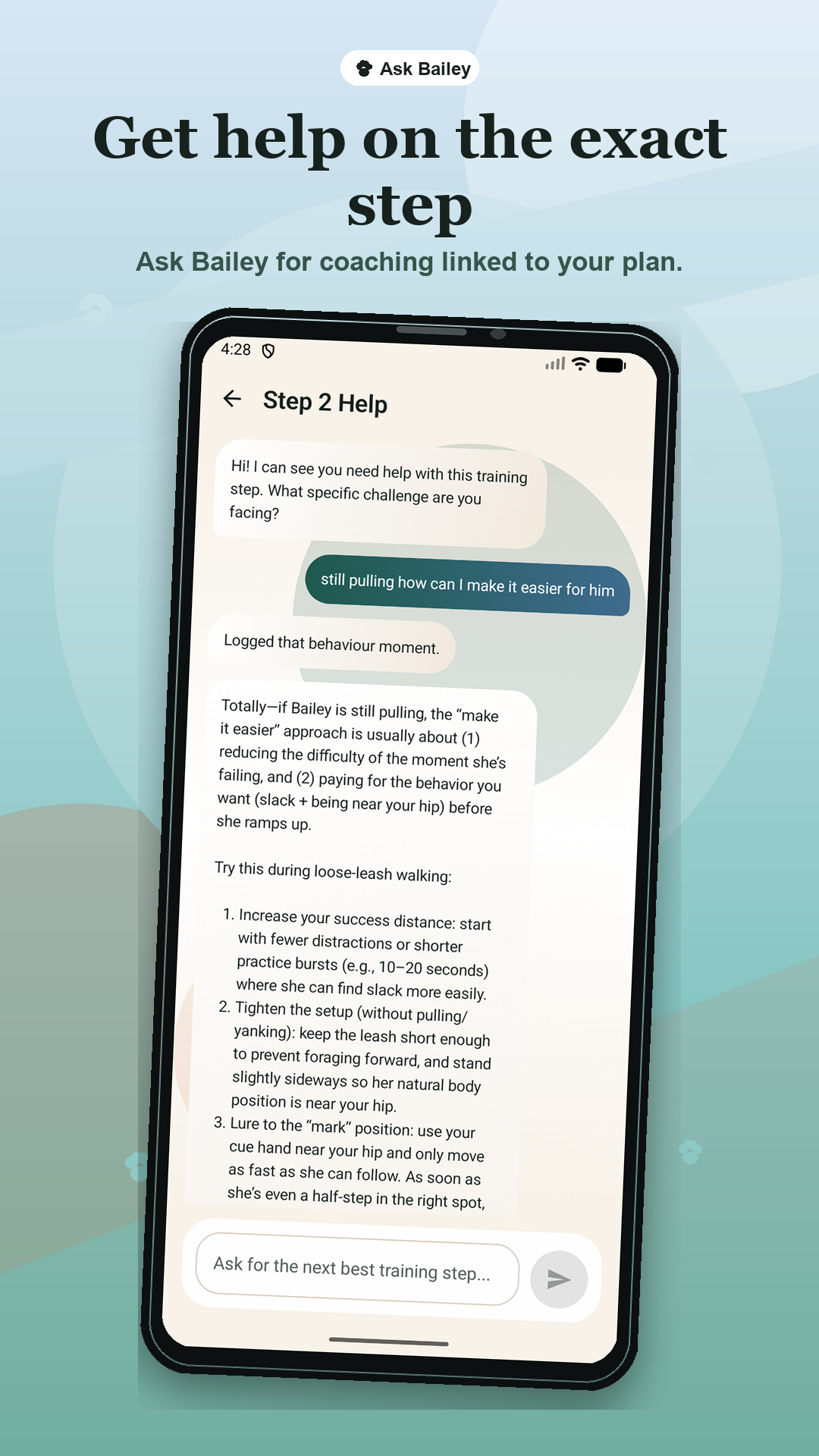
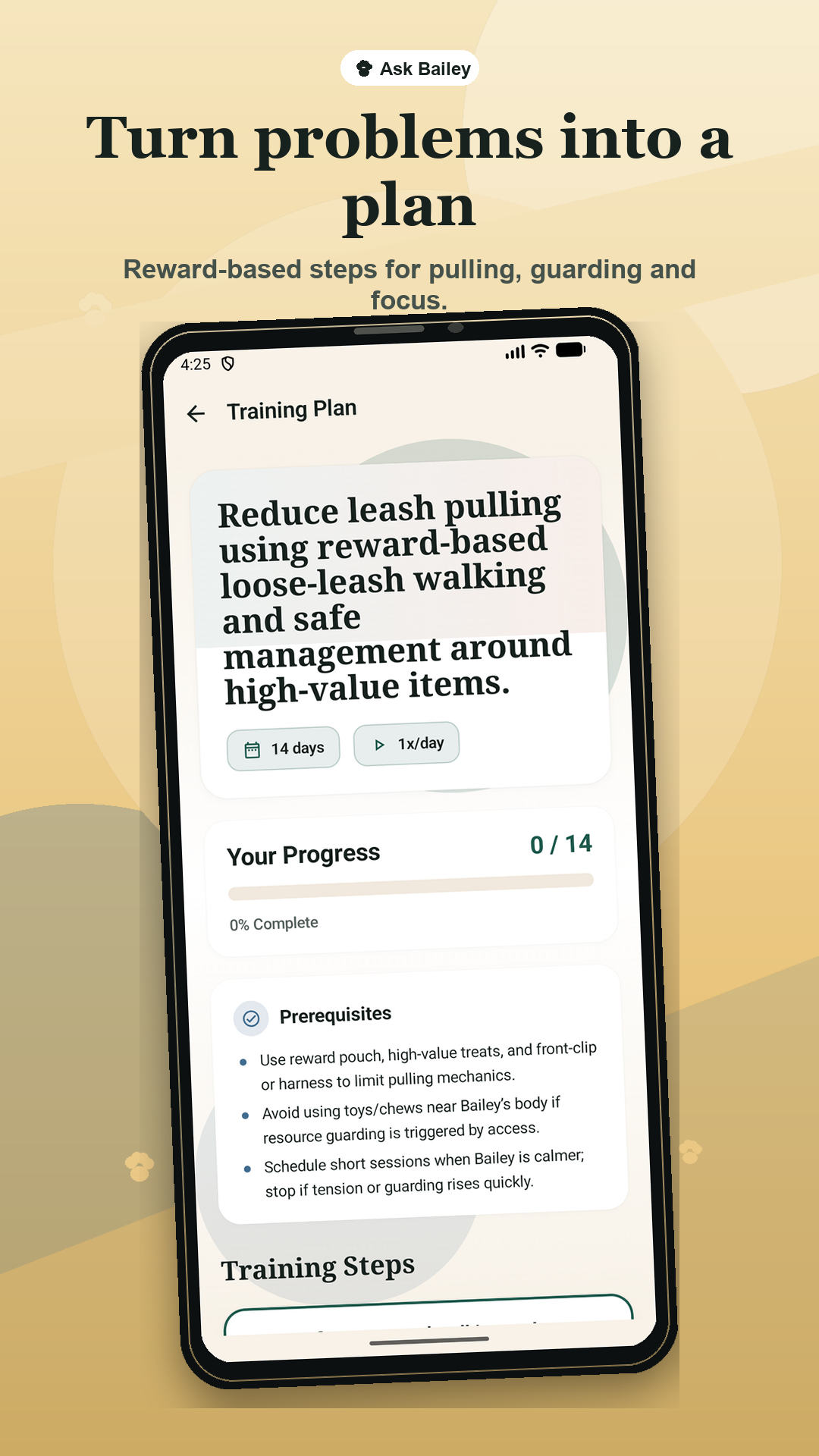
A dog that pulls on the leash makes walks stressful and less safe. [1] Dedicate at least one daily session to leash training. Reward your dog for walking beside you with slack in the leash, and practice stopping or changing direction when pulling begins.
Addressing Common Daily Challenges
Certain behavioral issues show up in almost every household. Here's how to address them through your daily routine:
Housebreaking
Consistency is everything. [1] Establish a predictable schedule: take your dog outside first thing in the morning, after meals, before bedtime, and at regular intervals throughout the day. When your dog eliminates outside, reward immediately with treats and enthusiastic praise. Accidents happen—clean them thoroughly with enzymatic cleaners and avoid punishment, which creates fear and confusion.
Excessive Chewing
Chewing often signals boredom or excess energy. [1] Ensure your dog gets adequate physical exercise and mental stimulation daily. Provide appropriate chewing outlets like durable toys, and redirect unwanted chewing to acceptable items. Reward your dog for chewing on the right things.
Barking and Restlessness
These behaviors frequently stem from insufficient mental or physical stimulation. [1] Increase daily exercise, practice training sessions that engage their mind, and ensure they have appropriate outlets for their energy. Some dogs benefit from puzzle toys or sniff games that provide mental engagement.
Tools That Support Your Daily Routine
The right equipment makes training easier and more effective. These aren't replacements for training—they're supports that reinforce good habits:
- Treat Pouch: Keeps rewards immediately accessible during training sessions. Timing matters—your dog needs to connect their action with the reward within seconds. [1]
- Properly Fitted Leash and Collar: A comfortable, well-fitted collar and appropriate leash support consistent walking training and give you reliable control during outings. [1]
- Dog Crate: When introduced properly, a crate becomes a safe space rather than a punishment. It supports housebreaking, provides structure, and gives your dog a calm retreat. [1]
- Training Pads: Useful during housebreaking transitions or for dogs that need extra support, especially in apartment settings. [1]
- Appropriate Toys: Mental stimulation toys prevent boredom-related behaviors and provide healthy outlets for natural instincts. [1]
Using Technology to Support Your Training
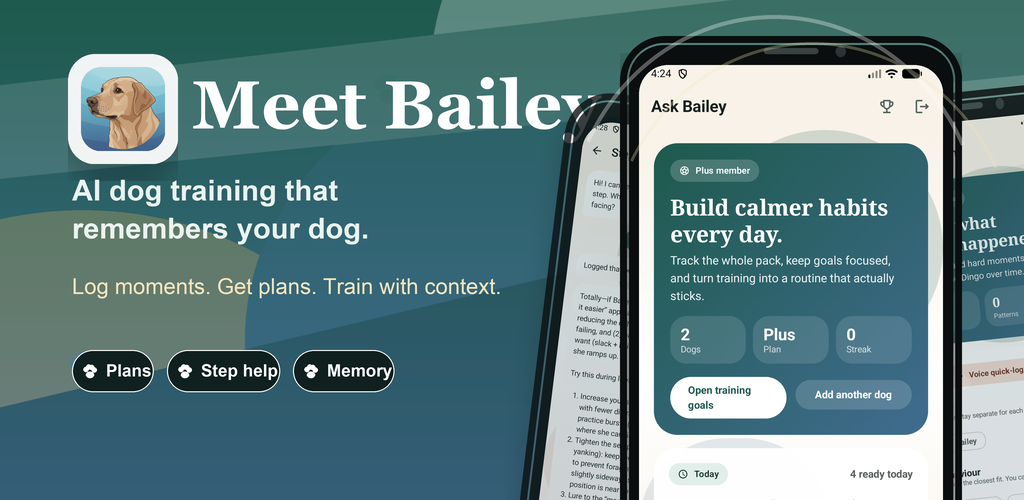
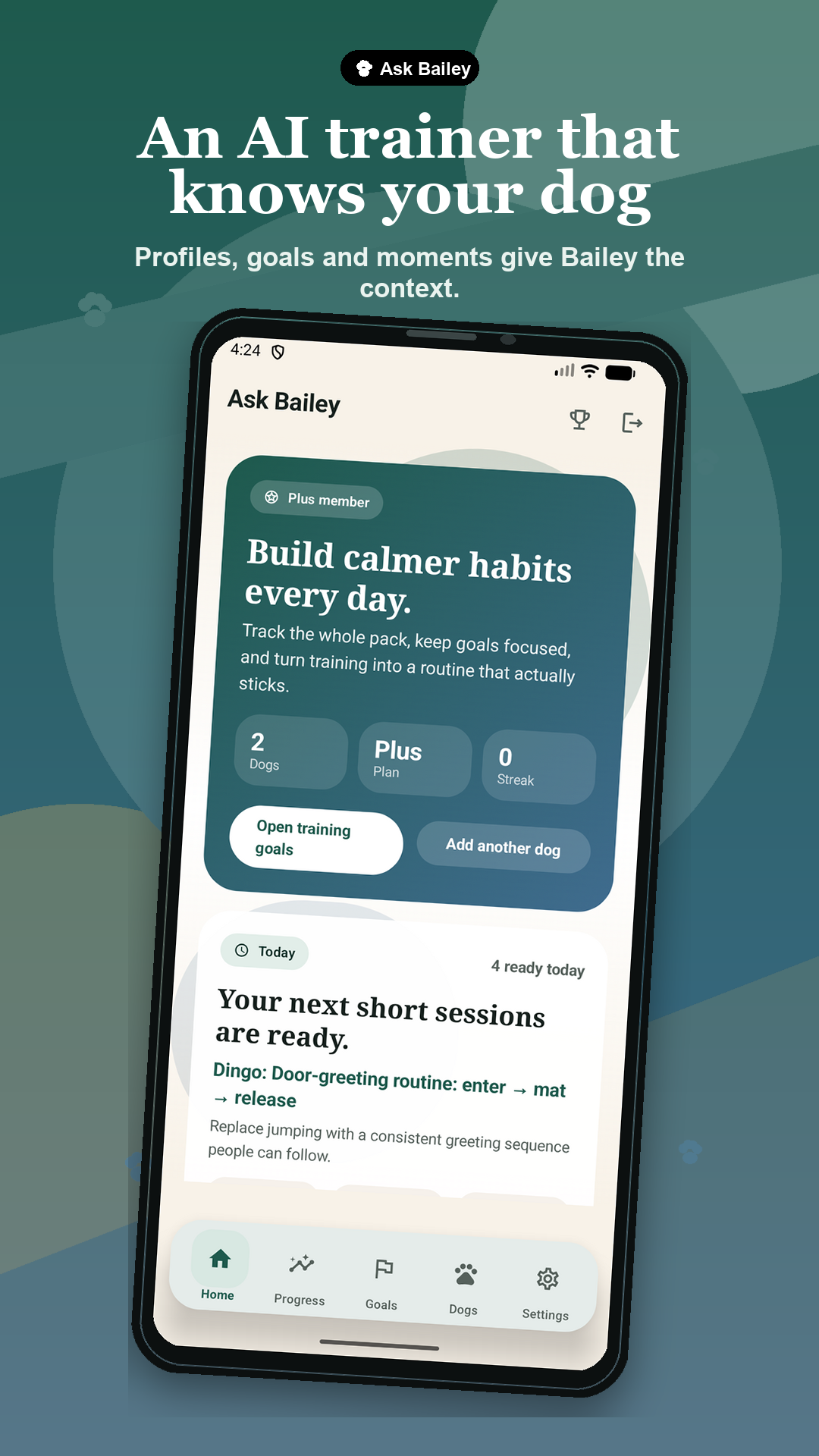
Dog training apps can be valuable companions to your daily routine, particularly if you're new to training or working through specific behavioral challenges. [3] When evaluating an app, look for these key features:
- Positive Reinforcement Focus: The app should teach methods aligned with modern behavioral science, not punishment-based approaches. [3]
- Personalization: The best apps adapt to your specific dog's age, behavior patterns, and progress—not just providing the same generic plan to every user. [3]
- Practical Design: You'll use the app during real training moments, not just at your desk. Look for quick-to-find lessons, clear instructions, and stable video playback. [3]
- Scope Beyond Commands: Quality apps address behavior challenges, daily care, and health considerations—not just basic obedience. [3]
- Expert Access: Some apps offer support from certified trainers or behaviorists, which helps when you encounter challenges beyond basic commands. [3]
Important: If your dog has a history of biting, shows severe aggression, or displays extreme anxiety, skip the app and consult a certified veterinary behaviorist or qualified trainer first. [3]
Training Puppies vs. Adult Dogs: What's Different?
Many people assume puppies learn faster than adult dogs—and while puppies may pick up commands quickly, adult dogs often bring better focus and fewer distractions. [1] The same fundamental principles apply to both: consistency, positive reinforcement, and regular practice.
For puppies, prioritize early socialization alongside basic commands. For adult dogs, especially rescues, be patient as they adjust to new routines and learn to trust you. The timeline varies, but both age groups are fully capable of learning new behaviors. [1]
Building Consistency Across Your Household
Training fails when different family members use different cues, rewards, or rules. Before you start, have a household conversation about:
- What commands you'll teach and the exact words you'll use
- Which behaviors are acceptable and which aren't
- What rewards work best for your dog
- Who will lead training sessions and who will reinforce them
- How to respond if your dog makes a mistake (always redirect, never punish)
When everyone uses the same approach, your dog learns faster and experiences less confusion. [1]
Recognizing When to Seek Professional Help
Most basic training can be handled at home with consistency and patience. However, certain situations benefit from professional guidance:
- Behavioral Issues: Excessive aggression, severe fear, or destructive behavior may require a certified behaviorist. [4]
- Advanced Training: Techniques like clicker training or specialized skills benefit from professional instruction. [4]
- Lack of Progress: If you've been consistent for weeks and see no improvement, a trainer can identify what you might be missing. [4]
- First-Time Owners: Training classes provide structure, feedback, and community support—and many owners find them invaluable. [4]
Making Training Part of Your Life, Not a Chore
The most successful dog owners view training as an ongoing conversation with their dog, not a task to complete. Short, regular sessions feel manageable and keep your dog engaged. Celebrate small wins—your dog learned to sit reliably, or walked without pulling today—and enjoy the process of deepening your relationship.
Training builds more than obedience. It creates trust, reduces anxiety, improves safety, and gives your dog the structure they need to feel confident in the world. [1] When you commit to a daily routine, you're investing in years of calm, happy coexistence.
Your Daily Training Checklist
- ☐ Morning session: 5-10 minutes on one command
- ☐ Midday session: 5-10 minutes on a different skill or leash work
- ☐ Evening session: 5-10 minutes reviewing the week's progress
- ☐ All family members using the same cues and rules
- ☐ Immediate rewards for desired behaviors
- ☐ Appropriate outlets for physical and mental energy
- ☐ Consistent schedule for housebreaking (if relevant)
- ☐ Safe, distraction-free training environment to start
- ☐ Progress tracking to identify what's working
- ☐ Professional support arranged if needed