Puppy Training Guide: Practical Steps for Success
You bring your new puppy home, and within hours, you're wondering: where do I even start? Should you jump straight into teaching commands, or is there something more important first? The truth is, most new owners skip a critical foundation that makes everything else easier.
Effective puppy training isn't about forcing your dog to perform tricks on command. It's about building trust, creating clear communication, and establishing routines that fit your real life. Whether you're managing a puppy's energy in an apartment, preparing them for travel, or simply wanting a dog you can take anywhere, the right approach makes all the difference. [2]
Why Puppy Training Matters Now
Your puppy's early weeks are a window of opportunity. During the first 3-4 months of life, puppies absorb everything around them—not just commands, but how to feel about people, environments, and situations. If you establish trust and positive associations early, later training becomes significantly easier. [3]
The stakes are practical too. A puppy that pulls on the leash becomes a dog that's difficult to walk. A puppy that doesn't respond to "come" becomes a dog you can't safely let off-leash. A puppy with poor impulse control grows into an adult dog with serious behavioral challenges. Training prevents these problems before they become habits.
Beyond behavior, training provides something your puppy desperately needs: predictability. When dogs understand what's expected of them, they feel more secure. This reduces anxiety-driven behaviors like excessive barking, destructive chewing, and restlessness. [2]
The Foundation: Trust Before Commands
Before teaching "sit" or "stay," focus on something more fundamental: creating an environment where your puppy feels safe around you. [3]
This means:
- Handling your puppy gently during grooming, nail trimming, and vet checks so they learn that human touch is safe
- Using a calm, encouraging tone rather than yelling or punishing mistakes
- Respecting their boundaries when they're overwhelmed or tired
- Being consistent with rules and routines so they know what to expect
A puppy that trusts you will be eager to learn from you. A puppy that fears you will struggle with recall, drop commands, and impulse control—no matter how many treats you offer. [3]
The Critical Socialization Window: 8-16 Weeks
Your puppy's brain is remarkably plastic during their first four months. This is when they're forming opinions about the world. The goal isn't to force them into scary situations—it's to expose them to new experiences in a calm, positive way. [3]
Prioritize exposure to:
- Different sounds (traffic, vacuum, doorbell, children playing)
- Various textures and surfaces (grass, tile, gravel, carpet)
- Different environments (parks, sidewalks, pet-friendly stores, quiet neighborhoods)
- People of different ages and appearances
- Other calm, vaccinated dogs in controlled settings
The goal is to teach your puppy that the world is a fun, not scary, place. [3] Avoid chaotic dog parks during this stage—uncontrolled interactions often teach puppies to be fearful or over-aroused rather than calm. Instead, arrange quiet playdates with known, calm adult dogs or enroll in a structured puppy socialization class. [5]
Core Training Skills by Age
8-12 Weeks: Impulse Control and Housebreaking
Start with "Sit"
The first real behavior training lesson should be basic impulse control, and "sit" is the perfect entry point. [3] It teaches your puppy the concept of earning what they want through polite behavior.
How to teach it:
- Start with your puppy standing in front of you
- Hold a treat close to their nose
- Slowly move the treat upward and back over their head
- As their head follows the treat, their rear naturally lowers to the ground
- The moment their bottom touches the floor, say "Yes!" and immediately give the treat
- Repeat this 5-10 times per training session, once or twice daily
Once they're sitting reliably, integrate it into daily life: require a sit before meals, before playtime, before going outside. This teaches them that polite behavior opens doors to fun things. [3]
Housebreaking Foundation
Establish a consistent schedule immediately. Take your puppy outside:
- First thing in the morning
- After every meal (usually 15-30 minutes later)
- After playtime or naps
- Before bedtime
- Several times throughout the day
When they eliminate outside, immediately praise and reward with a treat. This creates a clear connection: going in the right place = good things happen. [2]
Crate training supports housebreaking. Dogs naturally avoid soiling their sleeping area, so a properly-sized crate helps them learn bladder control. It also provides a safe, predictable space during the chaos of puppy life. [2]
12-16 Weeks: Polite Play and Basic Manners
By this age, your puppy should be learning what's acceptable play behavior and what isn't.
Teaching "Drop It"
This command prevents resource guarding and keeps dangerous items out of their mouth.
- During playtime, offer a toy your puppy finds interesting
- Let them hold it for a few seconds
- Show them a higher-value treat near their nose
- As they release the toy to take the treat, say "Drop it"
- Immediately praise and give the treat
- Return the toy so they learn that dropping things doesn't mean losing them forever
Avoid yanking toys away or punishing biting. Instead, redirect to appropriate toys and reward gentle play. [3]
Leash Training Basics
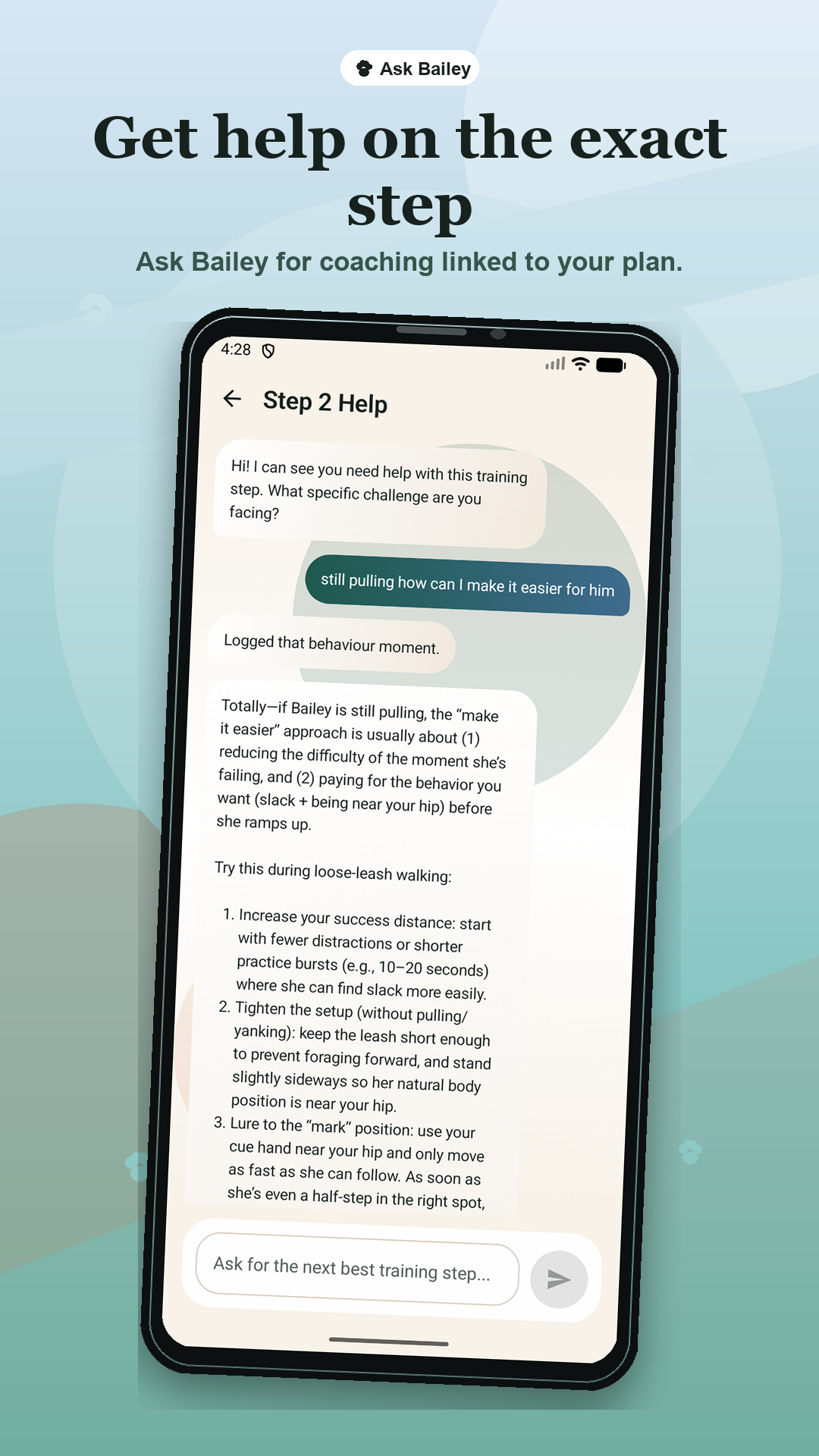
Start indoors or in a quiet area. Let your puppy get used to wearing a collar and leash without pressure. Once they're comfortable, practice walking with a loose leash. [2]
- When your puppy pulls forward, stop walking and wait
- When the leash goes slack, immediately take a step forward and reward
- This teaches them that pulling stops progress; a loose leash keeps things moving
16 Weeks to 6 Months: Recall and Independence
Teaching "Come"
Getting a reliable recall early is crucial for safety and freedom. [3]
- Start in a small, distraction-free room
- Crouch down, make eye contact, and say your puppy's name followed by "Come"
- Use an excited, happy tone
- When they reach you, celebrate enthusiastically and give a high-value treat
- Gradually practice in larger spaces and with mild distractions
- Never call your puppy to come for something negative (like a bath or nail trim)
The goal isn't a perfect "rocket recall" yet—it's building their love of coming to you. [3]
Asking Politely for Everything
By 4-6 months, your puppy should sit before receiving meals, toys, attention, or playtime. This prevents jumping, nipping, and demanding behavior as they grow larger and stronger. [3]
Essential Training Tools That Actually Help
The right equipment makes training easier, but it doesn't replace training itself. [2]
- Treat Pouch: Allows you to reward behavior immediately. Timing is everything in early learning—the faster you mark and reward, the faster your puppy understands what earned the reward. [2]
- Well-Fitted Collar and Leash: Comfort and durability matter for daily use. A properly fitted collar shouldn't slip over the head or restrict breathing. [2]
- Appropriately-Sized Crate: Should be large enough for your puppy to stand, turn around, and lie down, but not so large they can potty in one corner and sleep in another. [2]
- Training Pads: Provide additional support during housebreaking transitions or for dogs that need extra assistance. [2]
- Durable Toys: Provide appropriate outlets for chewing and mental stimulation, reducing destructive behavior. [2]
The Power of Positive Reinforcement
Modern puppy training is built on positive reinforcement—rewarding desired behaviors rather than punishing mistakes. This approach builds trust and keeps puppies engaged. [2]
Rewards can include:
- High-value treats (small, soft, quick to eat)
- Enthusiastic praise and physical affection
- Play with a favorite toy
- Access to fun activities
Different puppies are motivated by different things. Some live for treats; others prefer play or praise. Pay attention to what makes your puppy's eyes light up, and use that as your primary reward. [2]
Consistency matters more than perfection. Using the same cues, routines, and rewards helps your puppy connect actions with outcomes. Inconsistent rules slow progress and create confusion. [2]
Building Attention in a Distracted World
In 2026, the most valuable skill your dog can possess is attention. With more distractions than ever—passing cars, other dogs, interesting smells, squirrels—your puppy must learn to look to you for guidance. [5]
This isn't about bribery. Many owners find that treat-based training works perfectly in the kitchen but falls apart the moment a distraction appears. Instead, focus on teaching your puppy that paying attention to you is inherently rewarding. [5]
Start small:
- In a quiet room, reward any eye contact, even brief glances
- Gradually introduce mild distractions (another person in the room, a toy on the floor)
- Practice in different environments
- Use a marker word like "Yes!" to instantly communicate when they've done something right
This foundation of attention makes every other command easier and creates the basis for off-leash reliability. [5]
When to Consider Professional Training
Professional puppy courses can be valuable, especially during the critical 8-16 week window. A structured program provides the consistency and expertise that busy owners sometimes struggle to deliver. [5]
Look for trainers who:
- Use positive reinforcement methods exclusively
- Focus on building attention and impulse control, not just tricks
- Emphasize calm, neutral socialization rather than chaotic dog park play
- Are certified or have verifiable credentials
Professional training should enhance your relationship with your puppy, not replace your role as their primary caregiver and trainer. [5]
Common Training Mistakes to Avoid
- Inconsistency: Everyone in your household must follow the same rules and use the same cues. If one person allows jumping and another doesn't, your puppy will be confused.
- Punishment-based corrections: Yelling, hitting, or intimidation damages trust and often backfires, creating fear-based aggression or anxiety.
- Expecting too much too soon: A 10-week-old puppy has a short attention span. Keep training sessions to 5-10 minutes.
- Skipping socialization: Focusing only on obedience while neglecting exposure to the world creates fearful or reactive dogs.
- Chaotic socialization: Throwing your puppy into overwhelming situations (like a busy dog park) isn't socialization—it's potentially traumatizing.
Your Puppy Training Timeline at a Glance
- 8-12 weeks: Build trust, start "sit," begin housebreaking, gentle exposure to new environments
- 12-16 weeks: Teach "drop it," practice leash walking, continue socialization, integrate polite behavior into daily life
- 16 weeks-6 months: Develop reliable recall, strengthen impulse control, practice commands in varied environments
- 6-12 months: Refine all learned behaviors, introduce more advanced commands, build off-leash reliability
The Real Goal: Freedom Through Obedience
When your puppy is reliably trained, they get to experience more of the world. They aren't stuck in a crate or restricted by a short leash. Instead, they're by your side at the beach, the hiking trail, the outdoor café, or the pet-friendly store. [5]
Training isn't about control for control's sake. It's about building a relationship based on mutual respect and clear expectations that lead to a happy, adventurous life together. A well-trained puppy becomes a confident adult dog that feels secure in any situation because they know what to expect and what you expect from them.
Start today, stay consistent, and trust the process. Your future self—and your adult dog—will thank you.
Sources & References
- https://www.petmate.com/blogs/petmate-academy/how-to-train-your-dog-in-2026-a-practical-step-by-step-guide
- https://www.akc.org/expert-advice/training/puppy-training-timeline-teaching-good-behavior-before-its-too-late/
- https://sitmeanssit.com/puppy-courses-that-deliver-real-world-results-your-guide-to-a-reliable-dog-in-2026/