Why a Training Schedule Matters for Your Dog
Many dog owners jump into training without a clear plan, hoping their dog will somehow absorb commands through osmosis. The reality is that obedience training thrives on structure, consistency, and realistic expectations. A well-designed training schedule doesn't just teach your dog to sit and stay—it builds confidence, strengthens your bond, and creates a shared language between you and your pet.
Without a schedule, training becomes sporadic, progress stalls, and frustration sets in for both you and your dog. The good news? Creating an effective training schedule is entirely within your control, and it doesn't require hours of daily work.
Understanding Your Dog's Learning Timeline
Different ages and stages of your dog's life call for different training approaches. A 12-week-old puppy has vastly different cognitive abilities and attention span than a 2-year-old adult dog. Understanding where your dog falls on this timeline helps you set realistic goals and prevents you from pushing too hard too fast.
Puppies (8 Weeks to 6 Months)
Young puppies are sponges for information, but they're also easily overwhelmed. Their attention spans are measured in seconds, not minutes. During this critical window, focus on foundational skills rather than complex commands.
- Training sessions should last 5-10 minutes maximum
- Aim for 2-3 sessions per day, spread throughout the day
- Prioritize socialization alongside basic obedience [1]
- Introduce basic commands: sit, look at me, and following a lure
- Start housebreaking routines immediately
Adolescent Dogs (6 Months to 2 Years)
This is when many owners hit a rough patch. Your adolescent dog may seem to have forgotten everything you taught them. This is completely normal—they're testing boundaries and developing independence.
- Extend training sessions to 10-15 minutes
- Train once or twice daily, maintaining consistency
- Introduce more complex commands and combinations
- Practice in different environments to build reliability
- Increase impulse control exercises
Adult Dogs (2 Years and Beyond)
Adult dogs have longer attention spans and can handle more complex training. Whether you're starting fresh with an adult rescue or building on existing skills, this is an excellent time to tackle advanced obedience or specific behavioral modifications.
- Sessions can extend to 20-30 minutes
- Train 3-5 times per week for maintenance
- Add complexity and distance to commands
- Work on reliability in real-world situations
The Science-Based Approach: Reward-Based Training
Before you schedule your training, you need to understand which methods actually work. The American Veterinary Society of Animal Behavior has made this clear: reward-based training methods are the only approach supported by current scientific evidence [2].
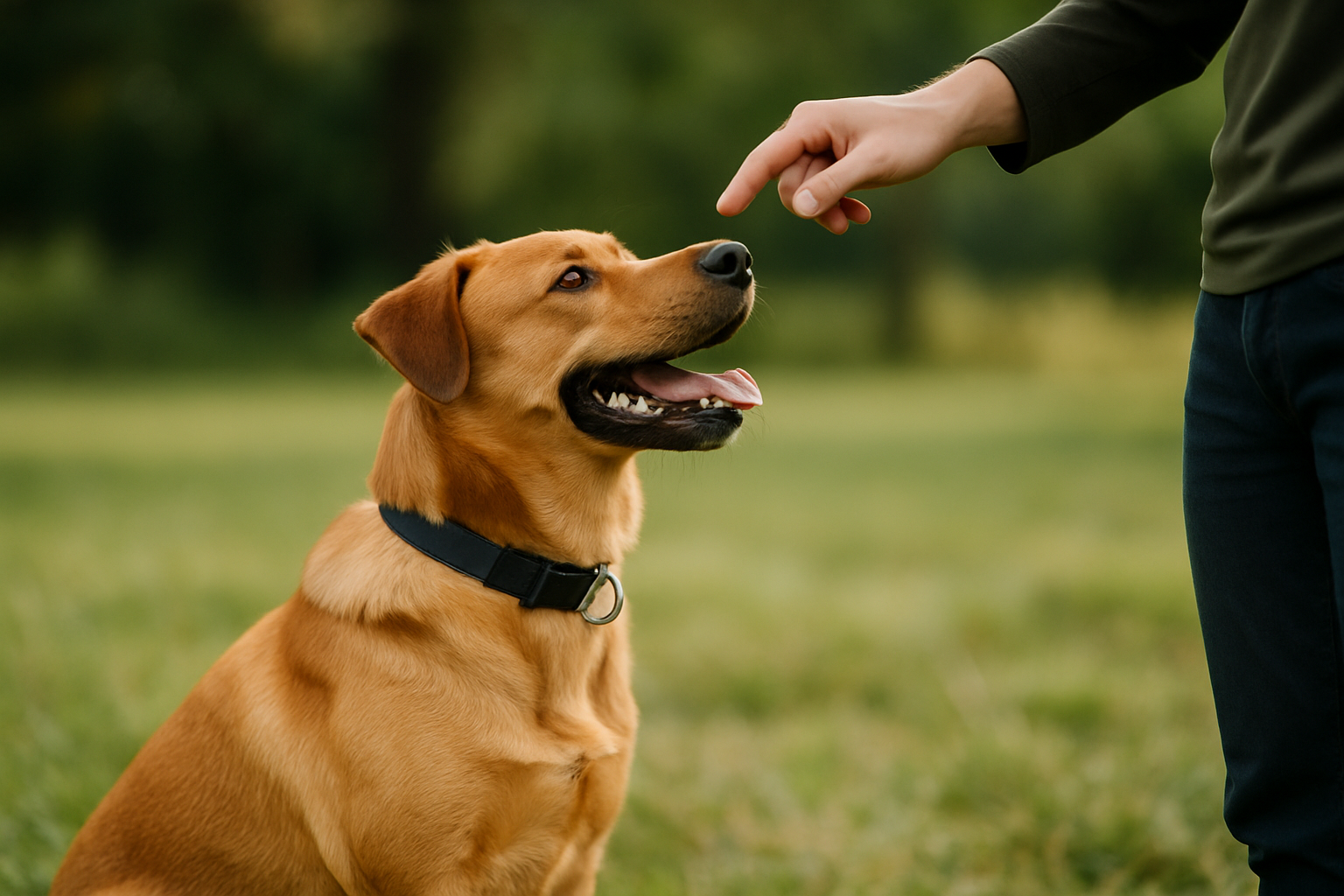
Reward-based training means you're giving your dog something they want (treats, play, praise) when they do what you ask, and removing that reward when they don't. This is fundamentally different from older punishment-based methods that relied on fear or discomfort [4].
Why This Matters for Your Schedule
Reward-based training actually makes scheduling easier because:
- Sessions can be shorter and more frequent—puppies don't need marathon sessions
- Training becomes something your dog looks forward to, not dreads
- You can practice throughout the day in natural moments (before meals, during walks, at play time)
- Progress is typically faster and more reliable than with aversive methods [2]
- The bond between you and your dog strengthens rather than deteriorates
Studies show that dogs trained with reward-based methods show less stress, anxiety, and behavioral problems than those trained with punishment-based approaches [4]. This means your training schedule isn't just about obedience—it's about building a happier, more confident dog.
Building Your Weekly Training Schedule
A realistic training schedule fits into your actual life, not some idealized version of it. Let's look at practical templates based on your situation.
The Busy Owner Schedule (15-20 minutes per day)
If you have limited time, quality beats quantity.
- Monday: 5-minute session focusing on one new skill + 10-minute walk with practice opportunities
- Tuesday: 10-minute session reviewing previous commands + 5-minute play with training elements
- Wednesday: 5-minute session in a new location (building generalization)
- Thursday: 10-minute session combining multiple commands
- Friday: 5-minute session practicing in real-world scenario (doorbell, greeting guests)
- Saturday & Sunday: Informal practice during daily activities
The Committed Owner Schedule (30-45 minutes per day)
With more time available, you can accelerate progress and tackle more complex skills.
- Morning Session (10-15 min): New skill introduction or review of challenging commands
- Midday Session (10 min): Quick reinforcement during lunch break
- Evening Session (15-20 min): Practice in different environment or add distractions
- Throughout day: Incorporate training into natural moments (feeding, play, walks)
The Group Class Schedule
Many owners find success combining home practice with structured classes. The American Kennel Club offers Canine Good Citizen programs through local clubs, which provide both instruction and socialization opportunities [3].
- Weekly class: 1 hour with professional instruction
- Home practice: 15-20 minutes daily, 5 days per week
- Real-world application: 2-3 times weekly in new environments
Classes offer the added benefit of socialization and accountability. Local AKC clubs can help you find training options in your area [3].
Creating Your Monthly Training Progression
Beyond weekly schedules, think about your training in monthly blocks. This prevents you from spinning your wheels and helps you track real progress.
Month 1: Foundation
- Establish training routine and location
- Master basic attention ("look at me" or "watch me")
- Solidify sit and down commands
- Begin housebreaking or reinforcement
Month 2: Building Reliability
- Practice commands in different rooms of your home
- Add distance between you and your dog
- Introduce stay for short durations (5-10 seconds)
- Begin leash walking practice
Month 3: Generalization
- Practice commands in outdoor environments
- Add mild distractions (other people, sounds)
- Extend duration of stays
- Introduce recall (coming when called)
Month 4+: Refinement
- Combine multiple commands in sequences
- Practice in increasingly distracting environments
- Add off-leash work (in safe, enclosed areas)
- Work toward specific titles or goals (Canine Good Citizen, AKC Novice class) [5]
Practical Tips for Sticking to Your Schedule
Make Training Part of Your Routine
The most successful training schedules are those that become habitual. Tie training sessions to existing routines: after breakfast, before your evening walk, or during your lunch break. This removes the decision-making and makes consistency automatic.
Set Realistic Goals
Your dog won't be perfectly obedient in all situations after four weeks. That's not how learning works—for dogs or humans. Set small, achievable milestones and celebrate them. This keeps both you and your dog motivated.
Keep Sessions Short and Positive
Even if you have 30 minutes available, your dog may only benefit from 10-15 minutes of focused training. Multiple short sessions beat one long, frustrating one. Always end on a positive note—with your dog succeeding at something they know.
Track Your Progress
Keep a simple training log noting which commands you practiced, how your dog performed, and any challenges. This helps you identify patterns and adjust your schedule as needed. Many owners find that written tracking increases consistency.
Adjust as You Go
Your schedule isn't set in stone. If you're not seeing progress after two weeks, something needs to change—maybe shorter sessions, higher-value rewards, or fewer distractions. Listen to what your dog is telling you through their behavior.
Choosing the Right Training Method Within Your Schedule
As you schedule your training, remember that the method matters as much as the frequency. The veterinary and behavioral science communities are clear: only reward-based methods should be used for all dog training [2].
When evaluating a trainer or training program, look for these green flags:
- Use of food treats or play as primary rewards
- Focus on what you want your dog to do, not just stopping unwanted behavior
- Trainer explains why they're using specific techniques
- Emphasis on building your dog's confidence
- Willingness to adjust methods for individual dogs
Red flags that suggest outdated or harmful methods include:
- Use of shock collars, prong collars, or choke chains
- Emphasis on "dominance" or "pack theory"
- Yelling, physical corrections, or intimidation
- One-size-fits-all approach regardless of your dog's personality
- Unwillingness to discuss their training philosophy
Special Considerations for Different Life Stages
Rescue and Adopted Dogs
Rescue dogs may come with unknown histories, which affects your training timeline. Plan for a longer adjustment period (2-4 weeks) before intensive training. Start with confidence-building rather than pushing for complex obedience immediately.
Senior Dogs
Older dogs can absolutely learn new commands, but they may have physical limitations. Shorter sessions, softer surfaces for sitting/lying down, and patience with hearing or vision changes are important. Training can be wonderful enrichment for senior dogs.
Dogs with Behavioral Challenges
If your dog has aggression, severe anxiety, or other behavioral issues, work with a qualified veterinary behaviorist or certified trainer in addition to your veterinarian. These situations may require modified schedules and specialized approaches [1].
Measuring Success Beyond Commands
While teaching sit and stay is wonderful, the real measure of your training schedule's success is a dog who:
- Has confidence in various situations
- Trusts you and looks to you for guidance
- Shows appropriate behavior around other people and animals
- Enjoys training sessions and learning
- Has fewer behavioral problems overall
These outcomes come from consistent, positive training over time—exactly what a well-designed schedule provides.
Your Action Plan for 2026
Starting your training schedule is simpler than you might think:
- Choose your timeframe: Commit to at least 15 minutes daily for the next 30 days. This is your foundation period.
- Select your location: Pick a quiet, familiar space for initial training sessions.
- Gather supplies: Get small, soft training treats your dog loves. Variety helps maintain interest.
- Pick your first skill: Start with attention ("look at me") or sit. Master one thing before adding another.
- Schedule it: Put training sessions in your calendar like any other appointment. Treat it as non-negotiable.
- Find your trainer: If using classes, contact local AKC clubs or search for certified trainers using reward-based methods [3].
- Track progress: Keep notes on what works and what doesn't. Adjust weekly.
Final Thoughts
A successful obedience training schedule is one you'll actually stick to, that uses methods proven to work, and that strengthens your relationship with your dog. There's no perfect template—only the schedule that works for your life and your dog's needs. Start where you are, use what you have, and do what you can. Consistency matters far more than perfection. Your dog is ready to learn. The question is: are you ready to teach?
Sources & References
- https://avsab.org/resources/position-statements/
- https://avsab.org/why-you-need-to-reward-your-dog-in-training-according-to-the-experts/
- https://www.akc.org/products-services/training-programs/canine-good-citizen/finding-classes-and-evaluators/
- https://avsab.org/what-are-reward-based-training-methods-for-dogs-and-cats/
- https://www.akc.org/sports/obedience/getting-started/classes/