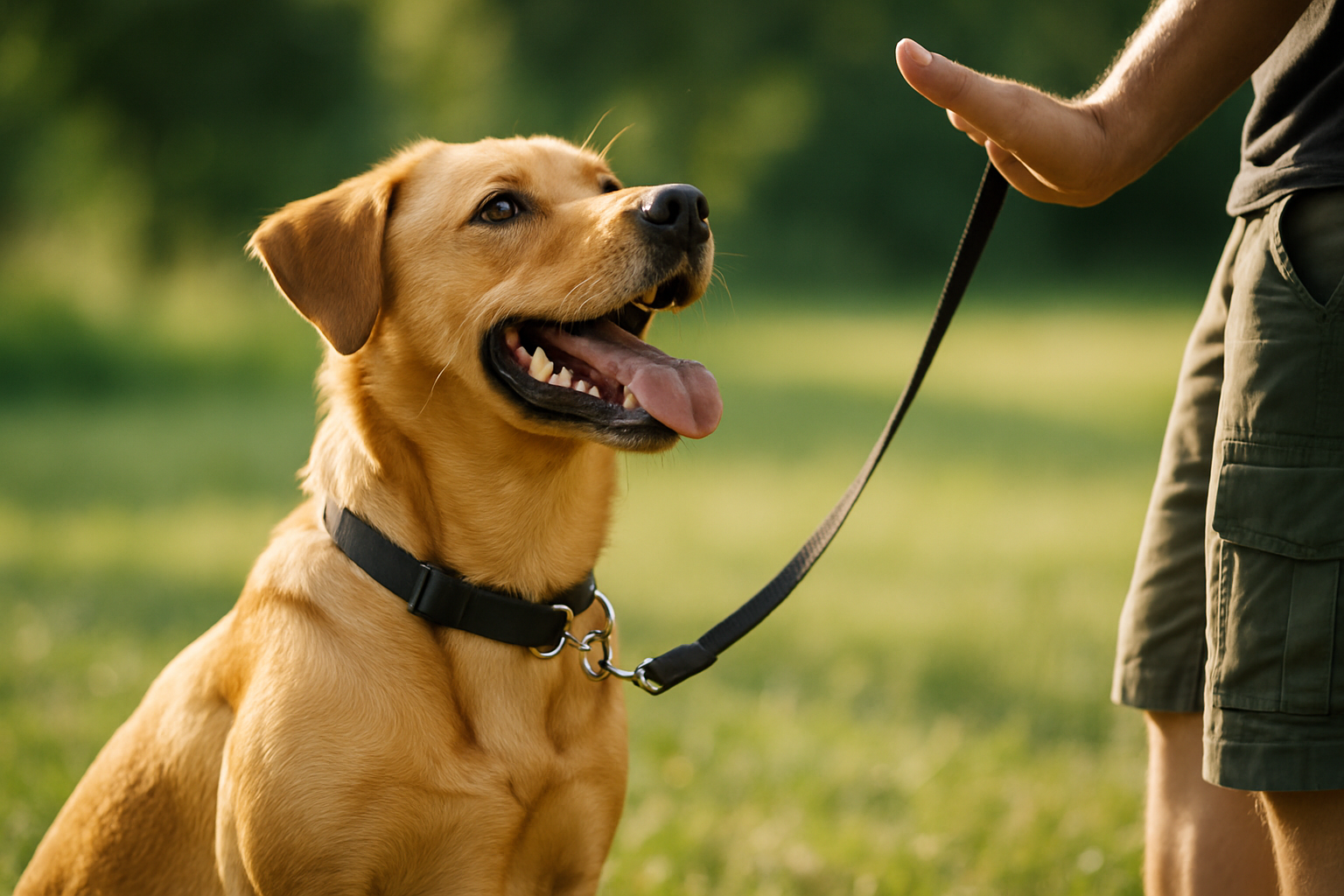
Why Dog Training Routines Matter More Than You Think
You've probably noticed that your dog behaves differently depending on the situation. They might sit perfectly at home but ignore you at the park. They might be calm one moment and chaotic the next. This inconsistency isn't a reflection of your dog's intelligence—it's a reflection of their training routine.
Dogs thrive on predictability. When they understand what's expected through consistent, repeated practice, they feel more secure and confident. A well-structured training routine reduces anxiety, prevents destructive behaviors, and creates clear communication between you and your dog. [1] Most importantly, it transforms training from a chore into a natural part of your day.
The challenge most dog owners face isn't knowing what to teach—it's maintaining consistency when life gets busy. This guide shows you how to build training routines that actually stick, regardless of your schedule or your dog's age.
Understanding How Dogs Learn: The Foundation
Before you build your routine, you need to understand how your dog's brain processes training. Dogs don't learn the way humans do. They learn through association and repetition, and timing is everything. [2]
When your dog performs a desired behavior, they have approximately a 1-2 second window to connect their action with your reward. Miss that window, and you might accidentally reinforce the wrong behavior. This is why immediate feedback—whether through treats, praise, or a clicker—makes such a dramatic difference.
Positive reinforcement is the most effective training method because it builds trust and keeps your dog engaged. [4] Rather than correcting mistakes, you're rewarding correct choices. This approach produces stronger obedience, fewer anxiety-related behaviors, and a deeper bond with your dog.
Key principles for effective dog training routines:
- Consistency: Use the same words, hand signals, and rewards every time. Inconsistency creates confusion and slows progress. [2]
- Repetition: Dogs learn through repetition. Short, frequent sessions are more effective than long, infrequent ones.
- Motivation: Different dogs are motivated by different things. Some prefer food, others prefer play or praise. Use what excites your dog most. [2]
- Clear timing: Mark the exact moment your dog does something right, then immediately deliver the reward.
Designing Your Daily Training Schedule
The most successful training routines fit into your existing schedule rather than adding stress to it. Here's how to structure your day for maximum training impact:
Morning Routine: Set the Tone
Start your day with physical exercise followed by mental stimulation. [5] A morning walk accomplishes multiple goals simultaneously: it releases pent-up energy, reinforces leash manners, and prepares your dog's mind for training.
After exercise, engage in a focused 15-20 minute training session. This might include:
- Practicing basic commands (sit, stay, come)
- Hiding treats around the house for a nose work game
- Working on one new skill while reinforcing existing commands
- Playing with puzzle toys that require problem-solving
The combination of physical and mental stimulation in the morning sets a positive tone for the entire day and helps your dog settle more easily during work or school hours. [5]
Midday Check-In: Prevent Boredom
If you're home during the day, a brief 5-10 minute training session around midday prevents boredom and maintains momentum. This doesn't need to be formal—it can be as simple as practicing "sit" before meals or working on "leave it" with a favorite toy.
For dogs spending time alone, mental enrichment becomes even more important. [4] Dogs with insufficient mental stimulation often develop destructive behaviors, excessive barking, or anxiety. Puzzle toys, sniff games, and rotating toys help keep their minds engaged.
Evening Routine: Wind Down
Evening training should be lighter and more focused on relaxation. This is a good time to practice commands that promote calm behavior, like "down" or "settle." Keep sessions short (5-10 minutes) and end on a positive note, even if progress feels slow. [5] This builds your dog's confidence and maintains their enthusiasm for future training.
Building Your Foundation: Essential Commands
Before tackling advanced behaviors, master these four foundational commands. These aren't just tricks—they're the building blocks for all future training and real-world safety. [3]
Sit
This is the easiest command to teach and the best place to start. [1]
How to teach it:
- Hold a treat close to your dog's nose
- Slowly move the treat upward and back over their head
- As their head follows the treat, their rear naturally lowers to the ground
- The moment they sit, say "sit," mark the behavior (with "yes" or a clicker), and immediately reward
- Repeat 3-5 times per session for puppies; up to 10 times for adult dogs
- Practice multiple short sessions throughout the day
Once your dog reliably sits with the lure, start saying "sit" before using the hand motion, gradually fading the lure over several weeks.
Stay
This command builds impulse control and is essential for safety. [1]
How to teach it:
- Ask your dog to sit first
- Hold your hand up in a "stop" gesture and say "stay"
- Take one small step backward
- If they remain in place, immediately return, reward, and praise
- Gradually increase distance and duration over multiple sessions
- Start with just seconds and a few inches, then build up slowly
Never rush this progression. Frustration is the enemy of learning. [2]
Come
A reliable recall can literally save your dog's life. This command requires the most practice and positive association. [2]
How to teach it:
- Start indoors with minimal distractions
- Say your dog's name followed by "come"
- When they come to you, immediately reward with treats, praise, or play
- Make coming to you the best thing that happens all day—never use "come" as a prelude to something unpleasant like nail trimming
- Gradually add small distractions, then move outdoors
- Always reward generously for recalls, especially in distracting environments
Critical mistake to avoid: Don't repeat "come, come, come!" This teaches your dog they don't need to respond until the third request. Say it once, wait three seconds, then gently guide them if needed. [3]
Leave It
This command prevents your dog from eating dangerous items and keeps them safe in unpredictable situations. [2]
How to teach it:
- Hold a treat in your closed fist
- Say "leave it" as your dog sniffs or tries to take the treat
- When they pull away or stop trying, immediately reward with a different treat from your other hand
- Gradually increase the value of the "forbidden" item as your dog improves
- Practice with real-world scenarios (food on the floor, items on walks)
Tailoring Your Routine to Your Dog's Life Stage
Training routines aren't one-size-fits-all. Your dog's age, energy level, and learning capacity all influence how to structure their training. [5]
Puppies (8 Weeks to 6 Months)
Puppies have incredibly short attention spans and limited bladder control. Your routine should reflect these realities.
- Session length: Keep training to 5-10 minutes maximum
- Frequency: Multiple short sessions throughout the day are far more effective than one long session
- Focus: Prioritize basic commands and socialization over advanced skills
- Potty breaks: A puppy can typically "hold it" for one hour per month of age, plus one. A 3-month-old needs a potty break every 4 hours. [3]
- Chewing management: Redirect chewing to appropriate toys rather than punishing. Create designated chew stations and rotate toys weekly for novelty. [3]
House training requires consistency and patience. Take your puppy to the same outdoor spot each time, use a consistent phrase like "go potty," and celebrate enthusiastically when they eliminate outside. [3] This positive association makes outdoor elimination the best thing that happens all day.
Adult Dogs (1 to 7 Years)
Adult dogs can handle longer, more complex training sessions and often bring better focus than puppies.
- Session length: 15-20 minutes is ideal for maintaining engagement
- Frequency: Daily training sessions with variety prevent boredom
- Focus: Build on foundations with advanced skills, behavior refinement, and mental enrichment
- Mental stimulation: Fifteen minutes of nose work or structured training can be more mentally tiring than an hour-long run for high-energy breeds. [4]
Senior Dogs (7+ Years)
Older dogs benefit from training that respects their physical limitations while maintaining mental engagement.
- Session length: Reduce to 10-15 minutes to prevent fatigue
- Frequency: Daily short sessions maintain cognitive abilities without strain
- Focus: Mental stimulation that doesn't stress joints; reinforcement of existing commands
- Modifications: Avoid jumping or excessive movement; use softer treats that are easier to chew
Addressing Common Training Challenges
Jumping on Guests
Jumping is attention-seeking behavior. The solution is to make calm behavior rewarding and jumping unrewarding. [3]
Implement the "four paws on floor" protocol: When your dog jumps, the person immediately turns away and ignores them completely. The second all four paws touch the ground, they turn back and offer calm attention. Consistency is essential—every family member and visitor must follow this approach.
Destructive Chewing
Chewing is natural, especially during teething (which can last until 6-8 months). Rather than stopping it, redirect it. [3]
Create a "legal chewing zone" with 3-4 different textured toys rotated weekly. When you catch your dog chewing something forbidden, interrupt gently with "eh-eh," then immediately offer an approved chew toy. Praise enthusiastically when they take it. Also increase physical exercise and mental stimulation—a tired dog is less likely to be destructive.
Leash Pulling
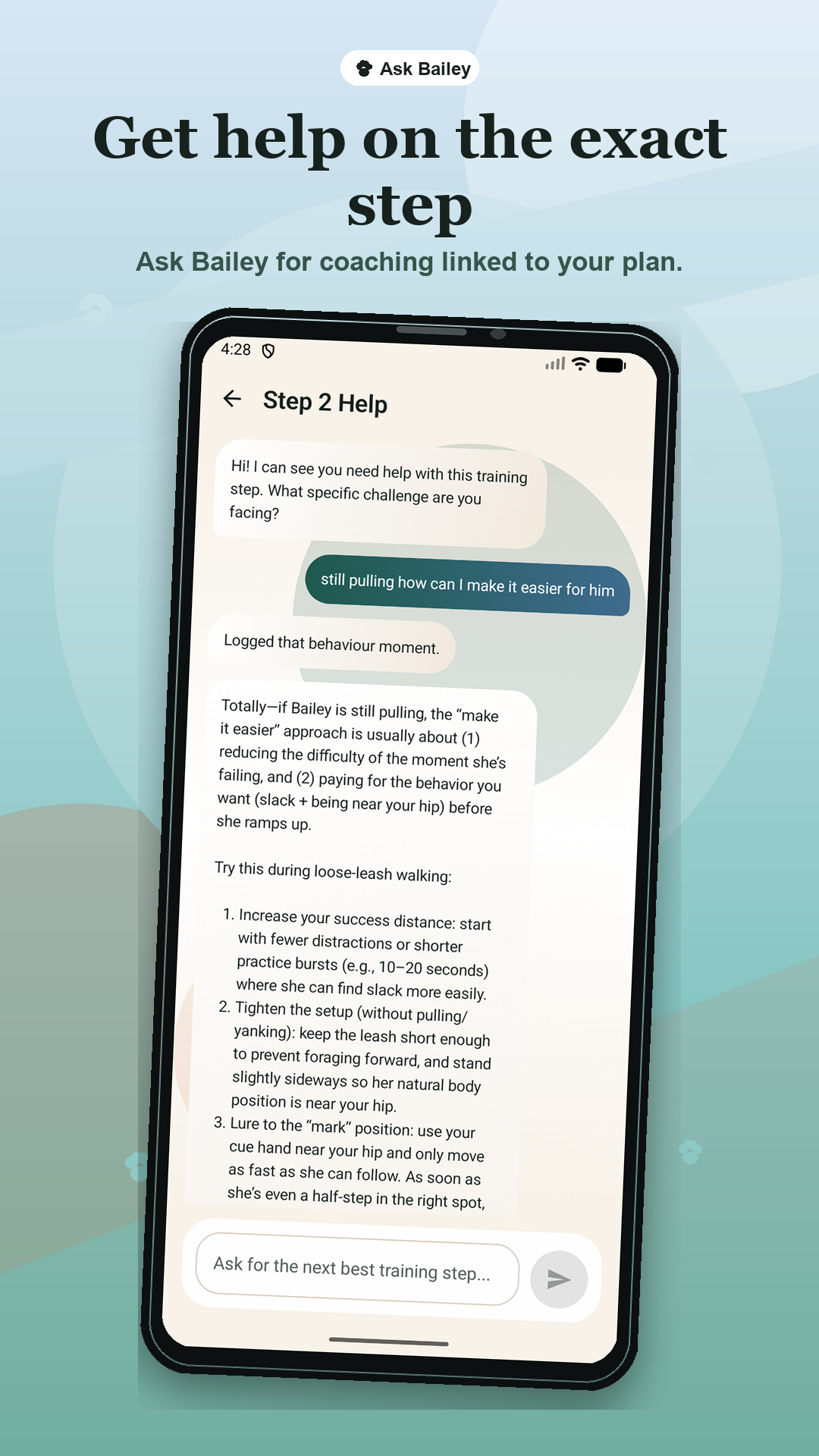
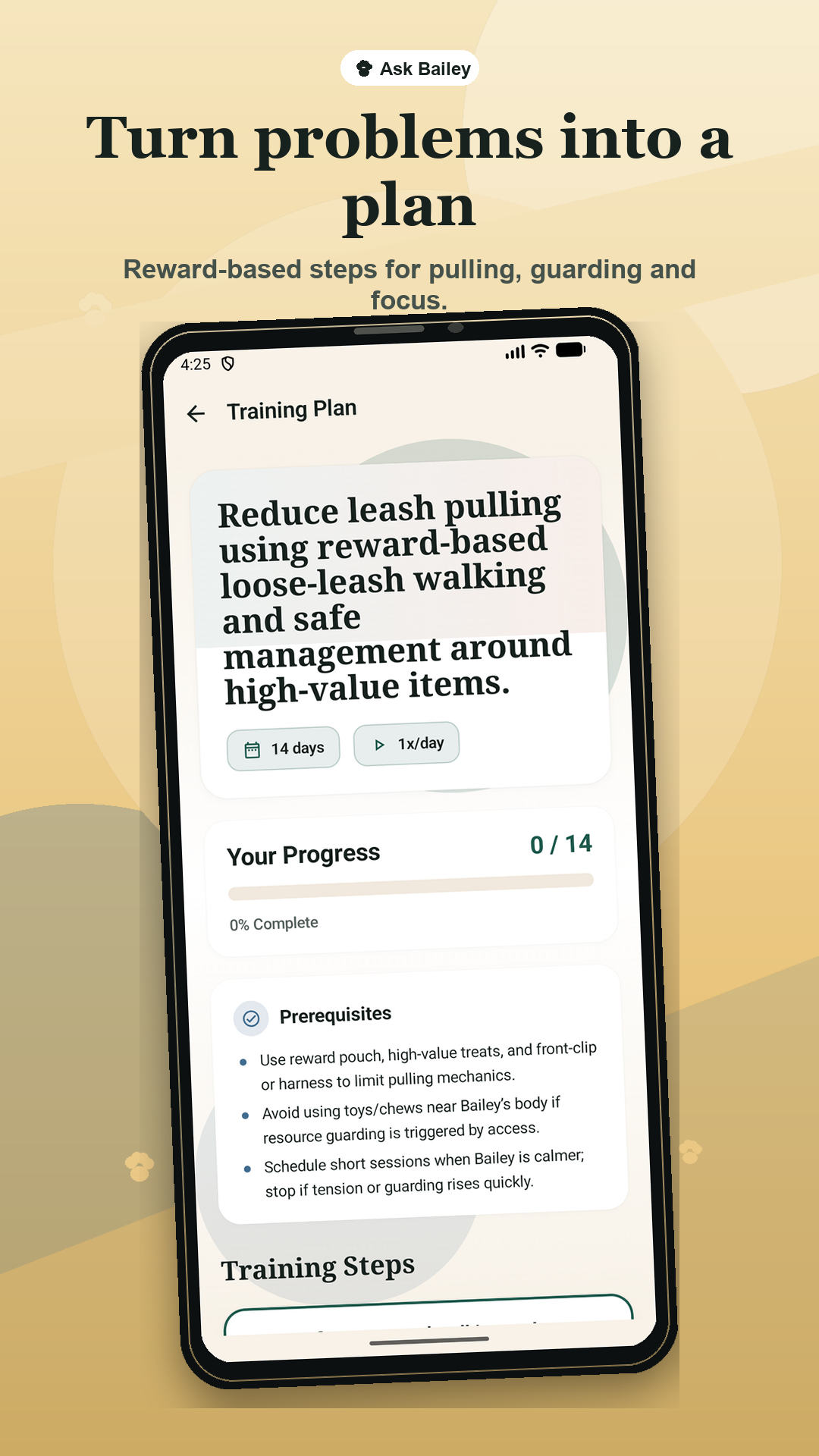
Dogs pull on leash because it works—it gets them where they want to go. Change this equation by rewarding calm walking. [1]
Use a properly fitted collar or harness and practice in a quiet area first. When your dog walks calmly beside you, reward frequently with treats and praise. When they pull, stop moving. The moment they return to your side, resume walking and reward. This teaches them that calm walking makes the walk happen.
Not Responding in Distracting Environments
A dog that performs perfectly at home but ignores you at the park hasn't truly learned the command—they've learned it in one specific context. [4]
Build "generalization" by practicing commands in progressively more distracting environments. Start in your quiet home, then practice in your backyard, then a quiet park, then a busier park. Use higher-value rewards (tastier treats, more enthusiastic praise) in distracting environments. This teaches your dog that the command means the same thing everywhere.
Tools That Support Your Training Routine
The right tools make training easier and more effective, though they never replace consistency and patience. [1]
- Treat pouch: Keeps rewards accessible and allows immediate reinforcement, which is crucial for learning. [1]
- Clicker: Provides a precise marker sound that tells your dog exactly when they've done something right. This clarity accelerates learning.
- High-quality leash and collar: Proper fit and durability support consistent outdoor training. [1]
- Crate: Provides structure, supports housebreaking, and creates a safe space. When introduced properly, dogs view crates as secure dens rather than punishment. [1]
- Puzzle toys and enrichment toys: Keep your dog mentally engaged and reduce boredom-related behaviors.
- Training pads: Provide additional support during housebreaking transitions or for dogs needing extra assistance. [1]
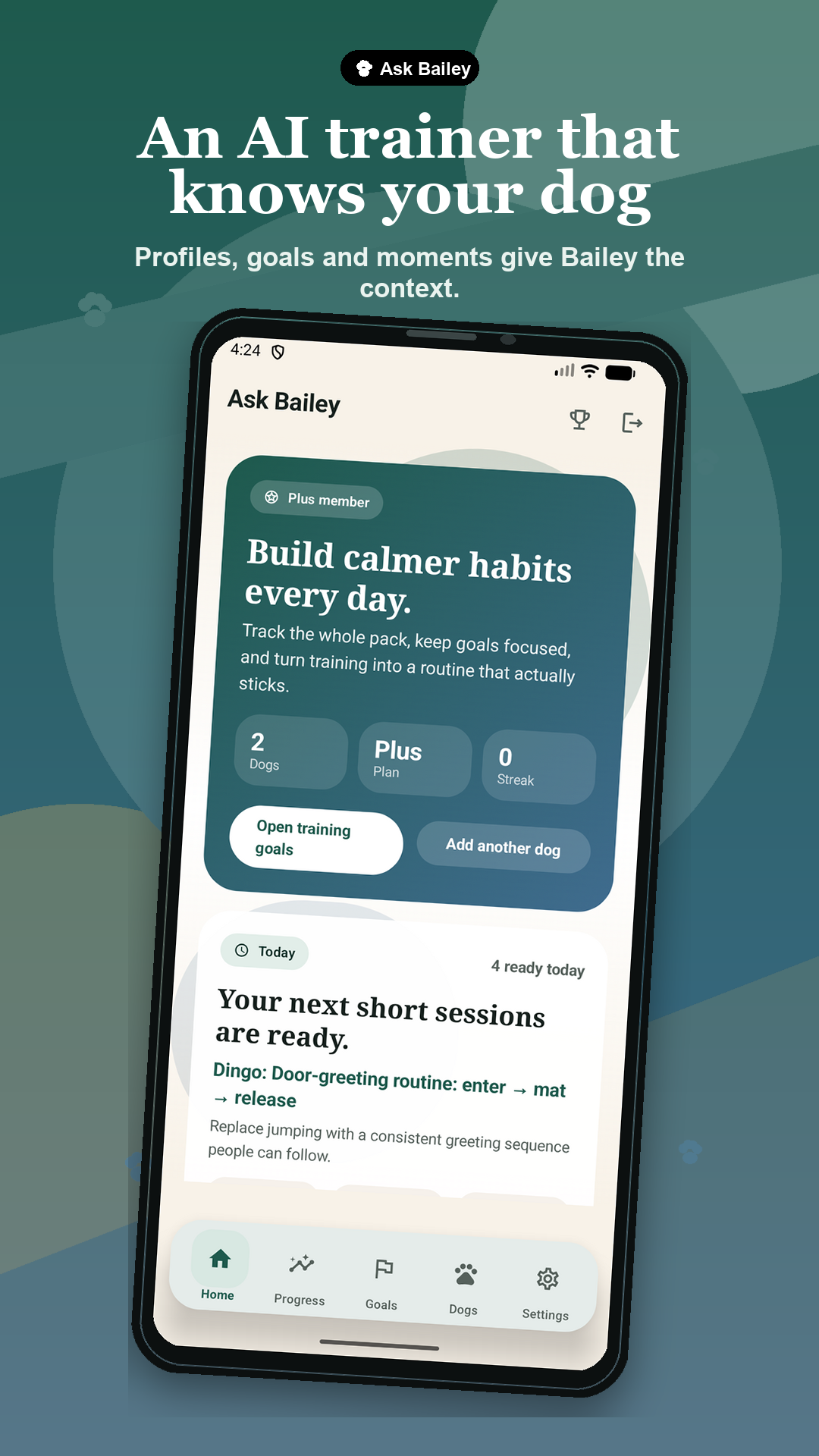
Emerging technology like AI-powered training apps can analyze your dog's behavior history and suggest customized training plans. [4] However, these are supplements to, not replacements for, professional guidance—especially for dogs with complex behavioral issues, aggression, or significant anxiety.
Avoiding the Most Common Training Mistakes
Repeating Commands
When you say "sit, sit, SIT!" you're teaching your dog they don't need to respond until the third request. Say the command once, wait three seconds, then gently guide them into position if needed. [3] No frustration, no anger—just consistent follow-through.
Inconsistent Rules
If your dog jumps on you and you find it cute but your guest finds it annoying, your dog receives contradictory messages. Everyone in your household must enforce the same rules consistently. [1]
Training While Stressed
Puppies are emotional sponges and pick up on your energy immediately. [3] If you're having a rough day, skip formal training and focus on simple bonding activities instead. Training should be fun for both of you.
Using Punishment
Punishment-based methods cause fear and anxiety, which decreases your dog's ability to learn. [2] They also damage your relationship. Stick with positive reinforcement—it's more effective and builds trust.
Expecting Perfection Too Quickly
Always end training sessions on a positive note, even if progress feels slow. [5] This builds your dog's confidence and maintains their enthusiasm for future training. Training is a marathon, not a sprint.
Creating a Training Routine You'll Actually Stick With
The best training routine is one you can maintain consistently. Here's how to make it sustainable:
- Start small: Don't try to train five new commands simultaneously. Master one, then add another.
- Anchor training to existing habits: Practice "sit" before meals, "wait" at the door before walks, "down" during your evening wind-down. [5] This integrates training into your natural routine.
- Set realistic goals: The goal isn't perfect obedience—it's calm routines, clear communication, and habits that reduce stress. [1]
- Track progress: Keep a simple log of what you practiced and how your dog responded. This helps you see progress and identify patterns.
- Celebrate small wins: Every successful "sit" is worth celebrating. These small victories compound into major behavior changes.
- Adjust as needed: If something isn't working, change your approach. Different dogs learn differently, and what works for one might not work for another. [4]
Key Takeaways: Your Training Routine Blueprint
Building an effective dog training routine doesn't require hours of dedicated work—it requires the right structure, consistency, and understanding of how dogs learn. Here's your action plan:
- Start with a morning routine combining physical exercise and mental stimulation
- Practice basic commands (sit, stay, come, leave it) in short, frequent sessions
- Use positive reinforcement exclusively—reward what you want to see more of
- Mark correct behavior immediately so your dog understands what earned the reward
- Tailor your routine to your dog's age, energy level, and learning pace
- Practice commands in progressively more distracting environments to build generalization
- Integrate training into daily activities (before meals, at doors, during walks)
- End every session on a positive note to maintain enthusiasm
- Stay consistent—everyone in your household should enforce the same rules
- Adjust your approach if something isn't working; different dogs learn differently
The most important thing to remember is that training is an investment in your dog's safety, confidence, and happiness. When your dog understands what's expected through consistent, predictable routines, they feel more secure. This security translates into fewer behavioral problems, better impulse control, and a stronger bond between you and your furry companion. Start today, stay consistent, and watch your dog transform.
Sources & References
- https://www.petmate.com/blogs/petmate-academy/how-to-train-your-dog-in-2026-a-practical-step-by-step-guide
- https://petcoverusa.com/how-to-train-your-dog-2026-step-by-step-guide/
- https://www.fido.expert/the-puppy-training-blueprint-from-chaos-to-well-behaved-dog-in-2026/
- https://www.petworks.com/articles/dog-training-in-2026-whats-new/
- https://pittsburghdogtrainers.com/the-ultimate-guide-to-building-a-daily-dog-training-schedule-that-actually-works/