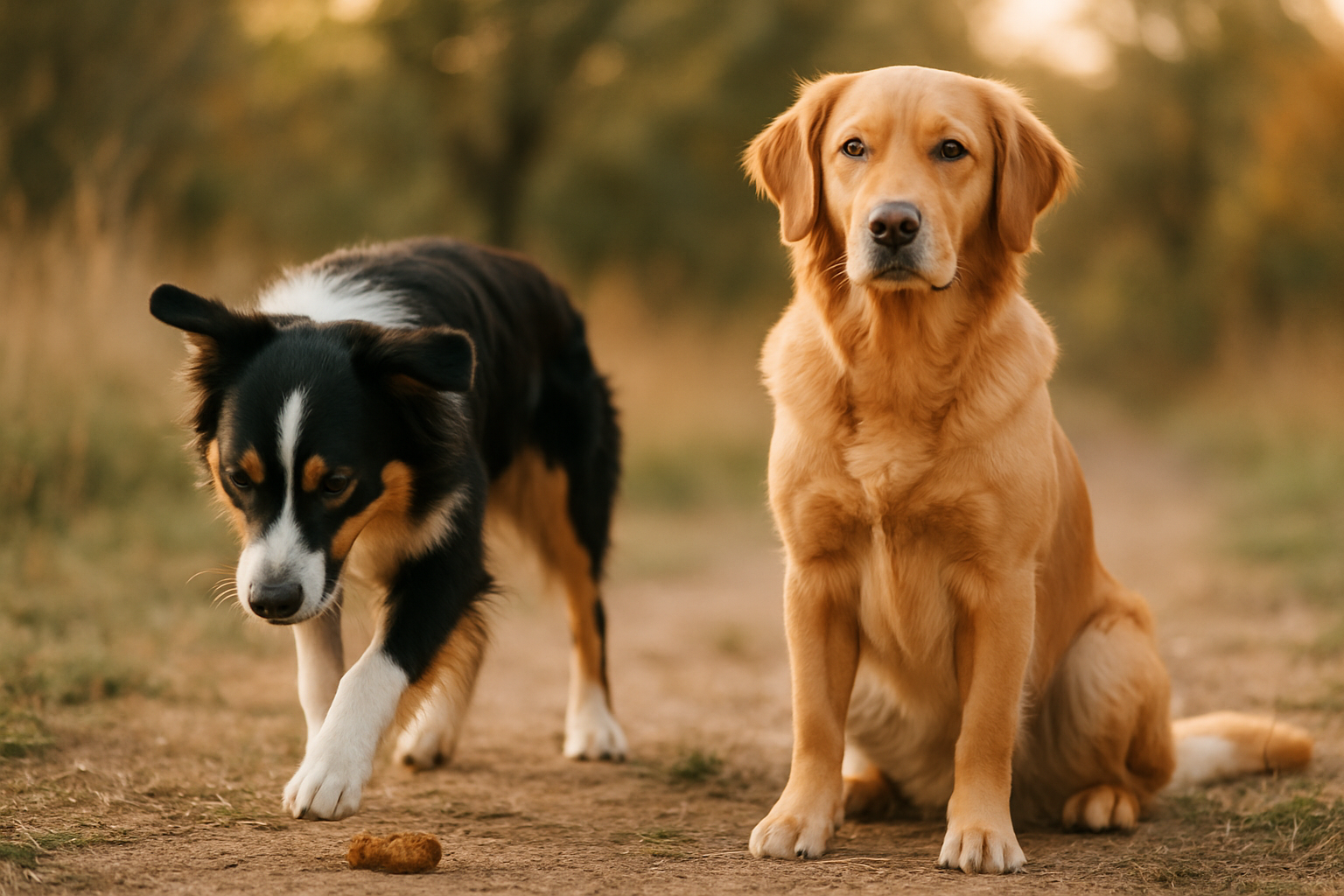
Leave it is one of the most important commands you can teach your dog because it literally saves their life. This preventative command stops your dog from touching or grabbing something dangerous before they even consider putting it in their mouth. While leave it and drop it sound similar, they serve completely different purposes: leave it prevents your dog from grabbing something, while drop it makes them release something already in their mouth. [1] Understanding this timing difference is crucial to effective training and your dog's wellbeing.
Understanding the Critical Difference
If you're new to dog training, you've probably heard these commands thrown around interchangeably—but here's the truth: they're not the same thing, and conflating them can undermine your dog's safety and training progress. [1] The distinction between these two commands is fundamental to effective dog training and, more importantly, to your dog's wellbeing.
Leave It means your dog should never touch, grab, or interact with something. It's a preventative command used before your dog even considers putting something in their mouth. Think of it as the ultimate "hands off" instruction. [2]
Drop It means your dog should immediately release something already in their mouth. It's a reactive command—you're asking your dog to let go of something they've already acquired. [2]
Understanding this timing difference is crucial. Leave It stops the behavior before it starts. Drop It corrects the behavior after it's already begun. Both are essential safety tools, but they address different scenarios.
Why Both Commands Matter for Your Dog's Safety
Your dog experiences the world through their mouth. Whether you have a curious puppy exploring everything or an adult dog with a taste for street snacks, situations requiring these commands will inevitably arise. [5]
Consider these real-world scenarios:
- Your dog spots a chicken bone on the sidewalk during a walk
- You drop medication on the kitchen floor
- Your dog finds a piece of chocolate or candy
- Your pup picks up a stick with a nail in it
- Your dog grabs something during playtime that needs immediate release
Without these commands, your dog could ingest toxins, suffer choking hazards, or require emergency veterinary care. [2] These aren't just obedience skills—they're genuine life-savers that can prevent costly vet visits or worse.
Training "Leave It": The Preventative Approach
Leave It training focuses on impulse control. You're teaching your dog to pause their natural instinct to investigate and consume interesting items. This requires patience, consistency, and a structured approach.
Step-by-Step Leave It Training
Phase 1: Foundation Work (Closed Fist Method)
Start in a low-distraction environment like your living room. [3]
- Hold a low-value treat (something your dog likes but isn't obsessed with) in your closed fist
- Allow your dog to sniff, paw, and investigate your hand
- Wait patiently—your dog will eventually move away or lose interest
- The moment they disengage, mark the behavior with an enthusiastic "Yes!" and reward them with a different, more valuable treat from your other hand [5]
- Repeat this 15-20 times in short training sessions
Important Note: Don't add the verbal cue "Leave It" during this phase. If you do, your dog might learn that the words mean "investigate this thing." [3] Many dogs misinterpret the cue and think it's permission to grab quickly before you stop them.
Phase 2: Introducing Visibility
Once your dog reliably disengages from your closed fist without the verbal cue, progress to showing the treat slightly.
- Open your hand just enough that your dog can see the treat peeking out
- If your dog tries to grab it, move your hand away and pause
- If they succeed twice in a row, go back to the closed fist method for more practice [3]
- Only move forward when your dog consistently leaves the visible treat alone
Phase 3: Adding the Verbal Cue
Now that your dog understands the behavior, add the words. [3]
- Say "Leave It" just before presenting your hand with the treat
- Follow the same pattern: if they disengage, reward from your other hand
- Practice this until the verbal cue becomes associated with the behavior
Phase 4: Increasing Difficulty
Gradually make training more challenging, but only when your dog succeeds consistently. [3]
- Place the treat on the floor, covering it with your hand if your dog attempts to take it
- Progress to uncovering the treat completely while saying "Leave It"
- Practice in different rooms and environments
- Use different low-value items (paper towels, socks, toys)
- Eventually practice with higher-value items like cheese or chicken
Critical Leave It Training Tips
- Start Easy: Begin with items your dog finds mildly interesting. A half biscuit is easier than a meatball. [3]
- Use Better Rewards: The reward for leaving something must be more valuable than the item itself. If you're asking your dog to leave a treat, reward with something better. [2]
- Be Patient with Progression: Don't jump from practicing with treats to expecting your dog to leave squirrels alone. Build gradually through intermediate challenges. [3]
- Ensure Family Consistency: Everyone in your household must use the same command and technique. Inconsistency creates confusion and undermines training. [5]
- Avoid Negative Associations: Never punish your dog for picking something up. Use only positive reinforcement to make the learning enjoyable. [5]
Training "Drop It": The Release Response
Drop It training teaches your dog that releasing items on command results in positive outcomes. The key is making dropping things more rewarding than holding onto them. [2]
Step-by-Step Drop It Training
Phase 1: Building Value Through Play
The best introduction to Drop It happens during natural play. [2]
- Engage your dog in a game of tug-of-war with a toy
- Keep the game interactive and fun
- Before your dog becomes too invested, hold the toy still (freeze it)
- Wait for your dog to naturally release their grip—this might take longer than you expect, but patience is essential [3]
- The moment they let go, enthusiastically say "Yes!" and immediately re-engage them in play
- This teaches them that dropping the toy doesn't mean the fun ends; it means the fun continues
Phase 2: Introducing the Trade-Up
Once your dog understands that releasing leads to continued play, add a high-value reward. [2]
- During play, hold the toy still as before
- When your dog still has the toy in their mouth, present a high-value treat right at their nose
- Most dogs will drop the toy to take the treat
- Say "Yes!" and reward immediately
- Give the toy back so they understand that dropping leads to getting it back
Phase 3: Adding the Verbal Cue
Once the behavior is reliable with the treat lure, add the words. [2]
- During play, say "Drop It" and bring the treat to their nose
- When they drop, reward and resume play
- Repeat several times until the association is strong
Phase 4: Fading the Lure
Gradually reduce your reliance on the treat lure. [2]
- Say "Drop It" without immediately showing the treat
- If your dog drops, reward enthusiastically
- If they don't, go back to showing the treat before trying again
- Only move forward when your dog responds reliably
Critical Drop It Training Tips
- Never Chase: Don't chase your dog when they have something. This turns it into a game and rewards the behavior you want to eliminate. [2]
- Always Trade Up: When your dog drops something, give them something better. If you ask them to drop a shoe but give nothing in return, why would they cooperate next time? [2]
- Avoid Force: Never pry items from your dog's mouth or yank things away. This creates fear and makes dogs more likely to run away or swallow quickly. [2]
- Stay Calm After Release: Don't immediately grab the item or become agitated. Stay boring and calm. If you show excitement or frustration, you'll only make your dog want to hold on longer. [3]
- Seek Professional Help for Resource Guarding: If your dog growls, snaps, or shows aggressive behavior when you approach them with items, consult a professional trainer. This requires specialized handling. [2]
Common Mistakes That Undermine Training
Even well-intentioned dog owners can accidentally teach their dogs to ignore these critical commands. Here's what to avoid:
- Using the Commands Inconsistently: Saying "Leave It" sometimes and "Don't Touch" other times confuses your dog. Pick your command and stick with it. [1]
- Advancing Too Quickly: If your dog isn't reliably responding at the current difficulty level, you're moving too fast. Build a solid foundation before increasing challenges. [5]
- Chasing Your Dog: This is perhaps the biggest mistake. Chasing turns stealing into a game and rewards the exact behavior you're trying to prevent. [2]
- Punishing Instead of Rewarding: Dogs who are punished for picking things up often learn to hide, eat things faster, or run away when they see you coming. Positive reinforcement works far better. [5]
- Practicing Only at Home: Your dog needs exposure to real-world distractions. Practice in different environments with varying levels of temptation. [3]
- Giving Up Too Soon: These commands require patience and lifelong repetition. You're asking your dog to override powerful natural instincts. Consistency over months and years matters. [4]
Real-World Application: Making It Work Beyond Training Sessions
Training in a quiet living room is one thing. Real-world application is another. Here's how to transition these commands to everyday life:
- Start in Low-Distraction Environments: Master the commands at home before expecting them to work on busy walks or in parks. [4]
- Gradually Add Distractions: Once your dog responds reliably indoors, practice near windows, then in your yard, then on quiet streets, then busier areas. [3]
- Use High-Value Rewards in Distracting Situations: What works as a reward at home might not motivate your dog when a squirrel is nearby. Increase the reward value as difficulty increases.
- Practice Regularly: These aren't one-time lessons. Incorporate brief training sessions into your weekly routine indefinitely. [4]
- Watch for Opportunities: Real-world practice is invaluable. When your dog shows interest in something they shouldn't have, calmly use your command and reward compliance.
The Bigger Picture: Building Impulse Control
Beyond the specific mechanics of these commands, you're actually teaching something more valuable: impulse control. [5] Your dog is learning to pause their automatic responses and look to you for guidance. This foundation strengthens your relationship and makes your dog safer in countless situations.
Dogs with strong impulse control are easier to manage in veterinary clinics, less likely to bolt from doors, more trustworthy around children, and generally more pleasant companions. Leave It and Drop It are just the beginning of building this crucial skill.
Remember: Words Are Just Tools
Here's a perspective that might shift your thinking: the specific words you use matter less than the behavior itself. [1] You could train these commands using "release," "off," or any other word. What matters is that your dog understands the behavior and responds reliably.
That said, consistency in your household is essential. Choose your commands and stick with them so everyone communicates the same way with your dog.
Your Action Plan
Ready to teach these life-saving commands? Here's your roadmap:
- Week 1-2: Focus exclusively on Leave It foundation work with the closed fist method
- Week 3-4: Progress to visible treats and begin adding the verbal cue
- Week 5-6: Introduce Drop It through play and treat trading
- Week 7+: Gradually increase difficulty and practice in different environments
- Ongoing: Incorporate brief practice sessions into your routine indefinitely
Training these commands requires patience, consistency, and positive reinforcement, but the investment pays dividends in your dog's safety and your peace of mind. Start today, stay consistent, and you'll have a dog who responds reliably when it matters most.
Sources & References
- https://pupford.com/blogs/all/commonly-confused-dog-behaviors
- https://www.redpointydog.com/post/droporleave
- https://www.teletails.com/blog/drop-it-vs-leave-it-does-your-dog-need-both
- https://www.purina.com/articles/dog/behavior/training/how-to-teach-dog-leave-it
- https://www.caninehighschool.com/post/teaching-your-dog-essential-safety-commands-leave-it-and-drop-it