Why Teaching Your Puppy to Pass Other Dogs Matters
If you've ever been yanked across the sidewalk by an excited puppy lunging toward another dog, you know how frustrating—and potentially dangerous—this behavior can be. But here's the good news: passing other dogs calmly is a learnable skill that transforms walks from stressful to enjoyable. [1]
Many puppies are naturally curious about other dogs. That's normal. But without proper training, this curiosity can escalate into pulling, jumping, barking, or even reactive behaviors. Dogs who can't ignore other dogs on walks face real safety risks—some become so fixated they'll dart into traffic or pull their owners off balance. [2]
Beyond safety, teaching calm passing is about good manners. Your puppy becomes a positive ambassador for dog owners everywhere, and you'll actually enjoy your walks again. The foundation? Focused attention on you, not the other dog.
The Foundation: Building Your Puppy's Focus
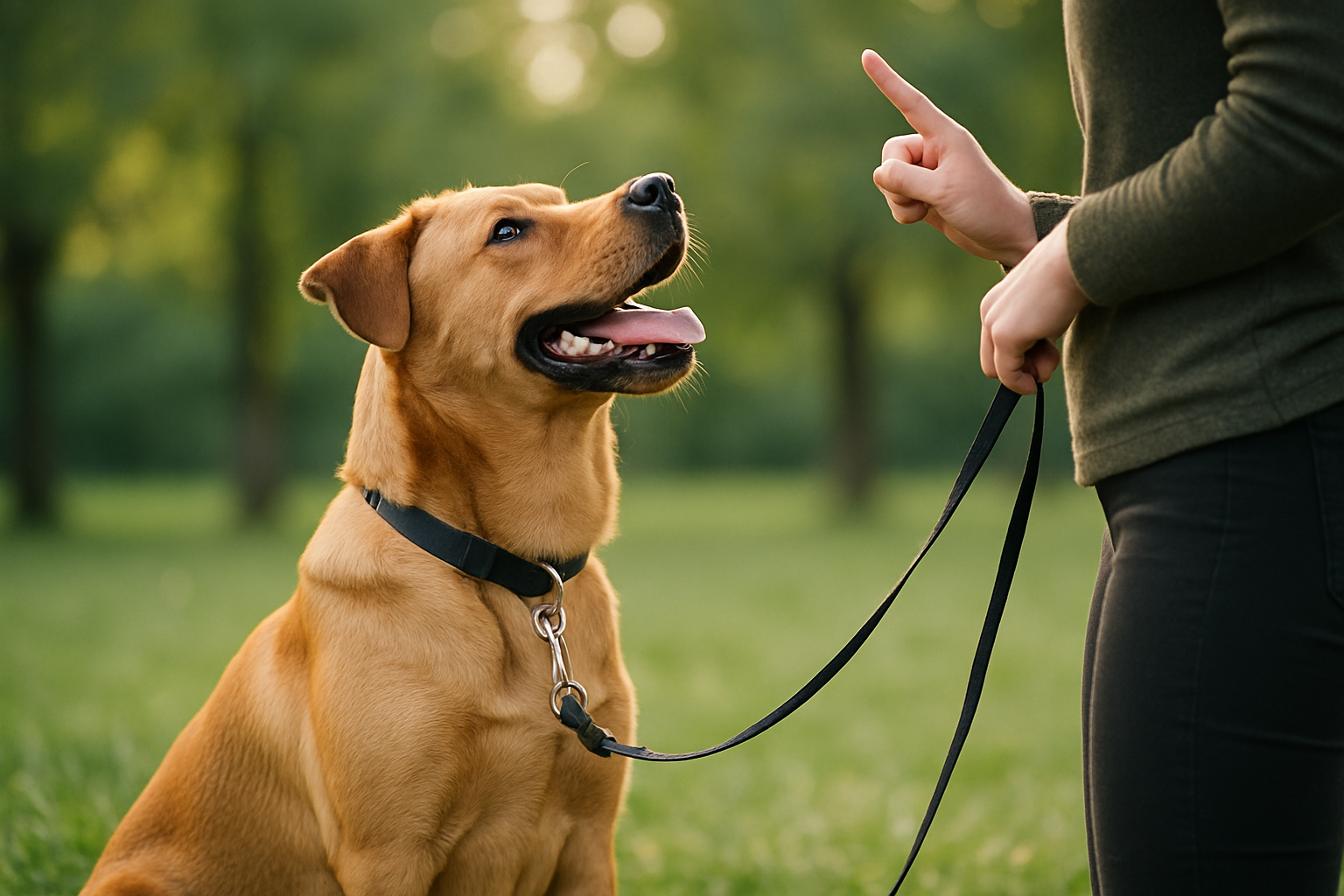
Before your puppy can walk past another dog calmly, they need to understand that paying attention to you is rewarding. This isn't about harsh corrections or punishment—it's about making yourself more interesting than the distractions around them. [1]
The most effective way to build focus is through a simple game called "Good Lookin'." Here's how it works:
- Start in a low-distraction environment: Your home, backyard, or quiet park
- Sit down and wait: Don't ask for attention or use treats yet
- Reward glances: The moment your puppy looks at you or even glances in your direction, mark the moment with a clicker (a small plastic device that makes a distinct sound) or say "Yes!" enthusiastically
- Deliver a treat immediately: Your puppy learns that making eye contact with you = good things happen
- Repeat consistently: Practice this daily until your puppy regularly checks in with you
This exercise teaches your puppy that you're worth paying attention to. When other dogs appear on walks, your puppy will already have the habit of looking to you for guidance and rewards. [1]
The "Watch Me" Command: Your Secret Weapon
Once your puppy understands that eye contact is rewarding, formalize this into a "Watch Me" or "Look at Me" command. This becomes your most powerful tool when passing other dogs. [2]
How to teach "Watch Me":
- Hold a high-value treat close to your eyes
- Say "Watch me" or "Look at me" clearly
- When your puppy makes eye contact, immediately click or say "Yes!" and reward
- Practice indoors first until it's reliable
- Gradually add distractions (other family members, toys, mild outdoor noise)
- Only take it on walks once it's solid in multiple environments
The key to success is using higher-value rewards when training around distractions. If your puppy isn't food-motivated when other dogs are nearby, their stress level is too high—you need more distance. [2]
Leash Skills: The Foundation of Calm Passing
Your puppy can't walk past other dogs calmly if they're already pulling and lunging on the leash. Before tackling dog-to-dog encounters, ensure your puppy has solid loose-leash walking skills. [1]
What loose-leash walking looks like:
- Your puppy walks beside or slightly ahead of you
- The leash hangs in a relaxed "J" shape—not tight
- Your puppy checks in with you periodically
- Your puppy responds to directional changes without pulling
Practice this in quiet areas first. Reward your puppy frequently for walking without tension in the leash. Once this is established, you're ready to add the complexity of passing other dogs.
The Three-Step Approach to Passing Other Dogs
Now that your puppy has focus and loose-leash skills, here's how to teach calm passing:
Step 1: Start at a Distance
Don't rush into face-to-face meetings. Begin by exposing your puppy to other dogs from a distance where they notice them but don't react intensely. [3]
- Walk in areas where you'll encounter other dogs at varying distances
- When your puppy notices another dog but remains calm, reward heavily with treats and praise
- Gradually decrease the distance as your puppy shows more self-control
- If your puppy gets too excited, create more distance and try again
This desensitization process teaches your puppy that seeing other dogs doesn't automatically mean they get to greet them—and that staying calm near other dogs is actually rewarding.
Step 2: Maintain Focus as You Approach
As you get closer to another dog (or another dog approaches you), use your "Watch Me" command to keep your puppy's attention on you. [2]
The process:
- When you spot another dog approaching, say "Watch me" before your puppy becomes fixated
- Reward your puppy for maintaining eye contact as you pass
- Keep rewarding in a steady stream—this is hard work for your puppy
- Don't stop rewarding until you've safely passed the other dog
- Only after you've created distance can you release the focus
Think of this as paying your puppy "high wages" for ignoring an exciting distraction. You're asking a lot, so the rewards need to match the difficulty. [2]
Step 3: Introduce Controlled Meetings (When Appropriate)
Once your puppy can walk past other dogs without reacting, you can teach them to greet calmly when both owners agree. This isn't about every dog greeting every other dog—it's about teaching your puppy that sometimes greetings happen, and they should be polite. [3]
Structured on-leash greeting guidelines:
- Both leashes must be loose: Tension in the leash creates tension in your puppy's body and mind. A tight leash can trigger defensive or aggressive responses. [5]
- Use a parallel approach: Walk the dogs side-by-side before allowing face-to-face contact
- Keep it brief: The "Three-Second Rule" suggests limiting initial greetings to about three seconds, then separating the dogs for a short break. [5]
- Ask for a sit first: Have your puppy sit and wait before approaching another dog. This builds impulse control. [3]
- Watch body language: Signs of relaxation include soft eyes, loose wagging tails, and playful posture. Signs of stress include stiff bodies, raised hackles, and direct staring—end the greeting if you see these. [3]
- Reward calmness: If your puppy remains calm during the greeting, reward immediately when you separate
The goal isn't to eliminate all dog-to-dog greetings—it's to teach your puppy that they happen on your terms, briefly, and only when everyone is calm.
Managing High-Excitement Situations
Some puppies get so excited about other dogs that treats don't work. If this describes your puppy, you need to adjust your approach. [2]
What to do when your puppy is over-threshold:
- Increase distance immediately: Move away from the other dog until your puppy can focus on you again
- Use counterconditioning: Change direction and reward your puppy for walking away from the other dog. This teaches them that moving away from exciting dogs is actually rewarding. [4]
- Build in play time with you: Before walks, play fetch, tug, or chase games with your puppy. A mentally and physically tired puppy is calmer around other dogs. [2]
- Practice the "Leave It" command: Teach your puppy to leave things (including other dogs) and redirect attention to you. [2]
Remember: if your puppy's stress level is too high to take treats, they're not ready to be that close to other dogs yet. More distance and practice is the answer, not force.
The "Look at That" Game for Reactive Puppies
If your puppy struggles with excitement or mild reactivity around other dogs, the "Look at That" game is incredibly helpful. [2]
How to play:
- When your puppy notices another dog, let them look at it (don't suppress the behavior)
- The moment they look, say "Yes!" and reward with a treat
- Your puppy will naturally look back at the other dog
- When they look back at you, reward again
- Repeat this cycle: other dog → reward, you → reward
This game lowers your puppy's arousal over time and teaches them that seeing other dogs means checking in with you for rewards—not lunging toward them. It's especially effective for puppies who find it difficult to calm down around other dogs. [2]
Building a Structured Walking Routine
Consistency is everything. Establish a structured walk routine with clear rules that your puppy learns to follow. [4]
Five rules for structured walks:
- Your puppy walks on a loose leash beside or slightly ahead of you
- Your puppy doesn't pull toward interesting sights, sounds, or other dogs
- Your puppy checks in with you periodically
- Your puppy responds to your directional changes without resistance
- Your puppy maintains focus when passing other dogs, people, or distractions
Practice these rules every single walk. The more consistent you are, the faster your puppy learns. Eventually, calm passing becomes automatic rather than something that requires constant reinforcement.
What to Avoid
As you train, steer clear of these common mistakes:
- Tight leashes: Tension in the leash communicates nervousness to your puppy and can trigger defensive behavior. Keep it loose always. [5]
- Forcing greetings: Never drag your puppy toward another dog if they're anxious or pulling away. Let them approach at their own pace or skip the greeting entirely.
- Punishing excitement: Yelling "No!" or jerking the leash when your puppy gets excited teaches them to fear other dogs, not respect them. Use positive reinforcement instead.
- Skipping the foundation work: Jumping straight to passing other dogs without building focus and loose-leash skills sets you up for failure. Do the groundwork first.
- Inconsistency: If you allow your puppy to pull and greet one day, then correct them the next day, they'll be confused. Be consistent every walk.
When to Seek Professional Help
If your puppy shows signs of true reactivity (lunging, barking, growling, or attempting to bite when seeing other dogs), or if they're extremely anxious around other dogs, consult a certified professional dog trainer or veterinary behaviorist. These behaviors require specialized intervention beyond basic training. [3]
Similarly, if your puppy has experienced a negative encounter with another dog, professional guidance can help rebuild confidence and prevent long-term behavioral issues.
Real-World Success: What Good Passing Looks Like
When you've successfully trained your puppy to walk past other dogs calmly, here's what you'll experience:
- Your puppy notices other dogs but doesn't fixate on them
- Your puppy maintains a loose leash as you pass
- Your puppy checks in with you for rewards or direction
- Your puppy can walk past multiple dogs without escalating excitement
- When greetings do happen, they're brief, polite, and calm
- You feel confident and relaxed on walks, not braced for chaos
This is absolutely achievable. Many puppies progress from pulling lunatics to calm, well-mannered walkers within weeks of consistent training. [1]
Final Thoughts
Teaching your puppy to walk past other dogs calmly is one of the most valuable skills you can develop together. It requires patience, consistency, and the right rewards, but the payoff is enormous: safer, more enjoyable walks and a puppy who's a pleasure to be around.
Start with focus work, build loose-leash skills, and gradually expose your puppy to other dogs at manageable distances. Use high-value rewards, keep your leash loose, and celebrate small wins. Before you know it, those peaceful walks you've been dreaming about will be your new normal.
Sources & References
- https://www.whole-dog-journal.com/training/how-to-train-your-dog-to-calmly-walk-on-leash/
- https://zigzag.dog/en-us/blog/puppy-training/training-basics/how-to-train-your-dog-to-ignore-other-dogs/
- https://www.apeacefulpack.com/post/training-your-dog-to-greet-other-dogs-calmly
- https://www.doggoneproblems.com/charlie-chihuahuamix/
- https://www.thrivingcanine.com/blog/letting-dogs-meet-three-second-rule-part-2/