Why Leash Training Matters for Your Puppy
Many new puppy parents assume their little furball will naturally understand how to walk politely on a leash. The reality? Leash walking is a learned skill that requires patience, consistency, and the right approach. Without proper training, even the sweetest puppies can develop pulling habits, lunging behaviors, and reactive tendencies that make walks stressful for everyone involved. [2]
Beyond the comfort factor, leash training serves critical safety purposes. A well-trained puppy on a leash is less likely to chase distractions, run into traffic, or engage in dangerous encounters with other animals. Additionally, many municipalities have strict leash laws that require dogs to be under control in public spaces. [2] By investing time in leash training now, you're setting your puppy up for a lifetime of enjoyable, safe outdoor adventures.
When to Start Leash Training
The good news? You can begin leash training as early as seven weeks old. [2] This is the perfect window to establish positive associations with collars, harnesses, and leashes before your puppy develops any negative behaviors or fears. However, remember that dogs continue learning throughout their lives—it's never too late to teach these skills, even to older dogs who may actually require less time to master loose-leash walking due to increased impulse control. [2]
Essential Equipment You'll Need
Before you begin training, gather the right tools. Having quality equipment makes the process smoother and more enjoyable for both you and your puppy.
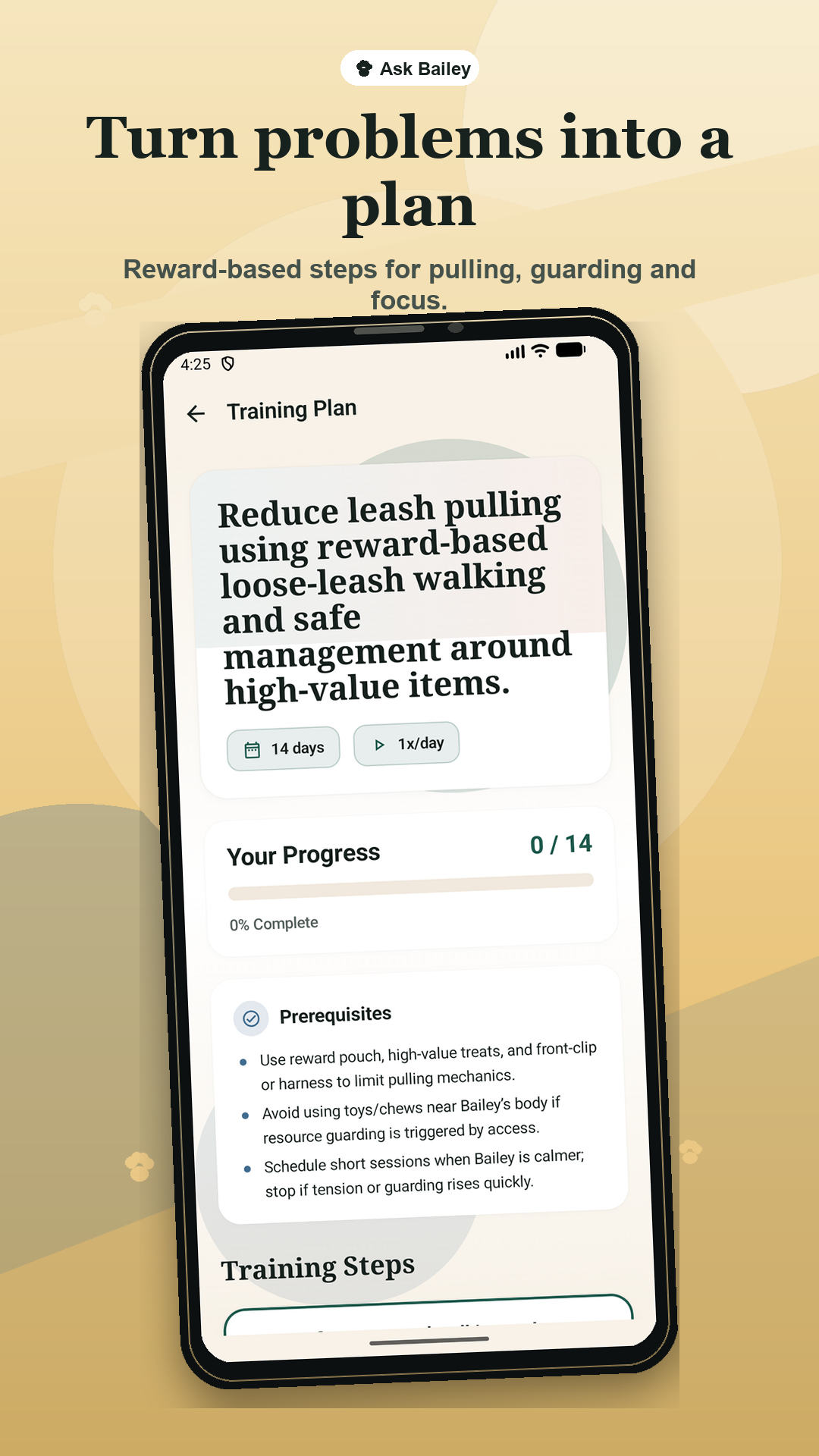
- Collar or Harness: Choose a comfortable, properly-fitted option. For puppies prone to pulling, a front-hook harness redirects their momentum more effectively than a standard collar.
- Leash: A 4-6 foot leash provides good control while allowing reasonable freedom. Avoid retractable leashes during initial training, as they can encourage pulling.
- High-Value Treats: Use small, soft treats your puppy loves. These are your primary training tool, so choose something irresistible.
- Sound Marker: A clicker, the word "yes," or a tongue click signals to your puppy that a reward is coming. [4]
Foundation Phase: Building Positive Associations
Step 1: Make the Collar and Leash a Celebration
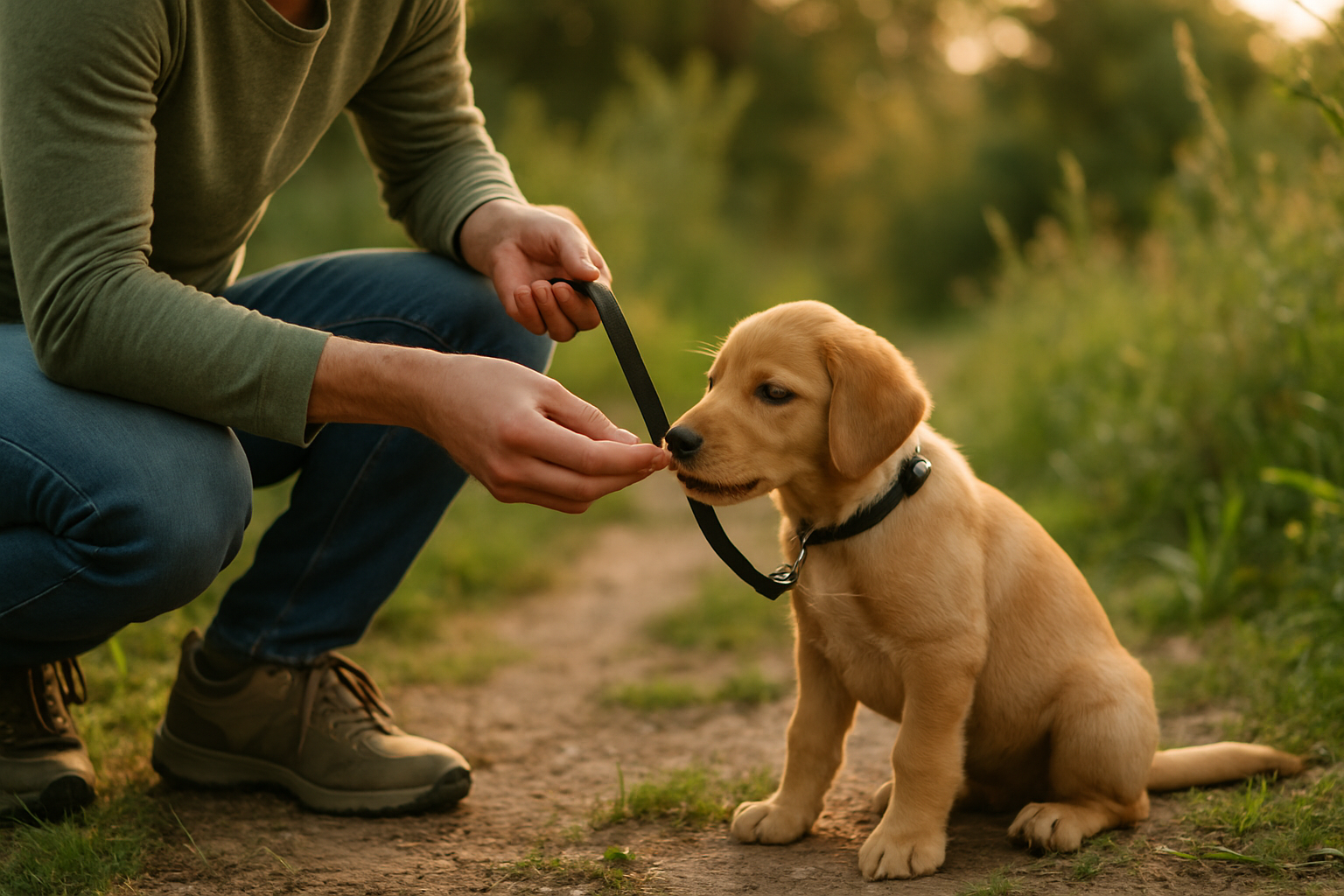
Your puppy's first experiences with leash equipment should be entirely positive. Start by letting your puppy wear the collar or harness for short periods while you're playing together and offering treats. [4] The goal is to create a strong mental connection: collar and leash equals fun and food.
During this phase, keep sessions brief—just 5-10 minutes—and let your puppy move freely around your home or fenced yard with the leash attached. Offer treats intermittently and praise enthusiastically. Your puppy should begin to associate leash time with excitement rather than restriction.
Step 2: Introduce Your Sound Cue
Now it's time to establish your communication system. Choose a sound that signals "a reward is coming." This might be a clicker, a verbal marker like "yes," or even a tongue click. [4] The specific sound matters less than consistency—pick one and use it every single time.
In a quiet, distraction-free area of your home with your puppy on the leash and collar, make your chosen sound. The instant your puppy looks at or turns toward you, reward them with a treat. Repeat this 5-10 times per session. Within a few repetitions, you'll notice your puppy anticipating the treat and moving toward you when they hear the sound. [4]
Indoor Training: Building Focus and Connection
Step 3: Practice Loose-Leash Walking Indoors
Once your puppy responds reliably to your sound cue, it's time to practice walking together. Start in a quiet room with minimal distractions. Your puppy is already wearing the leash and collar, which itself presents a new sensation to process.
Use a treat held near your leg to encourage your puppy to position themselves at your side. This is the "heel" position—where you want them during walks. When your puppy reaches your leg, immediately reward them with the treat. [2] Repeat this several times, gradually taking a few steps forward before rewarding. As your puppy becomes comfortable, space out the treats so you're taking increasingly more steps before each reward.
Keep these indoor sessions to 10-15 minutes maximum. Puppies have short attention spans, and it's better to end training while they're still eager for more rather than pushing until they're mentally exhausted. [4]
Step 4: Introduce Verbal Cues
As your puppy masters loose-leash walking indoors, begin pairing their behavior with verbal cues. Use "heel" when you want them close to your side, and "OK" when they have permission to explore and sniff. [2] These words become your communication tools during outdoor walks, giving your puppy clear guidance about expectations.
Transitioning to Outdoor Adventures
Step 5: Gradually Increase Environmental Complexity
When your puppy walks confidently beside you indoors, you're ready for the next challenge: the great outdoors. But don't jump straight to busy streets. Start with a quiet, safe area like a low-traffic residential street or a calm park. [4]
Outdoor environments present overwhelming sensory experiences—new sounds, smells, sights, and textures. Your puppy will be tempted by everything. This is completely normal. Maintain patience and keep these first outdoor walks short, perhaps just 10-15 minutes. [4] Bring plenty of high-value treats and be prepared to redirect your puppy's attention frequently.
Use your sound cue proactively. Before your puppy gets distracted or attempts to lunge, make your sound and move a few steps away. Reward them for following you. [4] This teaches your puppy that paying attention to you is more rewarding than investigating distractions.
Step 6: Gradually Reduce Treat Frequency
As your puppy demonstrates consistent loose-leash walking, you can gradually reduce how often you offer treats. Space them out over longer distances, then transition to intermittent rewards for particularly good behavior. [2] Keep treats on hand to randomly reinforce excellent walking habits, but your puppy shouldn't expect one with every step.
Troubleshooting Common Leash Training Challenges
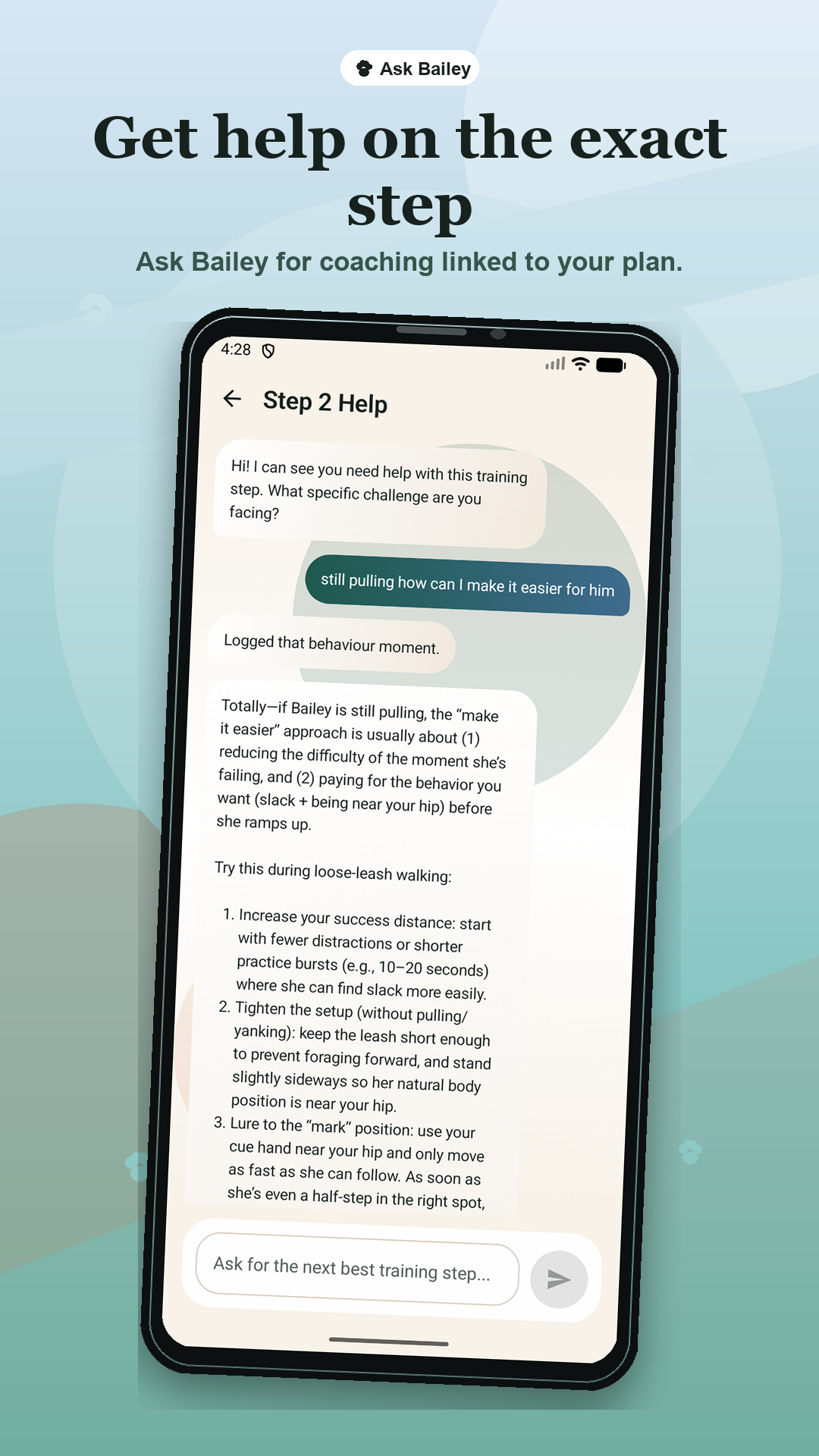
Addressing Pulling Behavior
If your puppy starts pulling or straining against the leash, resist the urge to yank back or drag them toward you. Instead, become "a tree"—stand completely still and refuse to move. [4] This teaches your puppy that pulling doesn't get them where they want to go. When your puppy returns to your side, reward them and resume walking. [2]
For puppies with particularly strong pulling tendencies, consider using a front-hook harness or head halter, which redirects their momentum more effectively than a standard collar. [4]
Managing Barking at Other Dogs
Some puppies bark when they encounter other dogs on walks. This often stems from insufficient exercise or excitement rather than aggression. Ensure your puppy receives appropriate mental and physical stimulation for their age and breed. [4]
For the barking itself, be proactive. Before your puppy has a chance to bark, use a treat to capture their attention and create distance between them and the other dog. [2] With consistent practice, your puppy will begin turning their attention to you in anticipation of a reward whenever they see another dog. Eventually, you can reduce treat frequency while maintaining the behavior.
Preventing Lunging and Chasing
Lunging at other dogs, cyclists, cars, or squirrels is a common puppy behavior, especially in herding breeds. The solution mirrors the barking strategy: stay alert, anticipate the distraction, and redirect your puppy's focus before they have a chance to lunge. [4] Increase the distance between your puppy and the trigger, offer a high-value treat, and reward calm behavior. With repetition, your puppy learns that interesting things mean they should focus on you.
Training Timeline and Realistic Expectations
How long does leash training take? It depends on your puppy's age, temperament, and consistency of training. Some puppies grasp loose-leash walking within a few weeks, while others require several months. [2] The key is patience and understanding that you may need to repeat training steps multiple times over several days or weeks before your puppy feels confident and comfortable. [2]
Remember that as your puppy encounters new places, seasons, and situations, you might experience temporary setbacks. This is normal. Simply return to earlier training steps and reinforce the basics.
Key Principles for Success
- Consistency: Everyone in your household should use the same cues, techniques, and expectations. Mixed signals confuse puppies.
- Positive Reinforcement: Focus on rewarding good behavior rather than punishing mistakes. Puppies learn faster through encouragement.
- Short Sessions: Multiple brief training sessions are more effective than one long session. Aim for 10-15 minute sessions, 2-3 times daily.
- Patience: Puppies are learning a complex skill. Stay calm and celebrate small progress.
- Proactive Management: Anticipate problems before they occur. This prevents bad habits from forming in the first place.
When to Seek Professional Help
If your puppy exhibits extreme pulling, aggression, or fear-based behaviors that don't improve with consistent training, consult your veterinarian for a behavioral consultation. [2] A professional trainer can identify underlying issues and create a customized training plan. There's no shame in seeking expert help—many trainers specialize in exactly these situations.
Your Leash Training Action Plan
Start this week by gathering your equipment and introducing your puppy to the collar, harness, and leash in a positive, playful context. Next week, establish your sound cue and practice indoors. The following week, transition to outdoor walks in quiet environments. Remember: consistency and patience are your greatest assets. Every walk is a training opportunity, and every moment of focus your puppy gives you deserves celebration.
Leash training isn't just about teaching your puppy to walk beside you—it's about building a foundation of communication, trust, and mutual understanding that will enhance every adventure you share together for years to come.