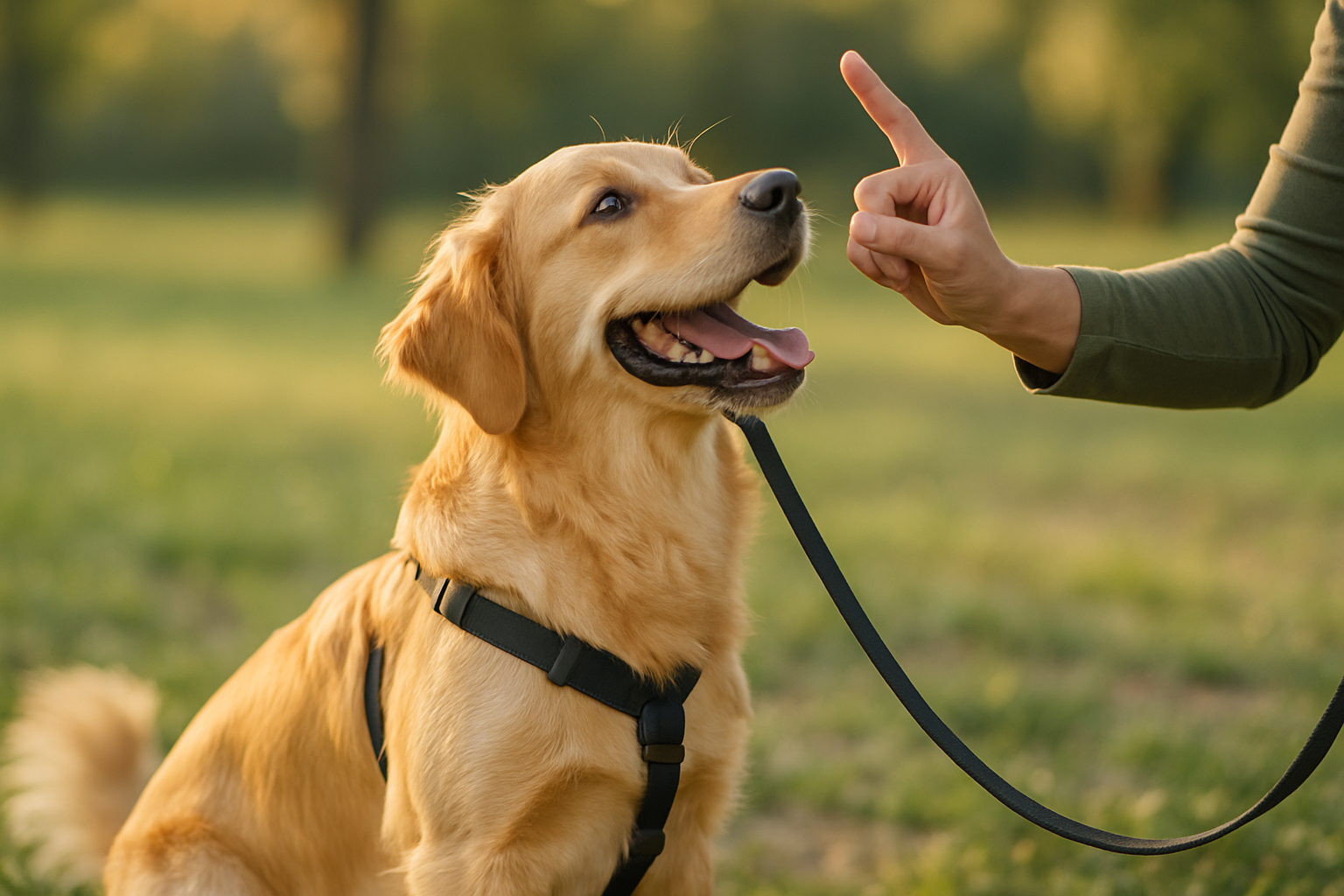
Teach Puppy to Walk Past Strangers: Calm Desensitization Steps
One of the most common challenges new puppy owners face is managing their pup's reaction to strangers during walks. Whether your puppy pulls frantically toward people, barks out of fear, or tries to hide behind your legs, these reactions can turn a simple neighborhood stroll into an anxiety-filled event—for both you and your pup.
The good news? With patience, consistency, and the right approach, you can teach your puppy to walk calmly past strangers and even enjoy meeting new people. This guide will walk you through proven desensitization techniques that help your puppy feel confident and secure in unfamiliar social situations.
Understanding Why Puppies React to Strangers
Before diving into training techniques, it's helpful to understand what's happening in your puppy's mind. Puppies go through what trainers call a "critical socialization period"—typically from birth to around 4 months of age. During this window, puppies are naturally curious and open to new experiences. [1]
If a puppy doesn't meet a variety of people in positive ways during this critical period, they may develop fear or anxiety around strangers later on. [1] This doesn't mean your older puppy is doomed—it just means you'll need to be more intentional and patient with your training approach.
Reactions to strangers can look different depending on your puppy:
- Fear-based reactions: Hiding, cowering, lip licking, or trying to escape
- Excitement-based reactions: Jumping, pulling toward people, or excessive barking
- Defensive reactions: Growling, lunging, or snapping (these require professional help)
All of these behaviors stem from your puppy feeling uncertain or overwhelmed. The solution isn't punishment—it's helping your puppy learn that strangers are safe, predictable, and associated with good things. [3]
Step 1: Set Up Your Puppy for Success With Management
Before you begin desensitization training, you need to manage your puppy's environment so they don't practice fearful or reactive behavior repeatedly. [3] Every time your puppy reacts negatively to a stranger, they're reinforcing that behavior pattern in their brain.
Practical management strategies include:
- Walk during quieter times: Take your puppy out during early mornings or late evenings when foot traffic is minimal. This gives you more control over the number and proximity of strangers your puppy encounters. [1]
- Choose less crowded routes: Avoid busy parks, shopping districts, or sidewalks during peak hours until your puppy builds confidence.
- Keep distance: When you see a stranger approaching, cross the street or step aside to create space between your puppy and the person.
- Use barriers strategically: If possible, practice in your yard or a quiet park where you have control over who approaches.
Management isn't about restricting your puppy's life forever—it's about creating controlled learning opportunities where you can guide positive experiences. [3]
Step 2: Build Foundation Skills Before Stranger Interactions
Your puppy needs to master some basic skills before they can successfully walk calmly past strangers. These foundational behaviors give your puppy something to focus on and help them feel more secure.
Essential skills to practice:
- Sit and stay: These commands give your puppy a job to do and redirect their attention away from the stranger. [2] Practice these in low-distraction environments first, then gradually add distractions.
- Loose-leash walking: Your puppy should be comfortable walking beside you without pulling. This prevents them from rushing toward or away from strangers.
- Focus or "watch me": Teaching your puppy to make eye contact with you on cue is incredibly powerful. When your puppy is focused on you, they're less reactive to their surroundings.
- Leave it: This command helps your puppy ignore things (including people) they shouldn't approach.
Practice these skills daily in your home and yard before attempting them around strangers. Use high-value treats and enthusiastic praise to make these behaviors rewarding. [1]
Step 3: Increase Daily Exercise to Reduce Reactivity
A tired puppy is a calmer puppy. Insufficient exercise is often an overlooked factor in stranger reactivity. [1] When puppies have pent-up energy, they're more likely to react dramatically to any stimulus—including strangers.
Exercise recommendations:
- Most puppies need at least 1 hour of exercise daily, with high-energy breeds needing 1.25+ hours. [1]
- Mix different types of exercise: walks, fetch, scent games, and indoor play.
- Exercise your puppy before walks where they might encounter strangers. This reduces excess energy and makes them more receptive to training. [1]
- Consider adding stairs work (if your home has them) or other varied terrain to tire your puppy mentally and physically.
You'll likely notice a significant improvement in your puppy's behavior on walks once their exercise needs are being met.
Step 4: Introduce Rules and Structure
Puppies feel more secure when they understand the rules and expectations. Consistent structure helps your puppy see you as a reliable leader they can trust. [1] This confidence transfers directly to how they handle new situations—including encounters with strangers.
Ways to add structure:
- Establish consistent routines: Regular meal times, exercise times, and training sessions help your puppy feel predictable and safe.
- Practice "petting with a purpose": Instead of randomly petting your puppy, ask them to sit or lie down first. This teaches them that attention is earned, not given freely, which builds confidence. [1]
- Enforce rules consistently: If jumping on people isn't allowed, enforce this rule every single time, with every person. Inconsistency confuses puppies and undermines your training.
- Reward desired behaviors: When your puppy naturally offers good behavior (like sitting calmly), immediately reward them. This "celebrating" approach is one of the most effective training methods. [1]
Step 5: Begin Desensitization With Controlled Stranger Exposure
Now that you've built a foundation, you can begin systematically introducing your puppy to strangers in a controlled way. Desensitization works by gradually reducing your puppy's sensitivity to strangers through repeated, positive exposure.
Desensitization progression:
- Start at a distance: Have a friend or helper stand far enough away that your puppy notices them but doesn't react strongly. This might be across a large yard or down the street.
- Reward calm behavior: The moment your puppy notices the stranger without reacting fearfully or excitedly, immediately reward them with treats and praise. You're teaching them: "Strangers = good things happen."
- Gradually decrease distance: Over multiple sessions, have your helper slowly move closer as your puppy remains calm. Move backward if your puppy shows signs of stress.
- Add stranger interaction: Once your puppy is calm at closer distances, have your helper toss treats toward your puppy (without directly approaching). This further reinforces the positive association.
- Practice on walks: Recruit friends or family members to walk past you during your puppy's walks. Start at a distance and gradually get closer as your puppy improves.
This process should take weeks or even months, depending on your puppy's starting point. Patience is essential—rushing this process can set back your progress.
Step 6: Teach Proper Greeting Behavior
Once your puppy is calm around strangers at a distance, you can teach them how to greet people appropriately. Clear expectations make everyone safer and happier.
Greeting protocol:
- Ask for a sit: When a stranger approaches, ask your puppy to sit before they greet them. This prevents jumping and gives your puppy a specific job to do. [2]
- Give the stranger instructions: Say something like, "She can say hello if she stays sitting." This sets boundaries for both your puppy and the stranger. [2]
- Control the interaction: Don't let strangers pet your puppy over the head (dogs interpret this as dominance). Instead, guide them to pet your puppy's chest or side. [1]
- Keep it brief: Short, positive interactions are better than long ones that might overwhelm your puppy.
- Be your puppy's advocate: If a stranger approaches and you don't think your puppy is ready, it's completely acceptable to say no. Your puppy's wellbeing comes before a stranger's feelings. [2]
Step 7: Recognize and Respect Your Puppy's Comfort Signals
Not all puppies will love meeting strangers, and that's okay. Learning to read your puppy's body language is crucial for building trust and preventing negative experiences. [1]
Signs your puppy is uncomfortable:
- Lip licking or yawning
- Turning their head away
- Tucking their tail
- Moving backward or trying to hide
- Stiff body posture
- Ears pinned back
Signs your puppy is comfortable:
- Relaxed body posture
- Soft eye contact
- Wagging tail
- Willingly approaching the stranger
- Playful behavior
If you notice discomfort signals, calmly create distance and end the interaction. Never force your puppy to greet someone. [1] Respecting their boundaries builds confidence and trust in you as their protector.
Step 8: Maintain Consistency and Celebrate Progress
Training your puppy to walk calmly past strangers isn't a one-time lesson—it's an ongoing practice that requires consistency from everyone in your household and everyone your puppy meets.
Consistency tips:
- Everyone who interacts with your puppy should follow the same greeting protocol (sit first, no petting over the head, etc.).
- Practice desensitization exercises several times per week, not just occasionally.
- Continue reinforcing calm behavior around strangers even after your puppy improves.
- When your puppy does well, celebrate enthusiastically. Let them know they made the right choice.
Progress might look like small increments: walking slightly closer to a stranger without reacting, or staying calm for a few extra seconds. Acknowledge these wins. They matter.
When to Seek Professional Help
If your puppy shows signs of aggression (growling, snapping, or attempting to bite), or if their fear is severely impacting their quality of life, consult with a certified dog trainer or veterinary behaviorist. [3] These professionals can assess your puppy's specific situation and create a tailored behavior modification plan.
Additionally, if you notice sudden changes in your puppy's behavior around strangers, a veterinary checkup is worthwhile to rule out pain or illness.
Key Takeaways for Success
Teaching your puppy to walk calmly past strangers is absolutely achievable with the right approach. Remember these essential points:
- Manage your puppy's environment early to prevent repeated negative experiences
- Build foundational skills like sit, stay, and loose-leash walking
- Ensure your puppy gets adequate daily exercise
- Introduce structure and rules that help your puppy feel secure
- Use gradual desensitization with controlled stranger exposure
- Teach clear greeting protocols that work for everyone
- Always respect your puppy's comfort signals and boundaries
- Stay consistent and celebrate small wins
Your puppy didn't become anxious around strangers overnight, and they won't become confident overnight either. But with patience, consistency, and kindness, you can help your puppy develop the confidence and social skills they need to navigate the world calmly. The effort you invest now will pay dividends throughout your puppy's life, resulting in a happier, more relaxed companion who enjoys walks and social interactions.