Why the Place Command Matters for Puppies
Raising a puppy comes with countless moments where you need your little one to settle down and stay out of trouble. The place command—also called the "go to bed" command—is a send-away instruction that teaches your puppy to move to a designated spot and remain there. Unlike commands that require your puppy to stay near you, this one empowers you to create distance and independence, which is essential for household harmony. [1]
Beyond managing behavior, teaching your puppy to place on a bed establishes a calm focus routine. This means your puppy learns that the bed is a safe space associated with relaxation and positive rewards. Over time, simply placing the bed down becomes a signal that it's time to settle, which can dramatically reduce stress for both you and your pup.
Choosing the Right Bed or Surface
The surface you select for training matters more than you might think. Elevated beds work particularly well because they're distinctly different from the floor, making it easier for your puppy to understand exactly where the target location is. [1] If you don't have an elevated bed, other options work just fine—yoga mats, bath mats, or even designated dog beds on the ground all serve the purpose.
The key is choosing something that stands out visually and texturally from your home's flooring. This contrast helps your puppy quickly recognize the bed as the special place where good things happen. If your puppy shows fear or hesitation toward an elevated bed, simply flip it over to remove the raised legs, or stand on the mat with your puppy to help them feel comfortable. [1]
- Elevated dog beds: Best for clarity and focus
- Yoga or bath mats: Great budget-friendly alternatives
- Flat dog beds: Effective for puppies nervous about height
- Designated floor cushions: Work well once your puppy understands the concept
Preparing Your Training Environment
Before you begin teaching the place command, set yourself up for success by preparing the right environment. Choose a quiet room with minimal distractions—your puppy's ability to focus improves dramatically when there are fewer competing stimuli. [3]
Gather high-value treats that your puppy loves. These should be small, soft, and easy to consume quickly so training sessions stay focused and energetic. Some trainers recommend using a single treat throughout a 5-10 minute session, allowing your puppy just tiny nibbles to maintain motivation without overfeeding. [1]
Have realistic expectations about session length. Short, frequent training sessions—just 2-5 minutes, repeated 3-5 times daily—produce better results than long, exhausting sessions. This approach keeps your puppy engaged and prevents training from becoming boring or frustrating. [2]
Step-by-Step Training Process
Phase 1: Building Awareness (Days 1-3)
Start by placing the bed on the floor in your training space. Stand in the middle of the room with your puppy, say nothing, and don't direct them toward the bed. This is a thinking game where your puppy must figure out what earns the reward. [3]
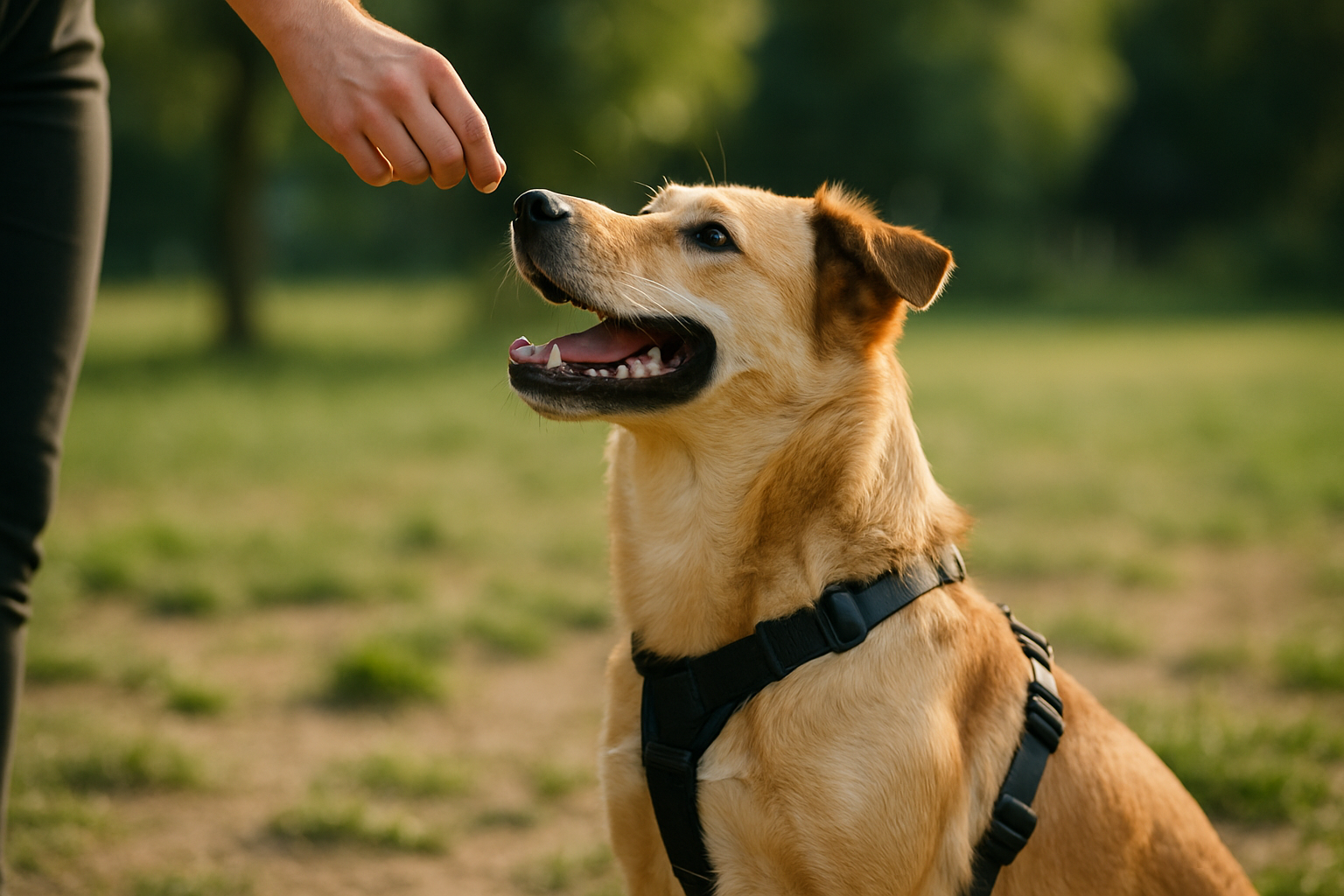
Watch your puppy carefully. The moment their eyes look toward the bed, mark this moment with an enthusiastic "YES!" or "GOOD!" and immediately give them a treat reward. Your timing is critical—the marker word must happen within a split second of the desired behavior so your puppy connects the reward to looking at the bed. [3]
Repeat this process multiple times during your session. Your puppy will gradually understand that paying attention to the bed results in good things.
Phase 2: Moving Toward the Bed (Days 3-7)
As your puppy becomes comfortable looking at the bed, they'll naturally start offering bigger behaviors to earn rewards. They might take a step toward it, sniff it, or place a paw on it. Reward any progress toward the bed with the same enthusiasm and marker words. [3]
During this phase, don't use the verbal command "place" or "bed" yet. You're simply waiting for your puppy to work out that moving toward and touching the bed gets rewarded. This builds intrinsic motivation rather than relying on commands.
If your puppy seems stuck, you can gently lure them toward the bed using a high-value treat held near their nose, then reward generously when they move in the right direction. [2]
Phase 3: Getting All Four Paws on the Bed (Days 7-14)
Once your puppy confidently approaches the bed, start rewarding only when all four paws are on the surface. This is when you introduce the verbal cue. Say "place" or "bed" in a clear, upbeat tone just before your puppy jumps on, then immediately reward with treats and enthusiastic praise. [1]
Use phrases like "Good place!" or "Yes, good bed!" to clearly mark which behavior earned the reward. Follow this with physical affection—pats on the back, ear scratches, and gentle praise. This combination of verbal markers, treats, and physical affection creates strong positive associations. [1]
During early training, stand close to the bed. As your puppy becomes more reliable, gradually increase your distance. This teaches them to respond to your command from across the room, which is the ultimate goal.
Phase 4: Building Duration and Distance (Weeks 2-4)
Now that your puppy understands the place command, you can work on duration—how long they stay on the bed. Start by rewarding them while they're on the bed, rather than only when they first arrive. Gradually extend the time between getting on the bed and receiving the reward. [2]
Practice walking away from the bed while your puppy remains on it. Start with just one step away, reward, then gradually increase distance. This teaches your puppy that staying on the bed while you move around the room is the goal. [2]
Put the bed away between training sessions. This creates anticipation and helps your puppy understand that when the bed appears, it's time to train. [3]
Training Tips for Success
Focus on One Behavior at a Time
When teaching puppies, train each command independently before combining them. Initially, you only need all four paws on the bed—don't require sitting or staying yet. Once your puppy masters the place command, you can layer on additional behaviors like sit or down. [1] This creates a strong foundation for each individual skill.
Use Marker Words Effectively
A marker word like "YES!" or "GOOD!" tells your puppy exactly which behavior earned the reward. It bridges the gap between the behavior and the treat, making the connection crystal clear. Practice using your marker word consistently throughout training. [2]
Keep Sessions Short and Frequent
Multiple short training sessions beat one long session every time. Two to five minutes, repeated three to five times daily, maintains your puppy's enthusiasm and focus. Puppies have limited attention spans, and keeping things brief prevents them from getting bored or frustrated. [2]
Celebrate Desired Behaviors Enthusiastically
Your energy matters. When your puppy does something right, react with genuine excitement. Use exaggerated praise, happy tones, and physical affection. This enthusiasm makes the reward feel substantial and motivates your puppy to repeat the behavior. [2]
Be Patient with Fearful Puppies
Some puppies feel nervous about elevated beds or new surfaces. If this describes your pup, flip the bed over to remove the raised legs, or walk on the mat yourself with your puppy to normalize it. Take training at their pace—there's no rush. [1]
Troubleshooting Common Challenges
My Puppy Won't Go Near the Bed
If your puppy seems uninterested in the bed, increase the value of your rewards. Try using higher-value treats or adding more enthusiastic praise. You can also try luring them toward the bed with a treat held near their nose, then reward generously for any progress. Make sure your training environment is quiet and free of distractions.
My Puppy Jumps Off Immediately
This is completely normal. Your puppy is still learning. Reward them for getting on the bed first, then gradually work on duration. Don't punish jumping off—simply ignore it and wait for them to get back on before rewarding. Consistency and patience are key.
My Puppy Only Listens When I Have Treats
This is actually a sign of successful training! Your puppy has learned the behavior. Gradually reduce treat frequency by sometimes rewarding with praise and petting alone. Vary your rewards so your puppy stays motivated. Eventually, the behavior becomes habit and responds reliably even without food.
Real-World Applications
Once your puppy masters the place command, you'll find countless ways to use it. Send your puppy to their bed when guests arrive, preventing jumping and greeting chaos. Use it during meal preparation to keep your pup safely away from the kitchen. Practice it before walks to establish calm behavior before heading outside. [1]
The place command also becomes a valuable tool for managing your puppy's energy and teaching them to settle independently. This calm focus routine reduces stress for both you and your puppy, creating a more peaceful household.
Building a Lasting Calm Focus Routine
The true power of the place command emerges when it becomes part of your daily routine. Your puppy begins to recognize that the bed signals a time to settle and relax. Over weeks and months, simply placing the bed down can trigger a calm, focused state—no verbal command needed. [3]
To solidify this routine, practice the place command in different rooms and environments. Once your puppy masters it in your quiet training space, practice in busier areas of your home. This generalization teaches your puppy that the command works anywhere, making it a reliable tool for creating calm whenever you need it.
Key Takeaways
- The place command teaches your puppy to move to a designated bed and settle there, creating independence and calm
- Choose a distinctive bed or mat that stands out from your flooring to help your puppy identify the target location
- Train in short, frequent sessions (2-5 minutes, 3-5 times daily) using high-value treats and enthusiastic praise
- Progress through phases: building awareness, moving toward the bed, getting all four paws on it, then building duration and distance
- Use clear marker words like "YES!" to bridge the behavior and the reward
- Train one behavior at a time before combining commands like sit or stay
- Be patient with fearful puppies and adjust your approach to their comfort level
- Once mastered, use the place command in real-world situations to manage behavior and create calm