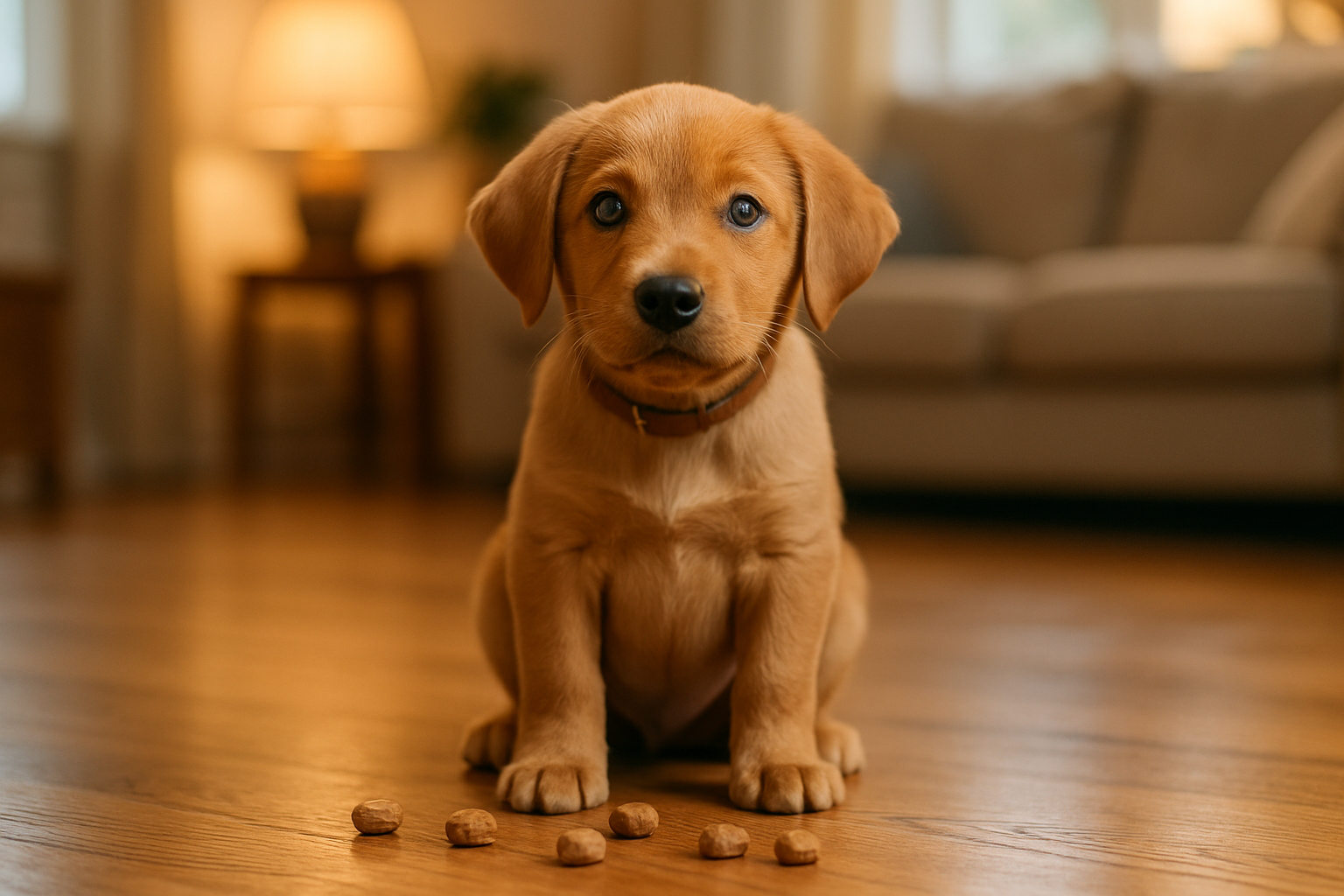
How to train a puppy to sit is one of the first commands new dog owners tackle—and for good reason. Teaching sit is the foundation for all future obedience and a practical safety tool that can prevent jumping, bolting, and dangerous behaviors. With the right technique and consistency, most puppies learn to sit reliably within just a few training sessions. This guide walks you through everything you need to know, from preparation and luring methods to troubleshooting common challenges and progressing to advanced commands like sit and stay.[4]
Teaching Your Puppy to Sit: A Step-by-Step Guide
If you've just brought home a new puppy, congratulations! You're about to embark on one of the most rewarding journeys of pet ownership. But let's be honest—those sharp puppy teeth, boundless energy, and complete lack of manners can be overwhelming. The good news? Teaching your puppy to sit is your golden ticket to a well-behaved companion and the foundation for all future training success.
Sit isn't just a trick. It's a lifeline. A sitting puppy can't jump on guests, can't bolt through open doors, and can't knock over your morning coffee. In this guide, we'll walk you through everything you need to know to teach your puppy this essential behavior—from preparation to troubleshooting common challenges.
Why Teaching Sit Matters More Than You Think
Before we dive into the how, let's talk about the why. The sit command serves as the cornerstone of canine obedience and safety. [4] When your puppy can sit reliably, you're establishing good manners that will shape their entire behavioral foundation.
Beyond manners, sit is a safety tool. Imagine your puppy gets loose near a busy street. A solid sit command could literally save their life by keeping them in place until you can safely retrieve them. [4] Additionally, mastering sit opens the door to teaching more complex behaviors like stay, down, shake, and even advanced tricks. Each new command becomes progressively easier once your puppy understands the learning process through sit.
Perhaps most importantly, teaching sit strengthens the bond between you and your puppy. Training sessions become quality time together, and your puppy learns to look to you for guidance and rewards. This relationship becomes the foundation of trust that will serve you both throughout your dog's lifetime.
Understanding How Puppies Learn: The Power of Positive Reinforcement
Before you begin training, it's essential to understand how your puppy's brain works. Modern dog training has moved away from outdated punishment-based methods toward positive reinforcement—a science-backed approach that actually works better and faster. [2]
In positive reinforcement training, your puppy learns that performing a specific behavior results in something wonderful. This could be a tasty treat, enthusiastic praise, a favorite toy, or access to a fun activity. When your puppy realizes that sitting equals good things, they'll be eager to sit every single time you ask. [1]
The terminology matters here too. Rather than "commands," modern trainers use the term "cues." [1] A cue is simply a signal—verbal or visual—that tells your puppy which behavior will earn them a reward. This language reflects a partnership approach rather than a military-style hierarchy, and your puppy responds better to being asked than being ordered around.
What You'll Need: Essential Training Supplies
Gather these items before your first training session:
- High-value treats: Choose small, soft treats that your puppy loves and can eat quickly. Pieces of chicken, cheese, or commercial training treats work well. Avoid hard biscuits that take time to chew—you want your puppy focused on you, not munching.
- A leash and collar or harness: These keep your puppy safely contained during training and help you guide their attention. [3]
- A clicker (optional but recommended): A clicker is a small device that makes a distinct clicking sound. It marks the exact moment your puppy performs the desired behavior, bridging the gap between the action and the reward. [5] This precision accelerates learning significantly.
- A quiet training space: Choose a calm, distraction-free area—your living room, backyard, or a quiet park. Avoid busy environments when your puppy is first learning. [3]
- Patience and a positive attitude: This is non-negotiable. Your puppy picks up on your energy. If you're frustrated, they'll sense it. Stay calm, encouraging, and patient.
The Step-by-Step Training Process
Step 1: Start With a Relaxed Puppy
Timing is everything. Train when your puppy is calm and alert—not when they're overstimulated or exhausted. A puppy that's just woken from a nap or had some playtime is often in the ideal state. [3] Put your puppy on a leash and have them stand or walk beside you to begin.
Step 2: Get Their Attention and Show the Treat
Hold a treat in your closed hand and let your puppy sniff it. [4] Once they're interested and focused on your hand, you have their attention. This is your starting point. Don't give the treat yet—you're building anticipation.
Step 3: Lure Into Position
This is where the magic happens. Slowly move the treat from your puppy's nose upward toward their head, roughly 3 inches above. [4] As your puppy's nose follows the treat, their rear end will naturally lower to the ground. This isn't you pushing them down—it's them following the treat into a sitting position. [5] The movement should be smooth and gradual.
Pro tip: If your puppy isn't sitting, you might be holding the treat too far away. Move closer and ensure the treat is directly above their nose, not out in front of them.
Step 4: Mark the Behavior
The instant your puppy's rear touches the ground, click your clicker (if using one) or say a marker word like "Yes!" [5] This precise timing tells your puppy exactly which action earned the reward. Without this clarity, they might not understand what they did right.
Step 5: Reward Immediately and Enthusiastically
Give your puppy the treat right away while they're still sitting. [5] Pair this with verbal praise in a bright, happy voice: "Good sit!" or "Yes, what a smart puppy!" Use petting and enthusiasm too. The combination of treat, praise, and affection creates a powerful learning experience. [4]
Step 6: Reset and Repeat
Walk a few feet away or toss a treat on the ground to reset your puppy's position. [4] Then call them back to you or let them come naturally, and repeat the process. Aim for 5-10 repetitions per training session. Puppies have short attention spans, and keeping sessions brief prevents frustration and boredom.
Step 7: Add the Verbal Cue
Once your puppy is reliably sitting when you lure them (typically after 3-5 training sessions), it's time to add the word "sit." [2] Say the word clearly and calmly just before your puppy is about to sit. For example, as you're luring them into position, say "Sit" and then guide them down. Reward as before. Your puppy will start associating the sound with the action.
Step 8: Fade the Lure
Once your puppy responds reliably to the verbal cue with the treat lure, it's time to phase out the food guidance. Raise your empty hand above your puppy's nose in the same motion you used before, but deliver the reward from your other hand after they sit. [4] This teaches them to follow the hand signal, not just the treat. Eventually, you can replace the hand signal with a verbal cue alone.
Advanced Training: Building Consistency and Reliability
Training in Different Environments
Your puppy might sit perfectly in your quiet living room but completely ignore you at the dog park. This is normal. [2] Once your puppy has mastered sit at home, gradually introduce training in new locations with mild distractions. Start in a quiet room, progress to your backyard, then try a less busy park. This generalization process takes time but ensures your puppy responds reliably everywhere.
Building Duration
Initially, your puppy only needs to sit for a second or two before getting the reward. As they become more confident, gradually increase the duration. Instead of rewarding immediately, wait 2-3 seconds before clicking and treating. Over time, you can extend this to 10-15 seconds or longer. [3]
Introducing Distance
Once sit is solid at close range, begin taking small steps backward while your puppy sits. Start with just one step. Return immediately and reward. Gradually increase the distance over many training sessions. This teaches your puppy that sit means "stay in place until I return and reward you."
Creating Default Behaviors
Here's a game-changer: reward your puppy for sitting even when you didn't ask them to. [5] If your puppy walks over and sits near you, click and treat. If they sit while you're preparing their dinner, reward them. Over time, your puppy will start offering sits spontaneously because they've learned that sitting is their way of saying "please." This transforms sit from something you make them do into something they choose to do.
Troubleshooting Common Challenges
My Puppy Pops Up Immediately After Sitting
This is one of the most common issues. The culprit is usually timing—you're rewarding too late or inadvertently luring them back into a standing position. [5] Ensure you're delivering the treat while your puppy is still sitting, not after they've stood up again. Also, keep treats close to their body when rewarding so they don't have to stand to reach them.
My Puppy Won't Sit at All
First, ensure you're using treats your puppy actually loves. Some puppies aren't food-motivated, so experiment with different options. Second, make sure you're standing close enough and moving the treat in the right trajectory—directly above their nose, not out in front. [4] If your puppy still struggles, try starting from a down position and shaping the behavior gradually, rewarding small movements toward a sit. [5]
My Puppy Is Distracted and Won't Focus
Your training environment might be too stimulating. Move to a quieter location and try again. Also, avoid training when your puppy is overtired or overstimulated. [3] A calm puppy learns faster than a chaotic one. Additionally, ensure your treats are truly high-value—something your puppy would choose over everything else in that moment.
My Puppy Sits Inconsistently
Inconsistency usually means your puppy hasn't fully generalized the behavior yet. Continue training in various environments and situations. Also, continue using primary reinforcers (treats) regularly rather than relying solely on praise. [2] While praise is wonderful, treats are more motivating for most puppies during the learning phase.
Training Timeline: What to Expect
Every puppy learns at their own pace, but here's a realistic timeline:
- Week 1: Your puppy understands that following the treat lure results in sitting, though they might not connect it to the word "sit" yet. You'll see inconsistent responses.
- Week 2-3: Your puppy starts reliably sitting when you lure them and begins associating the word "sit" with the action. Success rate climbs to 70-80%.
- Week 4: Your puppy responds to "sit" with or without the treat lure in your training location. They're beginning to understand the concept.
- Month 2: Your puppy sits reliably in familiar environments and is starting to generalize to new locations. Training can progress to adding distance and duration.
- Month 3+: Your puppy sits reliably in most situations, though distractions still occasionally cause lapses. Continue reinforcing with treats periodically.
Remember, it can take many months for a puppy to reliably respond to verbal cues in all environments, including different rooms and outdoor settings. [2] This is completely normal and not a sign of failure.
Building on Sit: Your Next Training Steps
Once sit is solid, you have a powerful foundation for teaching other behaviors. The same luring and rewarding techniques apply to:
- Stay: Start with sit, then gradually increase the duration before releasing your puppy with a release word like "Okay." [3]
- Down: From a sit position, lure your puppy's nose toward the ground between their front paws, encouraging them to lie down.
- Come: Once your puppy understands the reward system, teaching recall becomes much easier.
- Sit pretty: An adorable advanced trick where your puppy sits on their haunches with front paws in the air. [5]
Key Takeaways for Success
Teaching your puppy to sit is achievable for any dog owner willing to invest time and patience. Remember these essential principles:
- Use positive reinforcement consistently—rewards work better than punishment. [1]
- Keep training sessions short (10-15 minutes) and fun. [3]
- Be patient and consistent. Every puppy learns at their own pace. [3]
- Reward the behavior while it's happening, not after your puppy has moved. [5]
- Use high-value treats that your puppy genuinely loves. [4]
- Practice in various environments to build generalization. [2]
- Celebrate small victories and maintain a positive attitude throughout training.
The time you invest in teaching sit now will pay dividends throughout your puppy's entire life. You're not just teaching a behavior—you're establishing a communication system, building trust, and laying the groundwork for a well-mannered, happy companion. So grab those treats, put on a smile, and get started. Your future well-behaved dog will thank you.
Sources & References
- https://zigzag.dog/blog/puppy-training/commands/guide-to-basic-puppy-training-commands/
- https://vcahospitals.com/know-your-pet/puppy-behavior-training--training--sit-down-stand-and-stay
- https://narellanvet.com.au/2024/02/16/sit-and-stay-training-guid/
- https://www.halocollar.com/blog/dog-training/the-importance-of-teaching-your-dog-to-sit-and-how-to-do-it/
- https://www.akc.org/expert-advice/training/how-to-teach-your-dog-to-sit/