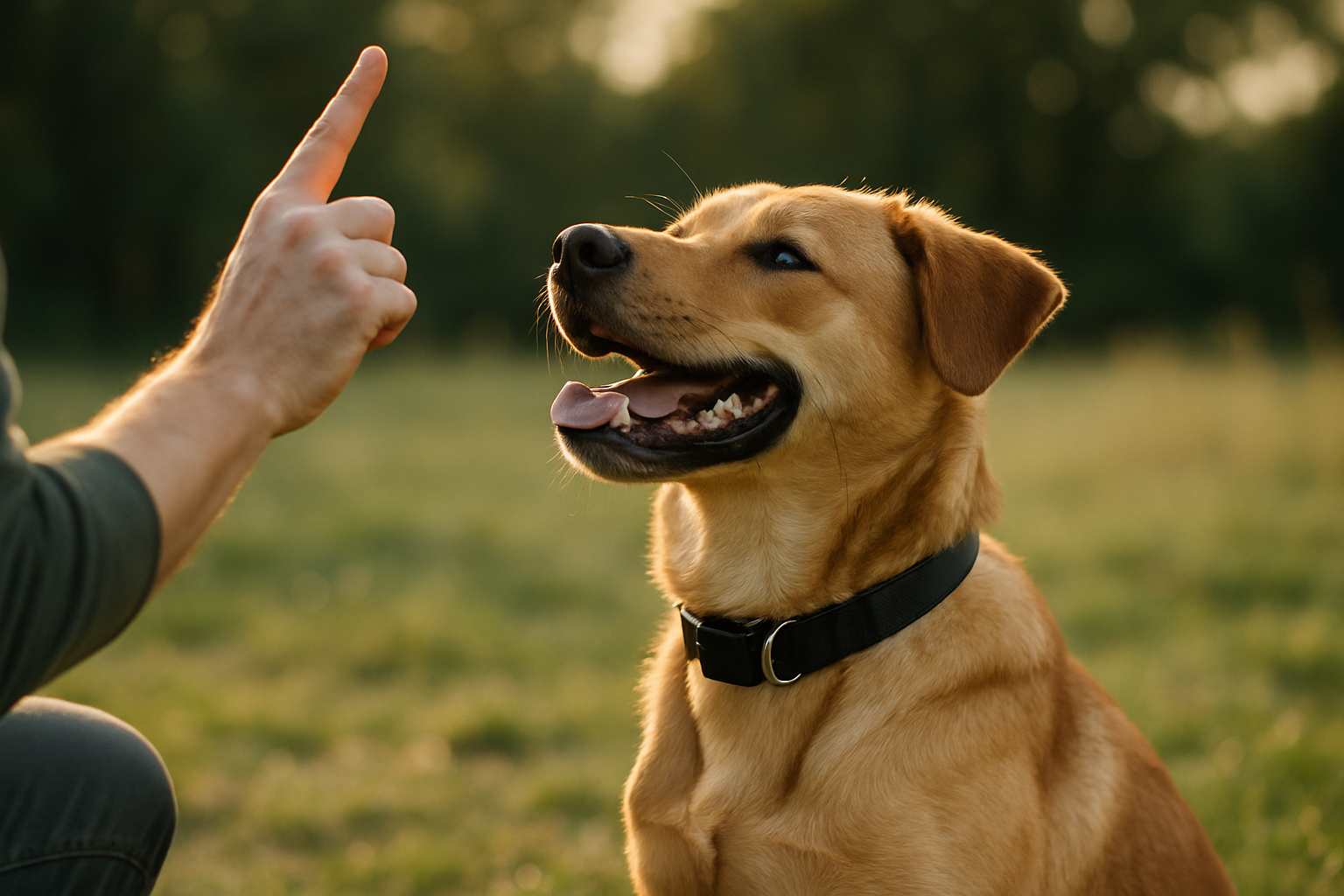
Stop Puppy Growling at Dogs: A Safe Desensitization & Counter-Conditioning Plan
You're at the dog park when your puppy locks eyes with another dog and lets out a low, rumbling growl. Your heart sinks. Is your puppy aggressive? Will they bite? Should you punish them?
Before you react, take a breath. That growl isn't a sign of aggression—it's your puppy's way of saying "I'm uncomfortable" or "I need space." [2] Understanding this distinction is the first step toward solving the problem safely and effectively.
Many well-meaning owners instinctively punish growling, believing it's the right approach. However, this strategy often backfires, suppressing the growl without addressing the underlying discomfort. Worse, it can eliminate your puppy's ability to warn you before escalating to a bite. [1] Instead, a thoughtful combination of desensitization and counter-conditioning can teach your puppy that other dogs are positive, not threatening.
Why Does Your Puppy Growl at Other Dogs?
Growling serves a critical function in canine communication. It's a distance-increasing behavior—your puppy's way of asking other dogs (and people) to back off. Understanding the root cause of your puppy's growling is essential before implementing any training plan.
Common triggers for puppy growling include:
- Fear or anxiety: Your puppy may feel threatened by larger dogs, unfamiliar dogs, or overwhelming social situations.
- Resource guarding: Growling while eating, playing with toys, or holding a treat is resource-based behavior.
- Lack of socialization: Puppies not exposed to other dogs during critical developmental windows may feel uncomfortable around them.
- Stress accumulation: Multiple stressors throughout the day (loud noises, changes in routine, household tension) can lower your puppy's threshold for growling. [1]
- Pain or illness: Sudden growling can indicate your puppy is experiencing discomfort. A veterinary check is important before assuming behavioral causes.
- Overstimulation: Puppies in high-energy play situations may growl when overwhelmed.
Identifying the specific trigger helps you tailor your training approach. Does your puppy growl at all dogs, or only certain types? During specific activities? In particular environments? Keeping a brief log of growling incidents—including what happened before, during, and after—reveals patterns that guide your training strategy.
Why Punishment Backfires
The instinct to punish growling is understandable but counterproductive. Here's what happens when you scold or correct a growling puppy:
The suppression problem: Punishment teaches your puppy to hide the growl, not to feel less uncomfortable around other dogs. You're essentially removing the warning signal without addressing the fear or discomfort underneath. [1] This creates a dangerous situation where your puppy may skip the growl and go directly to biting without warning.
The escalation problem: An uncomfortable puppy who is punished for expressing that discomfort may become more anxious, leading to escalated aggression. [1] Punishment adds another stressor to an already stressed puppy.
The trust problem: Harsh corrections damage your relationship with your puppy. Instead of learning to feel safe around other dogs, your puppy learns to feel unsafe around you when other dogs appear.
Rather than punishing, the goal is to change your puppy's emotional response to other dogs—from uncomfortable to confident or even happy.
Understanding Desensitization and Counter-Conditioning
These two techniques work together to create lasting behavior change. While similar, they serve different purposes:
Desensitization involves gradually exposing your puppy to the trigger (other dogs) at a low enough intensity that they don't react. Over time, repeated exposure at this safe level reduces the emotional response. Your puppy becomes less sensitive to the trigger.
Counter-conditioning pairs the trigger with something positive—usually treats or play—to create a new emotional association. Instead of "other dog = threat," your puppy learns "other dog = good things happen." [1]
Together, these techniques rewire your puppy's brain. The sight of another dog gradually shifts from "I'm uncomfortable" to "Something good is about to happen."
Your Step-by-Step Desensitization & Counter-Conditioning Plan
Step 1: Identify Your Puppy's Comfort Threshold
Before training begins, determine how far away another dog needs to be before your puppy stays calm. This distance varies by puppy. Some puppies growl at dogs across the street; others only react when within a few feet.
During a controlled observation (like a quiet walk in a low-traffic area), note the distance at which your puppy first shows signs of tension: ears perking up, stiffening, staring, or early growling. This is your starting distance—the point where your puppy notices the other dog but doesn't yet feel compelled to growl.
This threshold distance is your training baseline. You'll work at this distance until your puppy reliably shows calm behavior, then gradually decrease the distance.
Step 2: Gather High-Value Rewards
Counter-conditioning requires rewards that matter more to your puppy than the discomfort of seeing another dog. Generic kibble won't cut it.
Identify 2-3 high-value treats your puppy loves:
- Small pieces of chicken, cheese, or hot dog
- Specialized training treats (soft, smelly, quick to consume)
- A favorite toy or brief play session
Reserve these rewards exclusively for this training. Don't give them at other times. The novelty and exclusivity increase their value during training sessions.
Step 3: Create Controlled Training Scenarios
Real-world encounters are unpredictable. Start with controlled scenarios where you can manage variables:
- Enlist a helper: Ask a friend with a calm, friendly dog to assist. Their dog should be relaxed and non-confrontational.
- Choose a quiet location: A residential street, quiet park, or large backyard minimizes additional stressors. [1]
- Plan for success: Schedule training when your puppy is well-rested and not hungry. Avoid times when other stressors are present (thunderstorms, construction noise, etc.).
- Start at threshold distance: Position the helper's dog at the distance you identified in Step 1—far enough that your puppy notices but doesn't yet growl.
Step 4: Implement the Training Protocol
The actual training sequence is straightforward:
- Position yourself and your puppy at the predetermined threshold distance from the other dog. Your puppy should notice the other dog but remain calm.
- Before your puppy reacts, immediately begin offering treats. Deliver them frequently—every few seconds—while the other dog is visible.
- Pair the treats with positive language: "Yes! Good dog! Look at that friendly dog!" Create a positive emotional association with the sight of the other dog.
- If your puppy remains calm, continue the treat stream. This is success. Reward heavily.
- If your puppy shows early tension signs (staring, stiffening, ears forward), increase distance slightly and resume treating. You've moved too close; that's okay—adjust and continue.
- If your puppy growls, calmly increase distance until the growl stops, then resume treating at the new, farther distance. Don't scold or react emotionally.
- End on a positive note. After 5-10 minutes of successful calm behavior, move away from the other dog and end the session. Your puppy learns that calm behavior makes good things happen and the interaction ends positively.
Step 5: Gradually Decrease Distance
Only after your puppy consistently remains calm and focuses on you (looking at you for treats) at a given distance should you decrease the distance by a few feet.
This process takes time. You might spend several sessions at the same distance. That's not failure—that's progress. Your puppy's nervous system is slowly recalibrating.
Progression might look like:
- Session 1-3: 30 feet apart, puppy calm
- Session 4-6: 25 feet apart, puppy calm
- Session 7-9: 20 feet apart, puppy calm
- Session 10-12: 15 feet apart, puppy calm
- And so on, until dogs can pass each other closely without growling
Managing Stress to Lower the Growling Threshold
Stress is cumulative. Your puppy's reaction to other dogs isn't just about that moment—it's influenced by all the stressors they've experienced in the past few days. [1]
To set your training up for success, reduce overall stress:
- Maintain a consistent routine: Predictable schedules reduce anxiety.
- Ensure adequate exercise and sleep: A tired puppy is a calmer puppy. Aim for age-appropriate exercise (generally 5 minutes per month of age, twice daily).
- Minimize loud noises: Close windows during thunderstorms, avoid fireworks areas, and use white noise if construction is happening nearby.
- Limit social overwhelm: If your puppy is meeting new people constantly, scale back other novelty during training.
- Manage your own stress: Dogs are sensitive to human tension. [1] Stay calm during training sessions—your puppy picks up on your anxiety.
- Avoid fence fighting: If your puppy reacts intensely to dogs on the other side of a fence, manage the environment by closing blinds or training in a different area until your puppy is further along in the process.
Practical Tips for Success
Train multiple times per week: Consistency accelerates progress. Aim for 2-4 short training sessions weekly rather than one long session.
Keep sessions brief: 5-10 minutes is ideal. Short, positive sessions prevent frustration and fatigue.
Use a long leash for safety: A 15-20 foot long leash gives your puppy freedom to move while maintaining control. This prevents unwanted interactions during early training stages.
Avoid direct eye contact between dogs initially: Dogs staring at each other can escalate tension. Encourage your puppy to focus on you instead of the other dog.
Don't force interactions: Never hold your puppy still while another dog approaches, and don't push them into uncomfortable situations. [1] Let your puppy move away if needed, then resume training at a farther distance.
Celebrate small wins: A puppy who looks at another dog without growling is progress. A puppy who growls but then takes a treat is progress. Acknowledge these incremental improvements.
When to Seek Professional Help
If your puppy's growling is severe, escalating, accompanied by snapping or biting, or if you're unsure whether a bite is imminent, consult a qualified behavior professional. [1] Look for trainers certified through organizations like the Pet Professional Guild or CCPDT who use positive, science-based methods.
Additionally, if your puppy's growling began suddenly or is accompanied by other behavioral changes, a veterinary check is important to rule out pain or illness.
Key Takeaways
Puppy growling at other dogs is solvable with patience and the right approach. Remember:
- Growling is communication, not aggression. It's your puppy telling you they're uncomfortable.
- Punishment suppresses the warning signal without addressing the underlying discomfort—a dangerous outcome.
- Desensitization and counter-conditioning gradually change your puppy's emotional response from fear to confidence.
- Start at your puppy's comfort threshold and progress slowly, celebrating small improvements.
- Manage overall stress to lower your puppy's reactivity threshold.
- Consistency and patience yield results. Most puppies show significant improvement within 4-8 weeks of regular training.
Your puppy isn't broken, and you're not a bad owner. With this plan, you're teaching your puppy a new way to feel about other dogs—one treat, one calm moment, and one successful interaction at a time.