Stop Puppy Chewing Water Bowls: Safe Redirect & Training Plan
You've just refilled your puppy's water bowl, and within minutes, you hear that telltale crunching sound. Your pup is gnawing on the bowl itself, not drinking from it. If this scenario sounds familiar, you're not alone—puppy bowl chewing is one of the most common frustrations new dog owners face. The good news? It's entirely manageable with the right approach.
The key to solving this problem lies in understanding why your puppy is doing it, choosing the right bowl materials, and implementing a consistent training strategy. Let's break down everything you need to know.
Why Do Puppies Chew Water Bowls?
Before you can stop the behavior, it's essential to understand what's driving it. Puppy bowl chewing isn't random—it's usually a sign of something specific going on with your pup.
Teething Discomfort
The most common culprit in puppies is teething. Between 3 and 6 months of age, puppies experience significant dental development as their adult teeth push through. This process creates discomfort, and your puppy will seek out anything nearby to chew on for relief. [2] Water bowls, being accessible and often plastic, become convenient targets. The cool, smooth surface provides temporary comfort to sore gums.
Boredom and Lack of Stimulation
Puppies are naturally curious and energetic. If they're not getting enough physical exercise or mental enrichment, they'll create their own entertainment—and chewing on their water bowl fits the bill. [2] A bored puppy is a destructive puppy, and the water bowl becomes an easy target simply because it's there.
Anxiety or Stress
Changes in your puppy's environment—a new home, new family members, or separation from littermates—can trigger anxiety. Chewing becomes a self-soothing behavior, much like how humans might fidget or pace when nervous. [2] Your puppy may chew their water bowl as a way to cope with these feelings.
Nutritional Deficiencies
In some cases, unusual chewing behavior can indicate that your puppy isn't getting all the nutrients they need. [2] While less common in puppies on quality commercial diets, this is worth discussing with your veterinarian if other causes seem unlikely.
Medical Issues
Dental problems, gastrointestinal discomfort, or other health concerns can manifest as excessive chewing. [2] If your puppy suddenly starts chewing their bowl or the behavior is accompanied by other signs like drooling, difficulty eating, or digestive upset, a vet visit is warranted.
The Problem With Plastic Bowls: Why Material Matters
Here's something many puppy owners don't realize: the type of bowl you choose directly impacts both the chewing problem and your puppy's health.
Plastic bowls are particularly problematic for multiple reasons. First, they're soft and easy to chew, making them an appealing target for teething puppies. Second, and more importantly, plastic bowls pose health risks. Studies have shown that polycarbonate plastics can leach bisphenol A (BPA), a chemical that disrupts hormone systems. Phthalates, used to soften plastic, have been linked to nerve and hormone damage. [1] Additionally, plastic bowls are porous and difficult to clean thoroughly, allowing bacteria to accumulate in microscopic scratches.
When left unwashed, plastic water bowls become breeding grounds for biofilm—a sticky, slimy layer of bacteria that forms within 24 hours. [3] This biofilm can contain dangerous pathogens like Salmonella, Listeria, E. coli, and Legionella, which can cause serious infections in puppies with developing immune systems. [3]
Choosing the Right Bowl Material
The best solution starts with selecting a safer, more durable bowl material. Two options stand out:
Stainless Steel Bowls
Stainless steel is the gold standard for dog bowls. It's non-porous, non-toxic, and won't leach harmful chemicals into your puppy's water. [1] More importantly for your chewing problem, stainless steel is extremely difficult for puppies to damage. Even aggressive chewers will have trouble making a dent in a quality stainless steel bowl. The material is also incredibly easy to clean—a quick wash with hot water and soap, followed by air-drying, keeps it hygienic. [1]
Pro tip: Invest in at least two stainless steel bowls so you can rotate them while one air-dries. This ensures your puppy always has access to a clean bowl while you maintain proper hygiene standards.
Glass Bowls
Glass is another safe, inert option that won't leach chemicals. [1] However, glass is breakable, which poses a safety risk if your puppy manages to crack or shatter it. For this reason, stainless steel is generally the better choice for puppies prone to chewing.
A Step-by-Step Training Plan to Redirect Bowl Chewing
Once you've switched to a safer bowl material, it's time to address the behavior itself. Here's a practical training approach:
Step 1: Identify the Trigger
Spend a few days observing when your puppy chews their water bowl. Is it always at certain times? After play? When left alone? When they're tired? Identifying the pattern helps you intervene at the right moment.
Step 2: Provide Appropriate Chew Alternatives
Stock your home with puppy-safe chew toys designed specifically for teething. Look for toys that are:
- Soft and textured (like rubber teething rings)
- Designed to be frozen (cold relieves sore gums)
- Durable enough to withstand vigorous chewing
- Appropriately sized for your puppy's mouth
- Varied in texture to maintain interest
[2] Rotate these toys regularly to keep your puppy engaged and prevent boredom-related chewing.
Step 3: Redirect When You Catch It
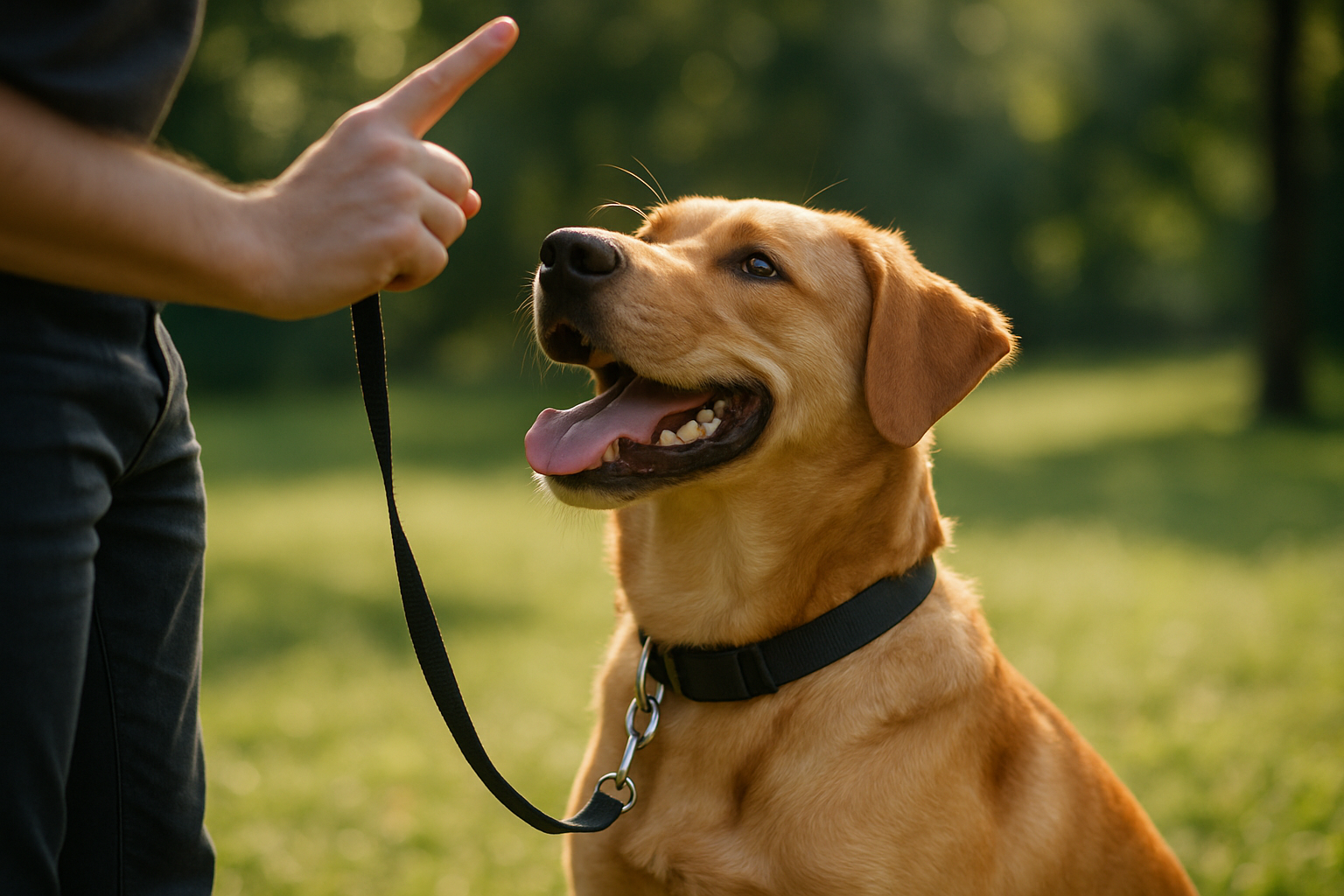
Supervision is crucial. When you see your puppy starting to chew their water bowl, calmly interrupt the behavior and immediately offer an appropriate chew toy instead. [2] Use an enthusiastic tone to make the toy more appealing than the bowl. Praise and reward your puppy when they choose the toy over the bowl.
Step 4: Manage the Environment
Temporarily remove the water bowl when you can't supervise your puppy. Offer water during scheduled times throughout the day rather than leaving it out constantly. This reduces the opportunity for the chewing behavior to occur and reinforces that water access is on your terms.
As your puppy progresses, gradually extend the time the bowl is available while continuing to redirect chewing toward appropriate toys.
Step 5: Increase Exercise and Mental Stimulation
A tired puppy is a well-behaved puppy. [2] Ensure your pup is getting:
- Multiple play sessions throughout the day
- Age-appropriate exercise (avoid overexertion in young puppies)
- Interactive toys that engage their mind
- Training sessions that provide mental challenges
- Socialization opportunities with other puppies and people
A puppy that's adequately stimulated is far less likely to resort to destructive behaviors.
Step 6: Address Anxiety if Present
If you suspect anxiety is driving the behavior, create a calm, secure environment for your puppy. [2] This might include:
- A designated safe space or crate
- Calming music or white noise
- Consistent routines to reduce uncertainty
- Gradual desensitization to triggers (like being left alone)
Step 7: Be Consistent and Patient
Breaking any puppy habit takes time and consistency. Everyone in your household must respond to the behavior the same way. Inconsistency will only confuse your puppy and slow progress. Most puppies show significant improvement within 2-4 weeks of consistent redirection.
Hygiene: The Often-Overlooked Factor
While you're working on training, don't overlook the importance of bowl cleanliness. Even if your puppy stops chewing, maintaining proper hygiene prevents health issues.
Here's what you should do:
- Clean water bowls daily: Biofilm can form within 24 hours, even in clean-looking bowls. [3]
- Scrub thoroughly: Use hot water and dish soap, scrubbing all surfaces to remove biofilm buildup. [3]
- Air-dry completely: Wet bowls can harbor bacteria. Allow bowls to air-dry fully before refilling. [1]
- Rotate multiple bowls: Having 2-3 bowls allows one to dry while another is in use. [1]
- Watch for visible film: If you see a slimy coating or discoloration, your cleaning routine needs to be more frequent. [3]
This is especially important because water bowls have been identified as one of the most contaminated items in a household, capable of harboring bacteria that can affect both your puppy and your family. [3]
When to Seek Professional Help
If your puppy's chewing behavior persists despite your training efforts, or if it's accompanied by other concerning signs, professional guidance is warranted. [2] A veterinarian can rule out medical issues, nutritional deficiencies, or dental problems. A certified dog trainer or behaviorist can assess whether anxiety or other behavioral factors are at play and provide customized strategies.
Early intervention prevents habits from becoming deeply ingrained, so don't hesitate to reach out if you need support.
Key Takeaways
Puppy bowl chewing is frustrating, but it's also completely solvable. Here's your action plan:
- Switch to stainless steel bowls immediately. They're safer, more durable, and less appealing to chew than plastic alternatives.
- Understand the root cause. Is it teething, boredom, anxiety, or something medical? Identify the trigger to address it effectively.
- Provide appropriate alternatives. Stock your home with puppy-safe chew toys and rotate them regularly.
- Supervise and redirect. Catch the behavior early and guide your puppy toward appropriate choices.
- Increase stimulation. Exercise and mental enrichment reduce the motivation to chew inappropriately.
- Maintain hygiene standards. Clean water bowls daily to prevent bacterial growth and protect your puppy's health.
- Be consistent. Training takes time, but consistency pays off.
Your puppy's bowl-chewing days are numbered. With the right bowl, the right approach, and a little patience, you'll soon have a pup that respects their water bowl and enjoys their designated chew toys instead.