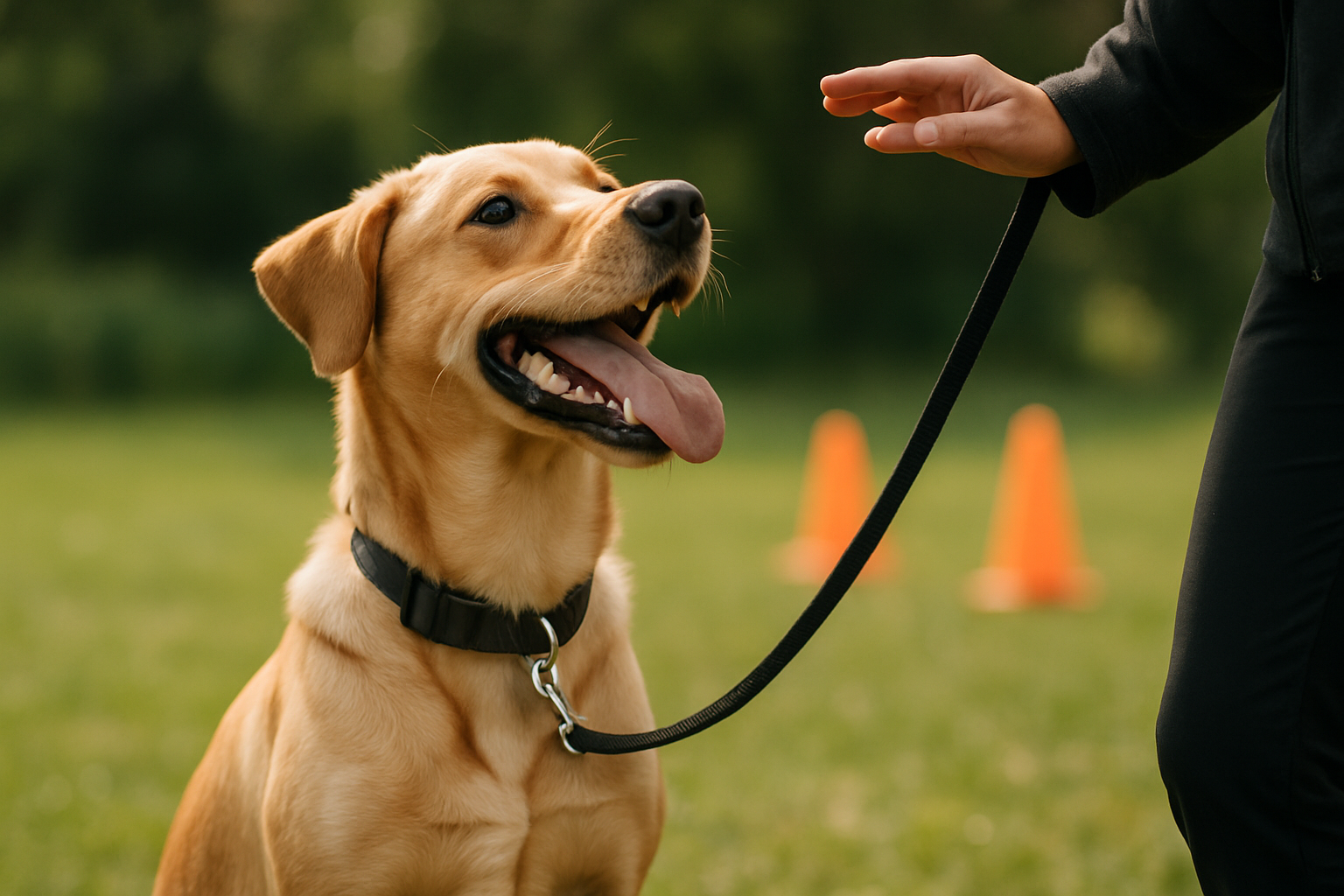
Understanding What Your Puppy's Growl Really Means
That low rumble coming from your puppy when a stranger approaches can feel alarming, but it's important to understand what's actually happening. Your puppy isn't being aggressive; they're communicating discomfort. [1] When puppies growl, they're essentially saying "I feel uncomfortable" or "I disagree with what's happening." This distinction is crucial because how you respond will determine whether the behavior improves or escalates.
Many well-meaning owners mistakenly interpret puppy growling as a sign of aggression and respond with punishment. However, this approach often backfires. [3] Punishing a growling puppy through yelling, physical correction, or other aversive methods actually increases their fear and anxiety rather than resolving the underlying issue. Your puppy is already uncomfortable—adding fear on top of that discomfort only makes the situation worse.
Understanding the root cause of your puppy's growling is the first step toward addressing it effectively. Most commonly, puppies growl at people because they're experiencing fear or anxiety about unfamiliar humans. [4] This defensive fear-related behavior is particularly common in puppies who were naturally shy as younger dogs, and it often emerges or intensifies during adolescence, typically between 8 and 18 months of age.
Why Your Puppy Growls at People: Common Triggers
Puppy growling isn't random—it's triggered by specific situations that make your young dog feel unsafe or uncomfortable. Identifying these triggers is essential for designing an effective training plan.
- Unfamiliar faces: New people represent the unknown, which naturally creates caution in some puppies. Without proper socialization, this caution can develop into defensive growling.
- Sudden approaches: When strangers approach quickly or without warning, your puppy may feel cornered and resort to growling as a way to create distance.
- Leash restraint: [4] Puppies on leashes who feel trapped may growl more intensely because they can't retreat—their escape option is removed. This defensive behavior becomes their only tool to communicate "stay away."
- Physical touch: Many puppies growl when strangers reach down to pet them, especially if the touch is unexpected or the puppy hasn't given permission.
- Proximity to resources: [3] Some puppies growl when people approach them while they're lying in a favorite spot or near high-value toys or food items.
- Loud voices or sudden movements: Unpredictable human behavior can trigger defensive responses in sensitive puppies.
The Problem with Punishment: Why It Makes Things Worse
Before diving into solutions, it's critical to understand why common punishment-based approaches fail. [3] When you yell at, physically correct, or use aversive tools on a growling puppy, you're not teaching them to like people—you're teaching them that people are even scarier than they already thought. Your puppy's brain now has a new association: strangers = scary things happen to me.
This creates a dangerous escalation cycle. [4] When a puppy growls and nobody respects that warning, the puppy learns that growling alone isn't effective. The next time, they might skip the growl and go straight to lunging or snapping. Punishment has essentially removed their "polite" warning system, leaving aggression as their only option.
Additionally, punishment damages your relationship with your puppy. They learn not to trust you, especially when strangers are around. This undermines your ability to help them feel safe and secure during the desensitization process.
The Calm Desensitization Plan: Step-by-Step
Desensitization works by gradually and carefully exposing your puppy to the thing they fear (in this case, approaching people) while pairing those encounters with positive experiences. The goal is to change your puppy's emotional response from "strangers are scary" to "strangers mean good things happen."
Step 1: Identify Your Puppy's Comfort Zone
Before you begin formal training, observe your puppy carefully to determine at what distance they remain calm around strangers. This might be 20 feet away, 50 feet away, or even further. [2] The key is finding the distance where your puppy can see a person without growling or showing signs of stress like stiff body posture, raised hackles, or intense staring.
At this distance, your puppy should be able to:
- Maintain soft, relaxed body language
- Look at you when asked
- Take treats from your hand
- Show interest in toys or play
Step 2: Build Positive Associations at a Safe Distance
Once you've identified your puppy's comfort zone, practice having people present at that distance while you reward your puppy for calm behavior. [2] You're not asking your puppy to interact with the person yet—simply to exist peacefully in their presence.
Here's what this looks like in practice:
- Ask a friend or family member to stand at your puppy's comfort distance
- Have high-value treats ready (small pieces of chicken, cheese, or special training treats)
- Reward your puppy generously for relaxed behavior: soft eyes, neutral tail position, and calm demeanor
- If your puppy shows any signs of stress, increase the distance slightly
- Practice this for short sessions (5-10 minutes) several times per week
The goal is for your puppy to think: "When I see that person, my owner gives me treats and good things happen."
Step 3: Teach the "Look at Me" Command
[3] One of the most powerful tools in your desensitization toolkit is teaching your puppy to focus on you when they feel uncomfortable. This redirects their attention away from the perceived threat and reinforces your role as their safe anchor.
To teach "look" or "watch me":
- Hold a treat close to your eyes
- Say "look" or "watch me" in a cheerful voice
- The moment your puppy makes eye contact, mark it with "yes!" or a clicker if you use one
- Immediately reward with the treat
- Practice this in low-distraction environments first
- Gradually practice with people present at a distance
Once your puppy reliably knows this command, you can use it proactively when you see a stranger approaching on a walk or during an encounter.
Step 4: Gradually Decrease Distance
After your puppy is consistently calm and responsive to treats at their initial comfort distance, you can very slowly decrease the distance between your puppy and the person. The key word here is slowly. [2] This isn't a race.
The process might look like:
- Week 1-2: Person stands 30 feet away while you reward calm behavior
- Week 3-4: Person moves to 20 feet away
- Week 5-6: Person moves to 10 feet away
- Week 7-8: Person moves to 5 feet away
- And so on, always watching for signs of stress
If your puppy shows any growling, stiffening, or stress signals, you've moved too fast. Go back to the previous distance and spend more time there before progressing.
Step 5: Vary Your Helpers and Environments
Once your puppy is making progress with one person, practice with different people in different environments. A puppy who's calm with your friend Sarah in your backyard might still react fearfully to a stranger at the park. Generalization takes time and repetition across multiple contexts.
Practice desensitization in:
- Your home and yard
- Quiet neighborhood streets
- Parks during less busy times
- Pet-friendly stores
- Outdoor café seating areas
Step 6: Manage the Environment During Training
While you're working through desensitization, you need to actively manage situations where your puppy might encounter strangers unexpectedly. [3] This isn't failing at training—it's being a responsible owner and preventing your puppy from practicing the unwanted behavior.
Environmental management strategies include:
- Walking during quieter times of day to avoid surprise encounters
- Creating more distance when you see someone approaching on a walk
- Using a "do not pet" vest or sign if your puppy wears one
- Asking visitors to your home to ignore your puppy initially
- Keeping your puppy in a separate room when guests arrive until they're calm
What to Do When Your Puppy Growls: In-the-Moment Response
Despite your best efforts at prevention, there will be moments when your puppy growls at someone. Here's how to respond:
- Stay calm: Your puppy will pick up on your anxiety or frustration. Take a deep breath and remain neutral.
- Redirect attention: [3] Use a neutral sound like a quick whistle, finger snap, or light clap to interrupt the behavior. Avoid loud, startling noises that might increase your puppy's fear.
- Ask for a command: Once you have your puppy's attention, ask them to perform a known command like "sit" or "look."
- Reward immediately: The moment your puppy complies, offer a high-value treat and praise.
- Create distance: Move away from the person or ask them to move away. Your puppy needs to learn that creating space is an option.
- Never punish: Do not yell at, hit, or physically correct your puppy for growling.
Building Long-Term Success: Maintenance and Prevention
Desensitization isn't a one-time project—it requires ongoing practice and maintenance. Even after your puppy shows improvement, continue regular exposure to people in positive contexts.
- Maintain regular practice: Schedule weekly or bi-weekly desensitization sessions with different people
- Vary scenarios: Practice in different locations and with people of different ages, sizes, and appearances
- Continue positive reinforcement: Always reward calm, friendly behavior around people
- Provide proper socialization: Ensure your puppy has age-appropriate positive experiences with people throughout their life
- Exercise and mental stimulation: A tired puppy is often a calmer puppy. Provide adequate physical activity and enrichment
When to Seek Professional Help
Desensitization is a slow, methodical process that requires patience and consistency. If your puppy's growling has escalated to lunging, snapping, or biting, or if you feel unsafe working with your puppy, consult a certified professional dog trainer or veterinary behaviorist. They can assess your specific situation and provide personalized guidance tailored to your puppy's needs.
Key Takeaways
Puppy growling at people is a communication signal, not aggression. Your puppy is telling you they feel uncomfortable, and your job is to help them feel safer and more confident around humans. The calm desensitization plan—identifying comfort zones, building positive associations, teaching focus commands, gradually decreasing distance, and managing the environment—gives you a roadmap for success. Remember that this process takes time, consistency, and patience. By avoiding punishment-based approaches and instead using positive reinforcement, you're not just addressing the growling behavior; you're building trust and confidence that will benefit your puppy throughout their life. Start today, stay consistent, and celebrate small wins along the way.