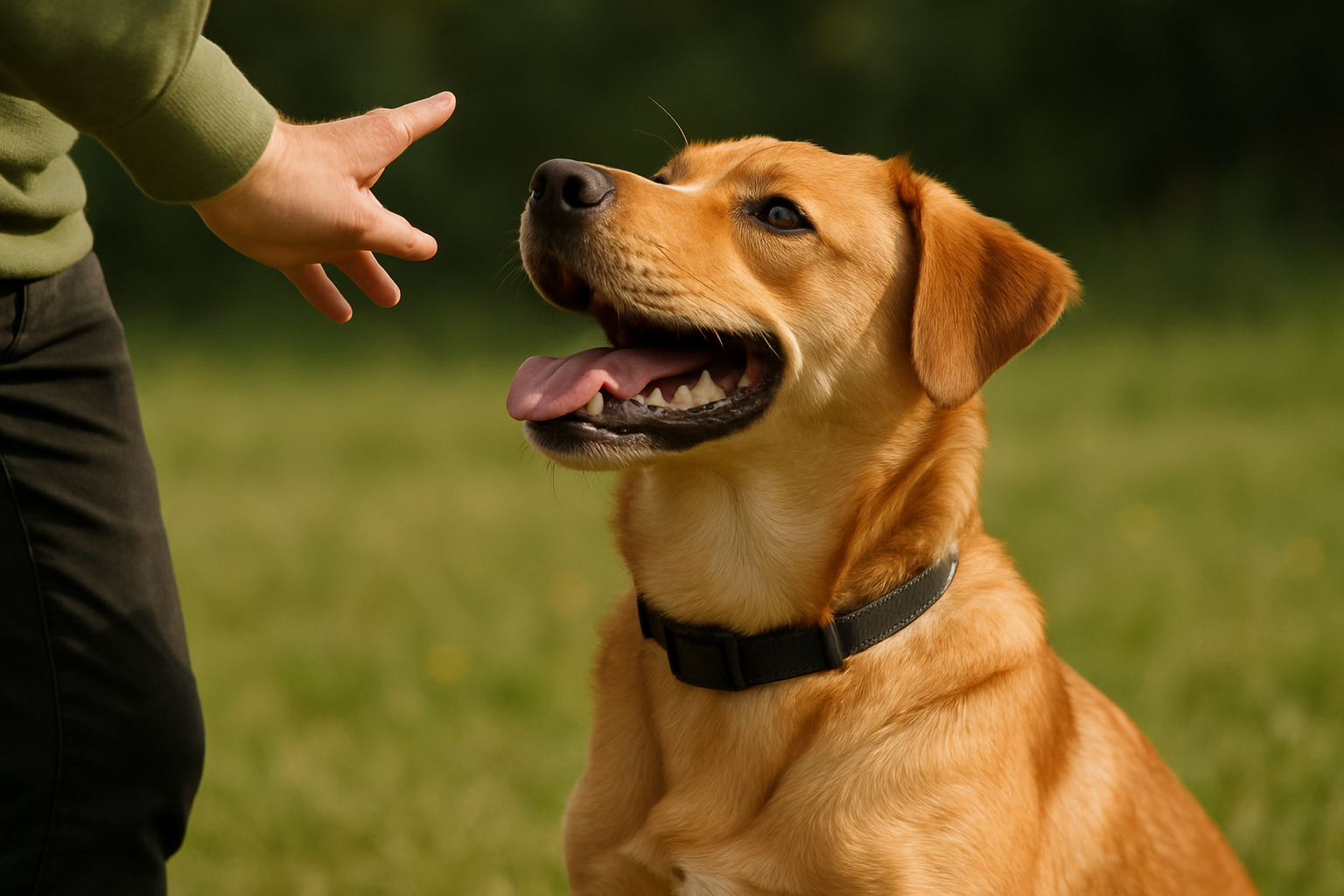
Stop Puppy Biting While Playing: Redirect & Build Bite Inhibition
If you're reading this with Band-Aids on your fingers or fresh bite marks on your ankles, you're not alone. Puppy biting during play is one of the most common frustrations new dog owners face. Your adorable furball seems to transform into a tiny land shark the moment playtime begins, and you're left wondering if this behavior is normal—or a sign of something more serious.
The good news? Puppy biting during play is completely normal developmental behavior, and with consistent, patient training, it's entirely manageable. Better still, the work you do now to teach bite inhibition will benefit your dog throughout their entire life, potentially preventing serious incidents down the road.
Why Puppies Bite During Play (And Why It Matters)
Understanding why your puppy bites is the first step toward addressing the behavior effectively. Puppies don't bite out of malice or dominance—they bite because their mouths are their primary tool for exploring the world. [2]
When puppies interact with their littermates, they learn a critical skill through natural feedback: how hard they can bite without losing a playmate. If one puppy bites too hard, the other yelps and stops playing. Over time, puppies learn to soften their bite to keep the game going. [4] This natural learning process is called bite inhibition, and it's essential for all dogs to develop.
In your home, you're now the playmate, and your puppy is trying to engage you in the same way they would engage littermates. Additionally, several factors can intensify biting behavior:
- Teething: Adult teeth begin growing around 12-16 weeks of age, and puppy gums become sore. Biting peaks around week 13 as puppies seek relief. [2]
- Excess energy: A puppy with pent-up physical or mental energy is more likely to bite and mouth. [5]
- Overstimulation: A puppy who is zooming, barking, and grabbing pant legs is often overwhelmed rather than being deliberately naughty. [5]
- Fatigue: Ironically, an overtired puppy bites more frequently. They lose impulse control when they need rest. [1]
- Boredom: Without appropriate chew toys and mental stimulation, your puppy will use your hands and furniture as outlets. [5]
The critical insight from veterinary behaviorists is this: teaching bite inhibition now—when your puppy has baby teeth—is an investment in safety. If your puppy ever experiences pain, fear, or surprise later in life and instinctively bites, they'll have already learned that their mouth should be gentle. [1]
The Redirection Method: The Foundation of Bite Training
Redirection is the cornerstone of stopping play biting. Rather than punishing the behavior, you're teaching your puppy what is acceptable to bite. This positive approach is far more effective than corrections and won't create fear or confusion. [5]
Step-by-Step Redirection Process
1. Keep toys within arm's reach at all times.
Store chew toys in every room where your puppy spends time. A variety of textures and types works best: soft toys, rubber chews, tug toys, and food-stuffed toys. When your puppy begins to mouth your hands, sleeves, or ankles during play, you're ready to redirect immediately. [5]
2. Offer the toy calmly and make it irresistible.
The moment you notice biting behavior, present a toy in a calm, matter-of-fact manner. Don't make a big fuss or yell—this can actually excite some puppies more and increase biting. Instead, move the toy in a way that captures your puppy's interest. Make the toy the fun target, not your skin. [5]
3. Praise and reward the moment they engage with the toy.
The instant your puppy grabs the toy instead of your hand, offer enthusiastic praise and continue playing with the toy. This teaches a clear lesson: toys equal fun and attention; skin does not. [5]
Example scenario: Your puppy starts nibbling your fingers while you sit on the couch. Instead of pulling your hand away (which feels like play), you calmly offer a rubber chew toy. Your puppy switches focus to the toy. You say "Yes! Good job!" and gently toss the toy for them to chase. The biting stops, and your puppy learns that toys are the way to engage you in play.
Teaching Bite Inhibition: The Levels System
While redirection teaches your puppy what to bite, bite inhibition training teaches them how to bite—meaning, how gently. This is done by allowing some mouthing while gradually reducing the force. [4]
Experts recommend using a bite intensity scale to track progress. Here's how to implement it:
- Level 1-2: Barely-there mouthing. Teeth touch skin with almost no pressure. This is acceptable.
- Level 3: Noticeable but tolerable pressure. Still acceptable at this stage.
- Level 4: Pressure that causes discomfort or minor marks. Time to respond with a consequence.
- Level 5: Hard biting that breaks skin or causes bleeding. Immediate timeout required. [4]
How to use the scale:
For the first week of training, allow your puppy to mouth you at levels 1-3. When they reach level 4 or higher, immediately stop play and give a timeout. Place them in their crate or a quiet space for a few minutes to calm down. [4] The following week, lower the threshold: now level 3 or above triggers a timeout. Continue this process each week, gradually reducing acceptable bite intensity until your puppy consistently delivers only level 1 bites.
This method works because it gives your puppy clear, consistent feedback about what's too hard—just as littermates would naturally provide. [4]
When Biting Continues: The Timeout & Play Pause Strategy
Redirection works wonderfully when your puppy is willing to accept a toy. But what happens when they ignore the toy and keep biting? This is where the play pause comes in.
The immediate response:
The moment your puppy bites skin during play, playtime ends—with no exceptions. [1] This is critical. Your puppy needs to learn that biting has a direct consequence: the fun stops.
- Stop moving and go still
- Withdraw attention completely
- Pause for about 5 seconds
- Resume play only when your puppy is calmer
If biting starts again, repeat the pause. If your puppy cannot re-engage without biting, guide them to a crate, pen, or gated area with a chew toy for a brief calm-down break. [5] This is management, not punishment—you're simply removing the opportunity to bite and giving them space to settle.
A note on verbal responses:
Some trainers recommend a high-pitched "Ow!" sound to mimic how littermates respond to hard bites. However, this doesn't work for all puppies. For some, any vocalization—even a cry of pain—is interpreted as play and actually increases biting excitement. [1] If your puppy gets more wound up when you yelp, skip the verbal response and rely on quiet attention withdrawal instead. [1]
Yelling or scolding is counterproductive. It teaches your puppy that biting gets a response from you, which can actually reward the behavior. Additionally, harsh corrections can make puppies fearful of being handled. [1]
Managing the Teething & Energy Crisis
Biting often spikes during specific times of day or under specific conditions. Identifying these triggers helps you prevent problems before they start.
The Evening Zoomies
Many puppies experience a burst of chaotic energy in the evening, often accompanied by biting, pouncing, and grabbing clothes. Before your puppy reaches this state, intervene proactively: [5]
- Leash them indoors to limit running and jumping
- Use baby gates to confine them to a puppy-safe area
- Guide them to a quiet space before they become over-aroused
- Offer a food-stuffed toy or long-lasting chew to redirect energy
The Teething Phase
During teething (roughly 12-16 weeks and beyond), your puppy's gums are sore, and they need appropriate outlets for chewing. [2] Provide teething-friendly toys made with softer plastic that won't hurt baby teeth or incoming adult teeth. Rotate toys to keep them interesting, and supervise all toy play to ensure your puppy doesn't chew off and swallow small pieces.
The Overtired Puppy
This is one of the most overlooked factors. A puppy who hasn't slept enough is a puppy who bites more. [1] If your puppy is biting excessively despite redirection and play pauses, they likely need rest. Place them in their crate with a comfort toy and allow undisturbed sleep. Many parents are surprised how quickly biting behavior improves after a nap. [1]
Preventing Biting: Proactive Strategies
The best approach to stopping play biting is preventing it in the first place. These strategies reduce the likelihood of biting episodes:
Establish a Predictable Routine
Puppies thrive on structure. A routine that includes scheduled sleep, potty breaks, training sessions, sniff walks, meals, and appropriate play helps fulfill their physical and mental needs. [5] A puppy whose needs are consistently met is far less likely to resort to biting as an outlet.
Redirect Specific Triggers
If your puppy bites your feet as you walk, keep high-value treats at knee level and reward them for walking calmly next to you or focusing on a toy instead. [5] If they bite during petting, pause petting sooner and reward calm stillness. Work on one trigger at a time so your puppy can succeed.
Use Toys as Interaction Tools
When your puppy jumps or pounces on your legs during play, offer a toy instead of using your hands as playthings. Never encourage your puppy to chase your hands, toes, or clothing sleeves—this blurs the line between acceptable and unacceptable biting targets. [5] Keep the rule simple: toys are for biting; skin is not.
Teach Calm Behavior
Practice calm skills during non-biting moments. Ask your puppy to sit before petting, before meals, before toys, and before going outside. During gentle play, quietly use a cue like "easy" and reward soft-mouth behavior with treats, praise, or continued play. Puppies learn faster when calm behavior reliably earns good things. [5]
Avoid Mixed Messages
Consistency from all family members is essential. If one person allows the puppy to nibble because it seems cute, but another person punishes it, your puppy becomes confused. Everyone in the household must follow the same rules. [4]
Special Considerations for Families with Children
Children and puppies require careful supervision. A child's natural reaction to being nipped—pulling away, squealing, running—is often interpreted by the puppy as play, which escalates biting. [4]
Teach children to:
- Stay still and quiet if the puppy nips (no running or shrieking)
- Offer a toy instead of their hands for play
- Avoid chasing games that encourage the puppy to chase and bite
- Pet the puppy gently and briefly, then stop before the puppy gets excited
When a child wants to pet the puppy, have them offer a chew toy with one hand while petting with the other. This keeps the puppy's mouth busy and teaches that petting is wonderful. [4]
Dogs should never be left unsupervised with children, regardless of training progress. [4]
When to Seek Professional Help
Most puppies improve significantly within 2-6 weeks of consistent training, with continued maturation over several months. [5] However, certain situations warrant professional guidance:
- Your puppy's biting hasn't improved by 6 months of age [1]
- The biting feels intense, scary, or is escalating despite your efforts
- Your puppy bites suddenly or with unusual intensity
- Biting is paired with signs of pain, illness, or distress [5]
- You feel frustrated or overwhelmed by the behavior
A certified positive-reinforcement trainer, certified behavior consultant, applied animal behaviorist, or veterinary behaviorist can provide personalized guidance. Your veterinarian can also rule out medical contributors like teething pain, gastrointestinal upset, or handling sensitivity that might be driving increased biting. [5]
What NOT to Do
Certain approaches may feel intuitive but actually backfire and can worsen behavior:
- Hitting the muzzle or holding the mouth shut: These physical corrections can increase fear, frustration, and defensive behavior. [5]
- Yelling or scolding: Punishment teaches your puppy to suppress behavior or escalate it, and can create fear of being handled. [1]
- Squeezing the paws: This doesn't teach what you want; it only teaches avoidance or fear. [4]
- Using hands as toys: Wrestling with bare hands, encouraging sleeve chasing, or allowing nibbling "because it's cute" sends mixed messages. [5]
- Waiting too long: The longer biting behavior is rehearsed, the harder it is to undo. Early intervention is far easier. [5]
Key Takeaways: Your Action Plan
Stopping puppy biting while playing is absolutely achievable with patience, consistency, and the right approach. Here's your action plan:
- Start immediately: Every day of inconsistent responses teaches your puppy mixed messages.
- Stock toys everywhere: Have appropriate chew toys in every room so redirection is always possible.
- Redirect before correcting: Offer a toy the moment you see biting behavior. Make the toy irresistible.
- Use play pauses: When your puppy bites skin, stop play and withdraw attention. Resume only when calm.
- Teach bite inhibition: Allow some gentle mouthing while gradually reducing acceptable bite pressure.
- Manage energy and sleep: Ensure your puppy has adequate exercise, mental stimulation, and rest.
- Be consistent: All family members must follow the same rules without exception.
- Reward calm behavior: Catch your puppy being good and reinforce quiet, gentle interactions.
- Seek help early: If progress stalls or behavior intensifies, contact a qualified professional.
Remember: play biting does not mean your puppy is vicious or destined to be aggressive. [1] It's a normal part of development, and the work you do now to teach gentle mouth control is an investment in a well-behaved, trustworthy adult dog. With patience and the right techniques, your puppy will learn to play safely—and those sharp little teeth will become far less of a problem.