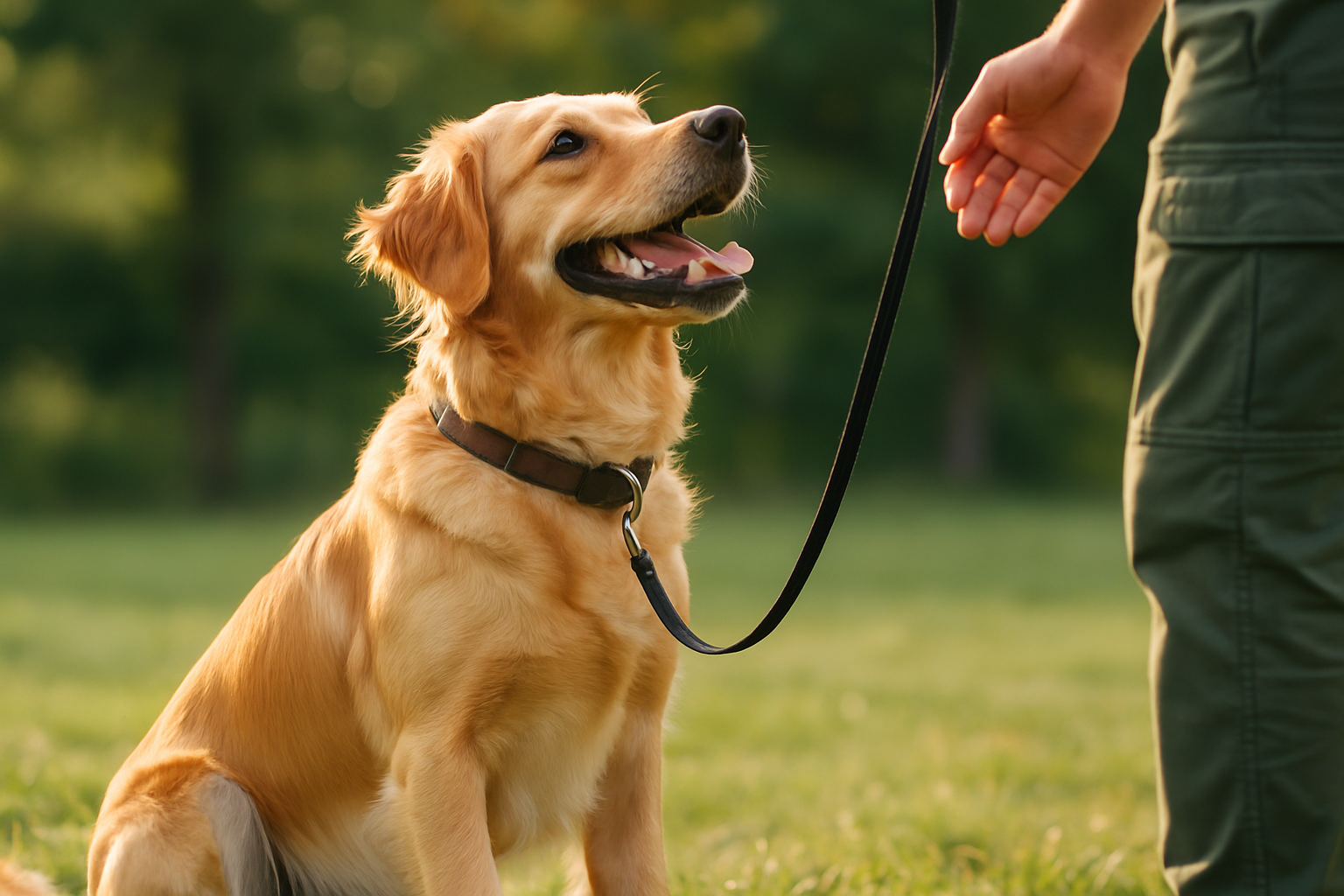
Understanding Normal Puppy Mouthing and Play Biting
One of the most common concerns new puppy owners face is distinguishing between playful mouthing and genuine aggression. Those needle-sharp teeth landing on your hands, ankles, and sleeves can feel alarming, but biting and mouthing are completely normal developmental stages in young dogs. [5] Puppies explore their world primarily through their mouths, much like human toddlers use their hands. They're gathering information about textures, tastes, and how their environment responds to their actions.
The key distinction lies not in whether your puppy is using their teeth, but in their intent, body language, and the context surrounding the behavior. A puppy that's play biting is engaging in natural canine communication and learning, while a puppy showing true aggression is driven by fear, pain, or a desire to cause harm.
Key Differences: Body Language Tells the Story
The most reliable way to assess your puppy's behavior is through their body language. When observing your puppy during mouthing episodes, look for these telltale signs:
Signs of Playful Mouthing
- Soft facial expression: Their face appears relaxed, not tense or pinched [1]
- Open mouth play: Mouth is open with tongue visible or hanging out [1]
- Animated eyes and ears: Alert but playful expression, not hard staring or pinned-back ears [1]
- Bouncy body posture: Play bowing, bouncing on all four paws, and wiggling throughout their body [1]
- Pauses in interaction: They back off periodically, allowing the interaction to reset
- Invitation to continue: They return for more play after brief breaks, showing the behavior is mutually enjoyable
- Varied intensity: Mouthing pressure changes—not consistently hard or forceful
Signs of True Aggression
- Stiff body posture: Rigid, tense muscles throughout the body
- Hard stare: Fixed, intense eye contact without blinking
- Raised hackles: Hair standing up along the spine and neck
- Consistent growling: Continuous or frequent growling, not playful vocalizations [4]
- Snapping or biting intent: Attempts to snap or bite with purpose, not exploration [4]
- No pauses: Relentless escalation without breaks or de-escalation
- Predictable triggers: Aggression occurs in specific situations (resource guarding, fear responses, pain-related)
- Sudden onset: Particularly if there's been a recent change in behavior or a specific trigger
Why Puppies Mouth: Understanding the Root Causes
Play biting serves multiple developmental and communicative functions. Understanding why your puppy mouths helps you respond appropriately:
Natural Play and Predatory Practice
Stalking, chasing, grabbing, and biting are normal canine play behaviors. [5] Puppies lacking adequate enrichment and social outlets often direct this energy toward the nearest moving target—usually your hands or feet. Puppies separated early from littermates miss crucial practice in bite inhibition, the ability to control the force of their bite. [5]
Teething Discomfort
Between three and seven months, baby teeth fall out as permanent teeth erupt. [5] Sore gums drive puppies to chew and mouth objects to relieve pain and discomfort. If you notice increased mouthing during this period, providing appropriate chew toys can help.
Exploration and Learning
Puppies use their mouths as information-gathering tools, experimenting with textures, tastes, and how objects (including people) respond to pressure. [5] This is developmentally appropriate and doesn't indicate aggression.
Attention-Seeking Behavior
One of the most common drivers of persistent mouthing is inadvertent reinforcement through attention. [2] When you scold, push away, or engage intensely with a mouthing puppy, you're providing attention—and attention is rewarding, even if it's negative. Your puppy learns that mouthing reliably gets you to interact with them.
Overstimulation and Fatigue
Like human toddlers, puppies need significant sleep and rest. [5] A sleep-deprived puppy becomes increasingly frenzied, with escalating play, mouthing, and the infamous "zoomies." If your puppy's biting intensifies during certain times of day, they likely need more nap time rather than correction.
Communication and Boundary-Setting
A puppy that's overstimulated or finished with play may use their mouth to signal "I need space." [5] Respecting these earlier signals—stiffening, freezing, or attempts to move away—prevents escalation and teaches your puppy that their communication is heard.
When to Suspect True Aggression
While most puppy mouthing is normal, certain situations warrant professional evaluation. True aggression in dogs is defined by frequent growling, snapping, biting, or attempts to snap or bite. [4]
Seek professional help immediately if your puppy shows:
- Unprovoked biting or snapping with hard, tense body language
- Aggression triggered by specific situations (resource guarding, fear responses, handling specific body parts)
- Sudden changes in behavior, especially if previously calm
- Pain-related aggression (biting when touched in a particular area)
- Consistent, escalating aggression toward family members or other animals
- Aggression that worsens despite management attempts
Research shows that aggression in dogs is complex and often rooted in fear. [4] Fearful dogs are many times more likely to behave aggressively than confident dogs. Pain is also a critical factor—between 28% and 82% of dogs with behavior problems show signs of pain. [2] Any sudden change in biting behavior or biting triggered by touching a specific body part warrants a veterinary evaluation to rule out medical causes. [5]
Practical Strategies for Managing Play Biting
Managing puppy mouthing effectively requires consistency and understanding that your response shapes future behavior. Here are evidence-based strategies:
1. Use Timeout from Attention
The most effective approach is making mouthing completely uninteresting by removing attention. [1] When your puppy bites or mouths:
- Say "No" in a calm, short voice (not angry or prolonged)
- Turn your back on your puppy immediately [1]
- If they jump on your back or bite at your legs, move to a separate space (bathroom, behind a baby gate) where there's no opportunity for contact [1]
- Maintain this timeout for at least 10 seconds after each instance [1]
- If they bite or mouth again upon your return, repeat the timeout [1]
This teaches your puppy that mouthing makes the fun stop—a much more effective lesson than punishment.
2. Redirect to Appropriate Toys
Prevention is easier than correction. [5] When you see mouthing beginning:
- Offer an appropriate toy immediately
- Move the toy, not your hand, to keep engagement interesting [5]
- Allow the play to continue with the toy as the focus
- If redirection fails, end the interaction quietly and step away [5]
3. Reward Calm Behavior and "Soft Mouth"
Behavior that is reinforced grows. [5] Actively catch and reward the behaviors you want to see:
- Pet and praise your puppy when they approach calmly without mouthing
- Reward four paws on the floor, settling, and chewing appropriate items [5]
- Offer praise and treats when they choose to walk away from interaction
- Provide attention during moments of calm rather than waiting for mouthing to occur
4. Teach Bite Inhibition Through Play
Puppies learn bite inhibition naturally through playing with littermates and their mother. [5] When biting becomes too hard, the game stops—an immediate, consistent, non-intimidating lesson. [5] You can replicate this:
- During play sessions, immediately stop and withdraw attention if mouthing becomes too hard
- Yelp or indicate discomfort (without anger) to signal the bite was too much
- Resume play only when your puppy is calm
- This teaches pressure control in a natural, game-based context
5. Meet Your Puppy's Biological Needs Proactively
Many mouthing episodes stem from unmet needs. [5] Prevent escalation by ensuring:
- Regular, predictable feeding schedules
- Frequent potty breaks (puppies need to eliminate often)
- Adequate sleep and rest periods (aim for 18-20 hours for young puppies)
- Mental and physical enrichment appropriate to their age
- Access to water throughout the day
6. Avoid Punishment-Based Approaches
Techniques like yelling, nose tapping, squirting, clapping, or shaking cans teach your puppy that people are unpredictable—fun one moment, scary the next. [5] Even responses that seem corrective can appear as reinforcement because attention of any kind is still attention. [5] Instead of punishment, focus on making the desired behavior more rewarding than the undesired behavior.
Real-World Example: From Frantic to Focused
Consider the case of Tracker, a 2-year-old rescue Lab mix whose new owner feared his jumping and biting indicated aggression. [1] Tracker was greeting his owner by jumping on her, biting her sleeves, pants, and legs while barking and bouncing. His owner's response—pushing him down and scolding—only intensified the behavior because it provided the attention Tracker was seeking.
Upon observation, Tracker's body language was clearly playful: soft face, open mouth with tongue out, animated but non-threatening expression. [1] The behavior was attention-seeking mouthing, not aggression. When his owner switched to timeout from attention—turning away and creating brief periods of no contact—Tracker's behavior improved dramatically within two weeks. [1] By the second session, he was responding quickly to "No" and was far less persistent in his mouthing attempts.
This example illustrates how easily well-intentioned responses can inadvertently reinforce problem behavior, and how understanding the underlying motivation changes everything about your approach.
When Professional Help Is Essential
While most puppy mouthing resolves with consistent management, certain situations require professional evaluation:
- Sudden behavioral changes: If a previously calm puppy suddenly becomes aggressive, consult your veterinarian to rule out pain or medical issues. [2]
- Fear-based aggression: If aggression appears driven by fear—stiffening, backing away, then biting defensively—work with a certified professional. Fear-based aggression is complex and requires specialized handling. [4]
- Resource guarding: Aggression over food, toys, or spaces requires professional guidance to prevent escalation.
- Multiple problem behaviors: If mouthing coexists with other behavioral issues, professional assessment helps address underlying causes.
- Breed-specific concerns: Some breeds may have different temperament profiles; a professional can assess whether behavior is within normal range for your puppy's genetics and background.
Building Confidence and Preventing Future Issues
Beyond managing current mouthing, focus on building your puppy's confidence and social skills:
- Socialization: Expose your puppy to varied people, environments, and experiences during their critical socialization window. Research shows that more experienced owners are less likely to have aggressive dogs, often because they prioritize early socialization. [4]
- Training and structure: Teach basic commands and provide clear, predictable rules. This builds confidence and gives your puppy appropriate ways to earn rewards.
- Positive interactions: Focus on teaching that fingers and toes are not toys and that gentleness is rewarded. [5] This builds strong human-animal bonds.
- Environmental management: Prevent situations where mouthing is likely to occur. If your puppy mouths during greetings, manage arrivals to prevent over-excitement.
Key Takeaways
Puppy play biting is a normal developmental behavior, not a sign of aggression. The distinction lies in body language, context, and consistency. A playful puppy shows a soft face, open mouth, animated expression, and periodic pauses. True aggression involves stiff posture, hard stares, consistent growling, and escalation without breaks.
Manage mouthing by removing attention (timeout), redirecting to toys, rewarding calm behavior, and meeting your puppy's biological needs. Avoid punishment-based approaches, which can increase anxiety and fear. Most puppies outgrow play biting with consistent, patient management.
If you notice sudden behavioral changes, pain-related biting, fear-based aggression, or behavior that worsens despite management, consult your veterinarian or a certified professional trainer. Early intervention prevents small issues from becoming serious problems.
Remember: your response to your puppy's behavior shapes their future. By understanding the difference between play and aggression, you're setting the foundation for a confident, well-adjusted companion.
Sources & References
- https://avsab.org/is-every-dog-bite-aggressive/
- https://www.merckvetmanual.com/behavior/behavior-of-dogs/behavior-problems-of-dogs
- https://avsab.org/understanding-aggression-in-dogs-its-complex-but-fear-is-a-common-cause/
- https://veterinarypartner.vin.com/default.aspxpid=19239&id=6048033peid=1007/mark.html/default.aspx?pid=19239&catId=254079&id=13454943&ind=2363&objTypeID=1007