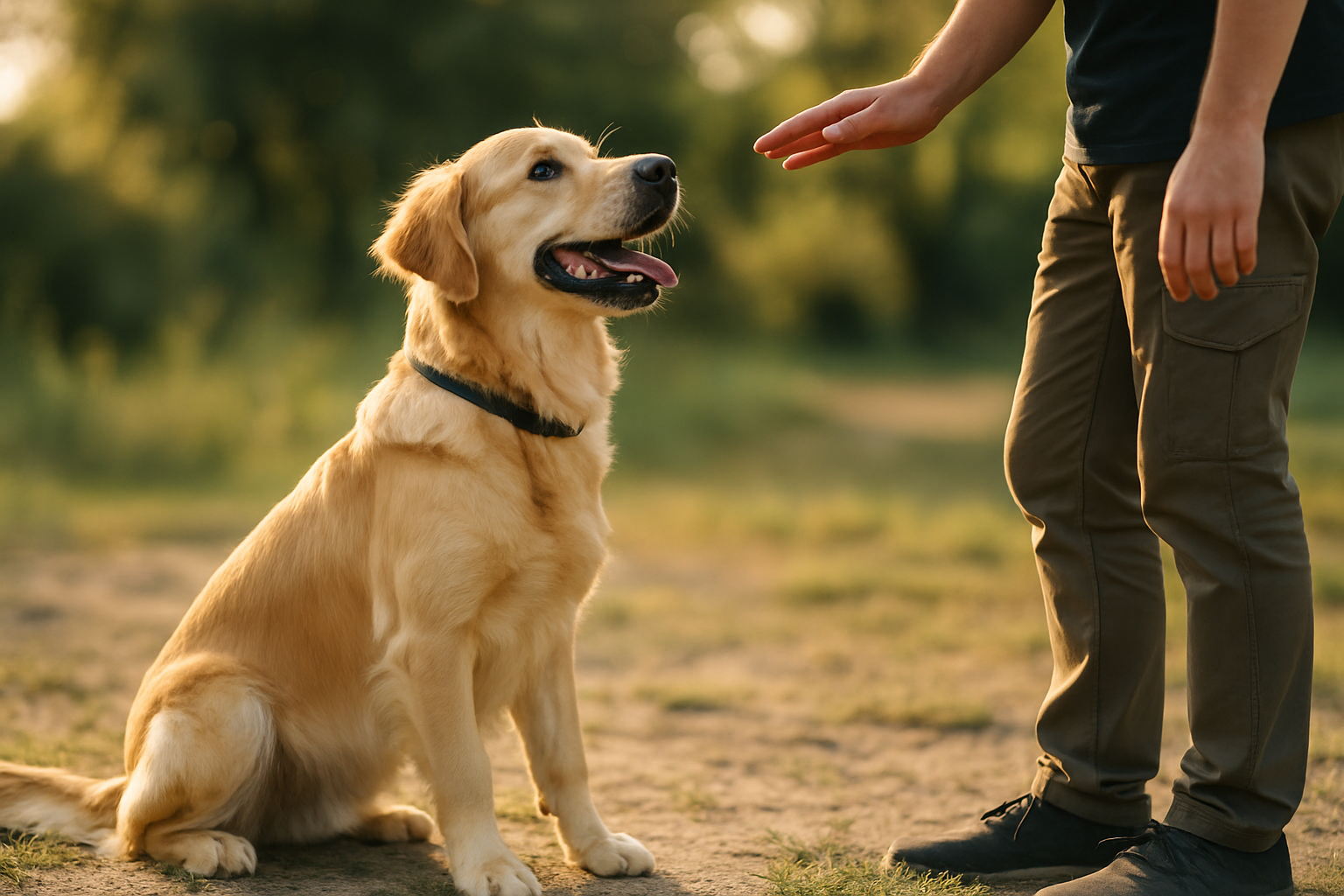
Why Puppies Bite and Mouth Your Hands
If you're a new puppy owner, those sharp little teeth gnawing on your fingers can feel overwhelming. The good news? Puppy biting is entirely normal and doesn't indicate aggression or a behavior problem. Understanding why your puppy is mouthing your hands is the first step toward addressing it effectively.
Puppies explore their world primarily through their mouths. Unlike humans who rely heavily on their eyes, puppies use their teeth and tongue to understand textures, temperatures, and objects around them. This is especially true for naturally "mouthy" breeds like retrievers and other dogs bred to carry things in their mouths. [4] Your puppy isn't trying to be aggressive—they're simply gathering information about their environment and learning how to interact with you.
Additionally, play biting is a crucial part of how puppies develop social skills. When puppies play together with littermates, they naturally use their mouths as part of their communication and play behavior. [3] This is actually beneficial for their development, as it teaches them important lessons about bite inhibition—understanding how much pressure from their jaws causes discomfort. However, the techniques that work perfectly fine with littermates need to be redirected when your puppy is interacting with you.
Distinguishing Between Play Biting and Aggressive Behavior
Before implementing training strategies, it's important to recognize the difference between playful mouthing and aggressive biting. Most puppies are simply playing, but knowing the distinction helps you respond appropriately.
Play biting typically involves:
- Soft or gentle pressure from the teeth, often without breaking skin
- Excitement and playful body language
- A relaxed face and wagging tail
- Alternating between biting and pulling away
- Stopping relatively easily when redirected
Aggressive biting (which requires professional help) involves:
- Hard pressure with teeth making contact
- Repeated grabbing or holding on
- Pulled-back lips showing teeth
- Tension throughout the body, face, and tail
- Growling, snarling, or barking before or during the bite
- Difficulty interrupting the behavior
If you suspect your puppy is displaying aggressive behavior rather than playful mouthing, consult your veterinarian, a certified animal behaviorist, or a professional trainer immediately. [2]
The Role of Teething in Puppy Biting
Around 12 weeks of age, your puppy's baby teeth begin falling out and adult teeth start erupting. This process, called teething, can continue until approximately six months of age. [4] During this time, puppies often experience discomfort and may chew more intensely to relieve the pressure in their gums.
While teething is a contributing factor, it's not the primary reason puppies bite hands. The main driver is play and social interaction. However, providing appropriate chew toys during the teething phase can significantly reduce mouthing behavior by giving your puppy an outlet for that natural urge to chew.
If you notice your puppy has retained baby teeth (teeth that haven't fallen out by six months), contact your veterinarian. Retained teeth can cause misalignment and dental problems that may require removal. [4]
Step-by-Step Training Techniques to Stop Hand Biting
1. Use the "Ouch" Method with Immediate Redirection
One of the most effective and humane techniques mirrors how puppies naturally learn from littermates. When a puppy bites another puppy too hard during play, the bitten puppy yelps loudly and stops playing. This communicates that the bite was too rough. [3]
You can replicate this natural learning process:
- When your puppy bites your hand, make a high-pitched "ouch!" or "ow!" sound—similar to how another puppy would react
- Immediately withdraw your hand from their mouth
- Stop playing for 5-10 seconds
- Once calm, redirect play to a toy instead of your hand
- Resume interaction using the toy as a barrier between you and your puppy's teeth
The key is consistency. Every family member must respond the same way each time your puppy bites. [3] If one person allows hand biting while another discourages it, your puppy will become confused about what's acceptable.
2. Implement "Negative Punishment" by Stopping Play
Negative punishment in dog training means removing something the dog enjoys when unwanted behavior occurs. In this case, you're removing social interaction and play—which puppies crave. [3]
Here's how to apply this technique:
- When your puppy bites your hands or clothes, immediately stop all interaction
- Walk away calmly without saying anything
- If your puppy follows and continues biting, leave the room or use a baby gate to create separation
- Wait until your puppy is calm before returning
- Resume play only when your puppy is settled and not seeking attention through biting
This method teaches puppies that biting leads to the end of fun, not more play. Puppies are social creatures and want to interact with you, so losing your attention becomes an effective deterrent. [3]
3. Use a Leash During Training Sessions
Keeping a lightweight leash attached during play and interaction sessions gives you better control and prevents unwanted biting before it escalates. [3] This is particularly helpful if your puppy is especially rambunctious or if you have young children in the home who may not respond quickly enough to redirect biting.
With a leash attached, you can:
- Gently guide your puppy away from your hands when they begin to bite
- Redirect them to appropriate toys more effectively
- Prevent them from chasing and nipping at your clothing
- Maintain control during high-energy play sessions
4. Teach "Sit" or "Lie Down" Before Play Begins
Prevention is often easier than correction. Teaching your puppy to sit or lie down calmly before each play session establishes that calm behavior—not biting—earns the reward of your attention and playtime. [3]
Implement this strategy:
- Before initiating any play or interaction, ask your puppy to sit or lie down
- Wait for them to comply and remain calm for a few seconds
- Only then begin play with a toy
- If they start biting, stop immediately and repeat the process
Over time, your puppy learns that the pathway to playtime is through calm, controlled behavior—not mouthing or biting.
Preventing Hand Biting Before It Becomes a Habit
Use Toys as Barriers During Play
One of the easiest ways to prevent hand biting from becoming a habit is to never use your hands as play objects in the first place. [5] Instead, always keep a toy between you and your puppy during interactive play.
This approach:
- Prevents your puppy from associating hands with play
- Teaches them that toys are the appropriate objects for interaction
- Reduces the likelihood of biting before the behavior is reinforced
- Makes play safer for both you and your puppy
Good toy options include rope toys, balls on strings, and soft plush toys designed for puppies. Always supervise play to ensure your puppy doesn't swallow pieces of toys.
Provide Appropriate Chew Toys and Rotate Them
Puppies have a biological need to chew. Providing safe, appropriate outlets for this need significantly reduces mouthing behavior directed at your hands. [1]
Create a rotation system:
- Offer 3-4 different chew toys at any given time
- Rotate toys every few days to maintain novelty and interest
- Keep toys "fresh" by putting some away and bringing others out
- Choose toys appropriate for your puppy's age and size
- Supervise all chewing to ensure safety
Avoid hard objects like bones, antlers, and nylon toys, as these can break teeth. Veterinary dentists recommend toys that bend easily under pressure. [4]
Ensure Adequate Exercise and Mental Stimulation
A significant portion of excessive mouthing and biting stems from excess energy. Puppies that aren't getting enough physical exercise or mental stimulation become bored and more likely to engage in unwanted behaviors. [1]
Daily exercise should include:
- Multiple play sessions with toys and games
- Walks appropriate for your puppy's age (generally 5 minutes per month of age, twice daily)
- Interactive games like fetch and controlled chase games
- Puzzle toys and food-dispensing toys for mental stimulation
- Supervised socialization with other puppies or dogs
A tired puppy is a well-behaved puppy. When your puppy's physical and mental needs are met, they're far less likely to resort to hand biting as a form of entertainment or stress relief.
What NOT to Do When Your Puppy Bites
While it's important to know what works, it's equally crucial to understand what doesn't—and what can actually make the problem worse.
- Don't yell or use harsh punishment: Yelling can actually excite puppies further and may damage your relationship with them. [5]
- Don't hit, smack, or physically punish: Physical punishment teaches fear, not bite inhibition, and can lead to aggression. [5]
- Don't allow inconsistency: If some family members allow hand biting while others discourage it, your puppy becomes confused and training takes much longer.
- Don't assume it will resolve on its own: While puppies do naturally grow out of mouthing to some degree, without proper training, adult dogs may continue the behavior with potentially more serious consequences.
- Don't use your hands as play objects: Even "gentle" hand play can reinforce the idea that hands are appropriate things to bite.
Building a Consistent Training Environment
Success with puppy training depends heavily on consistency across all family members and situations. [3] Take time to establish household rules about hand biting and ensure everyone understands and follows them.
Create a training plan that includes:
- Clear communication with all family members about which techniques you're using
- Designated playtimes with toys rather than constant interaction
- Consistent responses to biting from every person in the household
- Regular practice of the "ouch" method or your chosen technique
- Patience—behavior change takes time, typically weeks to months
Consider enrolling in a puppy kindergarten class or working with a certified positive reinforcement trainer. [5] These resources provide professional guidance tailored to your puppy's specific needs and help you practice techniques correctly.
When to Seek Professional Help
Most puppies respond well to consistent training within a few weeks to a couple of months. However, if your puppy's biting is:
- Intensifying rather than improving
- Causing injury or breaking skin regularly
- Accompanied by signs of aggression (growling, snarling, bared teeth)
- Difficult to interrupt or redirect
- Occurring in response to handling, grooming, or specific situations
...it's time to consult a professional. Your veterinarian can rule out pain or medical issues contributing to the behavior and can refer you to a certified animal behaviorist or trainer. [2] There's no shame in seeking help—early intervention often prevents small issues from becoming serious problems.
Key Takeaways for Success
Stopping puppy hand biting is entirely achievable with patience, consistency, and the right approach. Remember these essential points:
- Puppy biting is normal play behavior, not aggression
- Consistency from all family members is critical for success
- The "ouch" method mimics natural learning from littermates
- Redirecting to toys prevents the behavior from becoming a habit
- Adequate exercise and mental stimulation reduce mouthing significantly
- Punishment-based methods don't work and can cause harm
- Professional help is always available if you need it
Your puppy isn't trying to be difficult—they're simply learning how to interact with you and their world. By providing clear, consistent guidance and appropriate outlets for their natural behaviors, you'll help them develop into a well-mannered adult dog who's a joy to live with.
Sources & References
- https://vcahospitals.com/pediatric/puppy/behavior-training/how-to-deal-with-puppy-biting
- https://www.dogstrust.org.uk/dog-advice/training/unwanted-behaviours/mouthing-nipping-and-biting
- https://vcahospitals.com/know-your-pet/play-biting-in-puppies
- https://vcahospitals.com/know-your-pet/teeth-teething-and-chewing-in-puppies
- https://www.akc.org/expert-advice/training/stop-dog-from-chewing/