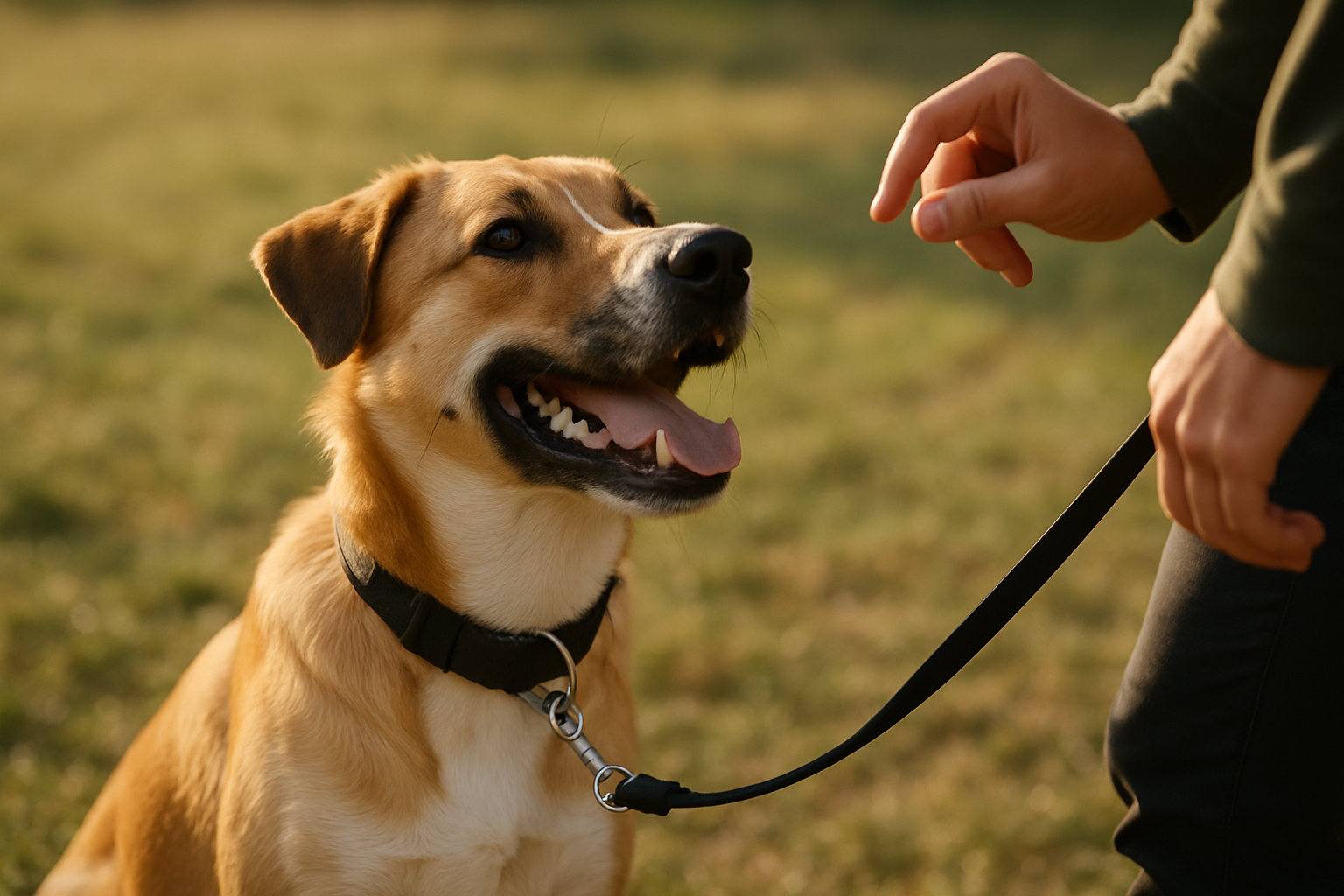
Why Puppies Pull on the Leash
Before you can fix leash pulling, you need to understand why it happens. The answer is simple but powerful: pulling works. [4] Every time your puppy surges forward and you move along with them, you're sending a clear message that pulling gets them where they want to go faster. This isn't a behavior problem—it's a learning opportunity your puppy has already mastered.
From your puppy's perspective, the logic is flawless. They pull → you follow → they reach the exciting thing. That reward cycle repeats hundreds of times, deeply reinforcing the pulling habit. Even well-intentioned owners accidentally teach this pattern without realizing it. [5]
The good news? This same learning principle works in reverse. When you teach your puppy that a loose leash leads to progress and pulling stops it, they'll quickly learn the new rule.
Foundation Essentials Before Training Begins
Success starts before your first training walk. Setting up the right environment and equipment matters more than most owners realize.
Check Your Puppy's Collar Fit
Your puppy's collar should be snug enough that they can't slip out of it, but loose enough that you can slide one or two fingers between the collar and their neck. [3] A collar that's too loose risks escape during training, while one that's too tight causes discomfort and distraction. Take 30 seconds to check this before every walk.
Tire Them Out First
A tired puppy learns faster than a wired one. Before your training walk, spend 10-15 minutes playing fetch, running around the yard, or doing a quick training session indoors. [3] This simple step dramatically improves your puppy's ability to focus and reduces excess pulling energy. You're not being lazy—you're being strategic.
Choose the Right Equipment
For most puppies, a standard 6-foot leash and flat collar work well during the early stages. However, if your puppy is particularly strong or shows early signs of pulling, consider a front-clip harness. [4] Front-clip harnesses redirect pulling energy toward you rather than forward, giving you better control while you train. Head halters are another option for larger or stronger pullers, but they require a 1-2 week conditioning period before your puppy tolerates them comfortably. [3]
Important: Avoid retractable leashes, pinch collars, and chain collars. Retractable leashes actually train pulling by rewarding it with distance. Pinch and chain collars can cause physical harm and often worsen behavioral issues. [Source 3, 4]
The Stop-and-Wait Method: Your Primary Training Tool
This is the foundation of loose leash training. It's simple, effective, and works for puppies of all sizes and temperaments.
How the Stop-and-Wait Method Works
The principle is straightforward: when the leash goes tight, you stop moving. When the leash goes slack, you move forward. [5] Your puppy learns that pulling literally halts progress, while walking beside you allows the walk to continue.
Step-by-Step Implementation
- Step 1: Start in a low-distraction environment. Your backyard or a quiet residential street is ideal. Don't attempt this at the dog park or busy neighborhood on day one. [4] You're building the foundation in an environment where your puppy's pulling drive is naturally lower.
- Step 2: Begin walking and watch the leash. The moment you feel tension on the leash, stop immediately. Don't wait, don't hope they'll figure it out—stop the instant the leash tightens. [5]
- Step 3: Stand still and wait. Your puppy will likely continue pulling for a few seconds, then look back at you, step toward you, or reduce tension. The exact moment the leash goes slack, take one step forward.
- Step 4: Reward generously. The instant you step forward with a loose leash, mark the good behavior with "Yes!" or a clicker, then offer a high-value treat. Small pieces of cooked chicken work better than kibble for training. [4]
- Step 5: Repeat relentlessly. Your first training walks might cover only 50 feet in 20 minutes. That's not failure—that's progress. [4] Consistency matters more than distance.
Why Consistency Is Non-Negotiable
Here's where most training fails: inconsistency. If you stop your puppy's pulling four out of five times but let them pull "just this once" because you're in a hurry, you've taught them that pulling sometimes works. [3] Dogs learn through patterns, and intermittent reinforcement actually makes behavior stronger, not weaker. Everyone in your household must follow the same rules every single time.
The Direction Change Method: For Smart and Motivated Pullers
Some puppies—particularly smart breeds like Border Collies and German Shepherds—figure out the stop-and-wait pattern quickly and test whether pulling works if they're more persistent. For these puppies, direction changes provide the unpredictability they need to stay focused on you.
How Direction Changes Work
The moment your puppy pulls, immediately turn and walk in the opposite direction without warning or verbal cue. [4] No "heel" command, no explanation—just a sudden change. Your puppy, caught off-guard, ends up behind you and must redirect their attention to you to catch up.
Implementing Direction Changes
- Walk in unpredictable patterns rather than straight lines (sometimes called "crazy walking"). [3]
- When your puppy pulls, change direction immediately—no hesitation.
- As your puppy turns to follow you, mark the behavior and reward for walking beside you.
- Gradually increase the distance between direction changes as your puppy learns to keep you in focus.
Proactive Reinforcement: The Game-Changer Most Owners Miss
Here's the critical insight that separates good training from great training: don't only correct pulling. Also reward loose leash walking before pulling happens. [5]
Walk your puppy with high-value treats in hand. Every 3-5 steps they walk beside you with a slack leash, mark and reward. "Yes! Good walk!" Gradually increase the distance between rewards as they improve. [4] This teaches your puppy that the behavior you actually want—being near you with a loose leash—is more rewarding than pulling.
Training Timeline: What to Expect
Understanding realistic timelines prevents frustration and keeps you motivated.
- Puppies under 6 months with no pulling history: 2-4 weeks of consistent training for a reliable loose leash walk. [5] These young puppies haven't yet developed a deep pulling habit, so they learn quickly.
- Older puppies or chronic pullers: 6-8 weeks or longer. [4] If your puppy has been pulling for months, you're undoing thousands of reinforced repetitions. This takes time.
- Realistic daily commitment: 15-20 minutes of focused training per walk, several times weekly. Short, consistent sessions beat occasional marathon training days.
Most puppies show significant improvement within 2-3 weeks of consistent work. [4] But "significant" doesn't mean "perfect." Celebrate incremental progress.
Managing Breed-Specific Pulling Behaviors
Different breeds pull for different reasons, and understanding your puppy's breed tendencies helps you train more effectively.
- Sight hounds (Greyhounds, Whippets): These breeds have smaller heads relative to their necks and may slip out of standard collars. Consider a martingale collar designed for their body type. [4]
- Herding breeds (Border Collies, Australian Shepherds): These puppies often pull to control your movement, trying to herd you toward or away from things. Direction changes typically work faster for them than stopping. [4]
- Brachycephalic breeds (Bulldogs, Pugs): These puppies have breathing challenges and need harnesses rather than neck-based collars to avoid respiratory strain. [4]
- High-energy terriers and sporting breeds: These puppies need mental stimulation before walks. A 5-minute training session or puzzle feeder before heading out dramatically reduces pulling. [4]
Common Training Mistakes and How to Avoid Them
Mistake 1: Training in Too-Advanced Environments
Trying to teach loose leash walking at the farmer's market or busy park is like teaching someone to drive in Times Square. [4] Start in your backyard, progress to a quiet street, then gradually increase environmental difficulty. Your puppy's success depends on setting them up to win.
Mistake 2: Skipping the Warm-Up
A wired puppy can't learn. Pre-walk play isn't optional—it's essential setup for training success. [3]
Mistake 3: Using Leash Corrections or Punitive Collars
Yanking, jerking, or using pinch collars might temporarily stop pulling, but they create anxiety around walks and can worsen behavioral issues like lunging. [3] They also damage your relationship with your puppy. Positive training methods build partnership, not fear.
Mistake 4: Giving Up Too Early
The biggest training failure isn't inconsistency—it's abandonment. Most owners quit when they're tired or in a hurry. "I'll just let them pull today." This teaches your puppy that persistence pays off. Stick with it. [4]
Mistake 5: Assuming Training Ends After Success
Once your puppy walks reliably on a loose leash, maintenance matters. Occasional refresher sessions prevent regression, especially after exciting events like moves, new family members, or changes in routine. [4]
When to Consider Additional Equipment
For most puppies, training alone is sufficient. However, some situations benefit from management tools while training progresses.
Front-Clip Harnesses
These redirect pulling energy toward you rather than forward, reducing the mechanical advantage of pulling. [5] They're management tools, not training tools—you still need to train loose leash walking, but the harness makes it easier while you build the behavior.
Head Halters
Head halters work well for larger or extremely strong pullers because the leash attaches to the nose loop instead of the neck, giving you gentle directional control. [3] However, most puppies initially resist wearing them by pawing at the halter. Condition your puppy gradually by putting the halter on for short periods, then immediately walking and distracting with treats and praise. [3] Never jerk a head halter—this risks neck injury. Never leave a head halter or harness on an unsupervised puppy, as they might catch it on something or attempt to chew through it. [3]
Practical Tips for Immediate Implementation
- Keep treats handy: Have high-value treats in your pocket before every walk. Timing matters—reward within 1-2 seconds of the desired behavior.
- Use a marker word: Teach your puppy that "Yes!" means a treat is coming. This bridges the gap between the behavior and the reward.
- Practice in multiple locations: Once your puppy masters loose leash walking in your backyard, practice on different streets, in parks (on-leash), and around mild distractions.
- Keep walks short initially: Five to ten minutes is enough for puppies under 6 months. Quality matters more than distance. [4]
- Involve all family members: Every person who walks your puppy must use the same method and follow the same rules.
- Track progress visually: Write down the distance covered or time before pulling starts. Seeing improvement on paper motivates you to continue.
When to Seek Professional Help
If after 4 weeks of consistent training your puppy shows no improvement, or if pulling is accompanied by lunging, aggression, or extreme reactivity to other dogs or people, consult a certified professional dog trainer or veterinary behaviorist. Some puppies have underlying anxiety or fear that requires specialized guidance beyond standard training methods.
Final Thoughts: Building a Walking Partnership
Loose leash walking isn't just about comfort during walks—it's about communication and building a partnership where your puppy looks to you for guidance rather than making independent decisions. [4] The time you invest now pays dividends for years of enjoyable walks together.
Remember: loose leash training takes longer than people want it to, but not because it's complicated. It takes time because you're undoing a training history where pulling worked, and that requires consistency, patience, and belief in the process. [5] Every puppy gets there with the same basic principle applied reliably over time.
Start today, stay consistent, celebrate small wins, and trust the process. Your puppy is more than capable of learning—and so are you.