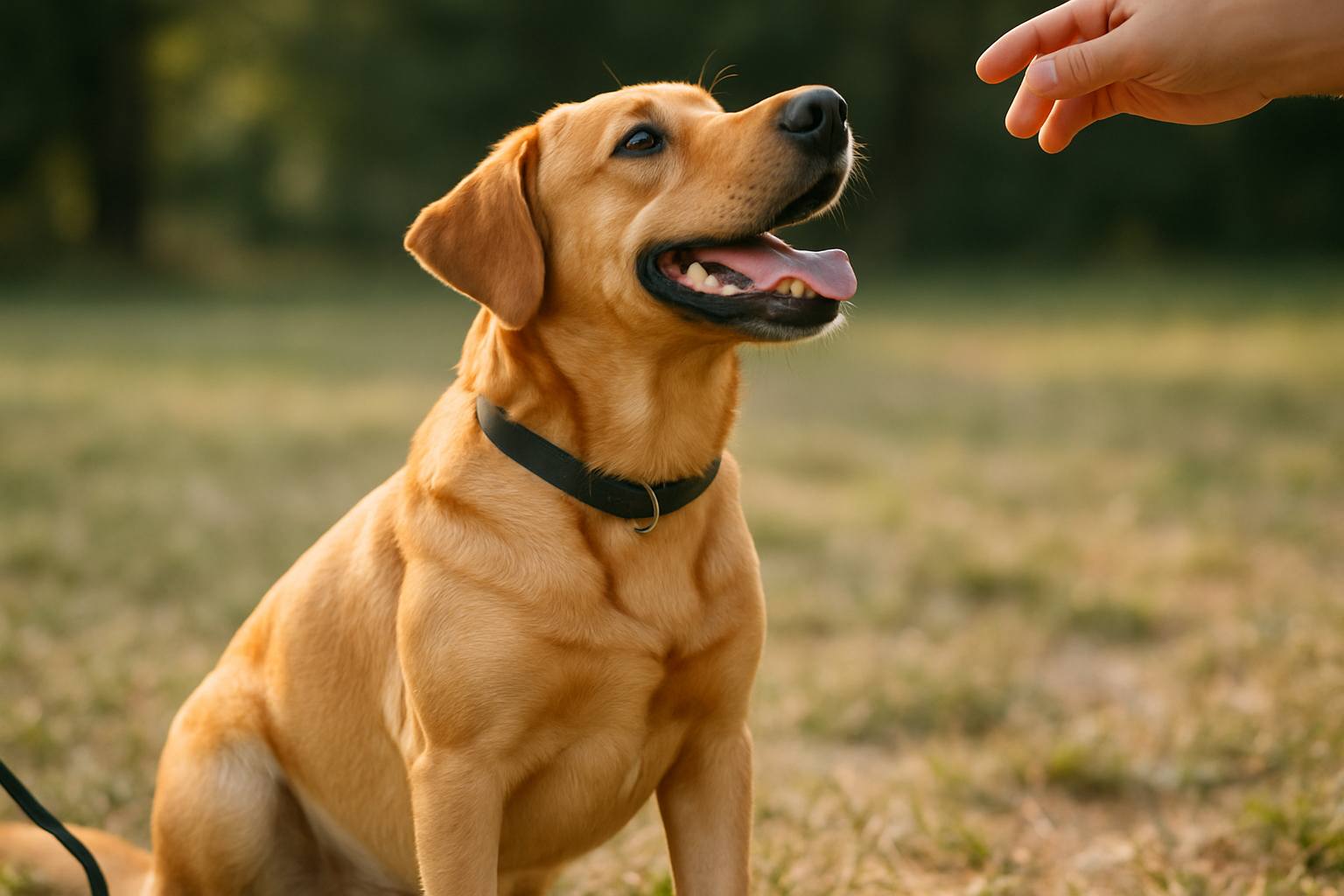
Puppy Training: The Complete Practical Guide
You've just brought your puppy home, and suddenly you're wondering: Where do I even start? Should I begin training immediately, or wait? What's the difference between socialization and training? And how do I know if I'm doing it right?
The truth is, the first 16 weeks of your puppy's life are critical. During this window, your puppy's brain is remarkably receptive to learning—but also vulnerable to developing lasting fears or anxiety if experiences go wrong. The good news? You don't need to be a professional trainer to get this right. You just need a clear plan.
This guide walks you through everything you need to know about puppy training, based on the latest behavioral science and practical advice from veterinary experts.
Understanding the Critical Socialization Window
Before we talk about teaching "sit" or "come," let's talk about socialization—arguably the most important thing you'll do in your puppy's first months.
Socialization doesn't mean throwing your puppy into as many situations as possible. Instead, it means carefully exposing your puppy to different people, environments, sounds, and experiences in a way that builds confidence rather than fear. [5] The sensitive period for socialization happens between 3 and 16 weeks of age, and this window closes. Once it does, it becomes much harder to help your puppy feel comfortable with new situations.
Think of socialization like a vaccine for behavior problems. Just as vaccines protect your puppy's body, positive early experiences protect their emotional development. [5]
Why Timing Matters (And Why You Can't Wait Until Vaccines Are Done)
Here's the dilemma many new puppy owners face: veterinarians recommend waiting until puppies are fully vaccinated before going out in public. But by the time your puppy completes their full vaccine series (around 16 weeks), the sensitive socialization period is closing. [4]
The solution? Start socialization early—as early as 7 to 8 weeks—but do it safely. [4] Your puppy should have at least one set of vaccines and their first deworming at least 7 days before attending any group classes. Beyond that, focus on low-risk socialization: quiet parks where you control who your puppy meets, pet-friendly shops, visits with vaccinated dogs you trust, and one-on-one interactions with friends and family.
Talk with your veterinarian about the disease risks in your specific area. In most cases, the behavioral risk of not socializing your puppy outweighs the infectious disease risk of careful, controlled exposure.
What Good Socialization Actually Looks Like
Socialization isn't a checklist. It's not about how many different situations your puppy encounters—it's about how your puppy feels in those situations.
The first step is knowing your own puppy. [2] Every puppy has a different temperament. Some are naturally confident and outgoing. Others are cautious or shy. Your job is to meet your puppy where they are, not where you think they should be.
For Confident Puppies
If your puppy pulls excitedly toward new people, wags their tail enthusiastically, and wants to investigate everything, you can move a bit faster. Your focus should be on teaching polite behavior during these interactions. This might mean working on "sit" before greeting visitors, or practicing calm greetings on leash before letting them say hello to new friends.
For Shy or Cautious Puppies
If your puppy hangs back, tucks their tail, looks away from strangers, or seems hesitant in new situations, slow down. [2] Here's the key: don't force them to approach. Instead, create positive associations.
For example, if your puppy is nervous about people, have a friend sit down and look away—a less threatening posture. Reward your puppy with treats or play every time that person is nearby. Over time, your puppy learns that new people predict good things. [2]
This is crucial: pushing a shy puppy too hard, too fast can actually increase their fear over time. [2] Let your puppy set the pace.
Socialization Checklist: Who and What to Expose Your Puppy To
- Different people: Men, women, children old enough to be gentle, elderly people, people wearing hats or glasses, people of different races and body types [5]
- Different environments: City streets, parks, pet-friendly shops, quiet neighborhoods, driveways, sidewalks [4]
- Sounds: Vacuum cleaners, alarm clocks, storm noises, traffic, music [4]
- Other animals: Calm, vaccinated dogs, cats (on leash if needed), other species like horses or cows [5]
- Novel objects: Bikes, scooters, wheelchairs, skateboards [2]
Aim to bring your puppy to new places at least twice weekly during the critical socialization window. [5] Pack treats and toys to make experiences positive. Always start at a distance where your puppy feels comfortable, then gradually move closer if they're interested.
Teaching Basic Obedience: The Foundation
While socialization is happening, you're also building obedience skills. These aren't fancy tricks—they're the foundation of a well-behaved adult dog.
Start With Name Recognition
Before your puppy learns "sit" or "come," they need to learn their own name. This is the gateway to all other training. [1]
The goal is simple: when you say your puppy's name, they look at you and wait for the next instruction. Here's how to teach it:
- Say your puppy's name in a clear, upbeat voice
- The moment they glance toward you (even briefly), say "Yes!" or "Good!" and offer a treat
- If they don't respond, try crouching down or moving closer to get their attention
- Practice several times daily in different rooms of your house
Once your puppy reliably responds to their name indoors (about 9 out of 10 times), practice outside in a fenced area or on leash. Gradually add distractions: visitors, other dogs, different locations. [1]
Critical rule: Never use your puppy's name when scolding or reprimanding. [1] If you call their name and they come, then you punish them, you've just taught them that coming to their name leads to bad things. Instead, use "no" without their name as a correction, and reserve their name for positive interactions.
Understanding Cues vs. Commands
Modern dog training uses the term "cue" instead of "command." Why? Because "command" suggests force or coercion, while "cue" reflects how positive reinforcement actually works. [3]
A cue is a signal that tells your puppy a specific behavior will earn a reward. When your puppy learns the cue "sit," they understand: "If I sit when I hear this word, I get something good."
The Three Methods of Teaching Behaviors
There are three main approaches to teaching your puppy new behaviors: luring, capturing, and shaping. [3]
Luring: Use a treat or toy to guide your puppy into the desired position. For example, to teach "sit," hold a treat close to your puppy's nose and slowly move it toward their head. Their rear naturally lowers as they follow the treat. Immediately reward. [3]
Capturing: Reward your puppy when they naturally do a behavior you want to teach. If your puppy spontaneously lies down while you're watching TV, mark the moment with "Yes!" and reward. Over time, you can add a cue to this behavior. [3]
Shaping: Reward small steps toward a final behavior. For instance, teaching "go to your bed" might start by rewarding your puppy for looking at the bed, then moving toward it, then touching it, then lying on it. [3]
Age-Based Training Timeline
7-8 Weeks: Start name recognition, basic "sit," potty training, and crate training. Begin addressing mouthiness by stopping play when they nip and redirecting to appropriate chew toys. [4]
10-12 Weeks: Continue socialization with unfamiliar people. Start desensitizing to common household sounds. Introduce leashes and harnesses (short sessions, not long walks yet). Begin teaching "down" and impulse control (having your puppy sit and wait before eating). [4]
12-16 Weeks: Your puppy's elimination schedule is now 3-4 hours, so adjust potty training accordingly. Practice "stay" and "leave it." Work on "heel" in safe environments like your driveway. Introduce structured play like fetch or gentle tug-of-war. [4]
16+ Weeks: After completing vaccines, expand socialization and practice commands in real-world settings (parks, walks, pet-friendly locations). Begin reducing treat frequency while maintaining praise and affection. Consider advanced classes like early agility. [4]
The Science Behind Reward-Based Training
All the methods above rely on one principle: positive reinforcement. Your puppy learns behaviors that earn rewards and avoids behaviors that don't.
But what counts as a reward? It's not what you think is rewarding—it's what your puppy thinks is rewarding. [3] If your puppy doesn't enjoy being petted, petting isn't a reward. If they don't like a particular treat, that treat won't motivate them. Watch your puppy's enthusiasm and body language to identify what actually excites them.
Building and Maintaining Reliable Responses
When you first teach a behavior, reward every single successful response. [3] Once your puppy is reliably responding (doing the behavior consistently when you give the cue), you can gradually reduce how often you reward with treats.
Here's a practical schedule: [1]
- Weeks 1-4: Treat every time
- Weeks 5-6: Treat about 80% of the time
- Weeks 7-8: Treat about 60% of the time
- Ongoing: Treat intermittently, but always provide praise, affection, or other positive consequences
This is called an "intermittent schedule of reinforcement," and it actually makes behaviors more reliable and durable long-term. Your puppy never knows when the treat is coming, so they stay engaged.
Common Training Mistakes to Avoid
Repeating the cue multiple times: Say the cue once in a pleasant tone, then wait. If your puppy doesn't respond, quietly lure them into the behavior and reward. Don't repeat "sit, sit, sit!" as this teaches your puppy to ignore the first few times you say it. [3]
Training when your puppy is distracted or stressed: If your puppy is overstimulated, frightened, or too interested in something else, training won't work. [3] Move to a quieter environment or try again later.
Introducing the cue too early: Teach the behavior first (through luring or shaping), then add the cue once your puppy clearly understands what you want. [3] Introducing the cue before the behavior is established weakens its effectiveness.
Forcing fearful interactions: Never push a scared puppy to "face their fears." This can worsen fear and anxiety. Instead, use gradual exposure paired with positive reinforcement. [Source 2, Source 5]
Skipping socialization because of vaccine concerns: While disease prevention is important, the risk of permanent behavioral problems from lack of socialization often outweighs the infectious disease risk of careful, controlled exposure during the critical window. [5]
When to Enroll in Puppy Classes
Puppy classes are valuable, but they're not just about obedience. Good puppy classes focus on socialization in a controlled, safe environment. [4]
The American Veterinary Society of Animal Behavior recommends starting classes at 7 to 8 weeks of age. [4] Look for classes where:
- All puppies are vaccinated and have tested negative for parasites
- The facility is kept clean
- Class size is small enough for individual attention
- The instructor uses positive reinforcement methods
- There's an emphasis on socialization, not just obedience
Practical Tips for Success
- Keep training sessions short: Puppies have short attention spans. Five to ten-minute sessions, several times daily, work better than one long session.
- Be consistent: Everyone in your household should use the same cues and reward the same behaviors. Inconsistency confuses your puppy.
- Manage your environment: During the learning phase, set your puppy up for success by removing temptations and distractions.
- Practice in different locations: A behavior your puppy masters at home might not work at the park. Once they're reliable indoors, practice in new environments with increasing distractions.
- Stay patient: It can take several weeks or months for puppies to reliably respond to cues, especially around distractions. Professional working dogs train for years before competition-level performance. [3]
- Have fun: Training should be enjoyable for both you and your puppy. If you're frustrated, take a break.
When to Seek Professional Help
If your puppy shows signs of fear, aggression, or severe anxiety, or if you're struggling with behavior problems, consult a certified animal behaviorist or veterinary behaviorist. The sources cited in this guide provide excellent starting points for finding qualified professionals in your area.
Key Takeaways
Puppy training isn't complicated, but it does require intentionality and consistency. Here's what matters most:
- Socialization between 3 and 16 weeks is critical and irreplaceable
- Meet your puppy's temperament where it is, not where you think it should be
- Use positive reinforcement and reward-based methods
- Teach name recognition before other commands
- Follow an age-based training schedule
- Practice in different environments with increasing distractions
- Never use punishment or force during training
- Be patient—you're building habits that will last your puppy's entire life
The puppy stage is brief. In what feels like no time, your puppy will be a full-grown dog. The investment you make now in training, socialization, and positive experiences will pay dividends for years to come.
Sources & References
- https://avsab.org/teaching-name-recognition/
- https://avsab.org/socialization-mere-exposure/
- https://vcahospitals.com/know-your-pet/puppy-behavior-training--training--sit-down-stand-and-stay
- https://vcahospitals.com/pediatric/puppy/behavior-training/when-to-start-puppy-training-classes
- https://vcahospitals.com/know-your-pet/puppy-behavior-and-training---socialization-and-fear-prevention