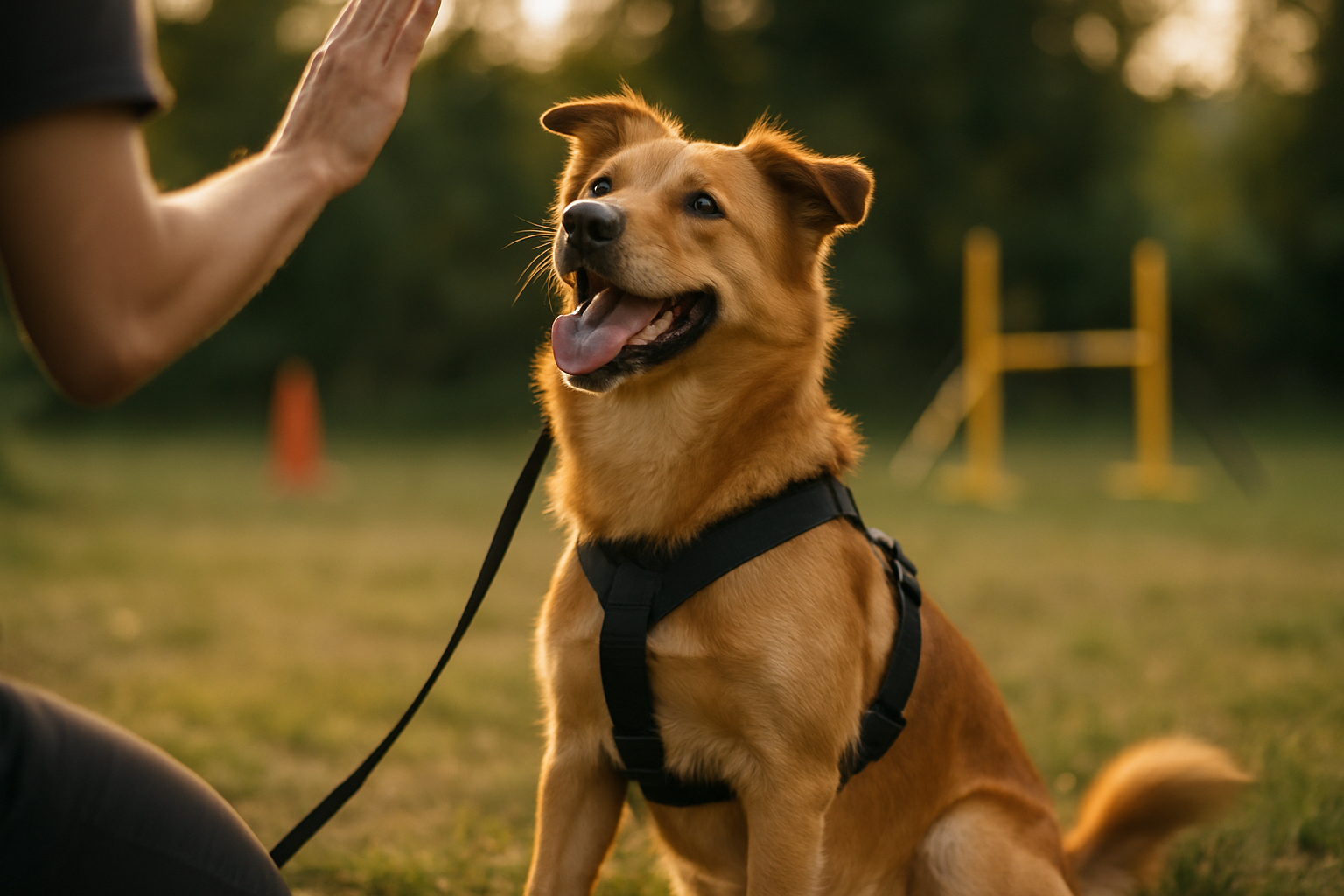
Why Early Training Matters for Young Dogs
The moment your puppy arrives home, learning begins. Every interaction—from how you respond to jumping to the way you introduce them to new people—shapes their behavior and personality. The good news? Young puppies are sponges, absorbing lessons from their environment constantly. [1]
Research shows that puppies are most receptive to new experiences and people during their early weeks. After around three months of age, many puppies become more cautious about unfamiliar situations, making early exposure crucial for developing confidence and social skills. [2] This doesn't mean you've missed the window if your puppy is older, but starting early gives you a significant advantage.
Understanding how puppies learn is the first step to training success. Puppies aren't trying to misbehave or challenge you—they're simply doing what works from their perspective. If a behavior leads to something they enjoy (treats, attention, playtime, or exploration), they'll repeat it. This principle unlocks effective training.
The Foundation: How Puppies Learn Best
Modern, science-backed training focuses on reward-based methods rather than punishment. The American Veterinary Society of Animal Behavior strongly recommends using only positive reinforcement techniques for all aspects of dog training. [4] This approach is safer, more effective, and strengthens your relationship with your puppy.
Here's the core principle: identify what your puppy loves, then ensure they receive it when they do something you want them to do. This might be a high-value treat, a favorite toy, enthusiastic praise, or access to fun activities like running or sniffing. [1]
Why punishment-based methods fall short:
- They can create fear, confusion, and avoidance behaviors
- They damage the trust between you and your puppy
- They don't teach your puppy what to do—only what not to do
- They're less effective long-term than reward-based approaches
The best approach is to set your puppy up for success through management, supervision, and a clear training plan built on positive reinforcement. [1]
Three Powerful Training Techniques for Young Dogs
Professional trainers use three main methods to teach puppies new behaviors. Understanding each helps you choose the right approach for different situations.
1. Lure Training: Using a Magnet Approach
Lure training involves using something your puppy finds irresistible—typically a small, high-value treat—to guide them into the correct position or behavior. Think of the treat as a magnet that draws your puppy's nose, and where the nose goes, the body follows. [1]
How to use lure training effectively:
- Use tiny treats (about the size of a pencil eraser) that are genuinely exciting to your puppy
- Move the lure slowly enough that your puppy can easily follow without jumping or frustration
- Keep delivering small bites of the treat as you guide them, maintaining interest
- Fade the lure away gradually once your puppy understands the behavior
Example—teaching "sit": Hold a treat slightly above and in front of your puppy's nose. Slowly move it upward and back. As their nose follows the treat, their rear naturally lowers into a sit position. Reward immediately.
Example—teaching "come": Call your puppy's name, then hold the treat right under their nose. As they move toward you, slowly back up a few steps, delivering treats steadily. Once they reach you, give a final reward. This creates a positive association with coming to you.
2. Capturing: Rewarding Natural Behaviors
Capturing involves watching for moments when your puppy naturally does something you like, then marking and rewarding that behavior. This teaches your puppy which choices earn rewards and trains you to notice the good things your puppy does every day. [1]
How to use capturing:
- Observe your puppy throughout the day, looking for positive behaviors
- Use a marker word (like "yes" or "good") or a clicker to mark the exact moment the behavior happens
- Immediately follow the marker with a reward your puppy loves
- Repeat consistently to strengthen the behavior
Example: Your puppy naturally glances at you while playing nearby. The moment they look at you, say "yes!" and give a treat. Over time, your puppy learns that making eye contact with you is rewarding, and you've just captured the beginning of attention and focus.
3. Shaping: Building Complex Behaviors Step by Step
Shaping involves breaking a final goal behavior into tiny steps, rewarding progress toward the goal, and gradually requiring more before giving the reward. This works beautifully for behaviors that are difficult to lure or capture. [1]
Example of shaping "go to your bed":
- Step 1: Reward your puppy for looking at the bed
- Step 2: Reward for moving toward the bed
- Step 3: Reward for touching the bed with their nose
- Step 4: Reward for putting one paw on the bed
- Step 5: Reward for lying down on the bed
- Eventually, add a cue like "bed" before they perform the behavior
Priority Training Areas for Young Puppies
With so much to teach, focus on these foundational areas first. [2]
Potty Training
Accidents are part of puppyhood—not a sign of failure. Consistency and patience are your best tools. [2]
Effective potty training steps:
- Establish a regular schedule: take your puppy outside first thing in the morning, after meals, after playtime, before bed, and throughout the day
- Choose a designated potty spot and take your puppy there consistently
- Reward enthusiastically when they eliminate outside—use high-value treats and excited praise
- Supervise closely indoors; use a crate when you can't watch them (puppies naturally avoid soiling their sleeping area)
- Never punish accidents; they happen because puppies have limited bladder control, not because they're being difficult
- Clean accidents thoroughly with enzymatic cleaner to remove scent markers
Socialization: The Critical Window
Socialization is arguably the most important thing you can do during puppyhood. The American Veterinary Society of Animal Behavior recommends starting puppy socialization classes as early as 7 to 8 weeks of age. [2] During this period, puppies are naturally more open to new experiences, and positive exposure now prevents fear and anxiety later.
What to socialize your puppy to:
- Different people (various ages, appearances, and voices)
- Other dogs and animals (in controlled, safe environments)
- Various environments (parks, sidewalks, car rides, vet clinics)
- Different sounds (traffic, vacuum cleaners, thunderstorms, children playing)
- Novel textures and surfaces (grass, tile, gravel, water)
Socialization best practices:
- Make every experience positive—pair new situations with treats and praise
- Go at your puppy's pace; never force them into scary situations
- Enroll in puppy classes designed for young dogs; these provide structured socialization with other puppies and people
- Discuss vaccination protocols with your vet to balance disease protection with socialization needs
Basic Commands: "Sit" and "Come"
These two commands form the foundation for everything else. [2]
Teaching "sit": Use lure training (described above) to guide your puppy into the sitting position. Once they're sitting reliably, add the verbal cue "sit" just before they sit. Reward consistently. Within days, your puppy will associate the word with the action.
Teaching "come": This is critical for safety. Use high-value treats and make coming to you the best thing that could happen. Practice in low-distraction environments first, then gradually increase difficulty. Never call your puppy to come for something they dislike (like nail trimming or leaving the park). This would teach them that coming to you isn't always rewarding.
Crate Training: From Day One
Crate training is foundational for potty training and provides your puppy with a safe space. [2] Start immediately, making the crate a positive place by:
- Leaving the door open initially and tossing treats inside
- Feeding meals inside the crate
- Using a cue like "kennel" and rewarding when they enter
- Never forcing your puppy into the crate or using it as punishment
- Gradually closing the door for short periods while you're present
Managing Common Puppy Behaviors
Normal puppy behavior includes mouthing, chewing, jumping, and play wrestling. These aren't problems—they're age-appropriate exploration. [2] The key is redirecting these behaviors appropriately.
Jumping on People
Many owners accidentally reward jumping by giving attention (even negative attention like pushing them away). Instead:
- Ignore jumping completely—turn away, don't make eye contact or speak
- Reward calm behavior with attention and treats
- Teach an alternative behavior like "sit" to greet people
- Ask visitors to follow the same approach
Mouthing and Chewing
Puppies explore the world with their mouths. Redirect this natural behavior:
- Provide appropriate chew toys and rotate them to maintain interest
- Supervise play and redirect mouthing to toys
- Offer frozen toys or puzzle toys to keep them engaged
- Never hand-play rough games that encourage biting
Choosing the Right Training Approach and Resources
As a dog owner, you have choices about how to train your puppy. The American Veterinary Society of Animal Behavior has clear guidance: only reward-based training methods should be used for all aspects of dog training. [4] Methods involving aversive tools (electronic collars, prong collars, choke chains, physical corrections) should be avoided entirely, as they carry significant risks to your puppy's welfare and your relationship with them.
Green flags when choosing a trainer or class:
- They use only positive reinforcement methods
- They encourage questions and explain their methods
- They're certified or have relevant credentials
- They focus on management and prevention, not just correction
- They adjust their approach based on individual puppy needs
- They recommend consulting your veterinarian for behavior concerns
Red flags to avoid:
- Any trainer using punishment, physical corrections, or aversive tools
- Claims that dominance theory should guide training (this is outdated science)
- Unwillingness to explain their methods or credentials
- One-size-fits-all approaches that don't consider individual puppies
Special Considerations: Separation and Anxiety
Puppies form strong bonds with their owners, and separation can trigger anxiety. [2] While some distress when left alone is normal, excessive anxiety requires veterinary attention. Talk to your vet if your puppy shows severe signs of separation anxiety, and consider these prevention strategies:
- Practice short absences from day one, gradually increasing duration
- Create a safe, comfortable space (like a crate or playpen)
- Leave puzzle toys or long-lasting chews to occupy their time
- Avoid making departures and arrivals overly emotional
- Never punish anxiety-related behaviors
Exercise and Mental Stimulation
Young puppies have energy to burn, but their bodies are still developing. Intentional physical exercise helps puppies feel more at ease and reduces problem behaviors. [2] However, avoid excessive jumping or running on hard surfaces, which can stress developing joints. Instead:
- Take multiple short walks throughout the day
- Provide supervised playtime with appropriate toys
- Use puzzle toys and sniff games for mental stimulation
- Rotate activities to prevent boredom
- Consult your vet about appropriate exercise levels for your puppy's age and breed
Your Role: Consistent, Patient Training
Remember that you're training your puppy every moment you interact with them. [1] Every choice you make—what you reward, what you ignore, how you respond to mistakes—teaches them something. The puppy who jumps and gets petted learns that jumping works. The puppy who sits calmly and gets attention learns that calm behavior is the key.
Your job is to:
- Be clear about what you want your puppy to do
- Set them up for success through management and supervision
- Reward the behaviors you want to see more of
- Stay patient—puppies don't learn overnight, and that's normal
- Enjoy the process; this is a special time in your puppy's life
When to Seek Professional Help
Most puppies benefit from structured training classes, and many behavior questions are normal. However, consult a veterinarian, certified professional trainer, or veterinary behaviorist if your puppy shows:
- Severe fear or anxiety in specific situations
- Aggression toward people or other animals
- Sudden changes in behavior
- Inability to housetrain despite consistent effort
- Destructive behavior that seems compulsive
Your veterinarian can rule out medical causes and refer you to qualified professionals. [3]
Key Takeaways: Setting Your Puppy Up for Success
Training a young dog doesn't have to be complicated. Focus on these essentials:
- Start immediately: Every interaction teaches your puppy something
- Use positive reinforcement: Reward what you want to see more of
- Prioritize socialization: Expose your puppy to new people, places, and experiences early
- Be consistent: Everyone in your household should respond the same way to behaviors
- Manage the environment: Set your puppy up for success by preventing unwanted behaviors before they happen
- Keep it fun: Training should be enjoyable for both of you
- Seek help when needed: Professional trainers and veterinarians are there to support you
The time you invest in training your young puppy pays dividends throughout their life. A well-trained, confident, socialized dog is a joy to live with—and it all starts with the choices you make now.