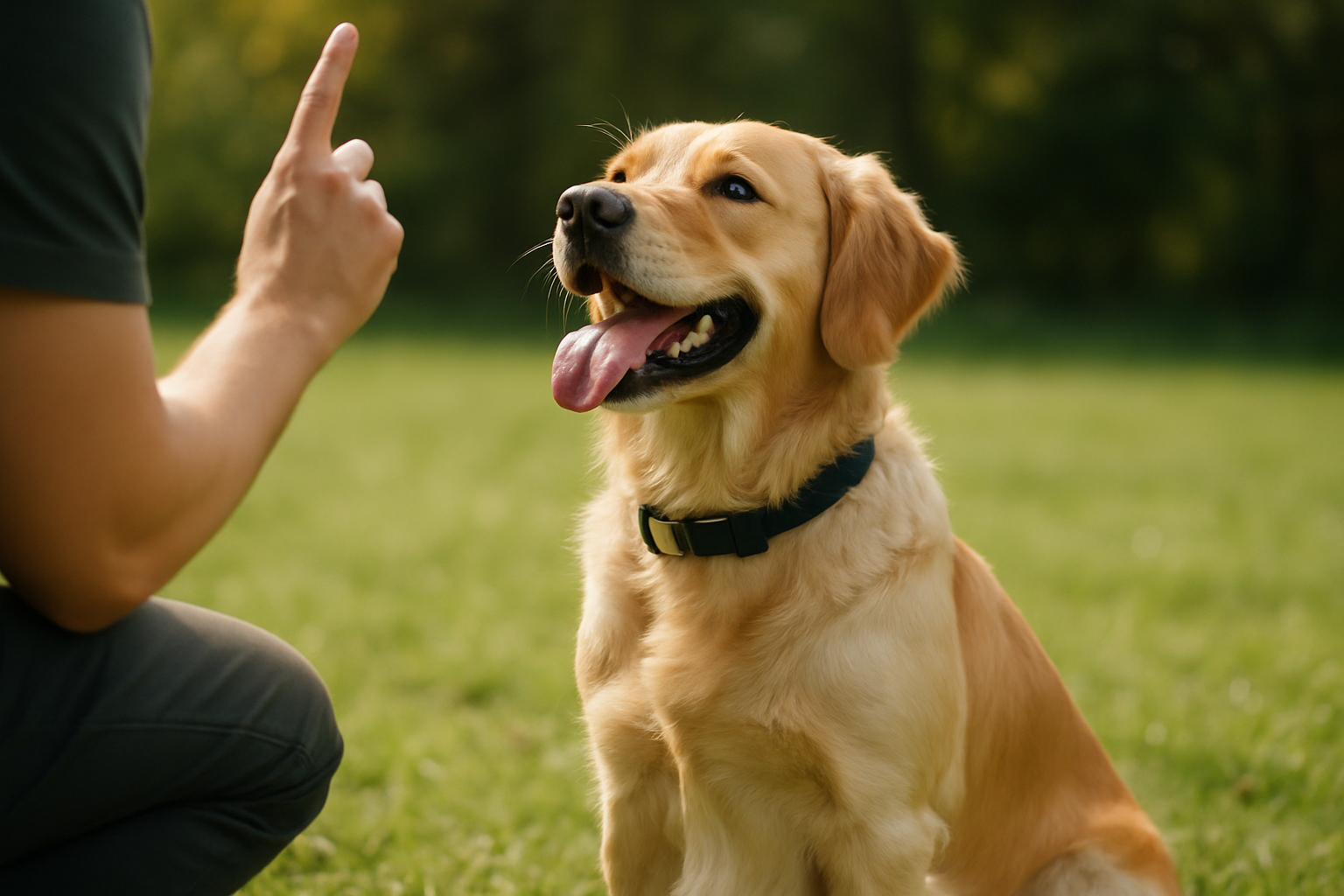
Puppy Socialization Schedule: Step-by-Step for Safe, Confident Growth
Bringing a new puppy home is exciting—but it's also overwhelming. Between potty training, vet appointments, and teaching basic commands, it's easy to overlook one of the most important tasks: socialization. Yet this early window is where your puppy learns whether the world is a safe, interesting place or a scary one they'd rather avoid.
The truth is, puppies who don't experience varied sights, sounds, people, and environments during their critical early weeks often grow into anxious or fearful dogs. They may develop unwanted behaviors, struggle with confidence, and create stress for both themselves and their owners. [1] On the flip side, puppies who are properly socialized become curious, adaptable, and confident companions who handle life's surprises with ease.
This guide breaks down a realistic socialization schedule you can follow from day one, along with practical tips to keep your puppy safe while building their confidence.
Why Puppy Socialization Matters More Than You Think
Socialization isn't just about letting your puppy play with other dogs. It's about systematically introducing them to the full spectrum of experiences they'll encounter as an adult dog—different people, environments, sounds, textures, and situations.
When puppies aren't exposed to new experiences early, they can develop what trainers call a "small, scary world." [1] A dog who's never heard a vacuum cleaner, seen a bicycle, or met someone wearing a hat might react with fear or aggression when they finally encounter these things as an adult. By then, these fearful responses are deeply ingrained and much harder to change.
Conversely, puppies who experience diverse, positive interactions during their early weeks learn that new things aren't inherently dangerous. This foundation of confidence carries through their entire lives, making them easier to train, less prone to behavioral issues, and genuinely happier.
The Critical Window: When to Start Socializing
The ideal time to begin socialization is as early as possible. Most puppies come home between 8 and 12 weeks of age, and this is when your socialization efforts should begin in earnest. [1]
However, timing matters when it comes to health and safety. Many vets recommend waiting until your puppy has received their initial vaccinations before exposing them to unfamiliar dogs or high-traffic public areas. Work with your veterinarian to understand your puppy's vaccination schedule, then plan your socialization activities accordingly.
The good news? You don't need to wait until your puppy is fully vaccinated to begin socialization. You can safely introduce them to:
- Trusted, vaccinated dogs and people in your home
- Calm household sounds and experiences
- Different surfaces (grass, tile, gravel, carpet)
- Gentle handling by family members and close friends
- Car rides and new environments where other unvaccinated puppies haven't been
Once your vet gives the all-clear, you can expand to more public settings and group puppy classes.
Month-by-Month Socialization Schedule
Weeks 8-12: Foundation Building at Home
Your puppy's first month home is all about creating a safe base while gently introducing new experiences.
What to focus on:
- Gentle handling: Touch their paws, ears, and mouth regularly so they're comfortable with grooming and vet exams later
- Household sounds: Let them hear the vacuum, dishwasher, doorbell, and television at normal volumes
- Different surfaces: Walk them on grass, tile, hardwood, and carpet
- Your family members: Ensure all household members interact positively with the puppy
- Car rides: Short, positive trips help prevent car anxiety
- Basic handling by trusted visitors: Have close friends and family gently pet and hold your puppy
Safety tip: Keep interactions brief and positive. If your puppy seems overwhelmed, give them a quiet space to decompress. Socialization should feel like play, not stress.
Weeks 12-16: Expanding Social Circles
Once your puppy has received their initial vaccinations (usually around 12 weeks), you can safely introduce them to more dogs and people.
What to focus on:
- Puppy socialization classes: This is an ideal time to enroll in a structured puppy class where your puppy can interact with other vaccinated puppies in a controlled environment. [1] Professional trainers can guide positive interactions and teach you how to respond appropriately when your puppy encounters new situations.
- Meeting friendly, vaccinated adult dogs: Arrange playdates with calm, well-behaved dogs you know and trust
- Diverse people: Introduce your puppy to people of different ages, sizes, and appearances (including people wearing glasses, hats, or uniforms)
- New environments: Visit quiet parks, pet-friendly stores, or outdoor patios where your puppy can observe new sights and sounds from a safe distance
- Different textures: Let them walk on sand, gravel, leaves, and water if they're willing
Training insight: Puppy classes serve a dual purpose. While your puppy learns to interact with peers, you'll learn how to use positive reinforcement and redirection to guide their behavior. [1] This two-way learning prevents frustration and confusion that can lead to behavioral problems later.
Weeks 16-20: Building Confidence and Independence
Your puppy is becoming more coordinated and confident. This is the time to gradually increase the complexity and novelty of their experiences.
What to focus on:
- More challenging environments: Visit busier parks, downtown areas, or pet-friendly outdoor markets
- Meeting strangers: Encourage friendly interactions with people you don't know (with their permission)
- Varied dog interactions: Continue group classes and arrange playdates with different dogs to build social skills
- Handling by strangers: Ask your vet, groomer, and trusted friends to gently handle your puppy
- New sounds: Expose them to traffic, sirens, construction sounds, and other urban noises from a safe distance
- Public spaces: Pet-friendly restaurants with outdoor seating, breweries, or shopping centers where dogs are welcome
Practical example: If you live in an urban area, your puppy might need exposure to buses, subways, and crowds. If you live rurally, prioritize farm animals, wildlife sounds, and large vehicles. Tailor socialization to your lifestyle.
Weeks 20-26: Refinement and Real-World Skills
By six months, your puppy has a foundation of confidence. Now it's time to refine their skills and prepare them for adult dog experiences.
What to focus on:
- Advanced obedience classes: Graduate from basic puppy classes to intermediate training that builds on foundation skills [4]
- Leash walking in varied settings: Practice walking in busy areas, on different surfaces, and around distractions
- Off-leash play in secure areas: Continue supervised playtime with trusted dogs
- Grooming exposure: Regular brushing, nail trimming, and bathing at home, plus visits to a groomer
- Veterinary handling: Frequent vet visits for check-ups help normalize the experience
- Separation practice: Gradually increase time away from you to prevent separation anxiety
Training consideration: At this stage, look for training programs that offer progressive levels. [4] A well-designed program starts with basics like sit and stay, then increases difficulty as your puppy progresses, keeping their brain engaged and preventing boredom.
Creating Your Personalized Socialization Plan
Every puppy and every owner's lifestyle is different. Use these guidelines to create a plan that works for you.
Start by asking yourself:
- What environments will my adult dog spend time in? (Urban streets, rural farms, dog parks, beaches, hiking trails?)
- What types of people will my dog encounter regularly? (Children, elderly relatives, delivery drivers, other dog owners?)
- What sounds and experiences are common in my area? (Traffic, construction, fireworks, crowds?)
- What activities do I want to do with my dog? (Hiking, café visits, dog sports, travel?)
Once you've answered these questions, prioritize exposing your puppy to those specific experiences during the socialization window.
Keep a socialization checklist: Write down experiences your puppy has had and any that still need to happen. This keeps you accountable and ensures you're covering all the important bases.
Working with Professional Trainers
While you can handle much of socialization yourself, professional guidance makes a significant difference. [1] Group puppy classes provide structured environments where puppies can learn appropriate social skills while you learn how to guide their behavior.
What to look for in a trainer or training facility:
- Positive reinforcement methods: Choose trainers who use reward-based techniques rather than punishment or intimidation. [4]
- Individual attention: Even in group classes, the instructor should spend time with each puppy and owner, not just focus on quick learners. [5]
- Flexible scheduling: Look for facilities that offer classes at various times (mornings, evenings, weekends) to fit your schedule. [5]
- Reasonable class size: Ideal puppy classes have 7-8 dogs with one or more instructors. Larger classes may feel impersonal. [5]
- Accessibility: A good trainer returns calls and emails promptly and is available when you have questions or concerns. [5]
- Credentials: Look for trainers certified by recognized organizations like the Certification Council for Professional Dog Trainers (CCPDT) or those aligned with the American Veterinary Medical Association (AVMA) and ASPCA standards. [4]
- Observation opportunities: Reputable trainers allow you to observe a class before enrolling. [5]
Questions to ask potential trainers:
- What training methods do you use and why?
- How do you handle puppies that struggle or learn slowly?
- What's included in the class fee, and are there additional costs?
- How long are classes and how many sessions are in a program?
- Can you provide references from recent clients?
- What happens if my puppy isn't ready to progress to the next level?
Common Socialization Mistakes to Avoid
Overwhelming your puppy: More exposure isn't always better. If your puppy shows signs of stress (tucked tail, hiding, whining), take a step back. Socialization should be gradual and positive.
Forcing interactions: Never force your puppy to interact with people or dogs they're nervous about. Let them approach at their own pace, and reward brave behavior with treats and praise.
Skipping the early window: The critical socialization period is roughly 8 to 16 weeks. While you can continue socializing beyond this period, early experiences have outsized importance. Don't delay.
Neglecting your own role: Your puppy takes emotional cues from you. If you're anxious or tense during socialization, your puppy will pick up on that. Stay calm and confident.
Assuming one puppy class is enough: A single class is a great start, but it's not a complete socialization program. Continue exposing your puppy to varied experiences beyond the classroom.
Ignoring health guidelines: Always follow your vet's vaccination recommendations. Socialization is important, but so is protecting your puppy from preventable diseases.
Socialization Beyond the First Six Months
Socialization doesn't end at six months. Dogs benefit from continued learning and exposure throughout their lives. [4] Think of training as a lifelong process that keeps your dog's mind sharp, reduces behavioral issues, and strengthens your bond.
As your puppy matures into an adolescent and then an adult dog, continue:
- Regular training classes or refresher sessions
- Varied outings to new places
- Playdates and social interactions
- New challenges and activities (agility, dock diving, nose work, hiking)
- Regular veterinary care and grooming
This ongoing engagement keeps your dog mentally stimulated and confident, preventing boredom-related behavioral problems and ensuring they remain a joy to live with.
Key Takeaways: Your Puppy Socialization Action Plan
- Start early: Begin socialization as soon as your puppy comes home, following your vet's vaccination guidelines.
- Be systematic: Use the month-by-month schedule as a framework, adapting it to your lifestyle and environment.
- Prioritize positive experiences: Every interaction should be safe, manageable, and rewarding for your puppy.
- Invest in professional guidance: Puppy classes and certified trainers provide structure, expertise, and accountability.
- Stay consistent: Regular, varied exposure is more effective than sporadic intense experiences.
- Watch for signs of stress: If your puppy seems overwhelmed, slow down and consult with a trainer or behaviorist.
- Remember the goal: A well-socialized puppy grows into a confident, adaptable adult dog who enjoys life and handles challenges with ease.
The effort you invest in socialization during your puppy's first six months pays dividends for the next 10-15 years. You're not just teaching your puppy to tolerate new experiences—you're building the foundation for a happy, confident, well-behaved companion who brings joy to your life and everyone they meet.