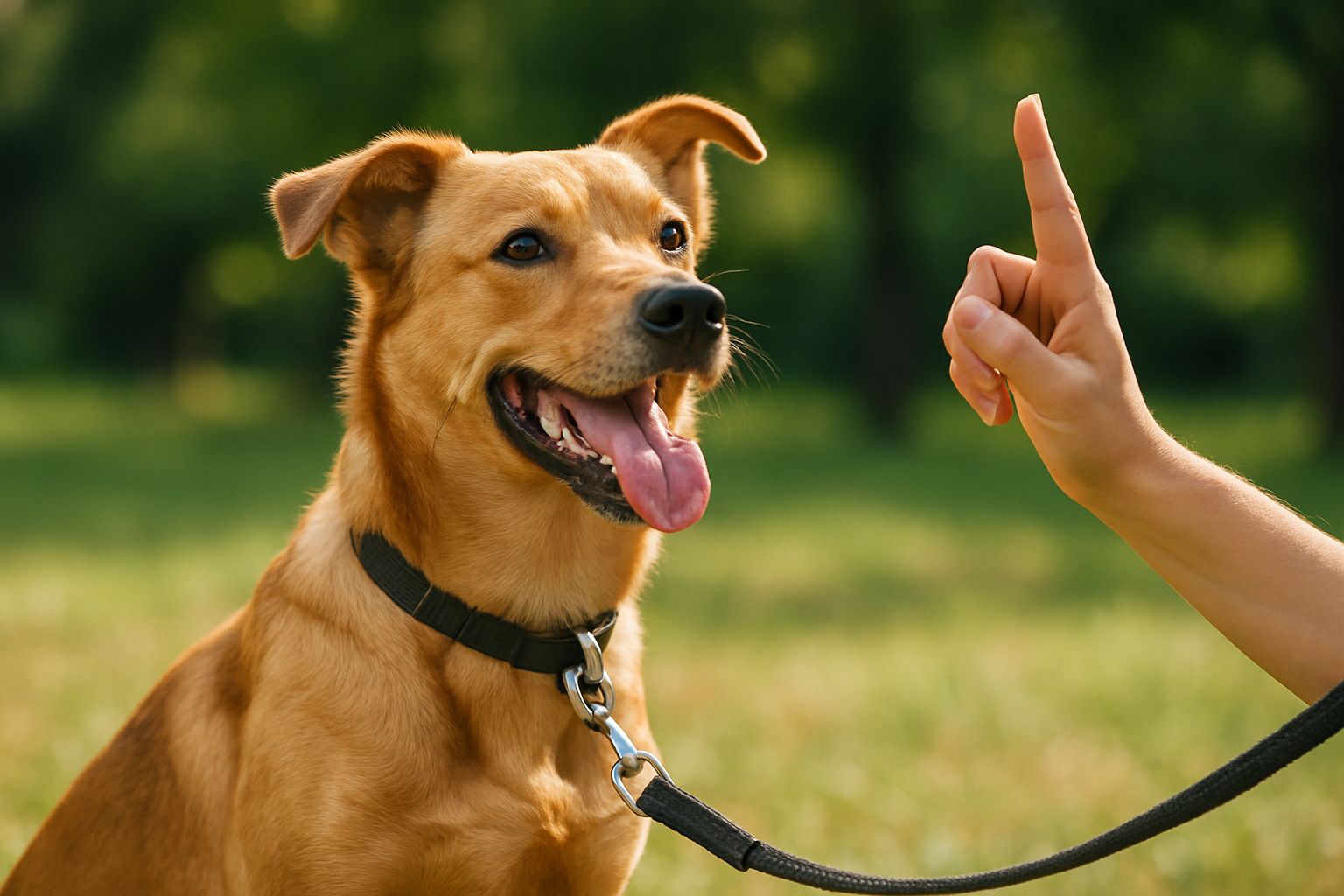
Puppy Biting During Teething: What's Normal and How to Stop It
If you're reading this with bite marks on your hands, holes in your socks, and a slightly frazzled expression, welcome to puppyhood. The constant nipping, gnawing, and mouthing can feel relentless—and you might be wondering if your adorable new family member is destined to become a biting machine. The truth? What you're experiencing is completely normal, and with the right approach, you can guide your puppy through this phase successfully.
Understanding Why Puppies Bite and Mouth Everything
Before we talk about stopping the behavior, it helps to understand what's actually happening. Your puppy isn't trying to be difficult or aggressive—they're exploring their world and dealing with significant physical discomfort, all at the same time.
Puppies are born with an instinctive drive to use their mouths. From the moment they open their eyes, their mouth is their primary tool for learning about their environment. They use mouthing to explore textures, test boundaries, and communicate emotions. This is called exploratory mouthing, and it's as natural to puppies as crawling is to human babies. [2]
But there's more happening than just curiosity. Around 3 to 4 months of age, your puppy's baby teeth begin falling out to make room for their adult teeth. This transition is uncomfortable—imagine teething multiplied by the fact that puppies have 28 baby teeth that need to be replaced by 42 adult teeth. That's a lot of dental activity happening in a small mouth. [3]
During this teething phase, your puppy's gums are sore and tender. The pressure of chewing actually helps relieve this discomfort, which is why they're seemingly attracted to your fingers, toes, furniture, and anything else they can get their teeth on. You might notice increased drooling or even tiny spots of blood on their toys—both are normal signs of the teething process. [3]
The Timeline: When Teething and Biting Peak
Understanding the timeline helps you know what to expect and when the intensity should decrease:
- 2 weeks old: Baby teeth begin to emerge
- 3-4 months old: Baby teeth start falling out; adult teeth begin coming in
- 4.5-5 months old: Most baby teeth have fallen out; adult teeth are largely in place
- 6 months old: Teething should be mostly complete, with all baby teeth shed [3]
The peak biting period typically occurs between 3 and 5 months of age. This is when your puppy has the most discomfort and the sharpest teeth, creating the perfect storm for intense mouthing behavior. Knowing this is temporary can help you stay patient during the challenging weeks ahead.
Is Your Puppy Biting Out of Play or Aggression?
One of the most common concerns new puppy owners have is whether their puppy's biting indicates future aggression. The reassuring truth: normal puppy mouthing and biting is not a sign your puppy will grow up to be aggressive. [2]
However, it's helpful to distinguish between playful mouthing and aggressive biting, as they require different responses:
Normal Playful Mouthing:
- Occurs during play or excitement
- Doesn't apply full pressure or may not make tooth contact at all
- The puppy's body is relaxed and playful
- Easy to interrupt or redirect
- Accompanied by play behavior like play bows or bouncing
Aggressive Biting:
- Hard pressure with teeth making contact
- Repeated grabbing or holding on
- Stiff body tension, especially in the face and jaw
- Lips pulled back to bare teeth
- Growling, snarling, or barking before or during the bite
- Difficult to interrupt [4]
If you're concerned your puppy is displaying aggressive biting rather than normal mouthing, consult with your veterinarian or a certified dog trainer. They can assess your individual puppy and provide personalized guidance.
Teaching Bite Inhibition: The Foundation of Training
While redirecting your puppy to toys is important, the most critical skill to teach during this phase is bite inhibition—the ability to control the force and intensity of their bite. [2]
Puppies naturally learn bite inhibition from each other during play. When one puppy bites another too hard, the recipient yelps loudly, signaling "that hurt!" This feedback teaches puppies to moderate their bite force. As their owner, you can replicate this process and teach your puppy that human skin is sensitive.
Dogs who learn proper bite inhibition as puppies are significantly safer around people and other animals throughout their lives. Even if an adult dog with good bite inhibition accidentally puts their mouth on someone—perhaps during a stressful veterinary visit—the outcome is likely to be harmless because they've learned to control their jaw pressure. [2]
The key to teaching bite inhibition effectively is gradual progression. If you stop all mouthing too early or too harshly, your puppy won't receive enough feedback to learn how to be gentle with their mouth.
Step-by-Step Bite Inhibition Training
For Puppies Under 5 Months Old:
Step 1: Accept Moderate Mouthing on Your Hands
During this phase, allow your puppy to mouth your hands gently during play. This might feel counterintuitive, but it's essential. Your puppy needs to learn the difference between acceptable and unacceptable pressure levels. [2]
However, redirect hard nipping and any mouthing on other body parts, clothing, or shoes. When your puppy bites too hard or targets inappropriate areas, respond with a loud but not frightening "ouch" and immediately turn your back. The key is to use a tone that communicates "that hurt" without scaring your puppy. [2]
Step 2: Create Brief Consequences
When your puppy continues hard mouthing or targets your clothing or shoes after your "ouch," take action. If you have a baby gate, pen, or separate room nearby, step over it and close it behind you for about 20 seconds. If you don't have a physical barrier, take your puppy to a designated time-out spot for the same duration. [2]
This isn't punishment in the traditional sense—it's a natural consequence. Your puppy learns that hard biting ends playtime, which is exactly what happens when puppies play too roughly with each other.
Step 3: When Your Puppy is Calm, Reconnect
After the brief time-out, turn back to your puppy and offer praise and attention. This teaches them that calm behavior brings you back. If they immediately return to hard mouthing, repeat the process. [2]
Step 4: Gradually Increase Standards
Every week, lower your tolerance for bite intensity slightly. Progress from accepting moderately hard mouthing to accepting only gentle mouthing, and eventually to no mouthing on your hands at all. This gradual process typically takes several weeks but creates lasting change. [2]
For Puppies Over 5 Months Old:
Once your puppy reaches 5 months, all mouthing—even gentle mouthing on hands—should be met with an "ouch" and a time-out. [2]
Redirecting to Appropriate Chew Toys
While teaching bite inhibition is crucial, you also need to give your puppy appropriate outlets for their natural chewing drive. Redirection is your first line of defense when you see mouthing behavior beginning.
The Redirection Technique:
When your puppy starts mouthing you, grab one of their approved chew toys and make it interesting. Squeak it, wave it in front of them, or animate it in a way that captures their attention. When your puppy redirects to the toy, praise them enthusiastically. [2]
This works best when you're proactive. Keep toys easily accessible in the rooms where you spend the most time with your puppy so you can quickly offer an alternative when you notice mouthing beginning.
Choosing the Right Teething Toys
Not all chew toys are created equal. The best options depend on your puppy's size, age, and activity level. [3]
Effective Teething Toy Options:
- Rubber teething toys: These can be frozen for extra soothing relief on sore gums. The cold reduces inflammation and provides comfort similar to what human babies experience with teething rings.
- Edible puppy teething rings: Designed specifically for puppies, these are safe to consume and satisfy the urge to chew while providing nutrition.
- Flavored puppy chew toys: Puppies are more motivated to chew toys that taste interesting. Look for age-appropriate options.
- Rope toys: Good for interactive play, though supervision is essential to ensure your puppy doesn't ingest fibers.
Safety Considerations:
Always supervise your puppy during chewing and playtime. Regularly inspect toys for signs of deterioration. Your puppy shouldn't be able to chew chunks off toys or pull pieces of fiber or stuffing from them. Sticks, while appealing to many puppies, can be hazardous and should be avoided. [3]
If you're unsure which toys are safe for your specific puppy, ask your veterinarian for recommendations tailored to your dog's size and chewing intensity.
Managing Energy and Frustration-Based Biting
Sometimes puppy biting isn't just about teething—it's also about excess energy and frustration. A puppy with pent-up energy is more likely to engage in intense mouthing. [4]
Energy Management Strategies:
- Increase outdoor playtime: Regular walks and play sessions burn energy and reduce the intensity of indoor mouthing.
- Structured training sessions: Short, focused training sessions (5-10 minutes) tire puppies mentally and provide appropriate outlets for their drive to engage.
- Puzzle toys and enrichment: Interactive toys that make puppies work for treats keep their minds engaged and reduce destructive behavior.
- Rotate toys: Puppies lose interest in the same toys. Rotating them keeps play fresh and maintains engagement.
If you notice your puppy gets more worked up when you yell during mouthing, skip the vocal feedback. Instead, calmly turn around, walk away, or gently place them in a crate for a few minutes to calm down. [3]
Puppy Socialization and Learning from Other Puppies
Once your puppy has received their second DHLPP vaccination, puppy socialization classes and puppy play groups become valuable resources. Other puppies naturally teach bite inhibition through their reactions. When one puppy bites another too hard during play, the recipient's yelp provides immediate, authentic feedback that's often more effective than anything an owner can do. [2]
Search online for organizations offering puppy socials in your area. These structured environments provide supervised play where puppies can learn appropriate interaction skills.
When to Seek Professional Help
Most puppies outgrow biting and mouthing naturally with consistent training. However, certain situations warrant professional guidance:
- Your puppy's biting seems aggressive rather than playful
- Bite inhibition training isn't showing progress after several weeks
- Your puppy is causing injury despite your training efforts
- You're unsure whether the behavior is normal or concerning
- Your puppy shows sudden changes in biting behavior
A certified dog trainer or veterinary behaviorist can assess your individual puppy and provide personalized training plans. They can also help you distinguish between normal development and behavioral concerns that need intervention.
Looking Ahead: After Teething is Complete
By around 6 months of age, your puppy's adult teeth should be fully in place, and the acute discomfort of teething should have passed. However, adult dogs still have a natural instinct to chew. [3]
Continue providing appropriate chew toys and edibles throughout your dog's life. This satisfies their natural urges and can help keep their teeth clean and healthy. Begin establishing a dental care routine early by getting your puppy accustomed to having their mouth and teeth touched. This foundation makes professional dental care easier as they mature.
Key Takeaways: Your Action Plan
Surviving puppy teething and biting requires patience, consistency, and the right strategies:
- Remember it's normal: Puppy mouthing and biting is healthy, age-appropriate behavior that doesn't indicate future aggression.
- Teach bite inhibition gradually: Allow moderate mouthing on hands while redirecting hard bites and mouthing on other body parts.
- Use the "ouch and turn away" technique: Provide immediate, clear feedback without frightening your puppy.
- Implement brief time-outs: 20-second separations teach that hard biting ends playtime.
- Redirect to appropriate toys: Keep chew toys accessible and make them interesting.
- Choose safe teething toys: Frozen rubber toys, edible rings, and flavored chews provide relief and appropriate outlets.
- Manage energy levels: Increase exercise and mental stimulation to reduce frustration-based mouthing.
- Enroll in puppy socials: Let other puppies reinforce bite inhibition through natural play feedback.
- Be consistent: Everyone in your household should respond to mouthing the same way.
- Stay patient: This phase is temporary, and with proper training, your puppy will learn to control their mouth.
The months of teething and mouthing will pass more quickly than you might think. By implementing these strategies now, you're investing in a well-mannered, safe adult dog who understands how to interact appropriately with people and other animals. Your patience during this phase pays dividends for years to come.