Dog Training Guide: Proven Methods for 2026
Every moment you spend with your dog is a teaching opportunity. Whether you're welcoming a new puppy home or working with an adult dog, understanding how dogs learn is the first step toward successful training. The good news? Modern dog training has moved away from punishment-based approaches and embraced methods that are gentler, more effective, and actually enjoyable for both you and your canine companion. [1]
If you've ever wondered why your dog jumps on guests, ignores the "stay" command, or seems anxious in certain situations, the answer often lies in how we're communicating with them. This guide will equip you with practical, science-backed training techniques you can implement immediately.
Understanding How Dogs Learn
Before diving into specific techniques, it's essential to understand the fundamental principle behind dog behavior: dogs repeat actions that work for them. [1] Your dog isn't trying to upset you or challenge your authority—they're simply doing what produces results from their perspective.
Consider this scenario: Your puppy jumps up to greet you, and you respond by petting them and talking to them while pushing them down. From your dog's viewpoint, jumping successfully gets them the attention they want. So they'll keep jumping. This is why understanding your dog's motivation is crucial to training success.
The key principle is this: identify what your dog values most—whether it's treats, toys, praise, or playtime—and use those rewards strategically to reinforce the behaviors you want to see more often. [1]
The Foundation: Positive Reinforcement Training
Positive reinforcement training focuses on rewarding desired behaviors rather than punishing unwanted ones. This approach is more effective, builds trust, and prevents fear-based behavioral issues. [4]
Why does this matter? When you use punishment or aversive methods, your dog may learn to avoid the behavior in your presence—but they don't understand why the behavior was wrong. Worse, they may develop anxiety or fear around the training situation itself, damaging your relationship.
With positive reinforcement, your dog understands exactly what earns rewards, making them eager to repeat those behaviors. [1]
Identifying High-Value Rewards
Not all rewards are equal in your dog's eyes. A high-value reward is something your dog genuinely wants in that moment. This might be:
- Small, soft treats (the size of a pencil eraser works well)
- A favorite toy or game
- Physical affection or praise
- Access to a desired activity (like going for a walk or playtime)
The most important rule: use the smallest treat possible that still motivates your dog. This prevents overfeeding and keeps training sessions effective without causing excitement overload. [1]
Three Core Training Techniques
1. Luring: Guiding Your Dog to Success
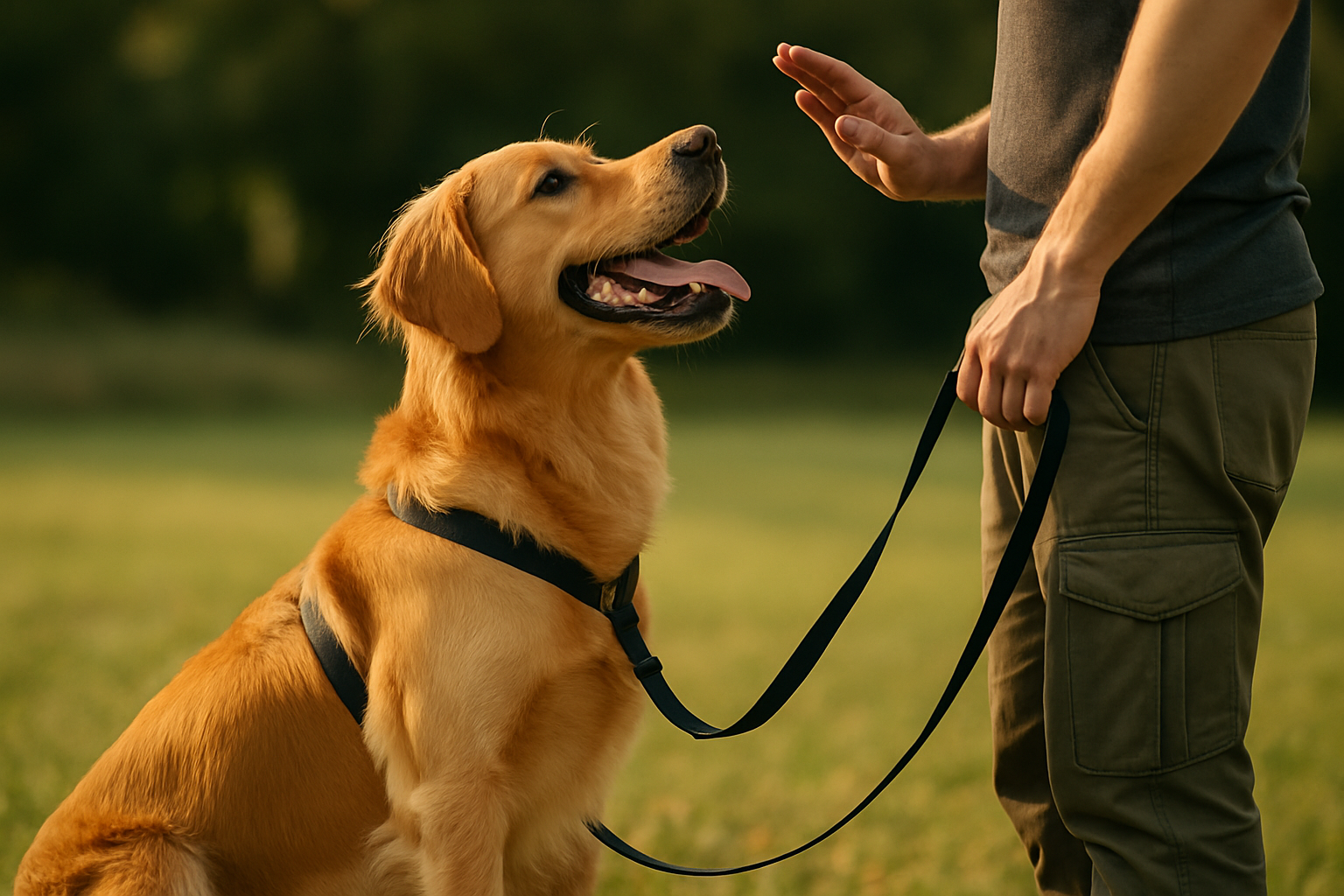
Luring is one of the fastest ways to teach a new behavior. You're essentially using a reward as a "magnet" to guide your dog's body into the position or movement you want. [1]
How to lure effectively:
- Hold the treat close enough that your dog can easily reach it without jumping or stretching excessively
- Move the treat slowly enough that your dog can follow it smoothly
- Deliver small pieces of the treat frequently during the movement to maintain engagement
- Once your dog understands the behavior, gradually phase out the lure by holding it less obviously
Practical example: To teach your dog to sit, hold a treat just above their nose and slowly move it backward and upward. As their nose follows the treat upward, their rear naturally lowers into a sit position. The moment their bottom touches the ground, mark the behavior with "Yes!" and deliver the treat. [1]
2. Capturing: Rewarding Natural Behaviors
Capturing involves watching for moments when your dog naturally does something you like, then marking and rewarding that behavior immediately. This trains you to become an observer of your dog's good choices—and there are more of them than you might realize. [1]
The process is simple:
- Watch for your dog doing something desirable (looking at you, lying calmly, approaching on their own)
- Mark the moment with a consistent word or sound ("Yes!" or a clicker)
- Immediately deliver a reward
- Repeat consistently
Real-world example: Your puppy naturally looks up at you while playing. The moment their eyes meet yours, say "Yes!" and give them a treat. Over time, your puppy learns that making eye contact with you results in rewards, and they'll start doing it more frequently. [1]
3. Shaping: Building Complex Behaviors Step by Step
Shaping involves breaking a complex behavior into tiny steps and rewarding progress toward the final goal. This technique is invaluable for teaching multi-step commands or behaviors that don't come naturally to dogs.
For example, teaching "come" might involve:
- First reward: Dog turns to look at you when you call their name
- Second reward: Dog takes one step toward you
- Third reward: Dog walks a few steps toward you
- Final reward: Dog reaches you and stops nearby
Each training session focuses on one small step, and you only progress when your dog consistently succeeds at the current level. [1]
Teaching Calm and Handling Skills
One of the most valuable skills you can teach your dog is the ability to settle and remain calm. This isn't just about obedience—it's about emotional regulation. Dogs that can settle on cue are safer, less anxious, and easier to manage in real-world situations. [2]
The Settle Exercise
The goal of a "settle" is for your dog to be both physically and emotionally relaxed. Here's how to teach it:
- Setup: Use a mat or dog bed placed beside your chair. Start in a quiet, distraction-free environment.
- Initial training: Ask your dog to lie down on the mat (or wait for them to do so naturally), then quietly drop a small treat between their front paws.
- Gradual progression: Deliver treats frequently at first to keep your dog lying down. Slowly increase the time between treats.
- Reward calm postures: Watch for signs of relaxation—soft body language, chin on the ground, shifting onto their hip—and reward these moments.
- Add the cue: Once your dog is consistently settling, introduce the verbal cue "settle" just as they begin to relax.
Important tips: Use a calm, quiet tone throughout training. Avoid making direct eye contact or handing treats directly to your dog, as this can create excitement. Instead, drop treats between their front paws. [2]
The Touching Game: Preparation for Handling
Many dogs become anxious during grooming, nail trimming, or veterinary exams. The Touching Game trains your dog to remain calm when handled, which is invaluable for their health and safety. [2]
How to practice:
- Choose a designated handling station (grooming table, low platform, or even a specific spot on the floor)
- Deliver treats as your dog sits or stands calmly
- Gently touch one part of their body and immediately give a treat
- Gradually increase the number of body parts touched, types of touch (soft, firm, fast, slow), and duration of touch
- Work toward touching sensitive areas like ears, paws, mouth, and tail
If your dog tenses, shies away, or shows any signs of discomfort, slow down and consult with a certified trainer or veterinary behaviorist before progressing. [2]
Addressing Behavioral Challenges: Desensitization and Counterconditioning
Some dogs struggle with fears, anxieties, or reactive behaviors. Two powerful techniques—desensitization and counterconditioning—can help your dog feel more comfortable in triggering situations. [3]
Desensitization: Gradual Exposure
Desensitization involves gradually exposing your dog to a trigger stimulus at very low intensity, then slowly increasing the intensity over time until the stimulus no longer causes an emotional reaction. [3]
Example: If your dog is afraid of the coffee grinder, you might:
- Place the grinder in a padded jacket to muffle the sound
- Position your dog far enough away that they show no fear response
- Gradually move closer and reduce the sound dampening over multiple sessions
- Eventually, your dog becomes comfortable with the grinder at full volume
Counterconditioning: Changing Emotional Responses
Counterconditioning pairs the trigger with something positive, changing your dog's emotional response from negative to positive. The most common approach is offering high-value treats whenever the trigger appears. [3]
Combined approach: For best results, combine desensitization with counterconditioning. Expose your dog to a low-intensity trigger while delivering treats, gradually increasing intensity over time. This ensures your dog isn't frightened while creating positive associations. [3]
Important caution: These techniques can take weeks or months depending on the intensity of your dog's response. Never force progression if your dog shows signs of fear or distress. If you notice your dog becoming more reactive (sensitization) rather than improving, pause training and consult with a veterinary behaviorist. [3]
Common Training Goals and How to Achieve Them
House Training
House training begins from day one and relies on management, supervision, and positive reinforcement. [1] Take your puppy outside frequently (after meals, naps, playtime, and before bedtime), reward them enthusiastically when they eliminate outside, and supervise closely indoors to prevent accidents.
Walking on a Leash
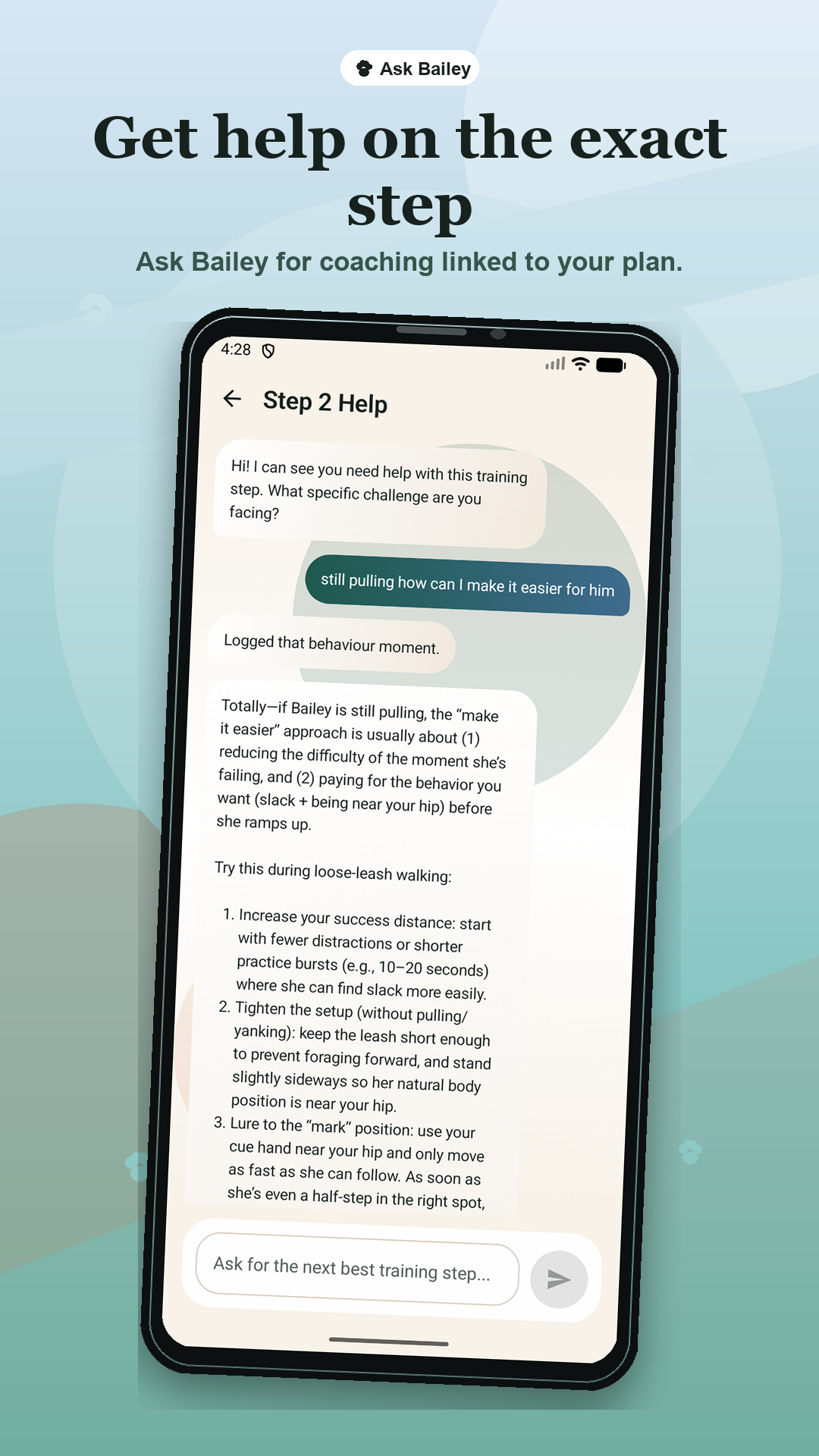
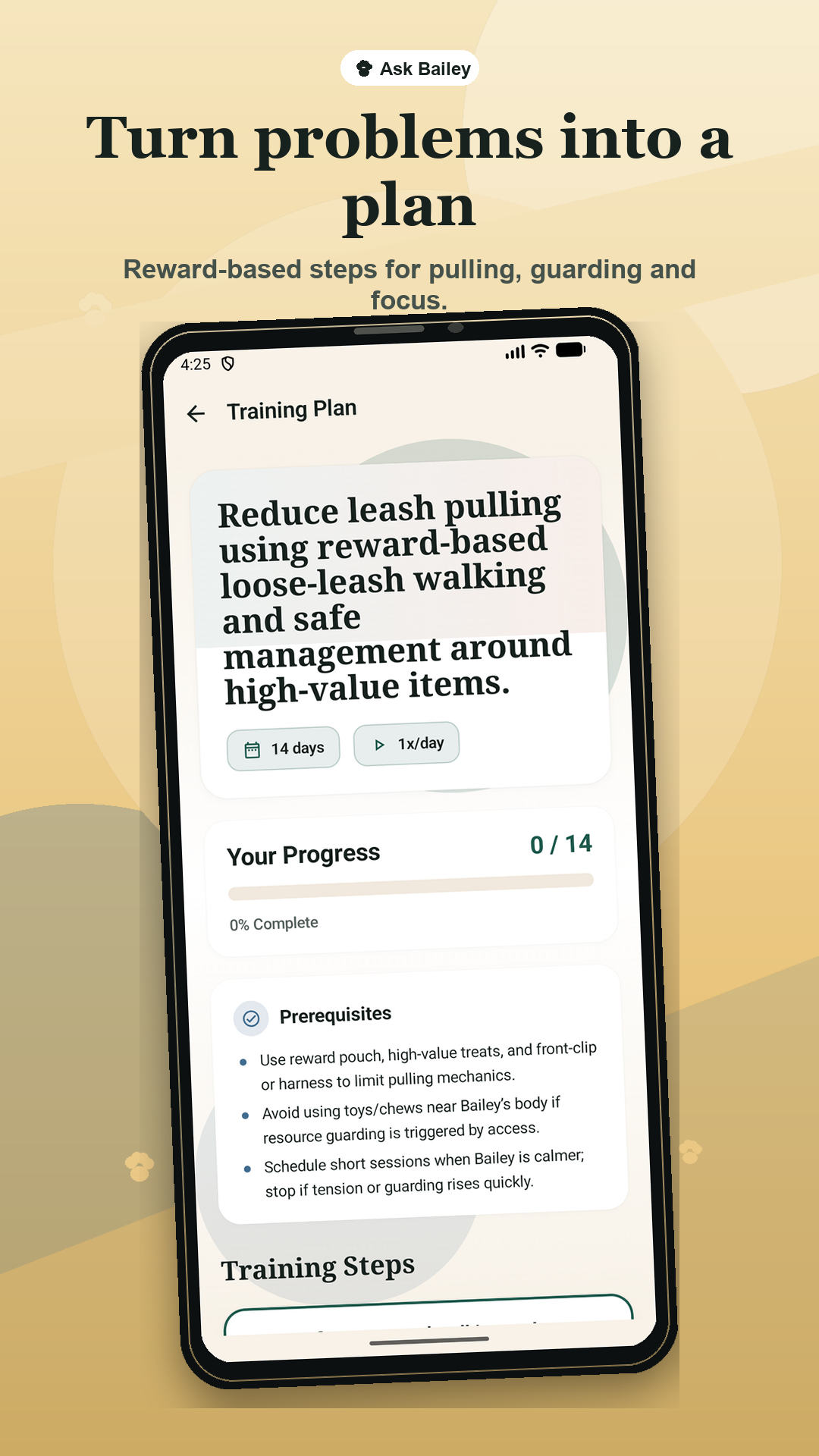
Use luring to teach your dog to walk beside you. Start in a quiet area with high-value treats. Reward your dog for staying near your leg as you walk, gradually increasing distance and distractions. [4]
Jumping on Guests
Use response substitution: teach your dog an incompatible behavior like sitting or lying on a mat when guests arrive. Reward this alternative behavior consistently, and soon your dog will greet visitors politely. [3]
Barking and Chewing
Address the root cause. Ensure your dog gets adequate physical exercise and mental stimulation daily. For excessive barking or destructive chewing, teach alternative behaviors like settling on a mat or playing with appropriate toys. [Source 2, Source 4]
Building Your Training Plan
Successful training isn't about one perfect session—it's about consistency over time. Here's how to structure your approach:
- Keep sessions short: 5-15 minutes is ideal for puppies and dogs with short attention spans
- Practice daily: Multiple short sessions are more effective than one long session
- Use high-value rewards: Match the difficulty of the behavior to the value of the reward
- End on success: Always finish training with a behavior your dog knows well, so they end the session confident and happy
- Stay patient: Progress takes time. Celebrate small wins along the way
- Manage the environment: Set your dog up for success by controlling distractions during early training
When to Seek Professional Help
While many training goals can be achieved at home, certain situations warrant professional guidance. Consider consulting with a certified dog trainer or veterinary behaviorist if your dog:
- Shows signs of aggression or bite risk
- Experiences severe anxiety or fear
- Has sudden changes in behavior
- Isn't responding to your training efforts after several weeks
- Shows signs of pain or physical discomfort during training
A qualified professional can assess your dog's specific situation and create a customized training plan. [Source 2, Source 3]
The Bigger Picture: Training Strengthens Your Bond
Beyond teaching your dog to sit or come, training strengthens the relationship between you and your companion. When you consistently reward your dog for good choices, you're building trust and communication. Your dog learns that you're predictable, fair, and genuinely interested in their success. [4]
Training also improves your dog's safety, confidence, and quality of life. A well-trained dog has more freedom—more off-leash opportunities, more social interactions, and more adventures—because you can trust them to make good choices.
Key Takeaways
- Dogs learn by doing what works for them. Use positive reinforcement to make good behavior rewarding.
- Master three core techniques: luring, capturing, and shaping.
- Teach your dog to settle and remain calm—one of the most valuable life skills.
- Use desensitization and counterconditioning to address fears and anxieties.
- Keep training sessions short, consistent, and fun.
- Celebrate progress, no matter how small.
- Seek professional help when needed—there's no shame in working with an expert.
Training your dog is one of the most rewarding investments you can make. Start today with patience, consistency, and a clear understanding of what your dog finds rewarding. The bond you build through training will last a lifetime.
Sources & References
- https://vcahospitals.com/know-your-pet/puppy-behavior-and-training-training-basics
- https://vcahospitals.com/know-your-pet/dog-behavior-and-training---teaching-calm---soft-and-handling-exercises
- https://vcahospitals.com/know-your-pet/introduction-to-desensitization-and-counterconditioning
- https://vcahospitals.com/healthy-paws/services/pet-counseling/obedience-training
- https://vcahospitals.com/seaside/services/pet-counseling/obedience-training