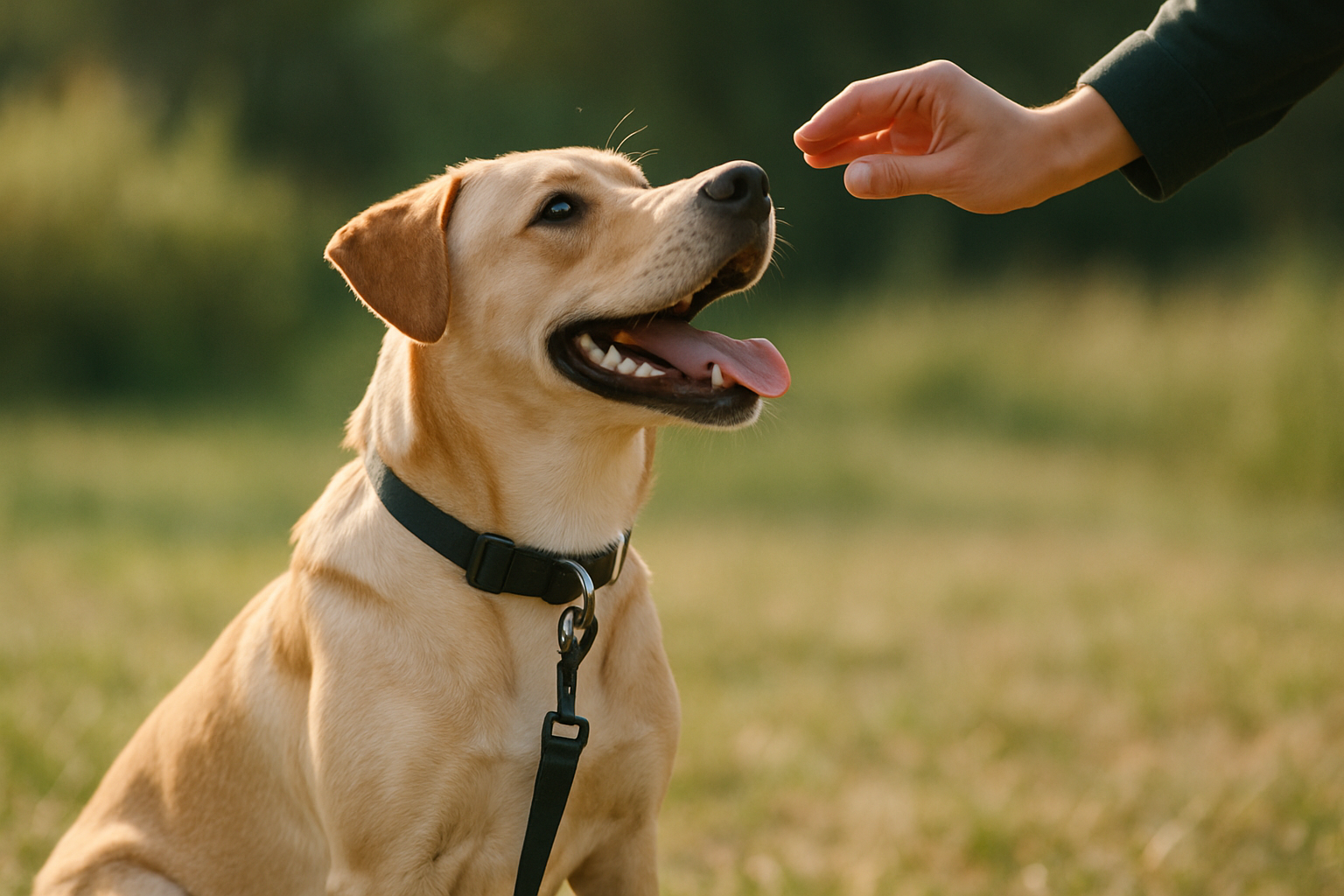
Early puppy bonding techniques are the key to building a strong, lasting connection with your new furry friend. You've just brought your puppy home, and those first few weeks are critical—your puppy is learning to trust you and forming lasting impressions that will shape your relationship for years to come.[3] The truth is, puppies don't automatically form bonds with humans, but they absolutely can when you use the right approach. This guide walks you through practical, proven bonding techniques that fit into your real life, helping your puppy recognize you as a trusted companion and source of safety and comfort.
Early Puppy Bonding: Practical Techniques That Work
You've just brought your new puppy home. Their tiny paws pad across your floors, their eyes are wide with curiosity, and you're already imagining all the adventures ahead. But there's something on your mind: How do I actually bond with this little creature?
The truth is, puppies don't automatically form bonds with humans—but they absolutely can, and the earlier you start, the stronger that connection becomes. The first few weeks and months with your puppy are critical. During this time, your puppy is learning to trust you, recognizing your unique presence, and forming lasting impressions that will shape your relationship for years to come. [3]
This guide walks you through practical, proven bonding techniques that fit into your real life—no complicated training degrees required.
Why Early Puppy Bonding Matters
Before we dive into the "how," let's talk about the "why." Bonding with your puppy does more than just feel good—it fundamentally changes your relationship and sets the stage for a well-adjusted, confident adult dog.
When your puppy bonds with you, they learn to trust your guidance, making training smoother and more effective. A bonded puppy is less likely to develop destructive behaviors, separation anxiety, or fear-based issues. They see you as a source of safety, comfort, and fun. [2]
Research shows that positive interactions between humans and dogs improve well-being for both parties. [2] That means bonding isn't just good for your puppy—it's good for you too.
The ideal window for establishing these connections is between 4 and 12 weeks of age, though you can begin bonding the moment your puppy arrives home. [2]
How Puppies Recognize and Connect With You
Understanding how your puppy perceives the world helps you bond more effectively. Puppies don't see or hear like we do, but they have their own sophisticated ways of identifying and connecting with their humans.
Scent: Your Puppy's Primary Language
A dog's sense of smell is extraordinarily powerful—far more advanced than human olfaction. Your puppy can recognize you by scent alone within seconds, distinguishing your unique smell from everyone else in the household. [3]
What this means for bonding: Consistent presence and gentle handling imprint your scent as a sign of safety. Your puppy learns that your smell equals comfort and care.
Voice and Tone
Puppies are incredibly sensitive to how you sound. They pick up on tone, pitch, and cadence—often before they understand individual words. A calm, happy voice reinforces trust, while harsh tones can create anxiety. [3]
What this means for bonding: The way you speak to your puppy matters as much as what you say. A warm, encouraging tone paired with positive experiences (treats, play, praise) strengthens your bond.
Sight and Body Language
While puppies' eyesight develops gradually, they learn to recognize your face, body shape, and movement patterns. They also pick up on your body language—whether you're relaxed or tense, playful or serious. [3]
What this means for bonding: Stay calm and confident around your puppy. They mirror your energy. A relaxed owner creates a relaxed puppy.
Touch
Physical contact is a powerful bonding tool. Gentle petting, cuddles, and handling teach your puppy that your touch means safety and affection. [3]
Six Core Bonding Techniques You Can Start Today
1. Establish Clear Communication
Your puppy doesn't understand English, but they can learn to recognize specific words and respond to your tone. Clear communication builds trust because your puppy begins to understand what you expect and feels confident in meeting those expectations. [1]
How to do it:
- Use an excited, motivating tone when you want to encourage play or action
- Switch to a calm, neutral voice when you want to soothe or settle your puppy
- Teach your puppy to recognize their name through repetition and reward
- Start with one simple command (like "sit") and reward heavily when they comply
- Use food luring and eye contact to reinforce these early lessons
When your puppy learns that following your cues leads to rewards—treats, praise, play—they begin to see you as a trusted guide rather than an unpredictable figure.
2. Create a Predictable Daily Routine
Puppies thrive on structure. A consistent schedule isn't just about housetraining—it's one of the fastest ways to build confidence and deepen your bond. When your puppy knows what comes next, they feel secure. [1]
Your puppy's daily routine should include:
- Feeding times (typically 3–4 meals for young puppies)
- Potty breaks (after meals, naps, and play)
- Playtime and interactive bonding sessions
- Training time (short, 5–10 minute sessions)
- Nap time (puppies need lots of sleep)
- Walks or outdoor exploration
- Grooming and handling practice
Try to align your puppy's schedule with your own daily rhythm so they genuinely become part of your family routine, not an add-on.
3. Play Interactive Games Together
Nothing strengthens your bond faster than shared playtime. Games aren't just fun—they're bonding rituals that teach your puppy to trust you, listen to you, and see you as a source of joy. [1]
Three games that build bonds:
Hide and Seek
Start simple: hide behind a couch or door while your puppy watches, then call their name excitedly. When they find you, reward generously. As they improve, hide in more challenging spots. This game teaches your puppy to seek you out and rewards them for coming to you. [1]
Fetch
Throw a toy a short distance and encourage your puppy to retrieve it. When they return, reward with treats or praise. This teaches your puppy to come back to you—a critical safety skill and bonding moment. [2]
Tug-of-War
A gentle game of tug teaches your puppy to listen to you even during exciting play. Use a toy and let your puppy "win" sometimes, but establish that you can end the game with a "drop it" command. This reinforces your role as a fair leader. [1]
The key: keep play sessions short (10–15 minutes) and always end on a positive note.
4. Hand-Feed Treats and Meals
One of the most underrated bonding techniques is hand-feeding. When your puppy takes food gently from your hand, they're learning that your hands mean good things. [3]
How to practice:
- Start with small, soft treats
- Hold the treat in your open palm
- Let your puppy take it gently (reward calm behavior)
- Gradually increase the frequency
- For meals, hand-feed a portion of their kibble during training sessions
This simple practice creates powerful positive associations between your presence and nourishment—a fundamental bonding element.
5. Handle Your Puppy Gently and Purposefully
How you touch your puppy shapes their trust. Gentle handling during grooming, nail trimming, and bathing isn't just practical—it's bonding time. [3]
Best practices for handling:
- Support their body properly when picking them up (one hand under the chest, one under the rear)
- Avoid sudden movements that might startle them
- Practice touching their paws, ears, and mouth gently—this prepares them for vet visits
- Use a calm voice and slow movements during grooming
- Never force interaction if your puppy seems scared; instead, offer gentle encouragement
Puppies that are handled confidently and kindly grow into dogs comfortable with grooming, vet exams, and everyday care.
6. Set Boundaries With Consistency and Kindness
This might sound counterintuitive, but boundaries actually strengthen your bond. Clear, consistent rules help your puppy understand their place in your family and look to you for guidance. [1]
Establishing healthy boundaries:
- Use baby gates or playpens to keep your puppy in safe, supervised areas
- Redirect unwanted behaviors gently (move them away from the couch, offer a toy instead)
- Never yell at or physically punish your puppy—this damages trust [3]
- Be consistent: if jumping is off-limits, enforce it every time
- Reward good behavior heavily so your puppy chooses to follow the rules
A puppy with clear boundaries feels secure. They know what's expected and experience you as a fair, predictable leader.
What to Avoid: Bonding Mistakes
Bonding isn't just about what you do—it's also about what you don't do. Some well-meaning behaviors can actually hinder your connection with your puppy.
Avoid these common mistakes:
- Forcing socialization: Don't rush your puppy into overwhelming situations. Gradual, positive exposure to new people, places, and experiences is better than forcing them into a crowded park before they're ready. [2]
- Using harsh tones or punishment: Yelling, scolding, or physical punishment creates fear, not respect. Your puppy will become anxious around you rather than trusting you. [3]
- Neglecting play and interaction: A puppy left alone without consistent interaction won't bond effectively. They need regular, frequent engagement. [3]
- Ignoring their comfort level: If your puppy is scared of something, respect that fear and work through it gradually. Pushing them creates anxiety. [2]
- Inconsistency: Changing rules or routines confuses your puppy and undermines trust. Consistency is crucial. [2]
Signs Your Bonding Efforts Are Working
How do you know if your puppy is actually bonding with you? Look for these positive indicators:
- Your puppy seeks you out for comfort or play
- They greet you enthusiastically when you arrive home
- They follow you from room to room
- They make eye contact with you during training or play
- They come when called (most of the time)
- They communicate their needs (scratching at the door to go outside, bringing you their food bowl)
- They're calm and relaxed in your presence
- They trust you to handle them during grooming or vet visits
These signs show that your puppy sees you as a trusted companion, not just a food source.
Timeline: What to Expect
Bonding doesn't happen overnight, but it also doesn't require months of effort. The timeline varies depending on your puppy's age, temperament, and background. [2]
Week 1-2: Your puppy is adjusting to their new home. Expect some confusion and anxiety. Focus on creating a safe, predictable environment.
Week 3-4: Your puppy begins recognizing you and your routines. Simple games and hand-feeding start showing results.
Month 2-3: Your puppy's bond with you deepens noticeably. They seek you out, respond to their name, and show signs of trust.
3+ months: A strong foundation is in place. Your puppy sees you as their trusted leader and primary source of safety.
Some puppies bond within days; others need several weeks. Patience and consistency matter more than speed. [2]
The Long-Term Payoff
The time and effort you invest in bonding during these early weeks pays dividends for years. A well-bonded puppy becomes:
- Easier to train (they want to follow your guidance)
- More confident and adaptable as an adult
- Less prone to anxiety, aggression, or destructive behaviors
- A loyal, affectionate companion who genuinely enjoys your company
Early bonding isn't a chore—it's an investment in the relationship you'll share with your dog for the next 10–15 years.
Your Action Plan: Start Today
Ready to deepen your bond with your puppy? Here's what to do right now:
- Create a daily schedule and post it somewhere visible. Include feeding, potty breaks, play, training, and naps.
- Choose one interactive game (Hide and Seek is great for beginners) and play it for 10 minutes today.
- Hand-feed a portion of your puppy's next meal using small pieces as training rewards.
- Practice one simple command (sit, come, or down) using an excited, positive tone.
- Set one boundary (like keeping your puppy off the couch) and enforce it consistently.
You don't need to do everything at once. Start with these five actions, build consistency, and watch your bond grow stronger each day.
Your puppy is ready to bond with you. The question is: are you ready to meet them halfway?