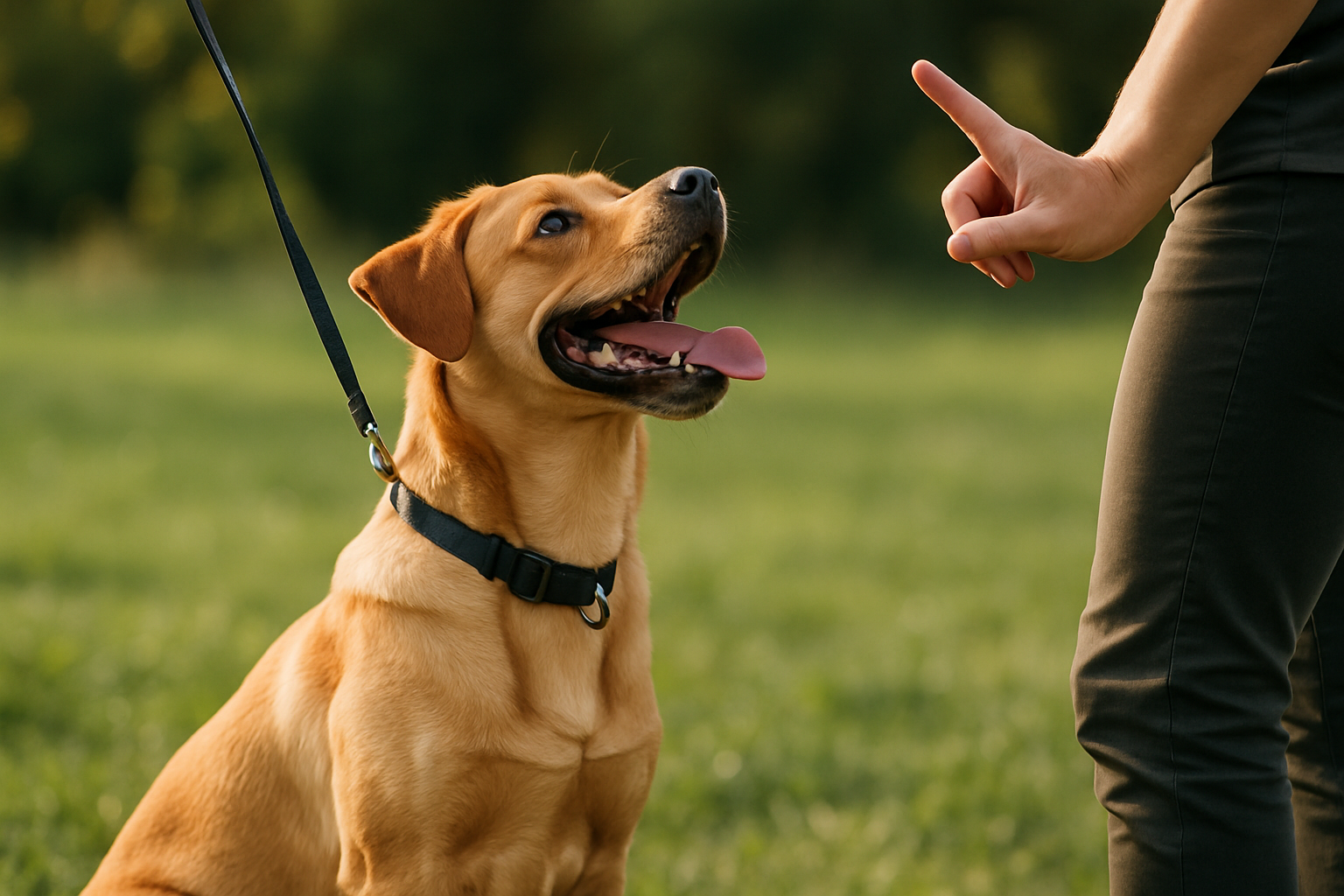
How to Stop Puppy Jumping on People: A Complete Training Plan & Exercises
Your adorable puppy bounds toward you with unbridled excitement, launching themselves at your chest for a greeting. While it's endearing when they weigh five pounds, puppy jumping becomes problematic as your dog grows. Muddy paws on clean clothes, scratched legs, and the risk of knocking over children or elderly visitors are all real concerns that make addressing this behavior essential. The good news? Jumping is completely trainable, and with the right approach, your puppy can learn polite greeting habits that last a lifetime.
Why Do Puppies Jump? Understanding the Root Cause
Before diving into solutions, it helps to understand what's driving your puppy's jumping behavior. Jumping isn't a sign of aggression or dominance—it's actually a natural canine greeting instinct. [4] When puppies jump, they're attempting to greet you face-to-face, just as they would with their littermates or mother dog. From your puppy's perspective, jumping is an effective communication strategy that accomplishes two important goals: getting closer to your face and capturing your attention.
The real problem is that jumping gets rewarded—often unintentionally. When your puppy jumps and you respond with any form of attention—whether it's petting, talking, pushing them away, or even yelling—you're reinforcing the behavior. [1] Even negative reactions count as rewards to a puppy seeking engagement. This creates a cycle where jumping becomes your puppy's go-to greeting strategy because it consistently delivers what they want most: your attention.
Additionally, puppies are naturally energetic and excitable. Without proper exercise and mental stimulation, they channel that excess energy into jumping and other attention-seeking behaviors. [3] Understanding these underlying motivations is crucial because it shifts your training focus from punishment to redirection and reward.
The Core Training Principle: Teach an Alternative Behavior
The most effective approach to stopping puppy jumping isn't about punishing the behavior—it's about teaching an incompatible alternative. [2] Your puppy can't jump and sit simultaneously, nor can they jump while keeping all four paws on the ground. By teaching your puppy what to do instead of what not to do, you give them a clear path to success.
This principle is fundamental to positive reinforcement training. Rather than focusing solely on eliminating jumping, you're actively teaching your puppy a new greeting ritual that earns rewards. This approach is faster, more humane, and creates a stronger bond between you and your puppy because they understand exactly what behavior pleases you.
Choose Your Greeting Rule
Before you begin training, decide what appropriate greeting behavior looks like in your household. Common options include:
- Four paws on the floor: Your puppy keeps all feet on the ground while greeting people. This is the most flexible option and allows for engagement without jumping.
- Sit for greetings: Your puppy sits when someone approaches or when they greet you. This creates a clear, easy-to-understand rule.
- Lie down: For puppies that need an even calmer greeting, lying down is an excellent choice.
Choose whichever rule feels most natural for your household, but commit to it consistently. [2] Inconsistency—allowing jumping in some situations but not others—confuses puppies and undermines training progress.
Training Plan: Step-by-Step Exercises
Exercise 1: The "Four on the Floor" Method
This exercise teaches your puppy that keeping all four paws on the ground brings rewards, while jumping brings nothing.
What you'll need: High-value treats (small pieces work best), a willing helper or family member, and patience.
Steps:
- Have a helper approach your puppy as if greeting them.
- Before your puppy can jump, immediately drop treats on the floor near their nose.
- As your puppy lowers their head to eat the treats, provide verbal praise: "Yes! Good puppy!"
- Once your puppy finishes the treats and their paws remain on the ground, your helper can pet and verbally praise them.
- If your puppy jumps at any point, have your helper immediately turn away and stop all interaction.
- Wait for your puppy to settle, then repeat the exercise.
Key timing tip: The critical element here is speed. [1] You must anticipate the jumping and deliver treats before your puppy even considers launching. This prevents them from practicing the unwanted behavior in the first place. Over multiple repetitions, your puppy learns that four paws on the floor equals treats and attention, while jumping equals nothing.
Exercise 2: Sit for Greetings
This exercise is particularly effective because sitting is incompatible with jumping and most puppies can learn it quickly with proper foundation training.
Prerequisites: Your puppy should have a reliable sit command in low-distraction environments before attempting this exercise. If your puppy is still struggling with sit, spend 1-2 weeks practicing it during everyday moments (before meals, before going outside, before playtime) to build a strong foundation.
Steps:
- When you arrive home or a visitor enters, immediately ask your puppy to sit before any greeting occurs.
- The moment their bottom touches the ground, provide enthusiastic praise and treats.
- Have your visitor pet and engage with your sitting puppy.
- If your puppy stands up to jump, immediately withdraw attention by turning away or stepping back.
- Wait for them to sit again, then resume petting and praise.
- Practice this repeatedly until your puppy automatically sits when they see someone approaching.
Progression: As your puppy improves, gradually reduce the need to ask for sit. Eventually, they'll sit automatically when greeting people because they've learned that sitting earns the reward of attention.
Critical Management Strategies
While you're actively training your puppy, you must simultaneously prevent them from practicing jumping. Every time your puppy successfully jumps and gets attention, they're reinforcing the behavior. [1] Management prevents these practice opportunities.
At Home
- Use a dog gate: Install a barrier at your front entrance so your puppy can't rush visitors. This gives you time to prepare and set up for proper greetings.
- Leash management: Keep your puppy on a leash during visitor arrivals until they consistently follow your greeting rule. This gives you immediate control.
- Crate or "place" command: If your puppy has a strong "go to your place" cue, send them to their mat or crate when the doorbell rings. This removes the opportunity to jump entirely while you greet your visitor.
- Distraction redirection: Keep toys and treats near your front door. Toss a treat away from the entryway to occupy your puppy's attention while your visitor enters. Alternatively, let your guest offer the treat or toy as a reward for appropriate greeting behavior.
On Walks and Outdoors
Managing jumping outdoors is trickier because you can't control how strangers react. [1] Until your puppy masters appropriate greetings with familiar people, avoid allowing your puppy to greet unfamiliar people on the street. Instead, use these strategies:
- Use a "watch me" cue to redirect your puppy's attention to you before they can approach a stranger.
- Squeak a toy or use a high-pitched sound to capture their focus.
- Ask strangers to ignore your puppy if they don't follow the greeting rule, then reward your puppy for walking past without jumping.
- Once your puppy consistently follows your greeting rule with familiar people, you can gradually introduce controlled greetings with cooperative strangers.
What NOT to Do: Common Training Mistakes
Well-intentioned owners often accidentally reinforce jumping by using counterproductive techniques:
- Don't grab their paws: Even if you're trying to push them down, physical contact is still attention and can feel like a game to your puppy.
- Don't yell or scold: Yelling provides attention, which is exactly what your jumping puppy wants. It won't stop the behavior.
- Avoid knee-bumping: While sometimes recommended, this technique can damage trust and some puppies interpret it as playful interaction, making them more excited.
- Don't be inconsistent: If you allow jumping in some situations (like when you're wearing casual clothes) but not others (like when dressed up), your puppy becomes confused and training stalls.
[2] These negative interactions still provide the attention your puppy craves, making them ineffective for behavior change.
The Importance of Consistency Across All People
Here's a critical factor that determines your training success or failure: everyone who interacts with your puppy must follow the same rules. [5] If you're diligently training your puppy not to jump, but your dog walker enthusiastically encourages jumping, or a family member pets your puppy when they jump, you're working against yourself.
Variable reinforcement—sometimes rewarding a behavior and sometimes not—actually makes unwanted behaviors stronger. [5] Your puppy learns that jumping might get rewarded, so they keep trying. This is similar to how slot machines work: the unpredictability makes the behavior more persistent.
What to do: Communicate your training goals to everyone who interacts with your puppy, including family members, dog walkers, pet sitters, and frequent visitors. Explain the greeting rule and why consistency matters. Most people are happy to help once they understand they're supporting your training efforts.
Building a Strong Foundation: Exercise and Training
Jumping often stems from excess energy and insufficient mental stimulation. [3] A tired puppy is a well-behaved puppy. Ensure your training plan includes:
- Age-appropriate exercise: Puppies need regular play and walks, but avoid excessive jumping activities (like fetch) that could strain developing joints. Consult your veterinarian about appropriate exercise levels for your puppy's age and breed.
- Mental stimulation: Puzzle toys, training sessions, and scent games tire puppies mentally, reducing the urge to jump and seek attention through misbehavior.
- Basic obedience training: Teaching sit, down, come, and leave it provides mental exercise and gives your puppy alternative ways to earn your attention. [3] A puppy that knows how to sit for rewards has less reason to jump for them.
- Calm greetings: During the learning phase, keep your own greetings low-key. If you arrive home with high energy and excitement, your puppy will mirror that enthusiasm and become more likely to jump. [2] Speak calmly, move slowly, and save enthusiastic greetings for after your puppy demonstrates appropriate behavior.
Troubleshooting: When Progress Stalls
If your puppy isn't improving after several weeks of consistent training, consider these factors:
- Is everyone following the rules? Check whether other people are accidentally rewarding jumping. This is the #1 reason training plateaus.
- Are you timing rewards correctly? Rewards must come immediately when your puppy demonstrates the correct behavior. Delayed rewards confuse puppies about what earned the treat.
- Is your puppy getting enough exercise? A puppy with pent-up energy will struggle to control impulses. Increase physical activity and mental stimulation.
- Have you adequately practiced the foundation behavior? If your greeting rule is "sit," your puppy needs to have a rock-solid sit command before adding the greeting scenario. Go back to basics if needed.
- Are you being too lenient? Even occasional rewards for jumping can keep the behavior alive. Consistency is non-negotiable.
Timeline: What to Expect
Training timelines vary based on your puppy's age, temperament, and how consistently everyone in your household follows the plan. Generally, you can expect:
- Weeks 1-2: Your puppy begins showing awareness that jumping doesn't work. They might try harder at first (an extinction burst), which is normal.
- Weeks 3-4: Noticeable improvement in greeting behavior, especially with familiar people.
- Weeks 5-8: Your puppy reliably demonstrates the appropriate greeting behavior most of the time.
- Beyond 8 weeks: The behavior becomes habitual, and your puppy automatically greets people appropriately without prompting.
Remember, puppies are always learning. [5] Consistency during these early weeks creates neural pathways that will serve your puppy throughout their life.
Key Takeaways for Success
Stopping puppy jumping requires a multi-faceted approach that combines active training, strategic management, and household consistency. Here's your action plan:
- Choose one greeting rule and commit to it consistently.
- Teach an incompatible behavior (sit, four paws on floor, or down) using positive reinforcement.
- Prevent jumping opportunities through management (gates, leashes, crates).
- Ensure every person who interacts with your puppy follows the same rules.
- Provide adequate exercise and mental stimulation to reduce excess energy.
- Time your rewards immediately when your puppy demonstrates correct behavior.
- Avoid punishment-based techniques that provide unwanted attention.
- Be patient—consistency over weeks creates lasting change.
With dedication and a clear plan, your jumping puppy will transform into a well-mannered greeter that people actually enjoy meeting. The effort you invest now pays dividends throughout your dog's life.
Sources & References
- https://www.akc.org/expert-advice/training/how-to-stop-your-dog-from-jumping-up-on-people/
- https://www.akc.org/expert-advice/training/stop-dog-jumping/
- https://www.akc.org/expert-advice/training/how-to-curb-unwanted-dog-behaviors/
- https://www.akc.org/expert-advice/training/dog-being-bad/
- https://www.akc.org/expert-advice/training/dog-walker-might-undoing-training/