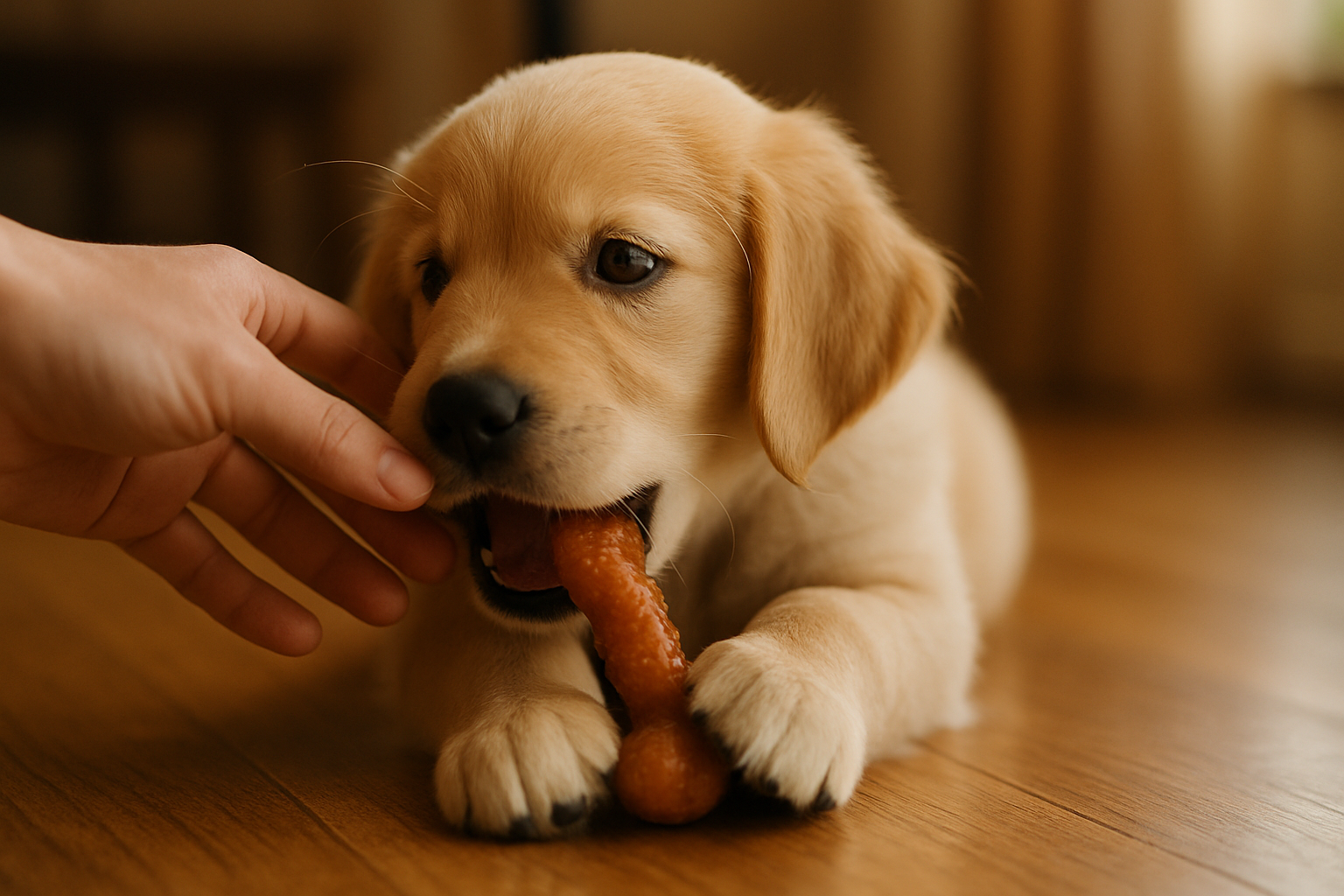
How to stop a puppy from biting and redirect behavior is one of the most common questions new dog owners ask. The good news: puppy mouthing is completely normal and manageable with the right approach. Unlike humans with opposable thumbs, puppies rely on their mouths to explore the world and gather sensory information.[2] Understanding why your puppy bites—whether from teething, play, or curiosity—is the first step toward addressing the behavior with patience rather than frustration. This guide will help you identify triggers and implement proven redirection strategies to navigate this challenging phase successfully.
Understanding Puppy Biting: It's More Normal Than You Think
You've just brought home your adorable new puppy, and within hours, you're wondering why your hands look like they've been through a cheese grater. Welcome to one of the most frustrating—yet completely normal—phases of puppy parenthood. Nearly every new dog owner experiences the relentless nipping, mouthing, and biting that puppies are famous for. The good news? This behavior is developmentally appropriate and manageable with the right approach.
Puppy biting isn't a sign of aggression or a behavioral problem—it's your puppy's primary way of exploring the world. Unlike humans with opposable thumbs, puppies rely on their mouths to gather sensory information about their environment. Think of it as their version of hands-on learning. [2] Understanding this fundamental truth is the first step toward addressing the behavior with patience rather than frustration.
Why Do Puppies Bite? The Main Culprits
Before you can effectively redirect mouthing behavior, you need to understand what's driving it. Puppy biting rarely stems from a single cause, and identifying the specific triggers in your situation will help you choose the most effective intervention strategy.
Teething Discomfort
One of the most common reasons puppies bite is teething. Around 16 weeks of age, your puppy's adult teeth begin pushing through their gums, which can cause significant soreness and irritation. [2] This discomfort peaks around 13 weeks when multiple teeth are erupting simultaneously. [5] When your puppy's gums ache, they instinctively seek relief by chewing and biting anything within reach—including your fingers, furniture, and clothing.
You'll likely notice an uptick in mouthing behavior during this period. Your puppy might seem obsessed with gnawing on objects, and the intensity of their biting may increase. This is entirely normal and typically subsides once their adult teeth have fully emerged.
Exploration and Learning
Puppies explore their world through their mouths in much the same way human infants explore through touch. [1] When your puppy encounters something new—whether it's your shoelace, the couch cushion, or your hand—their instinct is to bite and chew to gather information. They're essentially asking: "What is this? Does it taste good? Is it safe? How does it feel?"
This exploratory biting is especially pronounced during the first six months of life when puppies are in a critical learning phase. [2] As they navigate their new home environment, they increase mouthing behavior to examine their unfamiliar surroundings.
Play and Social Learning
Biting is a natural component of puppy play. When littermates play together, they use their mouths to wrestle, chase, and engage with one another. Through these interactions, puppies learn an essential skill called "bite inhibition"—understanding how much force they can apply with their teeth before causing pain. [5]
When a puppy bites a littermate too hard, the receiving puppy yelps loudly and may refuse to continue playing. This feedback teaches the biting puppy that excessive force ends the fun. [1] Your puppy will try to engage you in this same type of play because, to them, it's a normal dog behavior. They don't yet understand that human skin is far more delicate than a puppy's thick coat.
Excess Energy and Boredom
A bored, under-exercised puppy is more likely to resort to inappropriate mouthing. Puppies have significant energy reserves, and when that energy isn't channeled into appropriate activities, they self-soothe through biting and chewing. [1] Additionally, puppies may discover that biting gets a reaction from their owners—even negative attention is still attention, and some puppies will repeat behaviors that engage their humans.
Attention-Seeking Behavior
If your puppy has learned that biting results in a reaction—whether you yell "no," laugh, or chase them around the house—they may continue the behavior specifically to get your attention. [1] In their developing minds, any interaction is a reward for biting.
Stress, Anxiety, or Fear
While less common in healthy puppies, some may bite as a response to stress or fear. Puppies who haven't been properly socialized or who have experienced traumatic events may use their mouths defensively. [1] If your puppy's biting seems aggressive, accompanied by growling, stiff body posture, or occurs when they seem fearful, consult with a veterinarian or certified behavior consultant.
Medical Issues
If your puppy suddenly increases biting behavior or shows signs of discomfort, a veterinary check-up is warranted. Dental problems, mouth injuries, or other health conditions can cause irritability and increased mouthing. [1] Don't assume all biting is behavioral—sometimes it's a signal that something hurts.
The Timeline: When Do Puppies Stop Biting?
Understanding the expected timeline helps set realistic expectations. Most puppies naturally decrease their mouthing behavior between 8 to 10 months of age. [2] With consistent training and redirection, you'll typically see a significant shift in this habit by the one-year mark. [2]
However, the exact timeline varies by individual puppy and breed. Certain breeds like Golden Retrievers, Labradors, and French Bulldogs are naturally mouthier and may require more intensive redirection efforts. [2] Conversely, more aloof breeds like Poodles and Shiba Inus typically show less mouthing behavior overall.
If your puppy continues excessive or aggressive biting after 12 months, it's time to seek professional help from a certified trainer or veterinary behaviorist. [2]
Redirection Techniques: Practical Strategies That Work
Now that you understand why puppies bite, let's explore concrete strategies to redirect this behavior. The key is consistency, patience, and positive reinforcement.
Redirect to Appropriate Toys
The most effective redirection technique involves immediately offering an appropriate toy when your puppy begins mouthing. Keep toys readily accessible throughout your home—in your pocket, by the couch, near your bed. [4]
How to execute this:
- When your puppy starts biting your hand, immediately stop moving and present a toy
- Make the toy enticing by dragging it along the floor or waving it enticingly [1]
- Once your puppy engages with the toy, enthusiastically praise them [5]
- Reward them with treats and verbal affirmation to reinforce the desired behavior
This technique teaches your puppy that toys—not your hands—are the appropriate outlets for their biting impulses.
Provide Specialized Teething Toys
Invest in a variety of teething-specific toys designed to soothe sore puppy gums. Frozen toys are particularly effective as the cold numbs inflamed tissues. [1] Consider options like:
- Rubber teething rings that can be refrigerated
- Soft plastic teething toys designed for baby teeth
- Rope toys for tugging and chewing
- Puzzle toys stuffed with frozen treats or peanut butter
Rotate toys regularly to maintain novelty and prevent boredom. [5]
Use the "Ow" Method (With Caution)
You can teach bite inhibition by mimicking how littermates communicate. When your puppy bites, make a high-pitched "ow" sound to signal that they've hurt you. [4] This mimics the yelp a littermate would make, potentially teaching your puppy to soften their bite.
Important caveat: This method doesn't work for all puppies. Some become more excited and aroused by the sound. If your puppy escalates their biting after you make the "ow" sound, discontinue this technique immediately and use an alternative approach. [4]
Implement Strategic Withdrawal
When redirection fails and your puppy continues biting, calmly remove yourself from the interaction. [5] This teaches your puppy that biting ends playtime—a natural consequence that mirrors what happens with littermates.
How to do this:
- If your puppy won't stop biting despite redirection, stand up calmly
- Leave the room or move to the other side of a baby gate [5]
- Ignore your puppy for a few minutes
- Return and resume play with a toy in hand
- Repeat as necessary
This approach teaches that aggressive biting results in the end of fun—a powerful motivator for behavior change.
Address Ankle and Foot Biting
Some puppies, particularly those with herding instincts, become fixated on biting ankles and feet. [1] This requires a specific redirection strategy:
- Carry a tug toy in your pocket at all times
- When your puppy ambushes your feet or ankles, immediately stop moving [4]
- Pull out the tug toy and wave it enticingly
- Once they grab the toy, resume normal movement
- Engage in a brief tug-of-war game as a reward
This technique redirects their predatory instincts toward an appropriate outlet.
Encourage Non-Contact Play
Shift your play interactions away from hand-based games toward activities that don't involve contact with your skin. [4] Prioritize:
- Fetch games
- Tug-of-war with toys (not your hands)
- Chase games with toys as the focus
- Puzzle toys and enrichment activities
Avoid wrestling, hand-chasing games, and any play that encourages your puppy to bite your hands or feet. What seems cute when your puppy weighs 10 pounds becomes problematic when they're 60 pounds with sharper teeth. [5]
Prevention Through Exercise and Mental Stimulation
One of the most overlooked solutions to puppy biting is simple: tire them out. A well-exercised puppy with adequate mental stimulation is far less likely to engage in inappropriate mouthing. [1]
Create a structured routine:
- Schedule multiple play sessions throughout the day (3-4 sessions for young puppies)
- Incorporate both physical exercise and mental challenges
- Use training sessions as mental stimulation
- Provide adequate rest time in a quiet space or crate
- Ensure your puppy has access to fresh water and appropriate meals
Puppies often bite more intensely when they're overtired, overstimulated, hungry, or thirsty. [4] Addressing these basic needs prevents many behavioral issues before they start.
The Power of Positive Reinforcement
While it's tempting to scold or punish biting, this approach is counterproductive. Puppies don't understand punishment—they only learn that your attention follows certain behaviors. [2] Instead, focus on rewarding the behaviors you want to see.
When your puppy is calm and quiet, reinforce this state with praise, treats, and affection. [4] When they choose to play with toys instead of your hands, celebrate enthusiastically. When they respond to redirection, reward immediately. This positive approach builds a stronger bond and creates lasting behavioral change.
Socialization and Training Classes
Enrolling in a puppy training class offers multiple benefits beyond bite management. Professional trainers can teach you effective techniques, provide feedback on your puppy's specific behavior, and ensure your puppy has safe, supervised interactions with other puppies. [4] These classes facilitate important socialization that helps puppies learn appropriate play and interaction skills.
When to Seek Professional Help
While most puppy biting is normal and manageable, certain situations warrant professional intervention:
- Your puppy shows aggressive biting accompanied by growling or stiff body posture
- Biting increases in intensity or frequency despite consistent redirection
- Your puppy hasn't decreased mouthing behavior by 12-14 months
- You suspect medical issues are contributing to the behavior
- Your puppy shows signs of fear or anxiety
Contact your veterinarian, a certified behavior consultant, or an applied animal behaviorist for professional guidance. [5]
Key Takeaways for Success
Managing puppy biting successfully requires understanding, patience, and consistency. Remember these essential principles:
- Normalize the behavior: Puppy biting is developmentally appropriate, not a sign of aggression
- Identify the cause: Different triggers require different solutions
- Redirect consistently: Always have toys readily available for redirection
- Exercise regularly: A tired puppy is a well-behaved puppy
- Use positive reinforcement: Reward desired behaviors rather than punishing unwanted ones
- Stay calm: Your puppy looks to you for guidance, so model the behavior you want to see
- Seek help when needed: Professional trainers and veterinarians are valuable resources
This challenging phase typically lasts between three to six months with consistent effort. [4] While it may feel endless when you're in the thick of it, most puppies naturally decrease their mouthing behavior as they mature and learn appropriate play skills. By implementing these strategies now, you're investing in a well-behaved, confident adult dog who understands boundaries and respects your space. The effort you put in during puppyhood pays dividends for years to come.