Preventing dogs from accessing socks starts with understanding why they're so irresistible to your pup. Your socks carry your scent and taste, making them comfort objects that dogs view as a connection to their favorite person. While it might seem like a minor annoyance, sock-eating ranks among the most common household emergencies veterinarians encounter, often requiring expensive surgery for intestinal blockages. This guide explains why dogs target socks, the serious health risks involved, and practical prevention strategies that actually work.[4]
Why Your Dog Eats Socks and How to Stop It: A Complete Prevention Guide
You turn your back for thirty seconds, and suddenly your Lab emerges from the laundry room with a mouthful of socks. Maybe you've caught your pup mid-heist before, or perhaps you've discovered the aftermath—a missing sock with no explanation. Either way, you've probably wondered: why are dogs so obsessed with socks?
While it might seem like a minor annoyance, sock-eating ranks among the most common and dangerous household emergencies veterinarians encounter. What starts as a quirky behavior can quickly escalate into a life-threatening intestinal blockage requiring emergency surgery. Understanding why your dog targets socks and implementing prevention strategies now could save you thousands in vet bills and, more importantly, protect your dog's health.
Why Dogs Are Drawn to Socks
To understand your dog's sock obsession, you need to think like a dog. Your socks aren't just fabric—they're treasure maps written in your personal scent. Every thread carries traces of where you've walked, what you've stepped in, and how hard you've worked that day. [4] This makes socks irresistible to a dog who views you as their entire world.
Dogs are natural scavengers, programmed by thousands of years of pack bonding to investigate and claim items that smell like their family members. When your dog grabs a sock, they're not being destructive—they're seeking connection and comfort. [4]
Why Puppies Are Particularly Vulnerable
Puppies face a perfect storm of sock temptation. Teething pain drives young dogs toward soft, chewable textures that soothe sore gums. Socks offer the ideal combination: gentle on tender mouths but satisfying to gnaw. [4] Puppies between four and eighteen months often treat socks as stand-in fetch toys or tug-of-war prizes.
Additionally, puppies explore the world with their mouths—similar to human toddlers—and sometimes swallow things in the process. [5] This exploratory phase is normal, but it's also when prevention becomes critical.
Boredom and Under-Stimulation
An under-stimulated dog invents their own games, and many of them are destructive. When a bored dog surveys your bedroom, they see socks as interactive puzzles: Can I grab this? How far can I carry it? What happens if I shake it really hard? [4]
According to canine behavior experts, mental stimulation is equally—if not more—important than physical exercise, especially for intelligent, working, and driven dogs. When this fundamental need isn't met, dogs "get into trouble" and seek activities that satisfy their urge for engagement. [1] This includes chewing items around the house and stealing socks.
The "Chase Game" Problem
Sometimes owners unintentionally reinforce a dog's sock-stealing habit. When your dog grabs a sock and you chase them around the house, you've just turned laundry into entertainment. From your dog's perspective, they've successfully initiated a thrilling game, and your attention becomes their reward. [1] This reinforcement can transform a one-time incident into a recurring behavior.
Stress, Anxiety, and Comfort-Seeking
Lonely, stressed, or newly adopted dogs often seek comfort in owner-scented items. Socks become security blankets, offering emotional regulation when you're away. Rescue dogs, especially those with unknown histories, may have learned that hoarding soft objects provides psychological comfort. [4]
Dogs experiencing separation anxiety don't just chew socks—they consume them entirely, trying to keep your scent as close as possible. This behavior intensifies during transitions: new homes, schedule changes, or family additions. [4]
The Hidden Dangers: Why Sock-Eating Is Serious
What makes sock-eating genuinely dangerous is that socks are perfectly designed to cause problems. They're large enough to block intestinal passages but small enough for determined dogs to swallow. Unlike food that breaks down during digestion, socks maintain their form as they travel through the digestive system. [4]
Intestinal Blockage: A Life-Threatening Emergency
Intestinal obstruction occurs when socks block normal food passage through the digestive tract. This life-threatening condition prevents normal digestion and can cause tissue death if untreated. The sock acts like a cork in a bottle—nothing passes through. [4]
A clinical study examining dogs undergoing surgical treatment for gastrointestinal foreign body obstruction found that socks are among the most commonly removed items from dog intestines. Labradors tend to be over-represented in these cases, though it can occur in any breed. [1]
Warning Signs of Blockage
If you suspect your dog has eaten a sock, watch for these warning signs:
- Vomiting (including persistent or repeated vomiting)
- Diarrhea or constipation (especially with a partial blockage)
- Loss of appetite or refusing meals
- Lethargy or unusual tiredness
- Abdominal pain (hunched posture, whining, sensitivity to touch)
- Undigested food appearing in vomit hours after eating
- Weight loss or behavioral changes
Many owners assume a blockage will always result in their dog not pooping; however, diarrhea is a common symptom with a partial obstruction. [1] Symptoms can develop within days or take weeks to become serious, depending on whether it's a full or partial blockage.
Complications Beyond Blockage
A blockage doesn't just prevent digestion—it triggers a cascade of dangerous complications. Persistent vomiting leads to severe dehydration and electrolyte abnormalities. The obstruction puts pressure on the intestinal wall, which can lead to perforation and allow intestinal fluid to leak out, causing a severe, life-threatening infection. [1]
Immediate Steps If Your Dog Eats a Sock
If you know or suspect your dog has eaten a sock, time is critical. Here's what to do:
Step 1: Contact Your Veterinarian Immediately
Don't wait to see if your dog "passes it naturally." Call your vet right away, even if your dog isn't showing symptoms yet. [2] Describe what happened, when it happened, and your dog's current behavior.
Step 2: Provide Information to Your Vet
Be prepared to tell your veterinarian:
- Approximately how much of the sock was eaten
- What type of sock (thin dress sock vs. thick crew sock)
- How long ago the ingestion occurred
- Your dog's current symptoms (if any)
- Your dog's size and breed
Step 3: Follow Your Vet's Recommendations
If ingestion happened very recently (within 1-2 hours), your veterinarian might recommend inducing vomiting to remove the sock before it reaches the intestines. This is most effective when done quickly. [1]
If the sock has already moved into the stomach but was ingested recently, removal may be possible using endoscopy under general anesthesia—a less invasive option than surgery. However, if the item has moved into the small intestines and is causing an obstruction, surgery is usually necessary. [1]
For large dogs that have successfully passed socks before, close monitoring is still essential. Your vet will want to track bowel movements and watch for any signs of blockage developing. [1]
Prevention Strategies That Work
The most important aspect of preventing sock-eating is environmental management. You can't train your way out of a problem if socks are freely accessible. Here's a comprehensive prevention approach:
Environmental Management: Remove Temptation
The first line of defense is making socks inaccessible:
- Store socks in closed drawers in bedrooms and bathrooms
- Use hampers with tight-fitting lids or store laundry baskets in closed closets
- Establish a household rule about putting dirty clothes away immediately (especially if you have children)
- Check under beds and couches regularly for stray socks
- Don't leave clean laundry unfolded in accessible areas
- Be vigilant in shared spaces like laundry rooms and bathrooms where socks are most likely to be left out
This step alone prevents many cases of sock-eating before they start. [5]
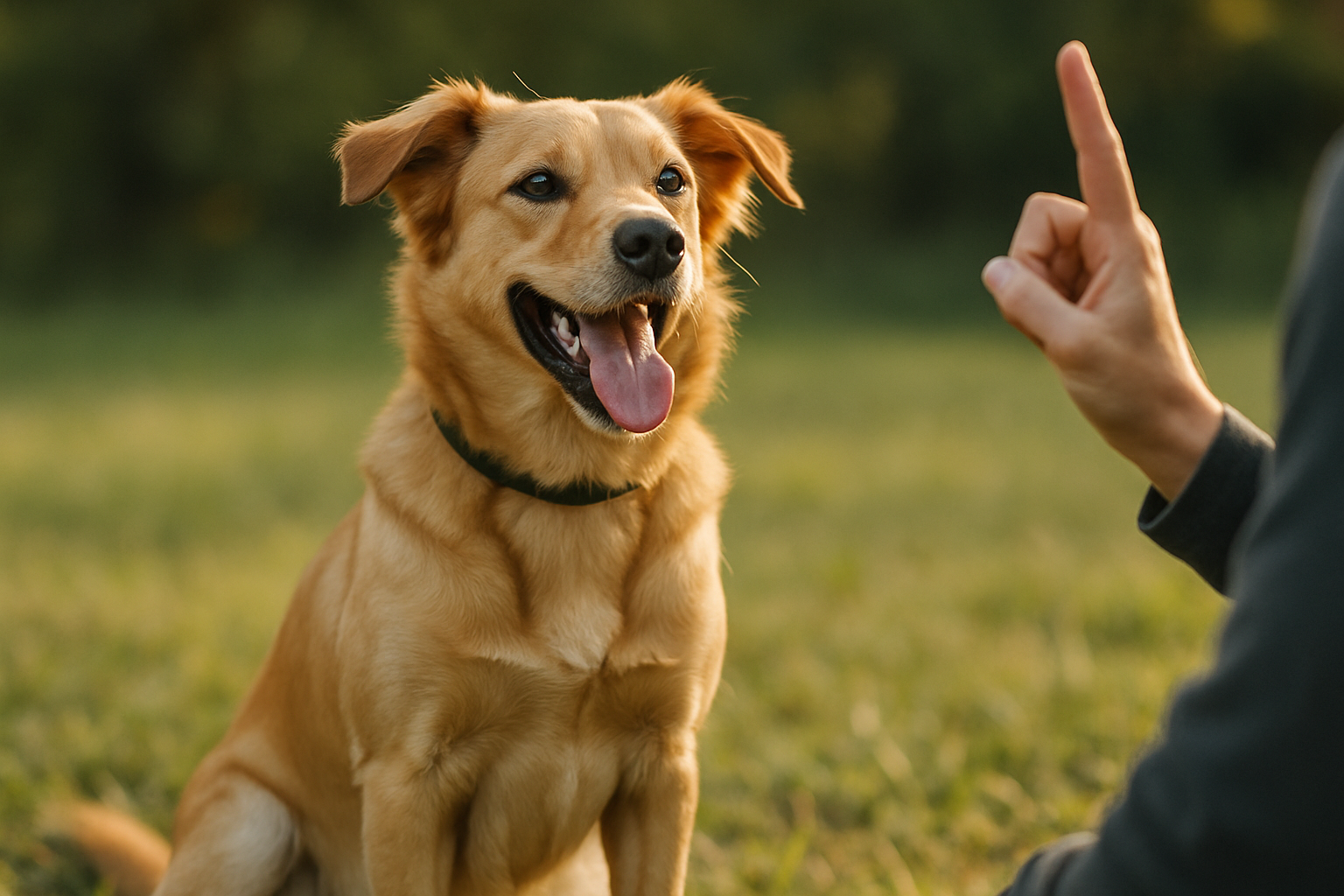
Training: Teach "Leave It" and "Drop It"
Teaching your dog reliable "leave it" and "drop it" commands provides a safety net if they do encounter a sock:
- Start with low-value items (things your dog doesn't care much about) and gradually progress to higher-value items
- Use high-value rewards (small pieces of chicken, cheese, or special treats) when your dog obeys the command
- Practice regularly in different environments and situations
- Reward immediately when your dog obeys, creating a strong positive association with the command
- Exchange, don't just remove: When you catch your dog with a sock, offer them something they really want (a favorite toy or special treat) in exchange
This approach teaches your dog that giving up forbidden items results in something even better, reducing possessiveness and making the command more reliable. [5]
Exercise and Mental Stimulation
Adequate exercise and mental engagement are fundamental to preventing destructive behaviors like sock-eating:
- Puppies need 18-20 hours of sleep daily, but their awake time demands constant mental and physical engagement
- Adult dogs need 12-14 hours of rest but require structured activities during active periods
- Provide daily walks appropriate to your dog's age and energy level
- Incorporate fetch, retrieval games, or other interactive play to burn physical energy
- Use puzzle toys and interactive feeders like Kong toys or Buster Cubes to provide mental stimulation
- Practice obedience training regularly—this provides both mental exercise and strengthens your relationship
- Rotate toys to maintain novelty and prevent boredom
Mental stimulation is equally important as physical exercise, especially for intelligent, working, and driven dogs. [1]
Appropriate Chew Toys and Alternatives
Providing appropriate outlets for your dog's chewing drive redirects the behavior toward acceptable items:
- Offer a variety of textures (rubber toys, rope toys, plush toys) to find what your dog prefers
- Choose toys appropriate for your dog's size to prevent choking hazards
- Supervise new toys initially to ensure your dog doesn't try to destroy them
- Rotate toys regularly to maintain interest
- Use puzzle toys filled with treats to provide extended engagement
- Consider long-lasting chews (under supervision) if appropriate for your dog
Deterrent Sprays (As a Secondary Strategy)
If your dog manages to access socks despite your best efforts, bitter apple spray or similar deterrents can make them less appealing:
- Apply bitter apple spray to socks before storing them (if you can't prevent access)
- Use double-sided sticky tape near areas where socks might be found—dogs typically dislike the sticky sensation
- Understand these are secondary strategies, not primary prevention methods
- Test any deterrent on a small area first to ensure it doesn't damage fabrics or cause skin irritation
However, these deterrents work best as backup strategies, not primary prevention. [2]
Address Underlying Anxiety or Stress
If your dog's sock-eating appears connected to separation anxiety, stress, or comfort-seeking:
- Create a safe space where your dog feels secure when you're away
- Practice gradual departures to build confidence and reduce separation anxiety
- Provide owner-scented items (like an unwashed t-shirt) as appropriate comfort objects instead of socks
- Consider calming supplements or anxiety wraps (discuss with your vet)
- Consult a veterinary behaviorist if anxiety seems severe or is affecting your dog's quality of life
Avoid Reinforcing the Behavior
Be mindful of how you respond when your dog grabs a sock:
- Don't chase your dog if they grab a sock—this turns it into an exciting game
- Stay calm and redirect rather than showing excitement or frustration
- Use the exchange method (offering something better) instead of playing tug-of-war
- Avoid yelling or punishment after the fact—your dog won't understand what they did wrong
Special Considerations by Life Stage
Puppies
Puppies are particularly vulnerable to sock-eating due to teething and their exploratory nature. If your puppy is young, they may eventually outgrow this habit, but prevention is still critical to prevent a serious problem before it develops. [5] Focus on environmental management, appropriate chew toys, and gentle redirection during this phase.
Adult Dogs
Adult dogs that steal socks are often responding to boredom, anxiety, or established habit patterns. The difference between puppy mischief and adult behavior lies in patterns—puppies grab whatever's available during brief play bursts, while adult dogs systematically target specific items like socks when their routine lacks sufficient stimulation. [4]
Rescue and Newly Adopted Dogs
Rescue dogs may have learned that hoarding soft objects provides psychological comfort or security. This behavior often intensifies during the transition period to a new home. Be especially vigilant with newly adopted dogs and provide extra mental stimulation and reassurance during the adjustment period.
When to Consult a Professional
If your dog's sock-eating behavior seems obsessive or compulsive, or if it's accompanied by other concerning behaviors, consult with your veterinarian or a certified animal behaviorist. In rare cases, dogs may eat socks because of a compulsive disorder called pica, which results in obsessive ingestion of non-food items. Stress and anxiety are common triggers for pica, and professional guidance can help address the underlying cause. [1]
Key Takeaways
Preventing your dog from eating socks requires a multi-layered approach combining environmental management, training, exercise, and mental stimulation. Here's what to remember:
- Make socks inaccessible through proper storage and household organization
- Understand that sock-eating is usually preventable with consistent management
- Provide adequate exercise and mental stimulation to prevent boredom-driven behavior
- Train reliable "leave it" and "drop it" commands as a safety net
- Avoid reinforcing the behavior by chasing your dog or making it a game
- Contact your vet immediately if you suspect your dog has eaten a sock
- Watch for warning signs of intestinal blockage including vomiting, diarrhea, lethargy, and abdominal pain
- Don't assume your dog will pass it naturally—veterinary guidance is essential
Your dog's sock obsession might seem like a quirky habit now, but implementing these prevention strategies protects them from a potentially life-threatening emergency. The effort you invest in prevention today could save your dog's life and spare you the stress and expense of emergency surgery.